Choosing the right size litter box for your cat is more important than you might think. If it’s too small, your cat may avoid using it, leading to messes around your home.
Too big, and it might take up unnecessary space or be hard to clean. You want a litter box that fits your cat’s needs perfectly, keeping both of you happy. You’ll discover how to pick the ideal size that makes your cat comfortable and your life easier.
Keep reading to find the simple tips that will transform your cat’s litter routine!
Choosing The Right Size
Choosing the right size litter box is more important than many cat owners realize. A box that’s too small can make your cat uncomfortable and may lead to accidents outside the box. On the other hand, a litter box that’s too large might not fit well in your space or could be harder to clean. Finding the perfect balance ensures your cat feels safe and encourages consistent use.
Measuring Your Cat
Start by measuring your cat from the tip of the nose to the base of the tail. Add a few extra inches to this length to give your cat enough room to turn around comfortably inside the box. Don’t forget to consider the height of your cat as well—especially if they like to dig vigorously or scratch the sides.
Think about your own cat’s habits. Does your cat prefer to stretch out when they use the litter box? If yes, adding extra length and width is essential. A cramped box can cause stress and may discourage your cat from using it.
Considering Cat Age And Breed
Kittens need smaller, low-entry boxes for easy access, while senior cats may require boxes with lower sides to help with mobility. Larger breeds like Maine Coons need extra spacious boxes to move freely and avoid feeling trapped.
Have you noticed your older cat hesitating to enter their litter box? That might be a sign it’s time to switch to a box designed with their age and breed in mind. Adjusting the size and style can make a big difference in their comfort and litter habits.
Room For Movement
Your cat should be able to dig, turn, and cover waste without restrictions. A litter box that’s too small can make these natural behaviors frustrating or impossible.
Visualize your cat stepping into the box. Is there enough space to move without bumping into the sides? If you can’t picture this easily, consider a larger box. Giving your cat the freedom to move encourages better litter box use and keeps your home cleaner.
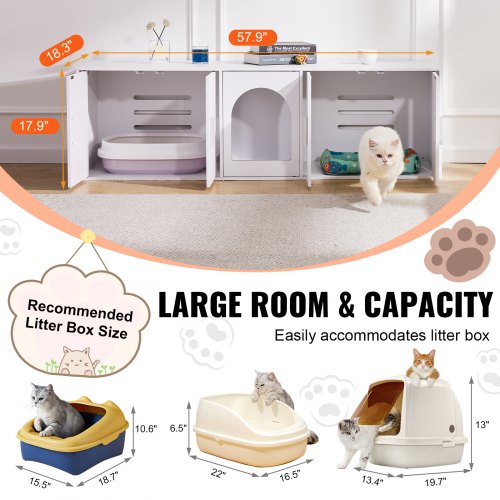
Credit: www.vevor.ca
Types Of Litter Boxes
Choosing the right type of litter box is just as important as selecting the correct size for your cat. Different styles offer various benefits and challenges. Understanding these options helps you find one that fits your cat’s habits and your home environment.
Standard Boxes
Standard litter boxes are open trays that provide plenty of space for your cat to move around. They come in many sizes and shapes, making it easier to find one that suits your cat’s needs. These boxes are easy to clean and allow your cat to enter and exit freely.
However, some cats may kick litter outside, and odors can spread more easily. If your cat is hesitant about enclosed spaces, this might be the best option.
Covered Boxes
Covered litter boxes have a lid or hood that provides privacy and helps contain odors. Cats that enjoy privacy often prefer these boxes. The cover also helps reduce litter scatter, keeping your floor cleaner.
On the downside, some cats dislike feeling trapped inside, which might lead to avoidance. If your cat has respiratory issues, good ventilation is crucial with covered boxes.
Self-cleaning Boxes
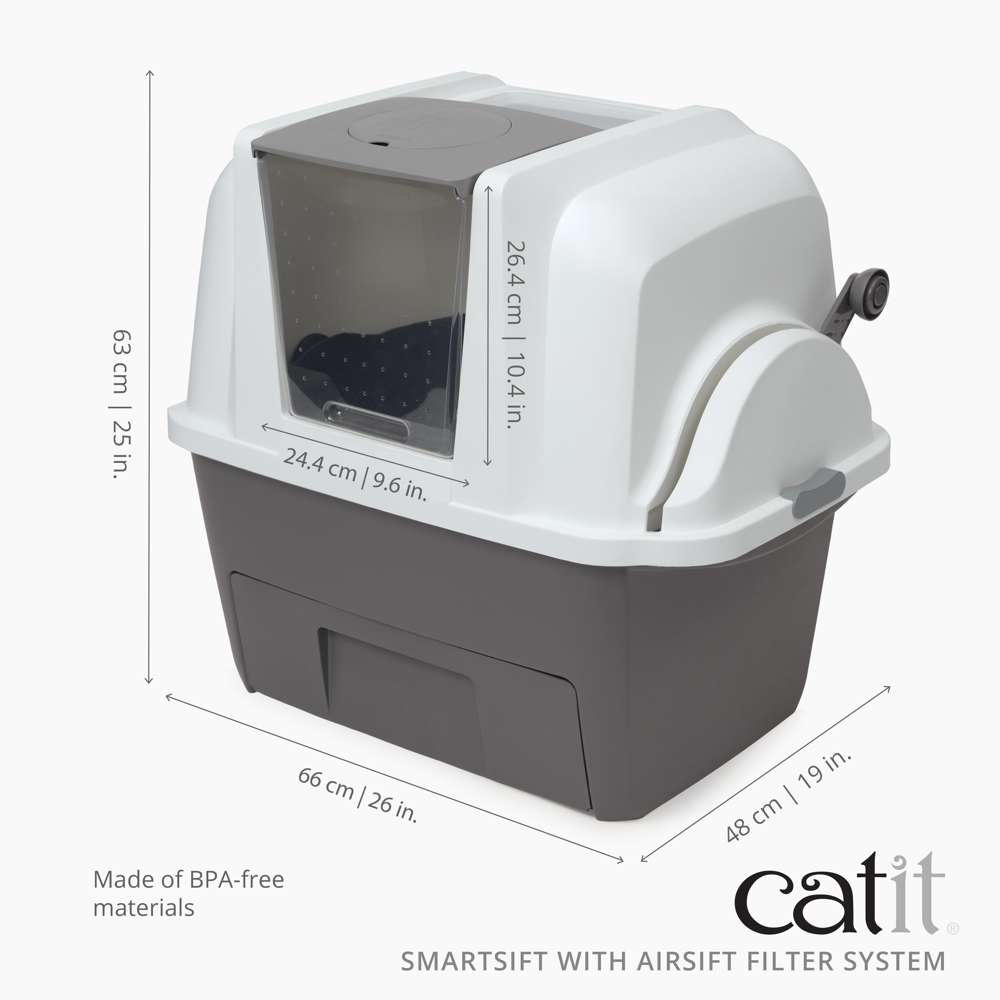
Self-cleaning litter boxes automatically scoop waste into a sealed compartment after your cat uses the box. This feature cuts down on daily maintenance and keeps the litter fresher for longer. They are ideal if you want to minimize the time spent scooping.
Keep in mind, these boxes are usually more expensive and may require specific types of litter. Also, some cats may be startled by the noise or movement of the cleaning mechanism.
Top-entry Boxes
Top-entry litter boxes have an opening on the lid, encouraging cats to jump in from above. This design helps reduce litter tracking and keeps other pets out. It’s especially useful if you have dogs that tend to get into the litter.
Not all cats like jumping into a box this way, especially older or less agile ones. Assess your cat’s mobility before choosing this type of box.
Sizing Guidelines
Choosing the right litter box size helps cats feel safe and comfortable. A well-sized box encourages good litter habits and reduces mess. Size depends on your cat’s body and habits. Consider length, width, and depth for best results.
Length And Width Recommendations
The litter box should be at least one and a half times your cat’s length. Measure from the nose to the base of the tail. This gives enough room for turning and digging.
For most cats, a box about 18 to 24 inches long works well. The width should allow your cat to stand comfortably. Usually, 14 to 18 inches wide is ideal.
Depth For Comfort
The depth of the litter box affects how much litter you can use. A deeper box holds more litter for digging and covering waste. Aim for a depth between 4 and 6 inches.
Too shallow can cause litter scatter. Too deep might be hard for kittens or older cats to enter. Adjust depth based on your cat’s size and ability.
Multiple Cats And Larger Boxes
Households with multiple cats need larger or multiple litter boxes. A box that is 1.5 times larger than usual helps avoid crowding.
Place boxes in different areas to reduce territorial disputes. For two or more cats, provide at least two boxes. This prevents stress and keeps the area clean.
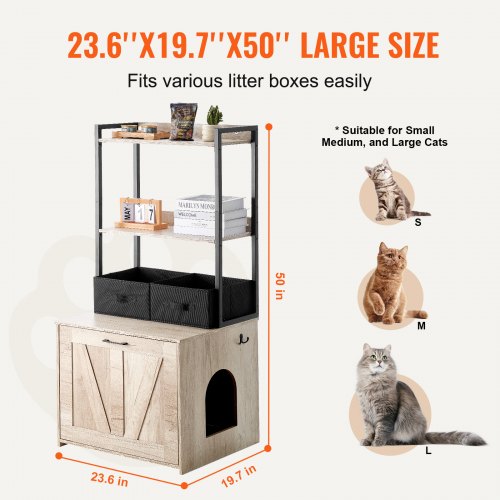
Credit: www.vevor.ca
Material And Design Impact
The material and design of a cat litter box play a big role in your cat’s comfort and your cleaning routine. A well-chosen box can reduce odors, prevent spills, and last longer. The right design also helps your cat feel safe and encourages good habits.
Plastic Vs. Other Materials
Plastic is the most common material for litter boxes. It is lightweight and affordable. Plastic boxes come in many shapes and sizes. They are easy to move and replace. Other materials like stainless steel or ceramic are less common. These materials are heavier and often harder to clean. Some cats may prefer the smooth surface of plastic. Others might like the sturdiness of ceramic. Choose a material that fits your cat’s needs and your budget.
Ease Of Cleaning
Cleaning is easier with smooth surfaces. Plastic boxes usually have smooth walls that prevent litter from sticking. Boxes with rounded corners also help with cleaning. Avoid boxes with many crevices. These can trap dirt and odors. Some litter boxes come with removable liners or trays. These features speed up cleaning. A clean box keeps your cat healthy and happy.
Ventilation Considerations
Good airflow helps reduce litter box odors. Some boxes have built-in ventilation holes or grids. These allow air to move freely. Ventilation helps dry the litter faster. It also keeps smells from building up. Covered boxes may trap odors inside. Make sure covered boxes have vents or filters. Proper ventilation keeps the litter box area fresh and pleasant for everyone.
Placement And Accessibility
Choosing the right size litter box for your cat is important. Equally vital is its placement and accessibility. A well-placed litter box ensures comfort for your cat. It also reduces mess and keeps your home clean.
Choosing A Location
Pick a quiet place in your home. Cats need peace to do their business. Avoid high-traffic areas where noise might disturb them. A corner in a room often works well. Make sure it’s away from food and water dishes. This keeps your cat healthy and happy.
Accessibility For Older Or Disabled Cats
Older or disabled cats need easy access to their litter box. Look for a box with a low entry point. This helps them enter and exit without pain. Keep the box on the same floor where your cat spends most of its time. Stairs can be tough for them to navigate.
Privacy Needs
Cats value privacy when using their litter box. Choose a location that offers some seclusion. Use a screen or a piece of furniture to block the view. This helps your cat feel safe and comfortable. A private spot can encourage regular use of the litter box.
Common Mistakes To Avoid
Choosing the right litter box size is vital for your cat’s comfort and hygiene. Many cat owners make common mistakes that lead to litter box problems. These errors can cause your cat to avoid using the box or create a mess. Understanding what to avoid helps keep your cat happy and your home clean.
Too Small Boxes
Small litter boxes restrict your cat’s movement. Cats need enough space to turn around comfortably. A cramped box can cause stress and accidents outside the box. Always select a box larger than your cat’s body length. This gives room for digging and covering waste.
Ignoring Cat Preferences
Cats have unique likes and dislikes about their litter boxes. Some prefer covered boxes, while others like open ones. The type of litter and box location matter too. Watch your cat’s behavior to understand their preferences. Ignoring these signs can lead to litter box refusal.
Overcrowding Multiple Boxes
Having several litter boxes is good, but overcrowding is a mistake. Boxes placed too close confuse cats and reduce privacy. Space them apart in quiet, accessible spots. Each cat should have enough room to use their box without stress or competition.
Tips For Transitioning To A New Box
Changing your cat’s litter box can be tricky. Cats like routine and may resist new things. Helping your cat adjust smoothly reduces stress and accidents. Use gentle steps to make the new box feel safe and familiar.
Introducing Gradually
Start by placing the new litter box near the old one. Let your cat explore it freely without pressure. Keep both boxes available for a few days. Slowly remove the old box once your cat uses the new one confidently.
Maintaining Familiar Scents
Keep some litter from the old box in the new one. This scent helps your cat recognize the new box. Avoid completely cleaning the new box at first. Familiar smells make the new place comforting and less strange.
Positive Reinforcement
Praise your cat after it uses the new box. Give treats or gentle petting as a reward. Avoid punishment if accidents happen. Encouragement builds trust and helps your cat learn quickly.

Credit: catit.ca
Frequently Asked Questions
What Is The Ideal Litter Box Size For Cats?
The ideal litter box size should be at least 1. 5 times your cat’s length. This allows comfortable movement and digging. Larger boxes reduce litter scatter and improve cat satisfaction. Choosing the right size prevents accidents and keeps your cat happy and healthy.
How To Measure Your Cat For A Litter Box?
Measure your cat from nose to tail base while standing. Add extra space for comfort and movement. This helps select a litter box that fits your cat perfectly. Proper sizing ensures better hygiene and reduces litter mess around the box.
Can Small Cats Use Large Litter Boxes?
Yes, small cats can use large litter boxes. Bigger boxes provide more space to move and dig. However, very large boxes may be hard to fit in small spaces. Ensure the box suits your cat’s size and your home layout.
Why Do Cats Avoid Small Litter Boxes?
Cats avoid small boxes due to discomfort and lack of space. Small boxes limit movement and digging, causing stress. A spacious box encourages regular use and reduces accidents. Always choose a litter box size that matches your cat’s needs.
Conclusion
Choosing the right litter box size helps keep your cat happy. Bigger boxes give cats more space to move. Cats feel comfortable and use the box more often. A box too small might make them avoid it. Think about your cat’s size and habits.
Clean the box regularly to keep it fresh. A good litter box supports your cat’s health. Simple steps can make a big difference at home. Your cat will thank you with better behavior.



Leave a Reply