
If you’re thinking about bringing a cat into your home, asking the right questions to the breeder is crucial. You want to make sure your new furry friend is healthy, happy, and comes from a responsible source.
But what exactly should you ask? Knowing the key questions can save you from future headaches and help you find a cat that truly fits your lifestyle. Keep reading to discover the essential questions you need to ask every cat breeder before making this important decision.
Breeder Credentials
Knowing a breeder’s credentials is important before choosing a cat. Credentials show the breeder’s professionalism and trustworthiness. They also reveal the breeder’s knowledge about the breed and care for cats. Asking about credentials helps you find a responsible breeder who cares for their cats’ health and well-being.
Licenses And Certifications
Ask if the breeder has the proper licenses to operate legally. Licenses prove they meet local laws and rules. Certifications from animal health or breeding organizations show extra training. These documents confirm the breeder follows high standards for cat care.
Experience With The Breed
Find out how long the breeder has worked with the specific breed. Experience means they understand the breed’s traits and needs. Experienced breeders can answer questions about behavior, health, and care. They are likely to raise healthy, well-socialized kittens.
Affiliations With Cat Associations
Check if the breeder belongs to any cat associations or clubs. These groups set rules for ethical breeding and cat welfare. Membership shows the breeder follows these rules and stays updated on best practices. It also connects them to a community of responsible breeders.
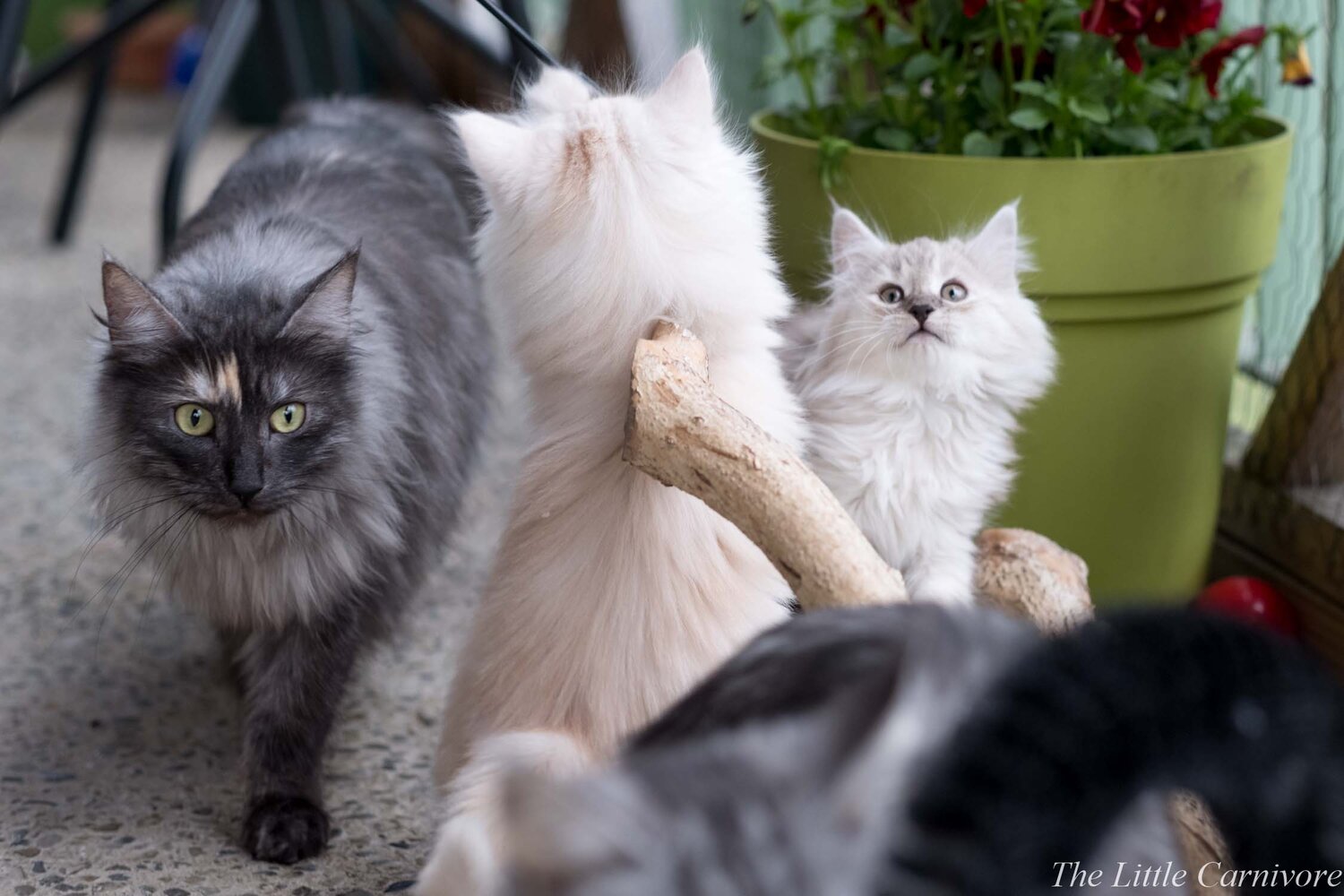
Credit: thelittlecarnivore.com
Cat Health And Care
Choosing a cat breeder means prioritizing the health of your future pet. Understanding the care and health practices of the breeder ensures a happy, healthy cat. Let’s explore the essential questions about cat health and care.
Vaccination And Medical History
Ask the breeder about the cat’s vaccination records. Ensure the cat has received all necessary shots. Inquire about any medical conditions the cat may have had. It’s important to know about past illnesses or treatments. This information helps you prepare for any future health needs.
Genetic Testing And Health Guarantees
Find out if the breeder performs genetic testing on their cats. Genetic testing helps identify inherited health issues. Ask if the breeder offers health guarantees. A health guarantee shows confidence in the cat’s long-term well-being. This assurance can protect you from unexpected health problems.
Diet And Nutrition Practices
Learn about the cat’s diet from the breeder. Ask what type of food they provide and why. Understanding their nutrition practices helps maintain the cat’s health. Proper diet is crucial for the cat’s growth and energy. A well-fed cat is a happy cat.
Kitten Socialization
Kitten socialization shapes how a cat behaves around people and other animals. Early experiences help kittens grow into friendly, confident adults. Asking a breeder about socialization helps you understand how well your kitten will adjust to your home and family.
Handling And Interaction With Kittens
Ask how often the breeder handles the kittens. Frequent gentle touch builds trust and reduces fear. Find out if the breeder encourages play and positive interaction. These activities teach kittens to enjoy human contact.
Exposure To Household Environments
Check if kittens experience common home sounds like vacuum cleaners or TVs. Exposure to different sights and sounds prevents later anxiety. Learn if kittens meet children, adults, or other pets. This variety helps kittens adapt smoothly to your household.
Temperament And Behavior Traits
Discuss the typical personality of the kitten’s breed. Understand how the breeder observes kitten behavior and moods. Ask if the breeder notes any shy or outgoing traits. This insight helps match a kitten to your lifestyle.
Breeding Practices
Understanding a breeder’s practices helps ensure healthy and happy cats. Good breeders follow clear rules to keep cats safe and healthy. Asking about breeding practices reveals the breeder’s care level and knowledge. These questions cover how breeders choose cats, manage litters, and provide living spaces.
Selection Of Breeding Cats
Ask how breeders pick cats for breeding. They should choose healthy cats with good temperaments. Parents should have no genetic diseases or health issues. The breeder must test cats for common breed problems. Strong, well-tempered cats produce healthier kittens.
Frequency And Timing Of Litters
Find out how often cats have litters. Responsible breeders give cats time to rest between litters. Cats should not breed too often to avoid health risks. Ask about the age when cats start and stop breeding. Proper timing helps maintain the mother’s health.
Living Conditions For Cats
Check where the cats live during breeding and raising kittens. The area should be clean, safe, and comfortable. Cats need enough space to move and play. Good breeders provide fresh water, healthy food, and medical care. Healthy living conditions lead to strong, happy kittens.
Adoption Process
Understanding the adoption process is key to finding the right cat breeder. It sets the tone for your entire experience and helps ensure your new feline friend fits well with your lifestyle. Asking the right questions about the adoption process saves time and prevents surprises.
Pricing And Payment Terms
Be clear on the total cost upfront. Some breeders include vaccinations, microchipping, and spaying/neutering in the price, while others charge separately. Ask if there are any additional fees you should expect.
Find out about payment methods and schedules. Do they require a deposit? Is the full amount due before you take the cat home? Knowing this helps you plan your budget effectively.
Contract And Return Policy
Request a copy of the adoption contract before making any commitments. Pay attention to clauses about health guarantees and what happens if your cat develops hereditary issues.
Ask about the return policy. Can you return the cat if things don’t work out? Responsible breeders often have a “no questions asked” return option to protect the cat’s well-being.
Post-adoption Support
See if the breeder offers ongoing support after adoption. Will they answer questions about diet, behavior, or health? This support can be invaluable, especially for first-time cat owners.
Also, check if they provide documentation like medical records and care instructions. Such resources help you give your new pet the best start in your home.

Credit: www.savvy-paws.com
Buyer Responsibilities
Buying a cat is more than just bringing a pet home. It is a serious commitment that lasts for many years. Understanding your duties as a buyer helps ensure your new cat lives a happy, healthy life. Being ready means more than having money. It means preparing your home, making long-term plans, and asking yourself important questions.
Preparing Your Home
Your home needs to be safe and welcoming for a cat. Remove any small objects a cat could swallow. Secure loose wires and cords. Create quiet spaces where the cat can rest without disturbance.
Set up essential supplies:
- Litter box in a private spot
- Food and water bowls
- Scratching posts or pads
- Comfortable bedding
- Toys for play and mental stimulation
Long-term Care Commitments
Cats live 12 to 20 years on average. Their care needs change over time. Regular vet visits and vaccinations keep them healthy. Nutrition must match their age and health conditions.
Expect to spend time daily on grooming and play. Mental and physical exercise prevents boredom and behavior problems. Budget for emergencies, medication, and possible boarding if you travel.
Questions To Ask Yourself
- Am I ready to care for this cat for its entire life?
- Do I have time for daily feeding, cleaning, and play?
- Can I afford regular vet care and unexpected costs?
- Is everyone in my household comfortable with a cat?
- Do I have space for a cat to move and explore?
- Am I prepared to handle potential behavior challenges?

Credit: www.feliway.co.uk
Frequently Asked Questions
What Questions Should I Ask A Cat Breeder?
Ask about the kitten’s health, parents’ history, vaccinations, and socialization. Also, inquire about the breeder’s experience and registration status. These questions ensure you get a healthy, well-cared-for kitten from a responsible breeder.
How Do I Verify A Cat Breeder’s Credibility?
Check for references, breeder registration, and reviews. Visit the cattery to observe conditions. A credible breeder prioritizes health, transparency, and ethical breeding practices.
Why Ask About Kitten’s Health History?
Knowing health history helps identify potential genetic issues. It ensures the kitten has received proper care and vaccinations. This protects your future pet’s well-being and prevents costly treatments.
What Should I Know About Kitten Socialization?
Socialization affects a kitten’s behavior and adaptability. Ask if kittens are exposed to people and other pets early. Proper socialization leads to a friendly, confident cat.
Conclusion
Asking the right questions helps you find a responsible cat breeder. It ensures the health and happiness of your future pet. Knowing about the cat’s background and care makes a big difference. Trust your instincts and take your time. A good breeder will gladly answer your questions.
This creates a strong start for your new furry friend. Choose wisely, and enjoy many happy years together.



Leave a Reply