Have you ever watched your cat spend hours licking and cleaning itself and wondered, “How much of the day do they actually spend grooming?” You’re not alone. Cats are known for their fastidious habits, but the exact amount of time they dedicate to grooming might surprise you.
Understanding this behavior can give you a deeper insight into your feline friend’s health and happiness. Keep reading to discover the fascinating truth about how much time your cat spends keeping itself clean—and why it matters to you.
Cat Grooming Habits
Cats are known for their meticulous grooming habits, which play a crucial role in their daily routine. Grooming is not just about cleanliness; it affects their health, comfort, and even mood. Understanding how much time cats dedicate to grooming helps you appreciate their natural behavior better and spot any changes that might signal health issues.
Daily Grooming Time
On average, cats spend about 30% to 50% of their waking hours grooming themselves. This means a typical cat can spend anywhere from 2 to 4 hours each day licking, cleaning, and smoothing their fur. Some cats are more obsessive groomers, while others are more laid-back, but this time investment is essential for their well-being.
Think about your cat’s routine: have you noticed periods when they seem to stop everything just to clean a single paw? That focused attention helps remove dirt, loose fur, and even parasites. It also helps regulate body temperature and stimulates blood flow.
Factors Influencing Grooming Duration
- Breed and Coat Type:Long-haired cats like Persians usually spend more time grooming to keep their thick fur tangle-free.
- Age:Younger cats tend to groom more actively, while senior cats may slow down due to reduced flexibility or health issues.
- Environment:Outdoor cats might groom more often to clean off dirt or debris picked up outside.
- Health Status:Skin conditions, allergies, or pain can either increase grooming as a response or decrease it if grooming becomes uncomfortable.
Have you ever noticed your cat grooming more than usual? It might be a sign to check for fleas or skin irritation. Observing these grooming habits can give you clues about your cat’s health and comfort without needing a vet visit every time.
Reasons Cats Groom
Cats spend a significant part of their day grooming themselves, but why do they do it so often? Grooming is more than just keeping clean; it serves several important purposes that help cats stay healthy and comfortable. Understanding these reasons can give you a deeper appreciation of your cat’s behavior and what it means for their well-being.
Hygiene And Cleanliness
Cats groom to remove dirt, loose fur, and parasites from their coats. This keeps their fur clean and reduces the risk of infections. Have you noticed how your cat licks behind its ears or under its chin? Those hard-to-reach spots are critical for maintaining overall cleanliness.
Grooming also helps cats spread natural oils across their fur, which keeps it shiny and waterproof. If your cat suddenly stops grooming, it might be a sign of health issues, so keep an eye out for changes in this routine.
Temperature Regulation
Grooming helps cats regulate their body temperature. When a cat licks its fur, the saliva evaporates, creating a cooling effect similar to sweating in humans. This is especially important for cats in warm environments or during hot weather.
Have you ever seen your cat grooming more on a hot day? This behavior isn’t just about staying clean; it’s a natural way for them to keep cool without panting or sweating like we do.
Stress Relief And Comfort
Grooming can be a calming activity for cats, helping them relieve stress and feel more comfortable. When your cat grooms itself or even you, it often means they feel safe and relaxed. You might notice increased grooming during stressful situations like vet visits or changes in the home.
This repetitive action releases endorphins, which act like natural painkillers and mood boosters. Next time your cat starts licking itself excessively, ask yourself if something in the environment might be causing them anxiety.
Grooming Differences By Cat Type
Cats spend a good part of their day grooming. This behavior keeps them clean and comfortable. Different types of cats spend varying amounts of time on grooming. Their coat length and age influence how often and how long they groom themselves.
Long-haired Vs Short-haired Cats
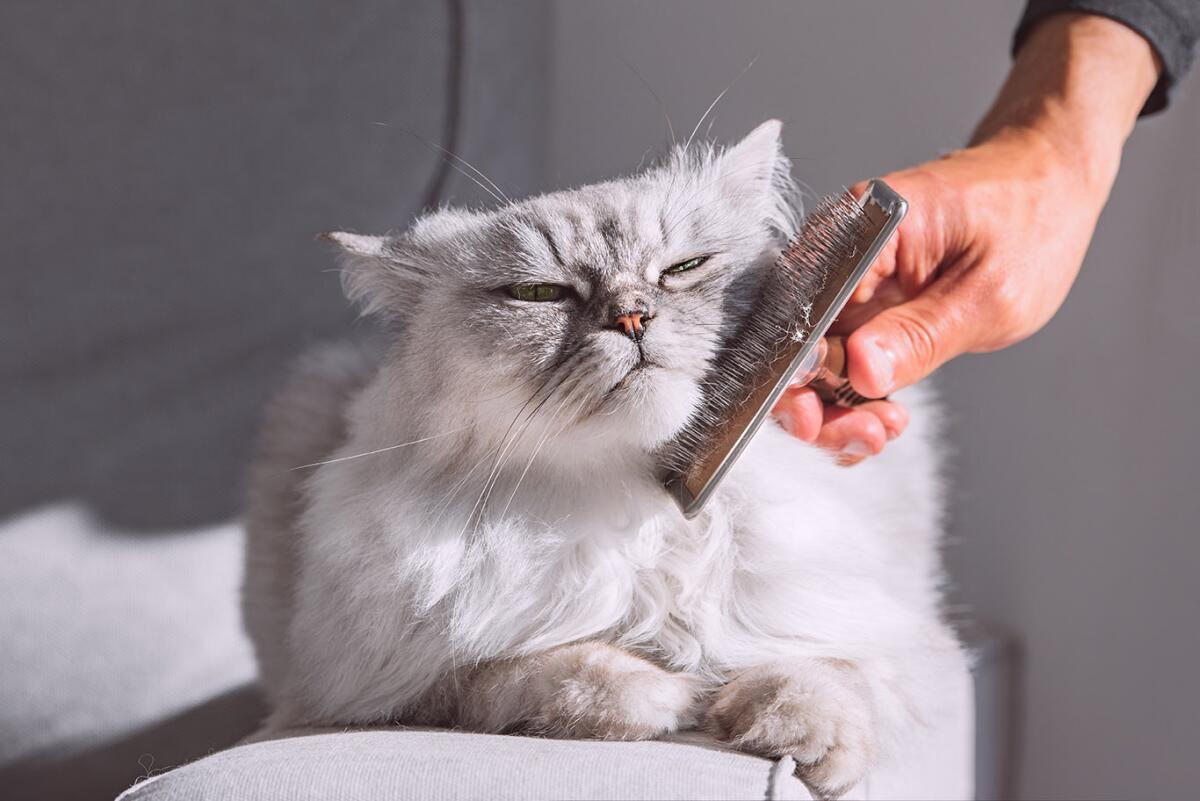
Long-haired cats need more grooming than short-haired cats. Their thick fur can tangle and mat easily. They spend up to 50% more time grooming. Short-haired cats have less fur to manage. They usually groom for about 15-30% of their day. Long-haired cats may also need help from owners to stay clean.
Age And Grooming Frequency
Young cats and kittens groom frequently. Grooming helps them learn and stay healthy. Adult cats spend about 30-50% of their time grooming. Older cats groom less because of less energy or health issues. Their grooming sessions become shorter and less frequent. Owners should watch for changes in grooming habits. It can signal health problems.
Impact Of Grooming On Health
Cats spend a significant portion of their day grooming themselves, and this habit plays a crucial role in maintaining their overall health. Grooming is not just about looking neat; it actively supports their well-being in several ways. Understanding how grooming impacts your cat’s health can help you recognize the importance of this natural behavior and how you can support it.
Preventing Parasites
Grooming helps cats remove dirt, debris, and potential parasites from their fur. By licking their coat, cats can catch and eliminate fleas, ticks, and other pests before they cause harm.
If your cat suddenly grooms less, it might be struggling with a parasite problem or discomfort. Have you noticed any changes in your cat’s grooming habits? This could be your first sign to check for parasites or visit the vet.
Skin And Coat Health
Regular grooming spreads natural oils across the skin and fur, keeping the coat shiny and healthy. It also helps prevent matting and reduces shedding, making your home cleaner and your cat more comfortable.
When cats groom, they stimulate blood flow to the skin, which supports healing and maintains skin elasticity. If your cat’s coat looks dull or patchy, it might be missing out on essential grooming time or facing skin issues.
Signs Of Grooming Issues
Cats spend about 30-50% of their day grooming themselves. Signs of grooming issues include patchy fur, skin redness, or excessive licking. These problems may signal stress, illness, or parasites.
Cats spend a significant portion of their day grooming. It keeps their fur clean and healthy. But grooming can sometimes indicate issues. Recognizing these signs is vital for your cat’s health.Overgrooming Symptoms
Cats with overgrooming issues often have bald patches. Their skin may appear red or irritated. Overgrooming can be a response to stress or allergies. It may also signal a medical condition.Undergrooming Concerns
Undergrooming often results in matted fur. You may notice a dull, greasy coat. Cats with mobility issues might undergroom. Dental problems can also lead to reduced grooming. Monitoring these signs helps maintain your cat’s well-being.Frequently Asked Questions
How Much Time Do Cats Spend Grooming Daily?
Cats spend about 30% to 50% of their day grooming themselves. This includes licking their fur to stay clean and regulate body temperature.
Why Do Cats Groom Themselves So Often?
Cats groom to remove dirt, loose fur, and parasites. Grooming also helps them stay cool and reduces stress levels effectively.
Does Grooming Affect A Cat’s Health?
Yes, grooming promotes healthy skin and fur. It also prevents infections and keeps cats comfortable and clean throughout the day.
Do All Cats Groom Themselves Equally?
No, grooming habits vary by age, health, and breed. Younger, healthy cats groom more than older or sick cats.
Conclusion
Cats spend a good part of their day grooming themselves. This habit keeps their fur clean and healthy. Grooming also helps cats relax and feel safe. Knowing how much time cats spend on grooming shows how important it is for them.
It helps you understand their behavior better. Next time you see your cat licking or cleaning, remember it’s a natural and necessary activity. It’s part of what makes cats unique and well cared for. Taking care of your cat’s grooming needs helps keep them happy and healthy.

Leave a Reply