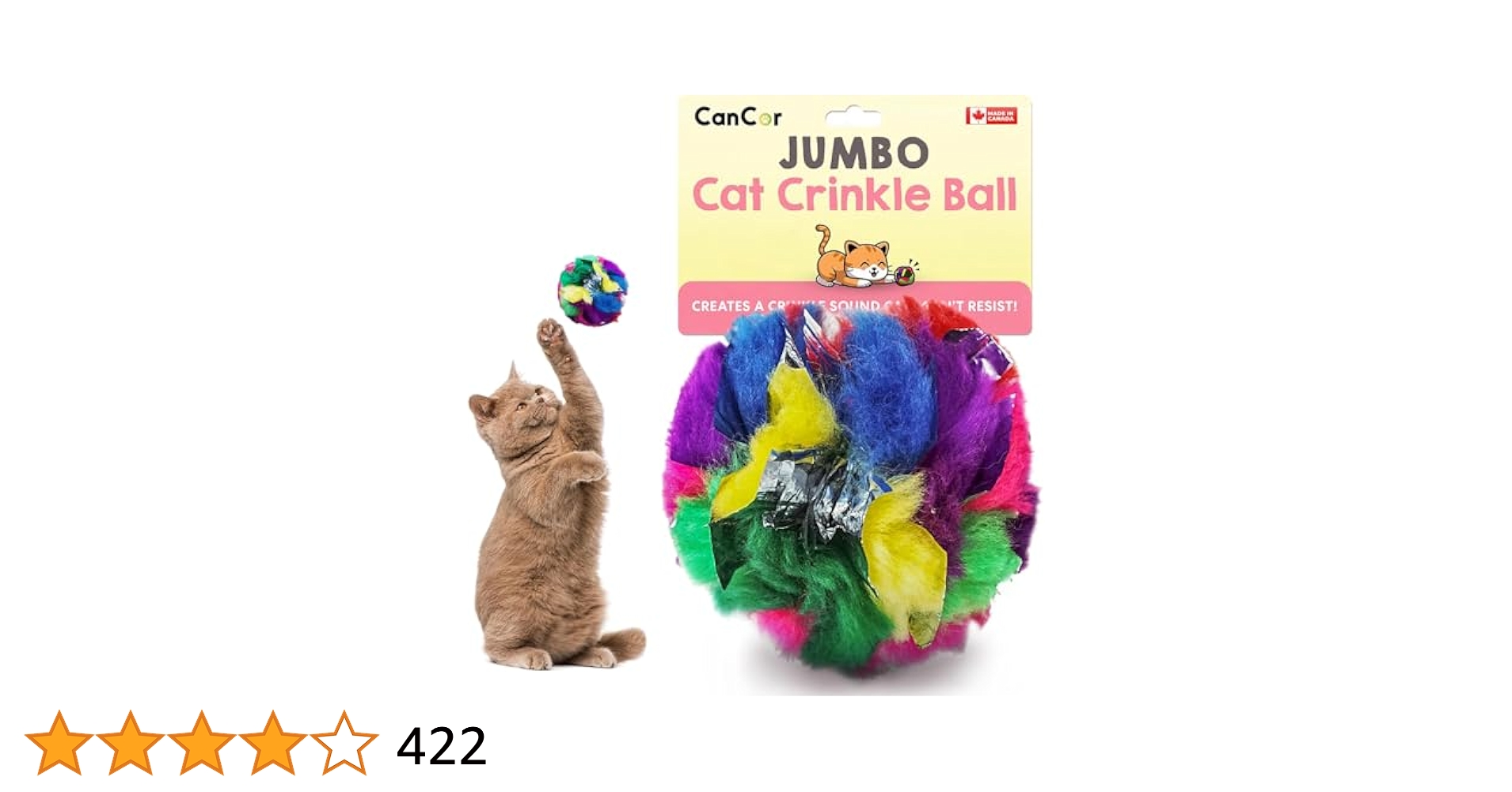
Have you ever wondered why your cat goes crazy for those crinkle toys? There’s something about that unique sound that grabs their attention like nothing else.
But what exactly makes cat toys crinkle, and why does it excite your furry friend so much? Understanding this can help you choose the best toys that keep your cat happy and engaged. Keep reading to discover the secrets behind those irresistible crinkle sounds and how they benefit your cat’s playtime.

Credit: www.amazon.com
Cat Toy Materials
Understanding the materials used in cat toys helps you pick the best option that keeps your feline friend entertained. The crinkle sound is a key factor that cats love, and it mainly comes from the specific fabrics and linings used inside the toys. Knowing what goes into these toys can guide you in choosing safe, durable, and engaging playthings for your cat.
Types Of Crinkle Fabrics
Crinkle fabrics are specially designed to create that intriguing rustling noise when touched or squeezed. Commonly, manufacturers use lightweight, thin materials like nylon or polyester blends that hold their shape but still produce a satisfying crinkle.
These fabrics are often layered or stitched with air pockets that amplify the sound. Have you noticed how some toys keep the crinkle sound longer? It’s because of the quality and type of fabric used.
- Nylon:Durable and resistant to wear, perfect for energetic cats.
- Polyester blends:Softer and flexible, providing a gentler sound.
- Mylar:A shiny, metallic fabric that creates a loud, crisp crinkle.
Plastic Linings And Films
Inside many crinkle toys, you’ll find thin plastic linings or films that make the noise. These are usually clear, lightweight sheets that can bend and snap to create the signature crinkle sound your cat loves.
Some toys use recycled plastic film, which is an eco-friendly choice while still being highly effective. Others use food-grade or non-toxic plastics to ensure safety in case your cat chews the toy.
Think about how the sound changes depending on the thickness and type of plastic. Thinner films tend to produce sharper, louder crinkles, while thicker ones offer softer, muffled sounds. What kind of crinkle does your cat respond to best?
How Crinkle Sounds Are Created
Crinkle sounds attract cats by mimicking small animals or rustling leaves. These noises spark curiosity and playfulness in cats. Understanding how crinkle sounds are created helps explain why cats love these toys so much.
Mechanics Of Sound Production
Crinkle sounds come from materials that fold and unfold quickly. Thin plastic or foil sheets inside the toy create a sharp noise. When cats bite or paw the toy, these sheets move and rub against each other. This friction produces the distinct crinkly sound. The sound’s volume depends on how tightly the material is packed inside.
Role Of Texture And Thickness
The texture of crinkle material affects the sound’s tone. Smooth, shiny surfaces make a sharper noise. Rougher textures create softer, muffled sounds. Thickness also changes the effect. Thin layers produce louder, more high-pitched crinkles. Thicker layers give quieter, deeper sounds. Toy makers choose materials carefully to balance sound and durability.
Why Cats Love Crinkle Sounds
Have you ever noticed how your cat immediately perks up when a crinkle toy comes out? That unique sound grabs their attention like nothing else. But why do cats find crinkle sounds so irresistible? Understanding this can help you choose toys that truly captivate your feline friend.
Instinctual Attraction
Cats are natural hunters, and the crinkle noise mimics the subtle sounds of prey moving through leaves or dry grass. This triggers their hunting instincts, making the toy feel like a real target.
Think about how your cat reacts to rustling paper or noisy wrappers—those sounds spark curiosity and excitement. By giving them toys that make crinkle sounds, you tap into their deep-rooted behaviors and keep their instincts sharp.
Stimulation And Engagement
Crinkle sounds provide both auditory and tactile stimulation, which keeps your cat mentally engaged during playtime. The unpredictable noise encourages them to investigate and interact more intensely with their toy.
This kind of engagement is important because it helps prevent boredom and reduces stress. Next time you see your cat batting at a crinkly toy, ask yourself if the sound is what keeps them hooked—it often is.
Designing Crinkle Toys
Designing crinkle toys for cats involves more than just making a noise. The goal is to create a texture and sound that sparks your cat’s curiosity and play instincts. Understanding how materials interact and the safety factors involved is key to crafting a toy that your cat will love and you’ll trust.
Combining Materials For Effect
Crinkle toys often use a mix of fabrics and special inserts to create that irresistible sound. Thin plastic or metallic sheets, called crinkle paper, are sandwiched between soft layers of fabric. This combination produces the signature rustling noise when your cat bats or bites the toy.
Think about how the outer fabric feels to your cat’s paws and teeth. Soft cotton or fleece is gentle, while some cats prefer a slightly rougher texture like burlap. The balance between the outer fabric and the crinkle insert determines how loud and satisfying the toy sounds.
You might have noticed your cat ignoring some toys. That’s because the crinkle effect wasn’t strong enough or the texture wasn’t appealing. Have you ever tried swapping out fabrics or crinkle inserts to see what your cat responds to best? Small changes can make a big difference.
Safety Considerations
Crinkle toys need to be safe for your cat to chew and carry around. Avoid using thin plastic that can easily tear or create sharp edges. Instead, look for durable, non-toxic materials that won’t harm your cat if ingested in small amounts.
Seams should be strong and double-stitched to prevent stuffing or crinkle material from escaping. Loose bits can become choking hazards or cause digestive issues. Always inspect toys regularly for wear and tear, especially if your cat is a vigorous player.
Have you ever checked the labels or asked the manufacturer about the materials used in your cat’s toys? Knowing what’s inside helps you make better choices and keeps your cat safe while having fun.
Diy Crinkle Toys
Cat toys crinkle because they contain special materials like plastic sheets or foil inside. These create a soft, crackling sound when touched. This noise attracts cats and keeps them curious and playful.
Creating your own crinkle toys for cats can be a fun activity. Cats love the sound and texture of crinkle toys. They mimic the noise of prey rustling in the grass. Making these toys at home is easy and cost-effective. Let’s explore how you can craft your own DIY crinkle toys.Materials Needed
Step-by-step Creation
1. Prepare the Crinkle Material Cut the plastic wrappers into small pieces. Ensure they fit inside the toy. 2. Cut the Fabric Choose fabric from old clothes or scraps. Cut into two equal-sized pieces. 3. Sandwich the Crinkle Place the plastic pieces between the fabric layers. This creates the crinkle effect. 4. Secure the Edges Sew or glue the fabric edges together. Leave a small opening. 5. Add Catnip (Optional) Insert a pinch of catnip through the opening. This attracts cats to the toy. 6. Finish the Toy Close the opening with sewing or glue. Ensure it’s secure for safe play. Your DIY crinkle toy is ready for playtime. Enjoy watching your cat have fun!
Credit: www.amazon.ca
Popular Crinkle Toy Types
Crinkle cat toys capture a cat’s attention with unique sounds and textures. These toys come in various types that keep cats curious and playful. Each type offers different ways to engage a cat’s senses and instincts.
Balls And Mice
Balls and mice are classic crinkle toys. They often contain crinkle material inside, making a rustling sound when touched or batted. Cats enjoy chasing and pouncing on these small, noisy toys. Their size is perfect for cats to carry in their mouths. The crinkle noise mimics prey sounds, which excites a cat’s hunting instincts.
Interactive Toys
Interactive crinkle toys involve the cat and sometimes the owner. These toys may include crinkle tunnels, wands, or puzzle feeders. Tunnels with crinkle lining invite cats to explore and hide. Wands with crinkle attachments encourage active play and bonding. Puzzle feeders with crinkle parts stimulate a cat’s mind and provide treats as rewards. Interactive toys keep cats mentally and physically active.

Credit: www.amazon.com
Frequently Asked Questions
Why Do Cat Toys Crinkle When Touched?
Cat toys crinkle because they contain a thin plastic film inside. This film produces a rustling sound when pressed or squeezed. The noise mimics prey sounds, attracting cats’ attention and encouraging playful behavior. Crinkling enhances the toy’s sensory appeal and keeps cats engaged longer.
What Materials Create The Crinkle Sound In Toys?
The crinkle sound comes from mylar or thin plastic sheets inside the toy. These materials make a distinctive rustling noise when moved. They are lightweight, safe, and durable, providing auditory stimulation that cats find irresistible during playtime.
How Does Crinkling Benefit A Cat’s Play Experience?
Crinkling sounds simulate natural prey noises, triggering a cat’s hunting instincts. This auditory cue encourages active play and mental stimulation. It also keeps cats entertained and reduces boredom, promoting physical exercise and emotional well-being.
Are Crinkle Cat Toys Safe For All Cats?
Yes, most crinkle cat toys are designed with non-toxic materials. However, always supervise playtime to avoid accidental ingestion of small parts. Choose high-quality toys with secure stitching to ensure safety for your cat.
Conclusion
Cat toys crinkle because of special materials inside them. Thin plastic or foil sheets create the sound cats love. This noise attracts cats and makes playtime fun. Crinkly toys keep cats interested and active for longer. They mimic sounds from nature, like rustling leaves or small animals.
Choosing toys with crinkle sounds can help your cat stay happy. Play with your cat often using these toys. You will see how much they enjoy the noise and texture. Simple sounds make a big difference in cat play.




Leave a Reply