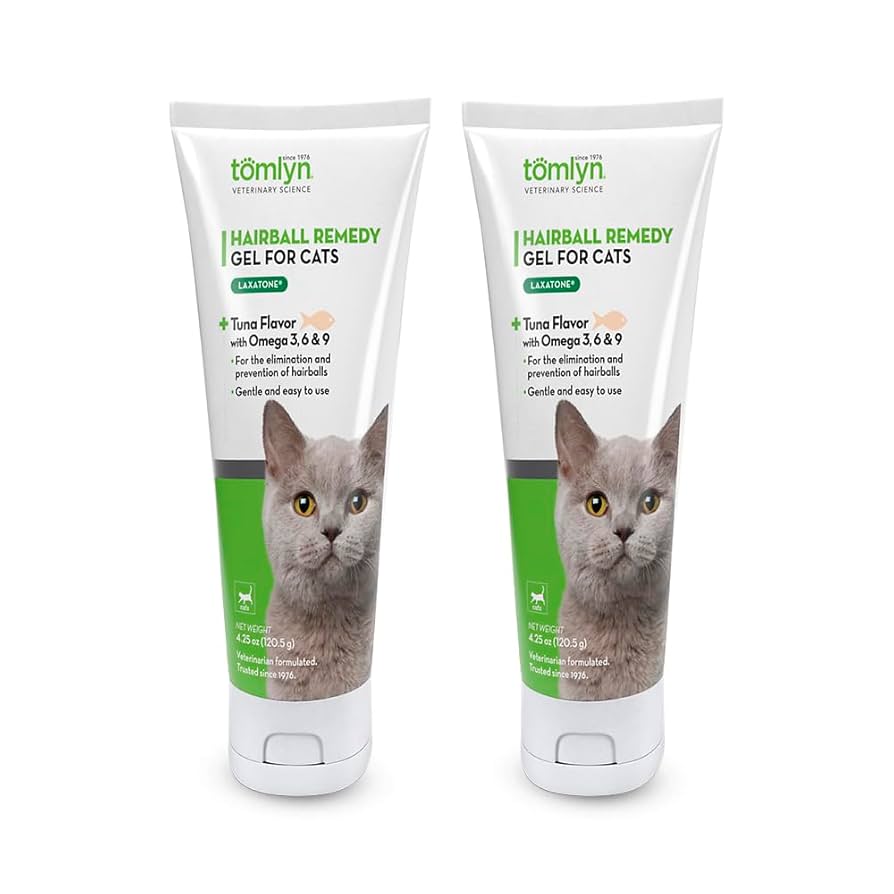
Grooming your cat is an important part of keeping them happy and healthy. But have you ever wondered what lubricant is safe and effective to use during grooming?
Choosing the right product can make a big difference in how comfortable your cat feels and how smooth the process goes. You’ll discover the best lubricants to use when grooming your furry friend, so you can make the experience easier and more enjoyable for both of you.
Keep reading to learn the secrets to stress-free cat grooming!

Credit: www.amazon.com
Choosing The Right Lubricant
Choosing the right lubricant is important for grooming cats safely and effectively. Cats have sensitive skin that can react badly to harsh chemicals. A good lubricant helps reduce friction during grooming and keeps your cat comfortable. It also protects the skin and fur, making the grooming process easier.
Safe Ingredients For Cats
Look for lubricants with natural, gentle ingredients. Ingredients like aloe vera, vitamin E, and coconut oil are safe and soothing. Avoid products with alcohol, parabens, or artificial fragrances. These can cause irritation or allergic reactions. Always pick lubricants labeled as safe for pets or specifically for cats.
Types Of Lubricants Available
- Water-based lubricants: Easy to clean and gentle on skin.
- Oil-based lubricants: Great for very dry skin but harder to wash off.
- Silicone-based lubricants: Long-lasting but may be difficult to remove from fur.
Water-based lubricants are usually the best choice for cat grooming. They do not leave sticky residues and rinse out easily.
Avoiding Harmful Substances
Steer clear of lubricants with toxic chemicals. Ingredients like petroleum, mineral oil, and synthetic dyes can harm your cat. Never use human lubricants meant for other purposes. These can contain harmful additives or scents. Always read labels carefully to ensure safety.

Credit: www.amazon.com
When To Use Lubricants In Grooming
Lubricants can be helpful during cat grooming to make the process smoother. They reduce friction and discomfort, making grooming easier for both you and your cat. Knowing when to use lubricants helps keep your cat calm and comfortable.
Dealing With Matted Fur
Matted fur can be tough to brush out. Lubricants soften the hair and loosen knots. Applying a small amount helps prevent pulling and pain. Use a cat-safe lubricant to protect the skin. This makes detangling less stressful and safer.
Easing Difficult Brushing Sessions
Some cats resist brushing, making it hard to remove loose hair. Lubricants reduce static and help combs glide easily. They calm the cat’s skin and reduce irritation. A light application can turn a fight into a calm session. Use only lubricants designed for pets.
Preparing For Nail Trimming
Lubricants can relax your cat’s paws before nail trimming. They make the skin around the claws softer and less sensitive. This reduces flinching and sudden movements. Apply a small amount to avoid slipperiness. It helps you trim nails safely and quickly.
Application Techniques
Applying lubricant during cat grooming helps reduce friction and makes brushing easier. Using the right technique ensures your cat stays calm and comfortable. Careful application protects delicate skin and fur. Follow these tips to apply lubricant safely and effectively.
How To Apply Lubricant Safely
Choose a lubricant made for pets, safe for skin and fur. Use a small amount to avoid mess and discomfort. Apply with clean hands or a soft cloth. Spread gently in the direction of fur growth. Avoid using too much pressure to prevent stress.
Tips For Sensitive Areas
Be extra careful around the face, ears, and belly. Use a minimal amount of lubricant in these spots. Dab gently instead of rubbing. Watch your cat’s reaction for signs of discomfort. Stop immediately if your cat shows distress or irritation.
Frequency Of Use
Use lubricant only when needed, such as during heavy grooming sessions. Overuse can cause buildup and discomfort. For most cats, applying lubricant once or twice a week is enough. Adjust frequency based on your cat’s coat and skin condition.
Homemade Vs Commercial Lubricants
Choosing the right lubricant for grooming a cat can be tricky. People often debate between homemade and commercial options. Both have their benefits and drawbacks. Understanding each type helps you pick the best one for your furry friend.
Natural Oils Suitable For Cats
Some natural oils work well as homemade lubricants. Coconut oil is gentle and safe for cats. It helps with dry skin and adds shine to fur. Olive oil is another option, but use it sparingly. These oils moisturize the skin and reduce friction during grooming.
Always test a small area first. Some cats may have allergies or sensitivities. Avoid essential oils, as many can be harmful to cats.
Store-bought Options And Brands
Commercial lubricants are made specifically for pet grooming. They come in sprays, gels, or liquids. Popular brands include Earthbath, Vet’s Best, and Burt’s Bees. These products often contain ingredients to soothe skin and prevent irritation.
Store-bought lubricants undergo safety tests. They usually have clear usage instructions. Many are designed for easy application and quick absorption.
Pros And Cons Of Each
| Type | Pros | Cons |
|---|---|---|
| Homemade (Natural Oils) |
|
|
| Commercial |
|
|
Signs Of Allergic Reactions
Signs of allergic reactions in cats include itching, redness, and swelling. Watch for sneezing, watery eyes, or difficulty breathing after using grooming lubricants. Immediate veterinary care is needed if symptoms worsen or persist.
Signs of Allergic Reactions When grooming your cat, using the right lubricant is important. Some cats may show allergic reactions to certain products. Knowing the signs helps keep your cat safe and comfortable.Common Symptoms To Watch For
Look for skin redness or bumps. Cats may scratch or groom excessively. Sneezing or coughing can also occur. Watery eyes and a runny nose are possible signs. Watch for changes in behavior or appetite.What To Do If Your Cat Reacts
Stop using the lubricant immediately. Wash your cat’s fur with mild soap and water. Remove any residue to prevent further irritation. Observe your cat closely for any worsening symptoms.When To Consult A Veterinarian
Seek help if symptoms persist or worsen. Consult a vet for severe reactions like difficulty breathing. Always inform the vet about the products used. Early intervention can prevent serious health issues.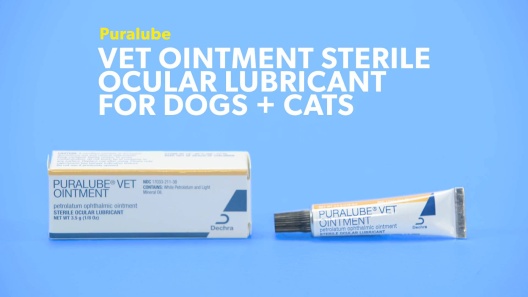
Credit: www.chewy.com
Additional Grooming Tips
Additional grooming tips help keep your cat comfortable and healthy. Proper grooming involves more than just using the right lubricant. Consider habits, tools, and the environment to make grooming easier and more effective. These tips ensure your cat stays calm and enjoys the grooming process.
Maintaining A Regular Grooming Schedule
Set a consistent time for grooming sessions. Regular grooming prevents mats and tangles. It also helps spot skin problems early. Short, frequent sessions work best for most cats. Keep sessions positive with gentle strokes and praise.
Tools That Complement Lubricants
Use brushes and combs designed for your cat’s fur type. Slicker brushes work well for long hair. Fine-toothed combs help remove loose fur and dirt. Pair these tools with a pet-safe lubricant to reduce friction. This combination eases brushing and prevents discomfort.
Creating A Stress-free Grooming Environment
Choose a quiet, comfortable place for grooming. Soft lighting and a warm spot help your cat relax. Speak softly and move slowly during grooming. Offer treats as positive reinforcement. Avoid forcing your cat to stay still. Let breaks happen if your cat feels uneasy.
Frequently Asked Questions
What Type Of Lubricant Is Safe For Cat Grooming?
Water-based lubricants or pet-safe grooming sprays are best. Avoid oils or human lubricants, as they may irritate your cat’s skin.
Can I Use Coconut Oil When Grooming My Cat?
Yes, coconut oil is safe and helps moisturize your cat’s fur. Use it sparingly to avoid greasy fur and skin issues.
Why Use Lubricant During Cat Grooming?
Lubricants reduce friction, making brushing easier. They help prevent hair breakage and soothe dry or sensitive skin during grooming.
How Often Should I Apply Lubricant When Grooming Cats?
Apply lubricant sparingly during grooming sessions as needed. Too much can cause greasy fur and discomfort for your cat.
Conclusion
Choosing the right lubricant helps keep your cat calm and comfortable. Use pet-safe oils or sprays designed for grooming. Avoid anything with harsh chemicals or strong scents. Gentle products protect your cat’s skin and fur. Regular grooming with proper lubricant reduces hair tangles and mats.
It also makes brushing easier and more pleasant. Remember, a happy cat enjoys grooming time more. Simple care goes a long way in keeping your pet healthy and clean. Always check product labels and consult your vet if unsure. Your cat deserves the best care during grooming.

Leave a Reply