Have you ever noticed how some cats run away at the sight of water, while others don’t seem to mind a splash? If you’re curious about why certain cat breeds are afraid of water, you’re not alone.
Understanding which cats dislike water can help you take better care of your furry friend and avoid stressful situations for both of you. You’ll discover the most water-fearing cat breeds and the reasons behind their aversion. Keep reading to learn how to make bath time less scary and ensure your cat stays happy and comfortable.

Credit: insights.made-in-china.com
Cats And Water: General Behavior
Cats and water often have a complicated relationship. Many cat owners notice their pets avoiding water at all costs, but why is that? Understanding this behavior helps you better care for your furry friend, especially if bath time ever becomes necessary.
Why Many Cats Avoid Water
Most cats dislike water because their fur doesn’t dry quickly, making them feel cold and uncomfortable. Wet fur can also weigh them down, restricting their movement and making them feel vulnerable.
Another factor is their evolutionary background. Wild ancestors of domestic cats lived in dry environments, so they never needed to get wet for survival. This history influences how many cats react to water today.
Common Reactions To Water
When exposed to water, cats often show clear signs of distress. You might see them:
- Fleeing from the source of water
- Shaking their fur vigorously
- Hissing or growling
- Flattening their ears or puffing up their tails
These reactions indicate discomfort rather than aggression. Recognizing these signs helps you avoid stressing your cat unnecessarily.
Exceptions To The Rule
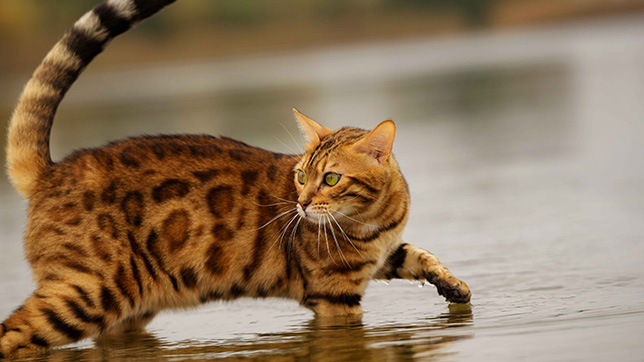
Not all cats hate water. Breeds like the Turkish Van are known as “swimming cats” because they enjoy playing in water. Similarly, some Bengal cats show curiosity and tolerance toward water.
Individual personality also plays a role. Some cats may tolerate baths or even enjoy gentle water play. Have you noticed unique water preferences in your cat? Observing their behavior can guide how you introduce water safely.
Breeds Known For Water Aversion
Some cat breeds are well-known for their strong dislike of water. Understanding which breeds tend to avoid water can help you manage bath time and rainy day encounters better. Knowing their preferences also helps you respect their boundaries and reduce stress for both you and your feline friend.
Persian Cats
Persian cats are famous for their long, luxurious coats. Their thick fur easily traps moisture, making them uncomfortable around water. Many Persian owners notice their cats actively avoiding baths or even puddles during walks.
If you own a Persian, consider using dry shampoos or gentle wiping instead of frequent baths. This approach keeps their coat clean without causing distress. Have you ever tried these alternatives with your Persian?
Siamese Cats
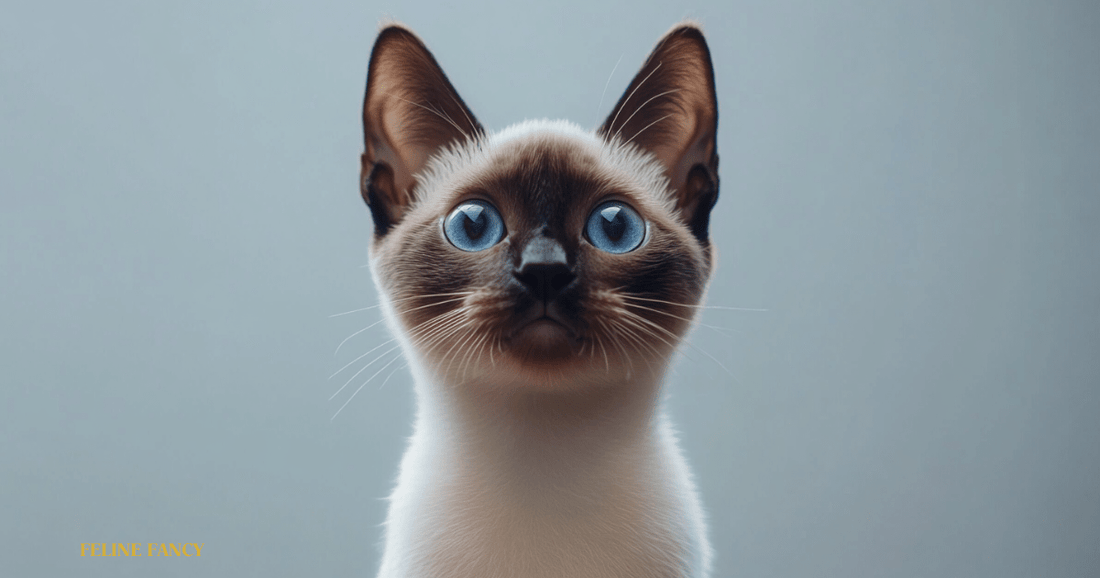
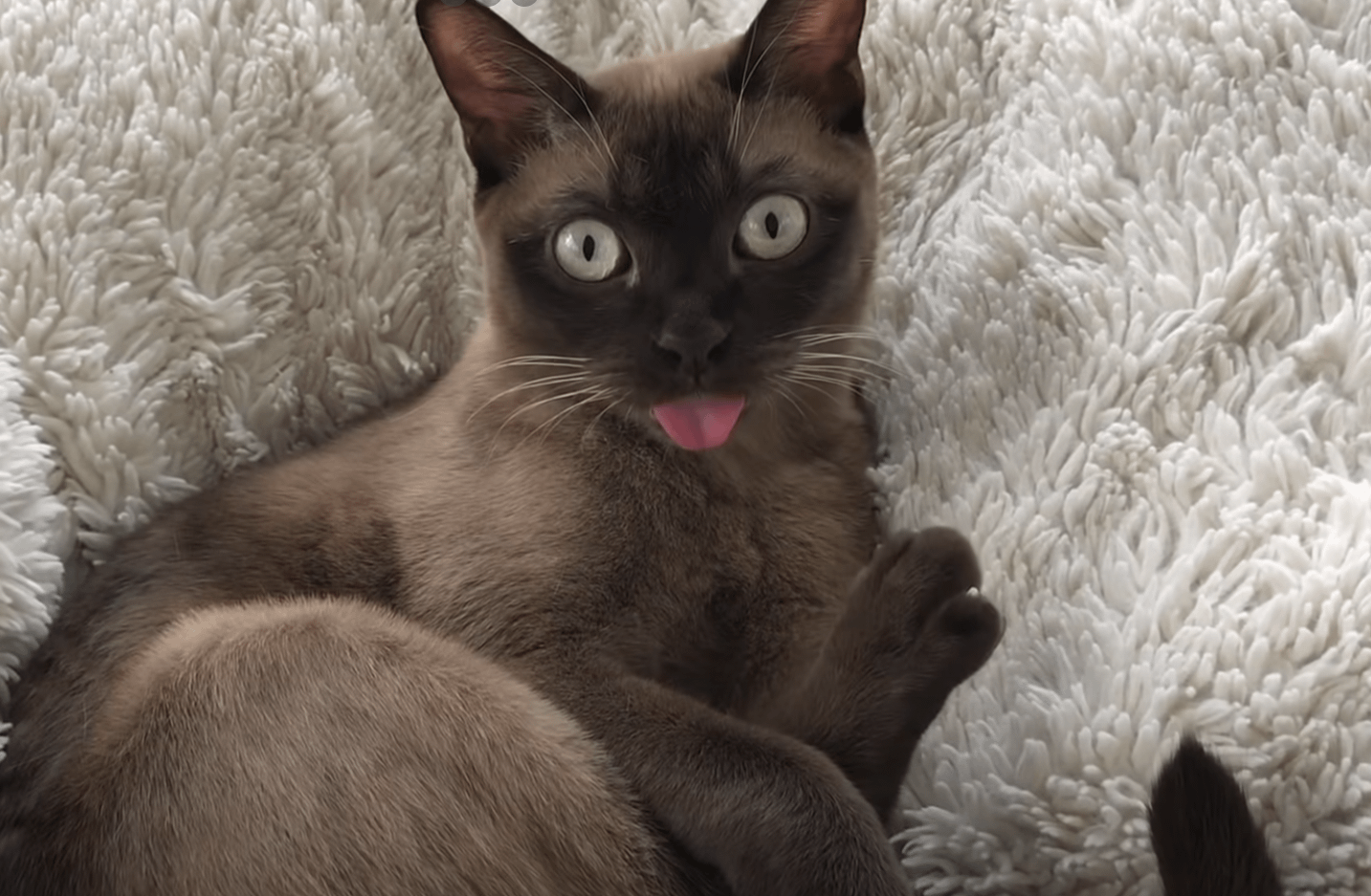
Siamese cats are curious but tend to dislike water intensely. Their sleek, short fur doesn’t need much washing, so they usually avoid water when possible. When exposed to water, some Siamese cats might become anxious or try to escape quickly.
To keep your Siamese comfortable, focus on brushing and spot cleaning. This helps maintain their coat without forcing them into wet situations. How does your Siamese react when water is nearby?
Maine Coon Cats
Maine Coons are larger cats with thick fur, but many surprisingly dislike water. Despite their rugged appearance, they often prefer dry environments. Some Maine Coons tolerate water better than others, but most will avoid baths or wet areas.
Try introducing water gradually if you need to bathe your Maine Coon. Using warm water and gentle handling can reduce their fear. Have you found any tricks to help your Maine Coon feel more at ease around water?
Physical Traits Influencing Water Fear
Coat type and thickness often affect a cat’s reaction to water. Breeds with dense fur or water-repellent coats tend to dislike getting wet. Body size and muscle structure also play a role in their water fear.
Cats often seem to have a mysterious relationship with water. While some felines bravely explore watery environments, others display a clear aversion. This fear of water is not just a behavioral trait; it is deeply rooted in their physical characteristics. Understanding these traits can offer insights into why certain cat breeds shy away from water.Coat Type And Water Resistance
The type of coat a cat has can greatly influence its water tolerance. Cats with dense, plush coats often resist water due to their fur’s lack of water resistance. The fur gets heavy and uncomfortable when wet, making it unpleasant for the cat. Breeds with such coats include the Persian and Maine Coon. Their coats absorb water like sponges, leading to a soggy mess. On the other hand, some breeds, like the Turkish Van, have water-resistant coats. These cats are less likely to fear water. Their coats dry quickly, making water activities more tolerable.Body Structure And Mobility
A cat’s body structure also impacts its relationship with water. Cats with shorter legs may find water more challenging to navigate. Breeds like the Munchkin have shorter limbs, which can limit swimming ability. This may contribute to their hesitation toward water. In contrast, cats with longer limbs, such as the Bengal, may find water less daunting. Their agile bodies can better handle the challenges water presents.Sensory Sensitivities
Sensory sensitivities play a crucial role in water fear. Cats have highly sensitive whiskers and skin. These sensors can become overwhelmed by water’s touch. Breeds with heightened sensitivity, like the Siamese, may find water particularly distressing. The sensation of water on their skin can cause discomfort, leading to avoidance behavior. Understanding these sensory traits helps explain why some cats steer clear of water-based activities.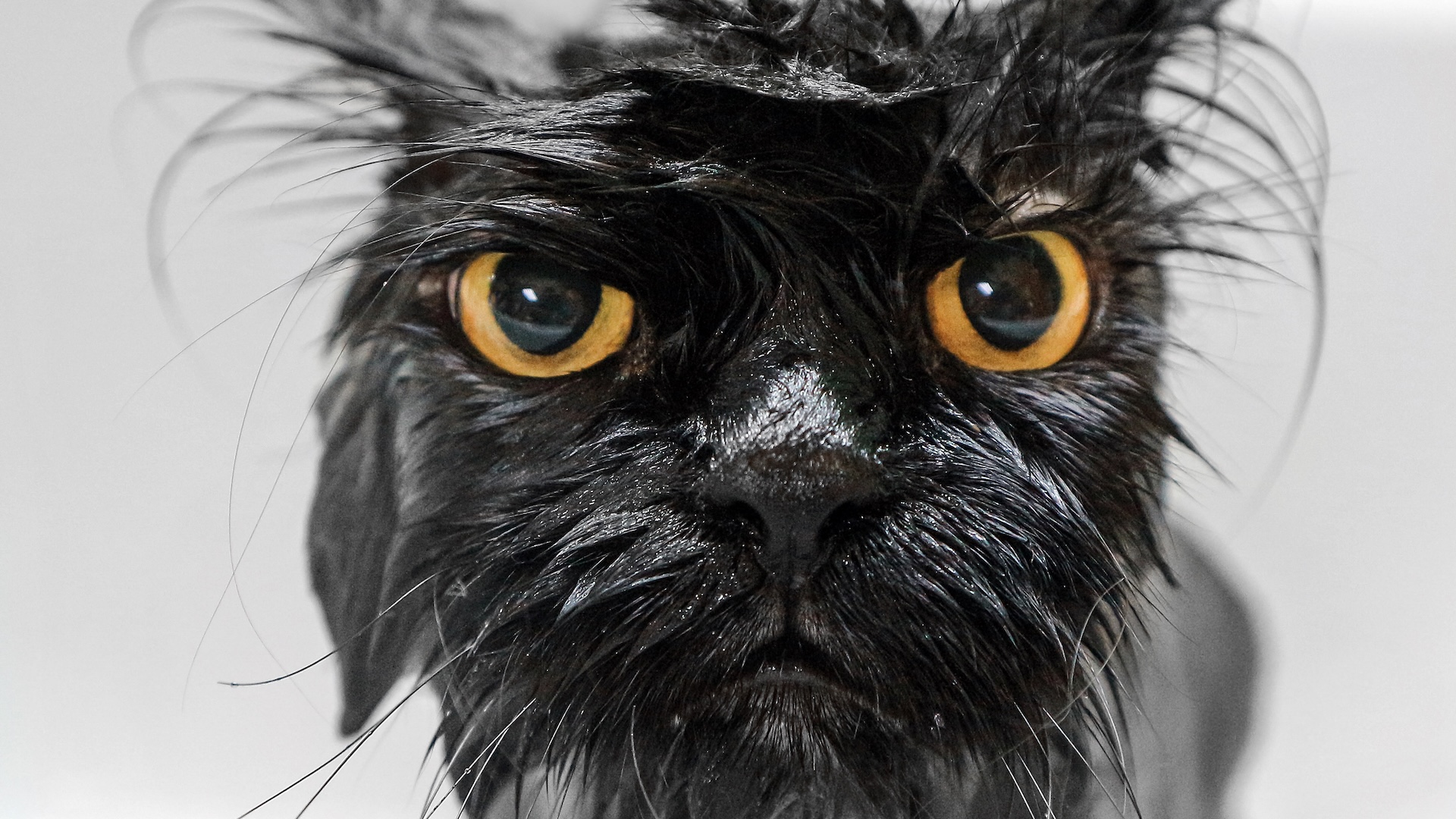
Credit: www.livescience.com
Environmental And Genetic Factors
Understanding why some cat breeds are afraid of water involves looking closely at both environmental influences and genetic factors. These elements work together to shape a cat’s reaction to water, making each cat’s response unique. Let’s break down how early experiences, inherited traits, and socialization impact their fear or tolerance of water.
Early Life Experiences
How a kitten is introduced to water can shape its feelings toward it for life. If a kitten has a negative or frightening experience with water early on, it may develop a lasting fear. On the other hand, gentle exposure to water during play or grooming can build comfort and reduce anxiety.
Think about your own pet: did you notice if your cat encountered water calmly when young? This early stage is a critical window for setting future reactions.
Genetic Predispositions
Some cat breeds naturally show more fear of water due to their genetic makeup. Breeds like the Maine Coon and Turkish Van are famously less afraid, sometimes even enjoying water play, while others, such as the Persian or Siamese, tend to avoid it.
These genetic tendencies don’t guarantee behavior, but they do tip the scales. Could your cat’s breed be influencing their water aversion more than their personal history?
Socialization Impact
Socialization plays a huge role in how cats respond to unfamiliar things, including water. Cats that grow up around water-friendly environments or with owners who calmly introduce water often show less fear.
If you want to help your cat become less scared, consider gradual and positive water exposure paired with treats and praise. Have you tried this with your cat, and what was their reaction?
Surprising Breeds Comfortable With Water
Not all cats shy away from water. Some breeds actually enjoy swimming or playing in water, surprising many cat owners. Knowing which cats are comfortable with water can help you create a better environment for your pet and even make bath time easier.
Turkish Van Cats
Turkish Van cats are famously known as “the swimming cats.” They have a unique love for water that sets them apart from most other breeds. Their thick, water-resistant coat allows them to splash around without feeling uncomfortable.
If you have a Turkish Van, you might notice it dipping its paws in water or even jumping into a shallow pool. This breed often enjoys interactive water play, making it a fun companion for water-based activities.
Bengal Cats
Bengal cats are energetic and curious, and many enjoy water more than typical cats. Their wild ancestry, tracing back to Asian leopard cats, may explain their unusual comfort with water.
Owners often find Bengals fascinated by running taps or shallow water dishes. You can encourage this interest safely by providing water toys or supervised water play, which helps keep your Bengal stimulated and happy.
Abyssinian Cats
Abyssinians are known for their playful and adventurous spirit, and some show surprising tolerance for water. While not swimmers like Turkish Vans, they often enjoy exploring wet surfaces or watching water move.
Try gently introducing your Abyssinian to a dripping faucet or a shallow bowl of water. Their natural curiosity might lead them to engage with water more than you’d expect, making grooming and bathing less stressful.

Credit: medium.com
Tips For Introducing Cats To Water
Introducing cats to water needs care and patience. Cats often dislike water. This can make the introduction tricky. A calm and gentle approach helps your cat feel safe. Here are some tips for a smooth experience.
Safe And Gentle Methods
Start with a small amount of water. Use a shallow bowl or a damp cloth. Let the cat explore at its own pace. Speak softly and offer treats for encouragement. Avoid sudden movements or loud noises. Keep the water warm, not cold. Use a gentle spray if your cat tolerates it. Always support your cat’s body to prevent slipping.
Recognizing Stress Signals
Watch for signs of fear or discomfort. These include:
- Hiding or trying to escape
- Flattened ears
- Hissing or growling
- Tense body posture
- Rapid breathing or panting
Stop the session if your cat shows these signs. Let your cat calm down before trying again. Respecting your cat’s limits builds trust.
When To Avoid Water Exposure
Do not force water on your cat. Avoid water exposure during stressful times like illness or after vaccination. Skip water introduction if your cat is very young or old. Avoid water if your cat has skin conditions. Always prioritize your cat’s health and comfort.
Frequently Asked Questions
Which Cat Breeds Dislike Water The Most?
Breeds like the Persian, Maine Coon, and Siamese often dislike water. These cats avoid baths and wet environments due to their fur texture and natural instincts.
Why Are Some Cats Afraid Of Water?
Cats fear water mainly because it disrupts their fur’s insulation. Wet fur makes them cold and uncomfortable, triggering an instinctive avoidance behavior.
Can Water-fearing Cats Be Trained To Like Water?
Yes, with gradual exposure and positive reinforcement, some cats can tolerate water. However, patience and gentle handling are essential to reduce their fear.
Do All Long-haired Cats Dislike Water?
Generally, long-haired cats dislike water more than short-haired breeds. Their dense fur takes longer to dry, causing discomfort and reluctance to get wet.
Conclusion
Many cat breeds dislike water for different reasons. Some feel scared or uncomfortable near it. Others simply prefer staying dry and warm. Knowing which breeds avoid water helps you care for them better. Respect their feelings and never force them into water.
Gentle introductions can reduce their fear over time. Every cat is unique and deserves patience. Understanding their habits builds a stronger bond. Keep your furry friend happy and safe. Water doesn’t have to be scary for your cat. Just give them time and love.

Leave a Reply