Have you ever wondered how to tell if your cat is truly healthy? Understanding the overall health of a cat goes beyond just checking if they’re eating or playing.
It’s about knowing the signs that show your furry friend is thriving inside and out. You’ll discover exactly what the overall health of a cat is called and why it matters for your pet’s happiness and long life. Keep reading—you’ll learn simple ways to keep your cat feeling their best every day.

Credit: nexgardforpets.com
Cat Health Basics
Caring for a cat means understanding its overall health well. Cat health basics cover many areas. Knowing simple health facts helps keep your cat happy. Cats cannot speak, so you watch their signs. Healthy cats show energy, good appetite, and clear eyes. Learning about health terms and why monitoring is key helps you protect your pet.
Common Health Terms
- Wellness:A cat’s general state of good health.
- Vaccination:Shots that protect cats from diseases.
- Parasites:Tiny creatures like fleas or worms that harm cats.
- Nutrition:The food and nutrients a cat needs to stay healthy.
- Symptoms:Signs that show a cat might be sick.
- Vet Check-up:Regular visits to the veterinarian for health review.
Importance Of Health Monitoring
Watching your cat’s health daily can catch problems early. Small changes in behavior or eating can mean illness. Regular vet visits ensure vaccines and treatments are up to date. Tracking weight and activity helps spot issues fast. A healthy cat lives longer and feels better. Health monitoring is a simple step with big benefits.
Vital Health Indicators
Vital health indicators help track a cat’s overall well-being. These signs show how healthy your cat is at a glance. Understanding these indicators helps spot health problems early. Watch for changes in physical appearance, behavior, and eating habits. These clues tell you if your cat feels good or needs care.
Physical Appearance
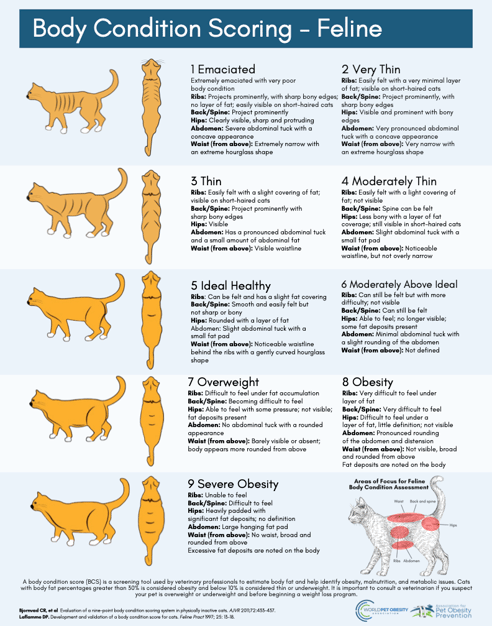
A cat’s coat should be clean and shiny. Dull or patchy fur may signal health issues. Check your cat’s eyes—they should be bright and clear. Redness or discharge can mean infection. Also, look at the skin for lumps or sores. Healthy cats keep a good weight, not too thin or overweight.
Behavioral Changes
Healthy cats are active and alert. Sudden hiding or aggression suggests discomfort. Changes in sleeping patterns can mean stress or illness. Watch for unusual vocalizing or restlessness. Cats in pain may stop grooming themselves. These behavior shifts often point to health problems.
Appetite And Hydration
A steady appetite is a key health sign. Loss of interest in food can show illness. Cats need fresh water daily to stay hydrated. Monitor how much your cat drinks each day. Excessive thirst or lack of drinking needs attention. Proper nutrition and hydration keep cats strong.
Health Checkups And Assessments
Health checkups and assessments are vital for understanding a cat’s overall health. These evaluations help detect problems early. They also track changes in the cat’s condition over time. Regular assessments keep cats healthy and active.
Routine Vet Exams
Routine vet exams are the foundation of cat health care. Vets check weight, temperature, and coat condition. They look for signs of illness or injury. These exams include dental checks and vaccinations. Regular visits help prevent many common cat diseases.
Diagnostic Tests
Diagnostic tests provide detailed information about a cat’s health. Blood tests check organ function and detect infections. Urine tests help assess kidney health and hydration. X-rays and ultrasounds reveal internal problems. These tests guide treatment and care plans.
Health Scoring Systems
Health scoring systems give a clear picture of a cat’s well-being. Scores may cover weight, mobility, and behavior. They help track health changes over time. Scores assist vets in making better care decisions. This system supports personalized care for every cat.

Credit: www.morrisanimalfoundation.org
Factors Influencing Cat Health
Overall health of a cat is called its “well-being. ” Factors like diet, exercise, and regular vet visits shape this well-being. Good care helps cats stay active and happy.
Understanding the factors influencing your cat’s health is crucial in ensuring a long and happy life for your feline friend. Just like humans, cats thrive when their needs are met in various aspects of life. From what they eat to their genetic makeup, each factor plays a pivotal role in their overall well-being. Let’s delve into the key elements that can help you maintain your cat’s health optimally.Diet And Nutrition
A well-balanced diet is the cornerstone of your cat’s health. Cats are obligate carnivores, meaning they need high amounts of protein to thrive. Ensure their meals contain quality meat-based proteins and essential fatty acids. Avoid feeding your cat excessive carbohydrates. Too many carbs can lead to obesity, which is a growing concern among domestic cats. Consult your vet about the best food options tailored to your cat’s specific needs.Environment And Lifestyle
A cat’s environment significantly affects its health. Cats need mental and physical stimulation to prevent boredom and stress. Interactive toys and regular playtime can keep your cat engaged and active. Ensure your home is a safe haven. Remove toxic plants and secure dangerous objects. A stress-free environment can reduce the risk of behavioral issues and enhance your cat’s overall well-being.Genetics And Age
Genetics can predispose cats to certain health conditions. Be aware of any hereditary diseases common in your cat’s breed. Regular veterinary check-ups can help catch genetic issues early. Age is another critical factor. As cats age, their needs change. Senior cats may require special diets or supplements to maintain their health. Recognizing these needs early on can make a significant difference in their quality of life. Are you equipped to meet the health needs of your feline companion? Taking proactive steps in these areas can lead to a happier, healthier life for your cat.Common Health Issues In Cats
Understanding the common health issues in cats is key to maintaining their overall well-being. Cats can face a variety of health challenges, some of which may not show obvious signs until they become serious. Knowing what to watch for can help you act quickly and keep your feline friend healthy and happy.
Infectious Diseases
Infectious diseases can spread quickly among cats and sometimes even to humans. Common infections include feline calicivirus, feline herpesvirus, and feline immunodeficiency virus (FIV). These illnesses often cause symptoms like sneezing, coughing, or lethargy.
If your cat shows signs of infection, prompt veterinary care is crucial. Vaccinations help prevent many of these diseases. Have you checked your cat’s vaccination schedule recently?
Chronic Conditions
Chronic conditions like kidney disease, diabetes, and arthritis can affect cats as they age. These illnesses often develop slowly and may be mistaken for normal aging. Recognizing early symptoms such as increased thirst, weight loss, or difficulty moving can make a big difference.
Managing chronic conditions requires regular vet visits and sometimes medication. Keeping track of your cat’s behavior and habits can help detect problems early. How closely do you monitor your cat’s daily routine?
Preventive Measures
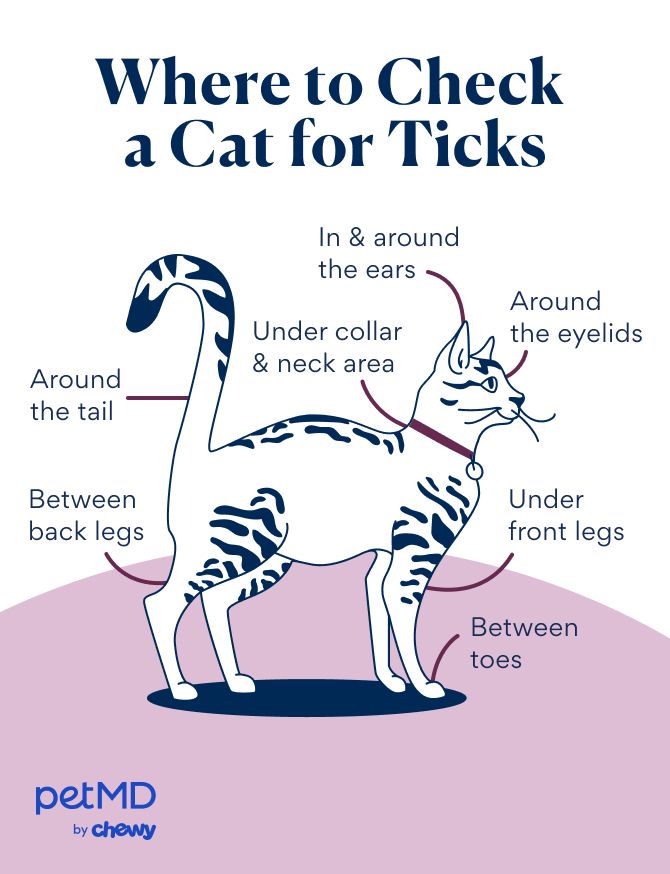
Preventive care is your best tool against many health problems. Regular check-ups, a balanced diet, and parasite control reduce risks significantly. Simple actions like brushing your cat’s teeth and grooming can also prevent issues.
Consider creating a health checklist for your cat to stay organized. What small changes can you make today to improve your cat’s health tomorrow?
Improving Overall Cat Health
Improving the overall health of your cat takes more than just feeding and occasional petting. It involves a thoughtful approach to their diet, activity, and medical care. Paying close attention to these areas can help your feline friend live a happier, longer life.
Balanced Diet Plans
What you feed your cat directly impacts their energy and well-being. Cats need a diet rich in protein, with essential nutrients like taurine, vitamins, and minerals.
Consider adding wet food to their meals to increase hydration. Avoid foods with fillers like corn or excessive carbohydrates, as these can cause weight gain or digestive issues.
- Choose high-quality commercial cat food or prepare vet-approved homemade meals.
- Maintain portion control to prevent obesity.
- Introduce new foods gradually to avoid upsetting their stomach.
Exercise And Mental Stimulation
Cats require regular exercise to keep muscles toned and minds sharp. Without it, they risk obesity and boredom, which can lead to destructive behaviors.
Try interactive toys, laser pointers, or puzzle feeders to engage your cat daily. Even simple activities like a paper bag or a cardboard box can entertain and stimulate curiosity.
- Set aside 15-20 minutes each day for playtime.
- Rotate toys to maintain interest.
- Observe which activities your cat enjoys most and build on those.
Regular Vet Visits
Skipping vet appointments can cost your cat’s health in the long run. Regular check-ups catch problems early when they’re easier to treat.
Vaccinations, dental care, and parasite prevention are crucial parts of these visits. Don’t wait for symptoms; preventive care keeps your cat feeling their best.
- Schedule annual or bi-annual check-ups depending on your cat’s age and health.
- Keep a health journal to track changes and concerns.
- Ask your vet for advice tailored to your cat’s lifestyle and breed.
Credit: www.petmd.com
Frequently Asked Questions
What Is The Term For A Cat’s Overall Health?
The term for a cat’s overall health is “body condition. ” It reflects the cat’s physical state, weight, and wellbeing. Regular vet visits help assess this condition accurately. Good body condition indicates proper nutrition and absence of illness.
How Do Vets Assess A Cat’s Health Status?
Vets assess a cat’s health using physical exams, blood tests, and behavior observation. They check weight, coat quality, and vital signs. These methods provide a clear picture of the cat’s overall health and help detect early issues.
Why Is Monitoring A Cat’s Body Condition Important?
Monitoring a cat’s body condition helps detect health problems early. It ensures the cat maintains a healthy weight and prevents obesity or malnutrition. Regular checks improve the cat’s lifespan and quality of life.
What Factors Influence A Cat’s Overall Health?
A cat’s health depends on diet, exercise, genetics, and environment. Proper nutrition and regular vet care are essential. Stress and poor living conditions negatively impact health. Balanced care supports a cat’s overall wellbeing.
Conclusion
Knowing your cat’s overall health helps you care for them better. Regular check-ups and attention keep your cat happy and strong. Watch for changes in behavior, eating, or energy levels. Good health means a longer, joyful life for your pet.
Take small steps to support your cat’s wellness every day. Healthy cats bring comfort and love to your home. Caring for their health shows how much you care. Simple actions make a big difference in your cat’s life. Stay aware and enjoy many happy moments together.



Leave a Reply