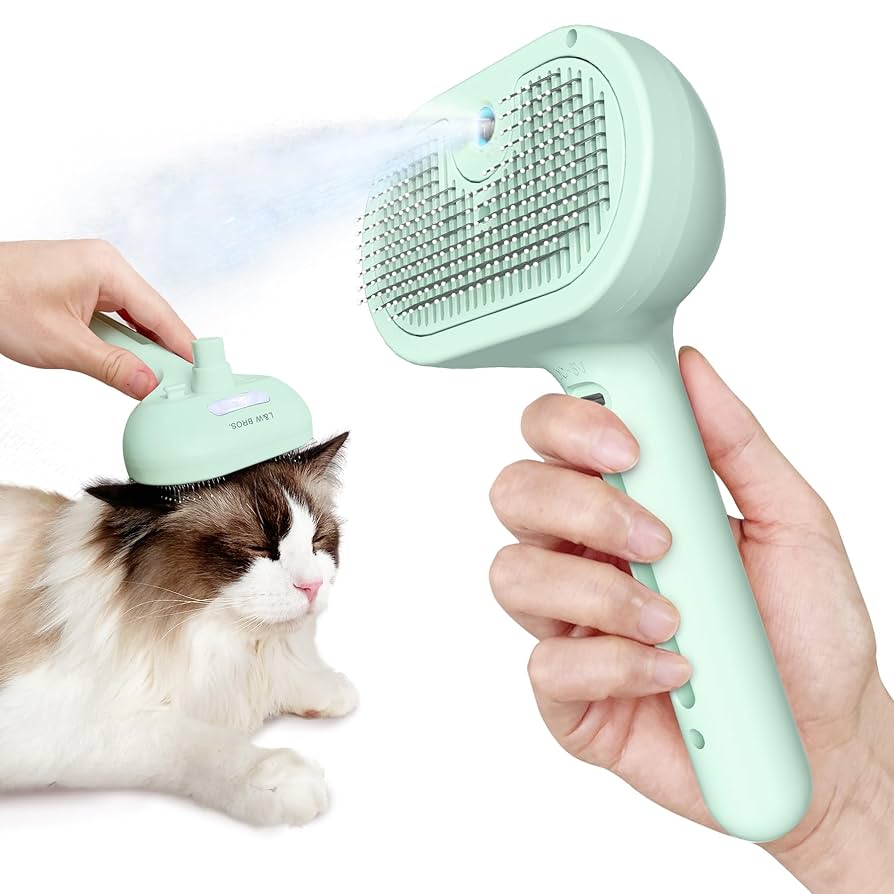
If you want your cat to look and feel its best, choosing the right grooming brush is key. But with so many options out there, how do you know which one is the best cat grooming brush for your furry friend?
You might be wondering which brush will keep your cat’s coat shiny, reduce shedding, and make grooming time a bonding experience—not a struggle. You’ll discover exactly what to look for and which brushes stand out from the rest. Keep reading to find the perfect match for your cat’s needs and make grooming easier for both of you.
Credit: www.chewy.com
Benefits Of Regular Grooming
Regular grooming offers many benefits for both cats and their owners. It keeps your cat healthy and happy. Grooming also helps prevent common skin problems. The right grooming brush makes this task easier and more effective.
Improved Coat Health
Brushing removes dirt and loose fur from your cat’s coat. This helps prevent mats and tangles. It spreads natural oils across the fur. These oils keep the coat shiny and soft. Healthy fur protects your cat’s skin from irritations.
Reduced Shedding
Regular grooming cuts down on loose hair around your home. It catches dead fur before it falls off. This means less hair on furniture and clothes. Brushing often reduces hairballs too. Your cat stays cleaner and your house too.
Enhanced Bonding Time
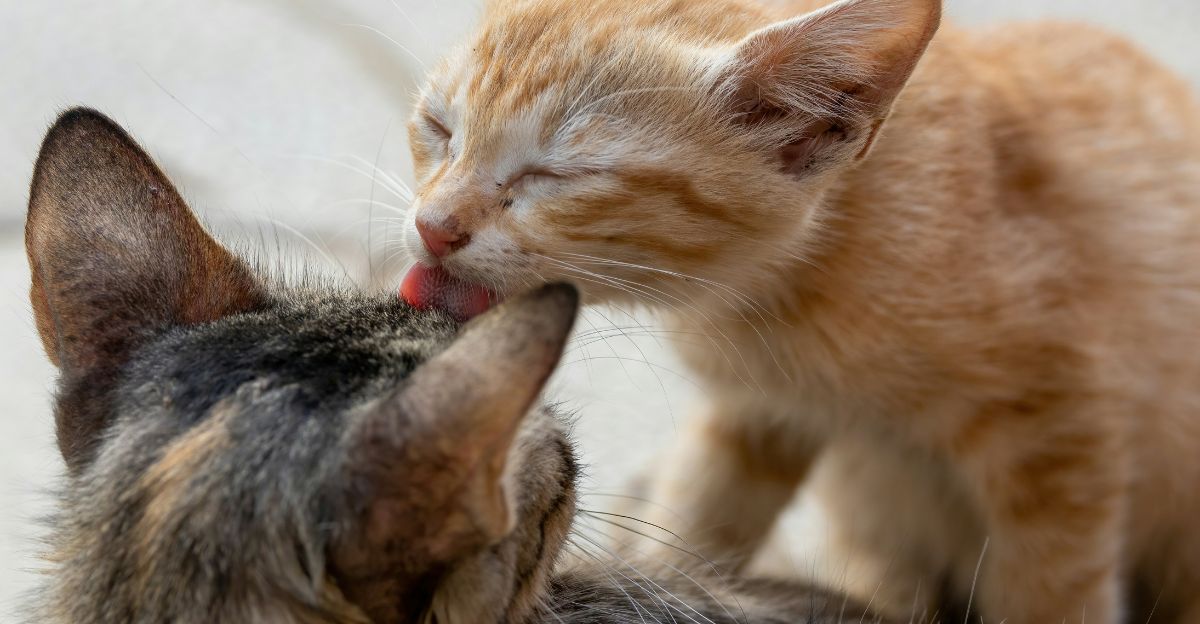
Grooming creates quiet, calm moments with your cat. It builds trust and comfort between you. Cats often enjoy the gentle touch and attention. These times strengthen your relationship. Grooming can become a special daily routine both enjoy.
Credit: www.chewy.com
Types Of Cat Grooming Brushes
Choosing the right cat grooming brush helps keep your pet healthy and happy. Different brushes serve unique purposes. Some remove loose fur, while others smooth the coat or massage the skin. Understanding each type makes grooming easier and more effective.
Slicker Brushes
Slicker brushes have fine, short wires close together. They remove mats, tangles, and loose fur. These brushes work well on medium to long-haired cats. Use gentle strokes to avoid hurting your cat’s skin.
Bristle Brushes
Bristle brushes have soft or firm bristles. They smooth the coat and spread natural oils. These brushes are good for short-haired cats. They give a shiny, clean look to your cat’s fur.
Rubber Brushes
Rubber brushes have soft rubber teeth or nubs. They gently remove loose hair and dirt. These brushes also massage the skin, boosting blood flow. Perfect for cats with sensitive skin or short fur.
Deshedding Tools
Deshedding tools reach deep under the topcoat. They remove loose undercoat hair before it sheds. These tools reduce shedding and hairballs. Use carefully to keep your cat comfortable during grooming.
Key Features To Consider
Choosing the right cat grooming brush can enhance your pet’s grooming experience. It’s important to consider key features that make a brush effective and comfortable. A well-chosen brush not only keeps your cat’s fur neat but also ensures their safety and comfort. Here are some essential features to look for in a cat grooming brush.
Brush Material And Durability
The material of the brush affects its performance and longevity. Look for brushes made from high-quality materials. Stainless steel bristles are durable and effective for detangling. Rubber or silicone brushes are gentle and suitable for sensitive skin. Ensure the handle is sturdy and comfortable to hold.
Ease Of Cleaning
A brush that is easy to clean saves time and effort. Consider brushes with self-cleaning buttons. These allow hair to be removed with a single push. Detachable heads or bristles make cleaning simpler. Regular cleaning ensures hygiene and prolongs the brush’s life.
Comfort And Safety
Your cat’s comfort should be a top priority. Choose brushes with rounded tips to prevent scratching. Ergonomic handles provide a comfortable grip during grooming sessions. Ensure the brush design minimizes pulling or snagging of fur.
Suitability For Cat Fur Types
Cats have different fur types requiring specific brushes. Short-haired cats benefit from soft-bristled brushes. Long-haired breeds need brushes with longer bristles. Consider the density of your cat’s fur for the best results. A suitable brush ensures effective grooming without discomfort.
Top Cat Grooming Brushes Reviewed
Choosing the right grooming brush can make a huge difference in your cat’s comfort and coat health. Not all brushes work the same for every cat, especially when you consider factors like fur length and skin sensitivity. Here’s a look at some top cat grooming brushes, each excelling in a different category to help you find the perfect match for your feline friend.
Best Overall Brush
The Safari Self-Cleaning Slicker Brush stands out as a versatile choice. It gently removes loose hair and detangles mats without irritating your cat’s skin. Many cat owners love how easy it is to clean the brush with a simple button press, saving time and effort after grooming sessions.
Best For Long-haired Cats
The Furminator deShedding Tool is a favorite among owners of long-haired cats. It reaches deep into the undercoat to reduce shedding significantly. If your cat has thick fur that often tangles, this tool can help keep the coat smooth and manageable.
Best For Sensitive Skin
The Hertzko Pet Grooming Brush is designed with soft, rounded bristles that are kind to sensitive skin. It removes loose fur while providing a soothing massage your cat will actually enjoy. If your cat shies away from grooming, this brush might just change their mind.
Best Budget Option
The Pecute Cat Brush offers great value without compromising on quality. Its ergonomic design and fine bristles work well for daily grooming and light detangling. If you’re looking for an affordable brush to keep your cat’s coat tidy, this one fits the bill perfectly.
Tips For Grooming Your Cat
Grooming your cat is more than just keeping their coat shiny; it’s a bonding experience that supports their health. Knowing how to approach grooming can make the process smoother for both you and your feline friend. Let’s dive into some practical tips to help you master the art of cat grooming.
How To Introduce The Brush
Start by letting your cat sniff and explore the brush without any pressure. Place the brush near their favorite resting spot so it becomes a familiar object. Gently stroke them with your hand before switching to the brush to build trust.
If your cat resists, try brushing for just a few seconds and gradually increase the time. Reward your cat with treats or gentle praise after each session to create positive associations. Have patience—some cats take longer to accept grooming tools than others.
Ideal Grooming Frequency
How often you groom depends on your cat’s coat type and lifestyle. Short-haired cats usually need brushing once a week, while long-haired breeds benefit from daily sessions to prevent tangles. Outdoor cats may require more frequent grooming to remove dirt and debris.
Observe your cat’s coat and skin condition. If you notice excessive shedding or mats forming, increase the grooming frequency. Adjust your routine to what feels comfortable for your cat without causing stress.
Handling Mats And Tangles
Mats can be painful and uncomfortable for your cat, so address them promptly. Use a dematting comb or your fingers to gently tease apart small tangles before brushing. For stubborn mats, apply a detangling spray designed for cats to ease the process.
Never pull hard on mats, as this can hurt your cat and damage their fur. If mats are severe, consider seeking professional grooming help. Regular brushing helps prevent mats and keeps your cat comfortable and happy.

Credit: www.amazon.com
Common Grooming Mistakes To Avoid
Grooming your cat is more than just a routine task—it’s a way to bond and keep your furry friend healthy. However, many pet owners make simple mistakes that can make grooming stressful for both the cat and themselves. Avoiding these common errors will make brushing a pleasant experience and help you choose the best cat grooming brush for your pet.
Brushing Too Hard
Applying too much pressure while brushing can hurt your cat and damage their fur. Cats have sensitive skin that can easily become irritated or scratched if you brush too roughly.
Try using gentle, slow strokes instead of harsh, fast ones. Imagine how you’d feel if someone brushed your hair roughly—would you want to keep sitting still? Your cat feels the same way.
Using The Wrong Brush
Not all brushes work for every cat. Using a brush with bristles that are too stiff or too soft can either hurt your cat or fail to remove loose fur effectively.
Consider your cat’s coat type before picking a brush. Short-haired cats usually do well with bristle brushes, while long-haired cats benefit from slicker brushes or combs. Have you checked if your brush matches your cat’s coat?
Ignoring Your Cat’s Preferences
Every cat has its own comfort zone and grooming preferences. Ignoring how your cat reacts during brushing can lead to stress or avoidance.
Watch your cat’s body language and adjust your technique accordingly. Does your cat relax when you brush a certain area? Focus there first and gradually move to other spots. Respecting your cat’s limits can build trust and make grooming easier over time.
Frequently Asked Questions
What Is The Best Cat Grooming Brush For Shedding?
The best cat grooming brush for shedding is a slicker brush. It removes loose fur and reduces hairballs effectively. It’s gentle on your cat’s skin and helps keep their coat clean and healthy.
How Often Should I Groom My Cat With A Brush?
You should groom your cat 2-3 times a week. Regular brushing prevents matting, reduces shedding, and promotes healthy skin. Long-haired cats may need daily grooming to avoid tangles.
Can Grooming Brushes Help Reduce Cat Hair Around The House?
Yes, grooming brushes significantly reduce loose hair in your home. Regular brushing collects shedding fur before it spreads. This keeps your furniture and clothes cleaner.
Which Grooming Brush Is Best For Long-haired Cats?
A wide-toothed comb combined with a slicker brush is ideal. It detangles knots gently and removes loose fur without hurting your cat. This combo keeps long coats smooth and mat-free.
Conclusion
Choosing the right cat grooming brush helps keep your pet healthy and happy. A good brush removes loose fur and reduces shedding. It also prevents hairballs and skin problems. Think about your cat’s coat type before buying. Soft bristles work well for short hair.
For long hair, use a brush with firm pins. Regular grooming builds trust between you and your cat. It turns grooming time into a calm, enjoyable routine. Keep your cat comfortable and clean with the best brush. Simple tools make a big difference in pet care.

Leave a Reply