Choosing the best cat breed can make your pet experience happier and easier. Different breeds have unique needs and personalities.
Cats are wonderful companions, but each breed has traits that suit different lifestyles. Some cats are active and playful, while others prefer calm and quiet. Knowing the breed’s behavior helps you find a cat that matches your daily routine and home environment.
Also, understanding their care needs, like diet and grooming, keeps your cat healthy and happy. This guide will help you learn about popular cat breeds and what makes each one special. Finding the right cat breed means a better bond and a more joyful life for both you and your new furry friend.
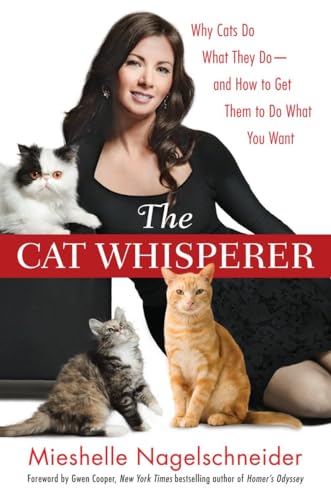
The Cat Whisperer

The Cat Whisperer: Why Cats Do What They Do–and How to Get Them to Do What You Want is ideal for cat owners and animal behavior enthusiasts who want to deepen their understanding of feline behavior. If you’re looking to improve communication with your cat and foster a more harmonious relationship, this book provides insightful techniques and explanations tailored to your needs.
Pros:
- Offers detailed explanations of cat behavior and psychology
- Provides practical advice on training and managing cats
- Written by an experienced animal behaviorist
- Includes real-life examples and case studies
- Compact and easy-to-carry 336-page edition
Cons:
- Some techniques may require patience and consistency to see results
- Not a quick-fix guide; behavioral changes take time
- Primarily focused on cats, so not useful for other pets
This book covers the fascinating world of feline behavior with clarity and depth, making it an essential resource for anyone committed to understanding why cats act the way they do. Its comprehensive approach breaks down complex behavioral patterns and offers actionable strategies, enabling readers to influence their cats’ actions positively. The detailed insights into cat psychology empower owners to address issues such as aggression, anxiety, and communication barriers effectively.
Furthermore, the practical benefits of applying the techniques in this guide include enhanced bonding, reduced stress for both cat and owner, and a more peaceful home environment. The book’s multicolor edition and well-organized content make it easy to follow, while its moderate size ensures it’s convenient to keep on hand for quick reference. Overall, this title from Bantam is a valuable investment for anyone serious about improving their relationship with their feline companion.
What Cats Should Eat

Ideal for cat owners who are committed to providing the best nutrition for their feline companions, What Cats Should Eat: A Holistic Veterinarian’s Guide to Your Cat’s Optimal Diet is perfect for those seeking a comprehensive, science-based approach to feline health. This guide is especially useful for individuals who want to understand the importance of diet in preventing common cat illnesses and promoting overall wellness.
Pros:
- Written by a respected holistic veterinarian with deep expertise
- Offers a detailed, practical approach to creating a balanced diet for cats
- Includes 333 pages of well-researched information covering various feline dietary needs
- Helps readers understand how to tailor diets to individual cats’ health conditions
- Published by a reputable source, www.vetwisepublishing.com, ensuring trustworthy content
Cons:
- Some information may be too detailed for casual readers looking for quick tips
- The book was published in 2014, so some newer research may not be included
- Primarily focused on holistic approaches, which may not appeal to all pet owners
This guide delves deeply into the essential nutrients that cats require, highlighting the importance of high-quality proteins, fats, and moisture in their diet. It explains why commercial cat foods often fall short and provides alternatives that emphasize natural, whole-food ingredients. By following the advice in this book, readers can better understand how diet influences their cat’s immune system, energy levels, and longevity.
In addition to nutritional science, the book offers insights into recognizing food allergies, digestive issues, and other health concerns related to diet. With clear explanations and actionable recommendations, it empowers cat owners to make informed choices that promote their pet’s optimal health. Overall, this comprehensive guide is an invaluable resource for anyone looking to enhance their cat’s quality of life through proper nutrition.
Frequently Asked Questions
What Cat Breed Suits A First-time Cat Owner?
For first-time owners, breeds like Ragdolls and British Shorthairs are ideal. They are gentle, adaptable, and easy to train. These cats enjoy companionship and adjust well to new environments, making them perfect for beginners seeking a loving and low-maintenance pet.
How Do Cat Breeds Differ In Behavior?
Cat breeds vary in activity, sociability, and independence. Some, like Siamese, are vocal and social, while Persians are calm and reserved. Understanding these traits helps match a cat’s personality with your lifestyle and preferences, ensuring a harmonious pet-owner relationship.
What Diet Is Best For Different Cat Breeds?
A balanced diet tailored to breed-specific needs is essential. Active breeds may require high-protein meals, while less active cats benefit from controlled calorie intake. Consulting a holistic veterinarian can help create an optimal diet plan to support your cat’s health and longevity.
Can I Train Any Cat Breed Easily?
Most cat breeds can be trained with patience and consistency. Breeds like Abyssinians and Bengals respond well to training due to their intelligence and curiosity. Using positive reinforcement techniques encourages desired behaviors effectively across all breeds.
How Do I Choose A Cat Breed For My Lifestyle?
Consider your activity level, home environment, and time for care. Active individuals may prefer energetic breeds like the Bengal, while quieter breeds suit calm homes. Matching your lifestyle with a cat’s needs ensures a happy and healthy partnership.
Are Some Cat Breeds Healthier Than Others?
Certain breeds are predisposed to specific health issues, like Persians with respiratory problems. Mixed breeds often have fewer genetic risks. Regular vet check-ups and a proper diet help maintain your cat’s health regardless of breed.
Conclusion
Choosing the best cat breed depends on your lifestyle, home, and personality. Each breed has its own needs and traits. Some cats are active and playful, while others prefer calm and quiet. Think about how much time you can spend with your cat.
Consider your living space too. Remember, feeding your cat the right food is important for their health and happiness. Understanding why cats behave a certain way helps build a strong bond. Patience and love make all the difference. The right cat can bring joy and comfort to your life.
Take your time to learn about breeds and care tips. Then, you will find the perfect furry friend for you. A happy cat makes a happy home. Simple choices lead to a great friendship.




Leave a Reply