Are you wondering how to keep your cat looking and feeling their best? Understanding what normal cat grooming involves is the first step.
Grooming isn’t just about keeping fur clean—it’s key to your cat’s health and happiness. You’ll discover simple, effective ways to care for your furry friend that will make a real difference. Keep reading to learn the secrets to smooth fur, a happy cat, and fewer vet visits.
Your cat deserves the best, and it starts with knowing what normal grooming really means.
Benefits Of Regular Grooming
Regular grooming offers more than just a clean and neat appearance for your cat. It actively supports your pet’s overall health and comfort. You might notice your cat feeling happier and more relaxed after a grooming session, which is no coincidence.
Improved Coat Health
Grooming helps distribute natural oils throughout your cat’s fur. This keeps the coat shiny and prevents dryness or flakiness. You may see fewer dull patches or rough areas, which means your cat’s skin is getting the care it needs.
Reduced Shedding
Frequent brushing removes loose hair before it falls around your home. This cuts down on the amount of fur on your furniture and clothes. Plus, it can reduce the chances of hairballs forming in your cat’s stomach.
Prevention Of Matting
Mats can be painful and trap dirt or moisture close to your cat’s skin. Regular grooming stops these tangles from forming in the first place. It also makes your cat more comfortable and less likely to scratch or bite at irritated spots.
Early Detection Of Health Issues
While grooming, you get a chance to check your cat’s skin, ears, and nails closely. You might spot lumps, bumps, or wounds early on. Catching these issues quickly means you can get your vet involved before problems worsen.
Basic Grooming Tools
Basic grooming tools are essential for keeping your cat healthy and comfortable. They help remove dirt, loose hair, and prevent mats and tangles. Having the right tools makes grooming easier and more enjoyable for both you and your cat.
Types Of Brushes And Combs
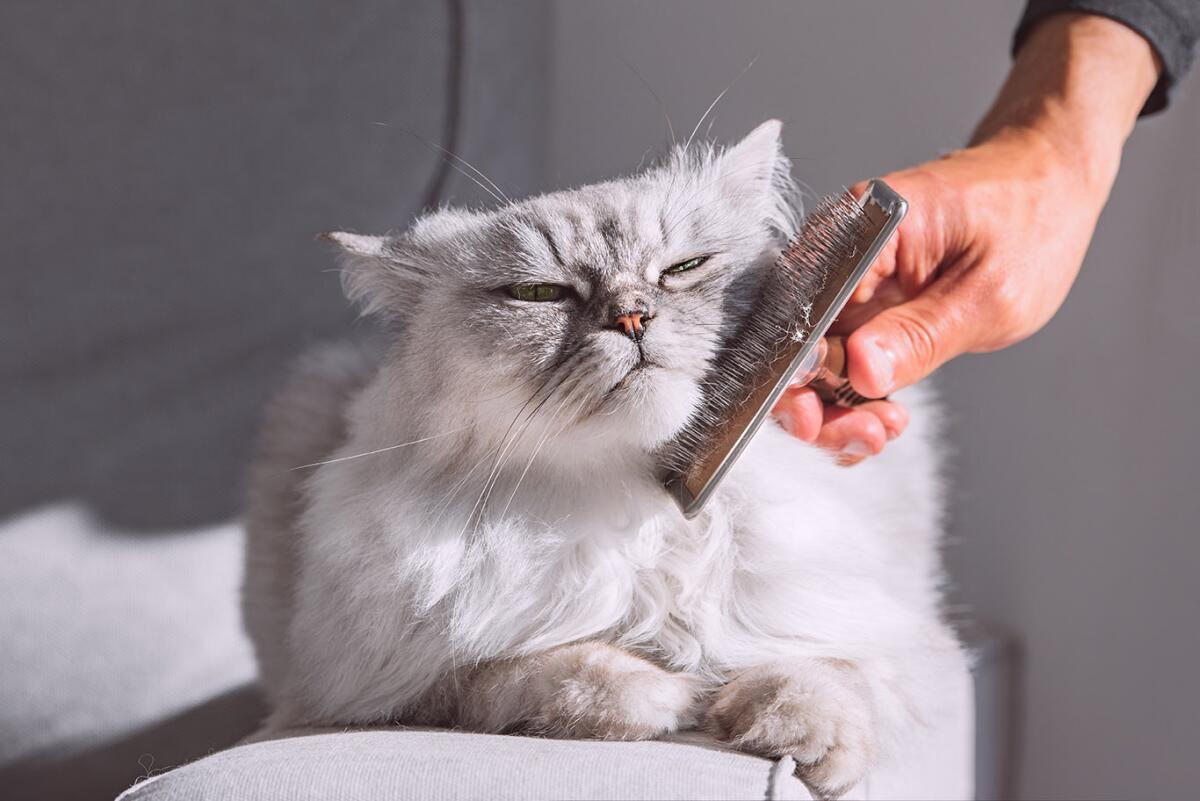
Choosing the right brush depends on your cat’s coat type. A slicker brush works well for long-haired cats to remove tangles and mats. For short-haired breeds, a bristle brush helps remove loose fur and stimulates the skin.
Combs are great for checking your cat’s coat for fleas or debris. A wide-tooth comb is perfect for detangling, while a fine-tooth comb can catch smaller particles. Have you noticed how your cat reacts differently to each brush? Their preference can guide your choice.
Nail Clippers And Trimmers
Regular nail trimming prevents scratching injuries and damage to furniture. Use clippers designed specifically for cats to avoid splitting nails. If your cat resists, try trimming just one or two nails at a time to ease the process.
Some prefer scissor-style trimmers for precision, while others find guillotine clippers quicker. Which type feels safer and easier for you to handle? Your comfort affects how often you groom.
Shampoos And Conditioners
Not all shampoos are safe for cats. Choose products formulated specifically for feline skin to avoid irritation. A gentle conditioner can help keep the coat soft and shiny, especially for long-haired cats.
Bathing your cat isn’t always necessary, but when you do, warm water and patience are key. Have you tried a no-rinse waterless shampoo for a quick freshen-up? It can be a handy alternative on busy days.
Ear And Eye Cleaning Supplies
Clean ears and eyes prevent infections and discomfort. Use vet-approved wipes or solutions designed for cats to gently remove dirt and discharge. Avoid inserting anything deep into the ear canal to prevent injury.
Regular inspection helps catch problems early. When was the last time you checked your cat’s ears and eyes? Making this a habit can save you from costly vet visits later.
Daily Grooming Practices
Daily grooming keeps your cat clean and healthy. It helps prevent mats and skin issues. Regular care also strengthens your bond with your pet. Simple grooming tasks can fit into your daily routine easily.
Brushing Techniques
Use a soft brush for short-haired cats and a comb for long-haired ones. Brush gently in the direction of hair growth. Pay attention to areas behind ears and under the legs. Brushing removes loose fur and reduces shedding. It also helps spread natural oils, keeping the coat shiny.
Checking For Parasites
Look closely at your cat’s skin and fur for fleas or ticks. Check around the neck, belly, and base of the tail. Parasites cause itching and discomfort. Early detection allows quick treatment and prevents infestation. Use a fine-toothed comb to catch tiny pests or flea dirt.
Cleaning Eyes And Ears
Use a damp, soft cloth to wipe your cat’s eyes gently. Remove any discharge or crust carefully. For ears, use a cotton ball slightly moistened with a vet-approved cleaner. Avoid pushing deep inside the ear canal. Regular cleaning helps prevent infections and keeps your cat comfortable.
Bathing Your Cat
Bathing your cat may sound daunting, but it’s sometimes necessary to keep them clean and healthy. Unlike dogs, cats usually groom themselves well, so baths aren’t a frequent need. However, certain situations call for a careful wash to remove dirt, allergens, or even pests.
When To Bathe
Bathing your cat is not a routine task. Only consider it if your cat is visibly dirty, has come into contact with something toxic, or suffers from skin conditions that require medicated baths.
Does your cat have oily fur or a strong odor despite regular grooming? That might be a sign it’s time for a bath. Also, older or obese cats may struggle to groom themselves properly, so occasional bathing can help.
Choosing The Right Shampoo
Using the right shampoo matters a lot. Human shampoos or harsh detergents can irritate your cat’s sensitive skin and cause discomfort.
Look for shampoos specifically formulated for cats, ideally ones that are gentle, hypoallergenic, and free of strong fragrances. If your cat has a skin condition, ask your vet for a recommended medicated shampoo.
Safe Bathing Methods
Safety and calmness are key when bathing your cat. Prepare everything beforehand: shampoo, a cup for rinsing, and a towel. Use lukewarm water and keep the bath area quiet to reduce stress.
- Place a rubber mat or towel in the sink or tub to prevent slipping.
- Wet your cat slowly, avoiding the head and ears.
- Apply shampoo gently, lathering without scrubbing hard.
- Rinse thoroughly to avoid residue that can irritate skin.
- Wrap your cat in a towel and gently pat dry.
Have you noticed how some cats react differently to baths? Their response can tell you a lot about how to approach the next one. Patience and gentle handling often make the experience better for both of you.
Nail Care Tips
Normal cat grooming includes brushing fur, trimming nails, and cleaning ears regularly. It helps keep cats healthy and comfortable. Regular grooming prevents mats and reduces shedding around the house.
Caring for your cat’s nails is an essential part of normal grooming. Not only does it keep your feline friend comfortable, but it also protects your furniture from unwanted scratches. As a cat owner, understanding nail care tips can make the process smoother and more enjoyable for both you and your pet.Frequency Of Trimming
Regular trimming is crucial to prevent your cat’s nails from becoming too long. You might wonder how often you should cut them. Generally, trimming every 2-4 weeks is ideal, but this can vary depending on your cat’s lifestyle and age. Indoor cats might need more frequent trims compared to outdoor cats who naturally wear their nails down. Keep an eye on the length and adapt as needed.Proper Trimming Techniques
Nail trimming doesn’t have to be a daunting task. Start by choosing the right tools, such as a pair of cat nail clippers. Ensure your cat is calm and relaxed before you begin. Gently press the paw to extend the nail, and look for the pink area known as the quick. Avoid cutting into the quick, as it can be painful and cause bleeding. Trim just the tip of the nail, making small cuts to avoid accidents. If you’re unsure, ask your vet to demonstrate the first time.Dealing With Nail Injuries
Accidents happen, and sometimes you might cut too close to the quick. If this occurs, don’t panic. Have some styptic powder or cornstarch on hand to stop the bleeding. Apply it gently to the affected area. Keep an eye on the nail for signs of infection, such as swelling or discharge. If you notice anything unusual, seek veterinary advice. Remember, staying calm and prepared can make all the difference.Handling Grooming Challenges
Handling grooming challenges is often the trickiest part of caring for your cat. Each cat reacts differently, and some might resist or become stressed during grooming. Understanding how to manage these challenges can make the process smoother for both you and your feline friend.
Managing Fear And Anxiety
Cats can quickly become fearful during grooming, especially if they’re not used to it. You can ease their anxiety by creating a calm environment—soft lighting and quiet sounds help. Try offering treats or gentle petting before and after grooming to build positive associations.
Have you noticed your cat hiding or trembling when you bring out the brush? That’s a clear sign to slow down. Short, frequent sessions work better than long ones that overwhelm your cat.
Grooming Long-haired Cats
Long-haired cats need extra attention to prevent matting and tangles. Use a wide-toothed comb first to gently detangle, then follow up with a slicker brush to smooth the coat. If mats are tight, carefully cut them out or seek professional help to avoid hurting your cat.
Patience is key here. You might need to break grooming into multiple sessions to keep your cat comfortable. Have you tried using detangling sprays designed for pets? They can make brushing easier and less stressful.
Dealing With Aggressive Behavior
Aggression during grooming often stems from fear or discomfort. Watch for signs like hissing, swatting, or growling to avoid sudden bites or scratches. Using a calm voice and slow movements can sometimes reduce your cat’s defensiveness.
If aggression persists, consider using protective gloves or a towel wrap for safety. Sometimes, grooming with a helper can make the process safer and less stressful for both you and your cat. Do you feel confident enough to handle an aggressive cat, or is it time to call a professional groomer?
Diet And Grooming Connection
The connection between diet and grooming is vital for a cat’s overall health. What a cat eats directly affects its fur and skin condition. A balanced diet supports natural grooming habits and helps maintain a shiny coat. Poor nutrition can lead to dull fur and skin problems.
Nutrition For Healthy Fur
Proteins provide the building blocks for strong hair growth. Cats need animal-based proteins like chicken, fish, or beef. Essential fatty acids, such as omega-3 and omega-6, keep fur soft and shiny. Vitamins A, E, and biotin support skin repair and fur health.
- High-quality protein sources
- Fatty acids for coat shine
- Vitamins for skin and fur
A diet rich in these nutrients helps reduce shedding and prevents fur from becoming brittle.
Hydration And Skin Health
Water plays a key role in skin elasticity and moisture. Well-hydrated skin reduces itchiness and flaking. Cats often drink less water naturally, so wet food can boost hydration. Proper hydration supports the skin’s barrier, preventing dryness and irritation.
- Fresh water available at all times
- Wet food to increase fluid intake
- Hydrated skin resists infections
Keeping your cat hydrated helps maintain a healthy, glossy coat and smooth skin.
When To Seek Professional Help
Professional help is needed if your cat shows signs of skin problems or matting that you cannot manage. Difficulty in handling your cat during grooming is another reason to seek expert care. Regular vet visits ensure your cat’s coat stays healthy and clean.
Caring for your cat’s grooming needs is an essential part of being a pet owner. While many grooming tasks can be handled at home, there are times when professional help is the best option. Knowing when to seek expert grooming can make a significant difference in your cat’s overall health and happiness. But how do you know when it’s time to call in the pros?Signs Your Cat Needs Expert Grooming
Even the most dedicated cat owners may find themselves in situations where professional grooming is needed. If you notice persistent matting that you can’t handle on your own, it’s time to seek help. Cats with long hair, like Persians or Maine Coons, are particularly prone to this issue. Look out for excessive shedding despite regular brushing. This might indicate a skin condition that needs more attention than simple home care. Additionally, any unusual odor coming from your cat could be a sign of an underlying problem. Behavioral changes, such as your cat becoming more aggressive or withdrawn, might mean they’re uncomfortable due to grooming issues. Observing these signs early can prevent further complications.Choosing A Grooming Service
Finding the right grooming service is crucial for your cat’s well-being. Start by asking for recommendations from friends or your veterinarian. Reviews from other cat owners can offer valuable insights into the quality of service. Visit the grooming facility before making a decision. Ensure it is clean, well-organized, and that the staff is knowledgeable about cat grooming. A good groomer will be patient and attentive to your cat’s needs. Consider the services offered. Some groomers specialize in specific breeds or types of grooming services. Make sure the facility offers what your cat needs, whether it’s a simple trim or more comprehensive care. Choosing a professional groomer is not just about convenience; it’s about ensuring your cat receives the best care possible. Wouldn’t you agree that your furry friend’s comfort is worth the extra effort?Frequently Asked Questions
What Does Normal Cat Grooming Include?
Normal cat grooming includes brushing, nail trimming, ear cleaning, and occasional bathing. It keeps their coat healthy and reduces shedding.
How Often Should You Groom A Cat?
Cats should be groomed at least once a week. Long-haired breeds may require daily grooming for best care.
Why Is Regular Cat Grooming Important?
Regular grooming prevents matting, reduces hairballs, and promotes healthy skin. It also helps detect health issues early.
Can Grooming Improve A Cat’s Behavior?
Yes, grooming can calm cats and reduce stress. It strengthens the bond between cats and their owners.
Conclusion
Regular cat grooming keeps your pet healthy and happy. It helps remove dirt, loose fur, and prevents mats. Grooming also lets you check for skin problems or pests early. Most cats enjoy gentle brushing, making it a bonding time. Keep grooming tools clean and use them gently.
Small, daily sessions work best for cats. Healthy grooming habits support your cat’s comfort and well-being. Try to make grooming a calm and positive experience. Your cat will thank you with a shiny coat and bright eyes. Simple care goes a long way.

Leave a Reply