Have you ever looked at your cat and wondered, “What breed is my furry friend?” Knowing your cat’s breed can tell you a lot about their personality, health, and care needs. Whether your cat is a mysterious mix or a purebred beauty, discovering their breed can deepen the bond you share.
You’ll learn simple ways to identify your cat’s breed and what it means for both of you. Keep reading—you might be surprised by what you find out about your beloved pet!

Credit: blog.feliway.com
Cat Breed Basics
Understanding the basics of cat breeds helps pet owners care for their cats better. Each breed has unique features and behaviors. Recognizing these traits allows you to appreciate your cat’s personality and needs. Cat breed basics cover groups, traits, and history. This knowledge is useful for choosing or caring for a cat.
Common Cat Breed Groups
Cats are often classified into groups based on origin, appearance, and behavior. These groups include:
- Natural Breeds:Cats developed without human intervention. Examples: Maine Coon, Norwegian Forest Cat.
- Hybrid Breeds:Crosses between wild cats and domestic cats. Example: Bengal.
- Pedigree Breeds:Cats with a documented family tree. Example: Persian, Siamese.
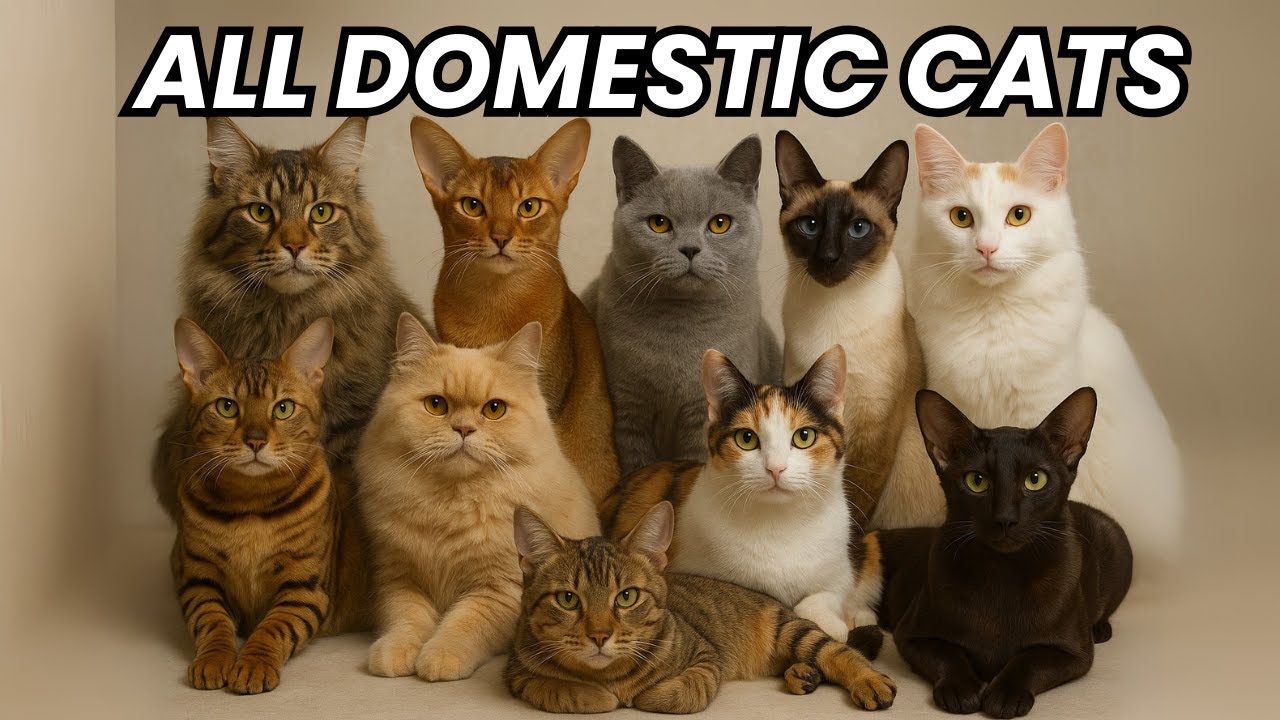
Each group has many breeds with distinct looks and habits.
Traits That Define Breeds
Breed traits help identify a cat’s type. These traits include:
- Coat Type:Short, long, curly, or hairless.
- Color Patterns:Solid, tabby, spotted, or bicolor.
- Body Shape:Slim, muscular, or stocky build.
- Eye Color:Blue, green, gold, or odd-eyed.
- Personality:Playful, calm, social, or independent.
Knowing these traits helps match cats with owners’ lifestyles.
Identifying Your Cat’s Breed
Identifying your cat’s breed can feel like solving a fun mystery. Each cat has unique traits that hint at its heritage. Paying attention to specific details helps you understand your furry friend better and can even guide you in providing the best care.
Physical Features To Observe
Start by looking closely at your cat’s body shape and size. Is your cat slender and long-legged, or compact and sturdy? Coat color and pattern are key clues too—tabby stripes, solid colors, or spotted markings can narrow down possibilities.
Don’t forget about the ears and eyes. Pointed ears might suggest a Siamese mix, while round eyes could hint at a British Shorthair. Also, check the fur length and texture—short-haired cats differ greatly from those with fluffy, long coats.
Behavioral Clues
How your cat acts can reveal breed influences. Some cats are super social and vocal, like Siamese breeds, while others prefer quiet and independence, common in Russian Blues.
Does your cat love water or enjoy climbing? These habits might link to specific breeds. Observing play style, energy level, and even how your cat interacts with people provides valuable insights.
Using Cat Breed Identification Tools
Technology offers handy ways to identify your cat’s breed. Apps and websites allow you to upload photos and compare features with known breed standards.
DNA testing kits are another option. They provide detailed breed breakdowns and sometimes even health information. Have you tried using any of these tools? They can turn guesswork into a clear answer.
Popular Cat Breeds And Their Traits
Cats come in many breeds, each with unique looks and personalities. Knowing popular cat breeds helps you understand your cat better. Some breeds are playful and talkative. Others are calm and gentle. Here are some well-known breeds and their key traits.
Siamese And Oriental Breeds
Siamese cats are famous for their sleek bodies and striking blue eyes. They love attention and enjoy chatting with their owners. Oriental breeds share a similar body shape but come in many colors. Both types are very social and active. They need lots of play and interaction to stay happy.
Maine Coon And Large Breeds
Maine Coons are one of the largest cat breeds. They have thick fur and bushy tails. These cats are gentle giants, friendly and good with children. Large breeds often have calm and patient personalities. They enjoy being part of family life and are easygoing companions.
Persian And Long-haired Cats
Persians are known for their long, fluffy coats and flat faces. They prefer quiet, relaxed environments. These cats are calm and love lounging around. Long-haired cats require regular grooming to keep their fur smooth. They often form strong bonds with their owners.
Bengal And Exotic Patterns
Bengal cats look wild with their spotted or marbled fur. They are active and curious, always exploring their surroundings. Exotic patterns give cats a unique, eye-catching appearance. These cats enjoy playtime and mental challenges. They thrive in lively homes where they get plenty of attention.

Credit: www.freepik.com
Mixed Breeds And Unique Heritage
Understanding your cat’s mixed breed and unique heritage can reveal surprising details about their personality and health. Mixed breed cats often carry traits from various breeds, creating a unique combination that makes your feline friend one of a kind. Knowing more about these traits can help you better care for your cat and appreciate what makes them special.
Common Mixed Breed Traits
Mixed breed cats often show a blend of features from different breeds, such as varied coat colors, patterns, and body shapes.
- They may have a mix of short and long fur, or a combination of colors like tabby stripes with white patches.
- Personality traits can also vary widely, from playful and outgoing to calm and reserved.
- Many mixed breed cats have strong hunting instincts and high adaptability to different environments.
Have you noticed your cat behaving in unexpected ways? Their mixed heritage might explain those unique quirks.
Genetic Testing For Cats
Genetic testing is an easy way to uncover the breeds that make up your cat’s background. You simply collect a small sample of your cat’s DNA, usually through a cheek swab, and send it to a lab.
The results often include a detailed breakdown of breed percentages and can even highlight potential health risks linked to their genetics.
Knowing this information can help you work with your vet to tailor your cat’s care plan based on their specific needs.
Benefits Of Knowing Your Cat’s Heritage
Understanding your cat’s breed mix can improve your ability to meet their physical and emotional needs.
- You can choose the best diet suited for their metabolism and activity level.
- It helps in anticipating health issues that certain breeds are prone to, allowing for early prevention.
- Knowing their personality tendencies can guide you in training and socializing your cat effectively.
Wouldn’t you want to provide the best life for your cat by truly knowing where they come from?
Caring For Your Cat’s Breed Needs
Knowing your cat’s breed helps you provide the right care and diet. Different breeds have unique needs for health and grooming. Identifying your cat’s breed guides better care choices.
Caring for your cat’s breed needs is essential for its health and happiness. Each breed has unique requirements. Understanding these can enhance your cat’s well-being. Let’s explore how to cater to your cat’s specific breed needs.Diet And Nutrition Tips
A balanced diet is crucial for every cat. But each breed has different dietary needs. For example, Siamese cats may need more protein. Persian cats benefit from diets that support their long fur. Always choose high-quality cat food. Consult your vet for specific dietary recommendations. Fresh water should always be available.Grooming For Different Coats
Grooming depends on the breed’s coat type. Long-haired breeds, like Maine Coons, require daily brushing. Short-haired breeds, like the British Shorthair, need less frequent grooming. Regular grooming reduces shedding and prevents matting. It also helps you check for skin issues or parasites.Health Considerations By Breed
Each cat breed is prone to different health issues. Siamese cats may face dental problems. Persian cats often have breathing issues due to their flat faces. Regular vet check-ups are essential. Vaccinations and parasite control are also crucial. Understand your cat’s breed-specific health needs. This helps in early detection and treatment of potential issues.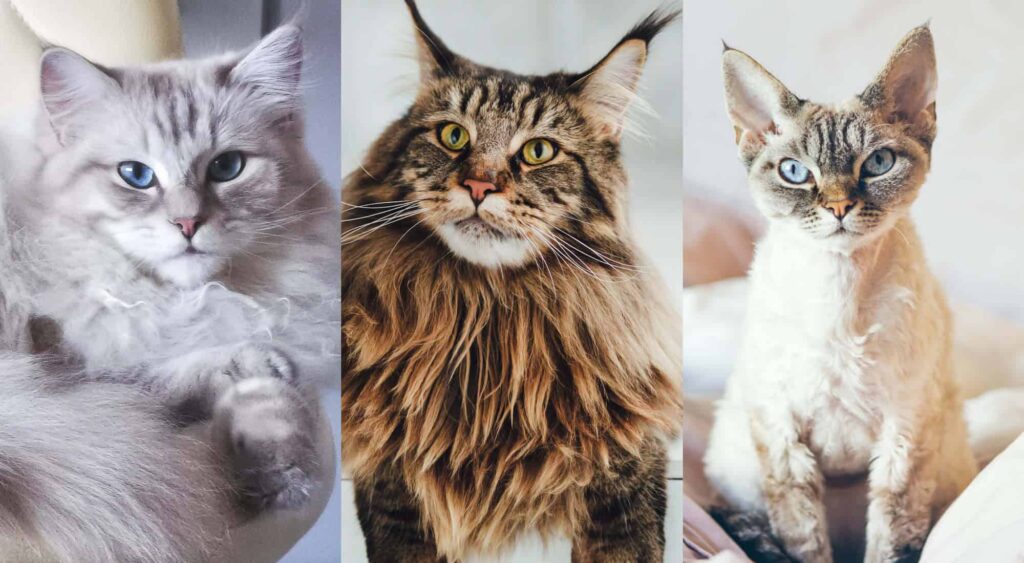
Credit: rawznaturalpetfood.com
Frequently Asked Questions
What Are The Most Common Cat Breeds Worldwide?
Common cat breeds include Siamese, Persian, Maine Coon, Ragdoll, and Bengal. Each breed has unique traits and appearances. Knowing common breeds helps identify your cat’s type and understand its behavior and care needs.
How Can I Identify My Cat’s Breed Accurately?
Identify your cat’s breed by observing physical traits like coat color, pattern, size, and ear shape. You can also use online breed identification tools or consult a vet for a professional opinion and DNA testing for precise results.
Do Mixed Breed Cats Have Distinct Characteristics?
Yes, mixed breed cats often show traits from multiple breeds. Their appearance and behavior can vary widely. Mixed breeds tend to be healthy and adaptable, combining strengths from different breeds, making them unique and lovable companions.
Can Dna Testing Reveal My Cat’s Breed?
DNA testing can accurately reveal your cat’s breed composition. It analyzes genetic markers to identify breed ancestry and potential health risks. This method provides detailed and reliable information for better understanding your cat’s background.
Conclusion
Discovering your cat’s breed can help you understand its behavior better. Each breed has unique traits and care needs. Knowing these traits makes pet care easier and more fun. Your cat’s breed can also explain its appearance and health risks.
Take time to learn about your cat’s background. It builds a stronger bond between you and your pet. Every cat is special, no matter the breed. Enjoy the journey of getting to know your furry friend well.


Leave a Reply