Have you ever watched two cats cleaning each other and wondered what that behavior is called? It’s more than just a cute moment—there’s a special word for it, and it tells you a lot about how cats connect.
If you want to understand what this grooming means for your furry friends and why they do it, keep reading. You’ll discover surprising reasons behind this behavior that can help you better care for your cats and strengthen their bond.
Curious? Let’s dive in!

Credit: www.companionanimalpsychology.com
Cat Grooming Basics
Understanding the basics of cat grooming helps you better care for your feline friend. Grooming is more than just keeping clean; it’s a vital part of a cat’s daily routine and social life. Knowing why and how cats groom themselves reveals a lot about their health and behavior.
Why Cats Groom Themselves
Cats groom themselves to stay clean and healthy. Their tongues have tiny, hook-like structures that remove dirt and loose fur effectively. Grooming also helps regulate their body temperature by spreading saliva that cools them down.
Have you noticed your cat licking its fur after eating? This is their way of removing food smells that might attract predators in the wild. Grooming reduces stress, too, acting like a natural calming activity. When your cat grooms, it’s taking care of both body and mind.
Common Grooming Behaviors
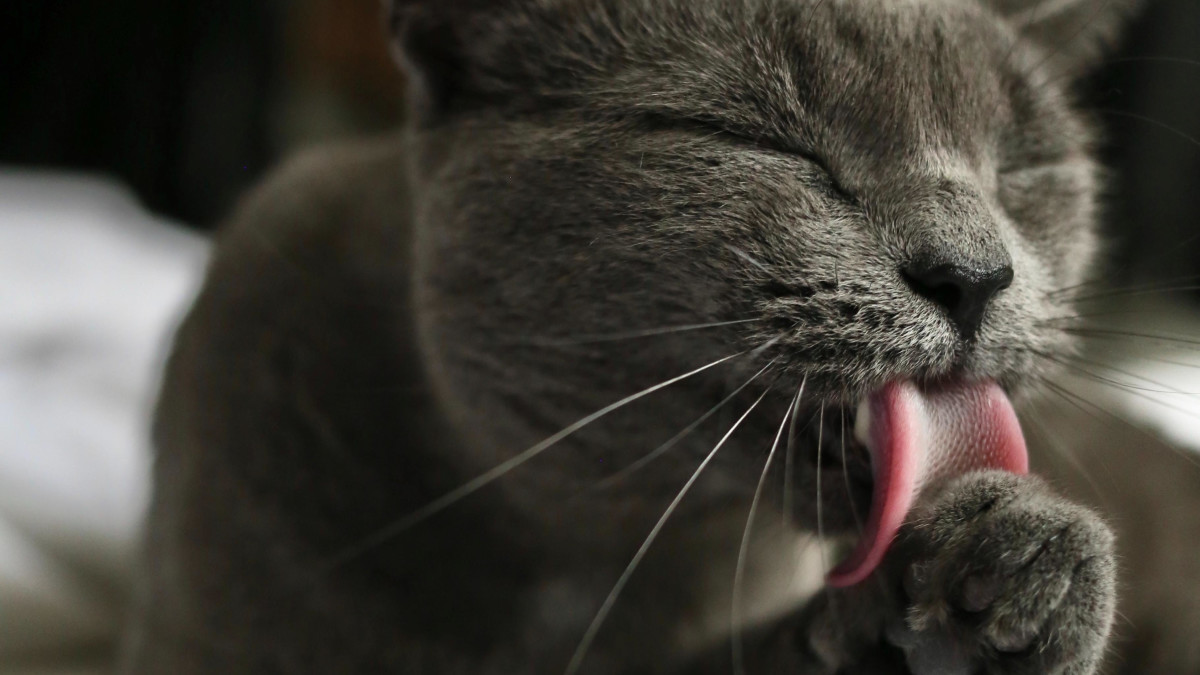
Besides licking, cats use their paws to clean hard-to-reach spots. They often lick their paw and then rub it over their face and ears. This method helps them clean sensitive areas carefully.
Another common behavior is grooming each other, called allogrooming. This strengthens bonds and helps reach places they can’t groom alone. You might see your cats grooming the back of the head or neck, areas that are tricky for them.
- Scratching with claws to remove loose fur or skin
- Nibbling fur to untangle knots
- Shaking or stretching to loosen fur and feel comfortable
Next time you see your cat grooming, watch closely. What parts do they clean most? How long do they spend grooming? These small clues can tell you a lot about their health and happiness.
Grooming Another Cat
Grooming another cat is more than just a cute behavior you might catch your pets doing. It plays a key role in how cats build and maintain social bonds. Watching two cats clean each other can reveal a lot about their relationship and comfort level.
The Term For Cat-to-cat Grooming
The specific term for one cat grooming another is allogrooming. This is different from when a cat grooms itself, which is called self-groomingor autogrooming. Allogrooming involves one cat licking or cleaning another’s fur, usually in areas that are hard to reach.
Have you noticed your cats grooming each other around the head or neck? These are typical spots for allogrooming because they’re difficult to clean alone.
How Cats Groom Each Other
Cats use their tongues to gently lick the fur of their companion. The rough texture of their tongue helps remove dirt, loose hair, and parasites. This shared grooming is often slow and rhythmic, showing trust and care.
- They start with the head and neck, areas hard for cats to reach themselves.
- Then, they move to the back and tail, sometimes even cleaning the ears.
- Occasionally, a cat may pause to nuzzle or knead with their paws during grooming.
Have you ever wondered why your cats stop grooming when you enter the room? This behavior shows how private and important this bonding moment is for them. Paying attention to these details can help you understand their social dynamics better.
Reasons For Mutual Grooming
Mutual grooming between cats is more than just a cute behavior you might catch during quiet moments. It serves important purposes that help cats live peacefully and happily together. Understanding these reasons can help you see your feline friends in a new light and even improve how you care for them.
Bonding And Social Connection
Mutual grooming helps cats build and strengthen their relationships. When one cat licks another, it’s a sign of trust and affection.
This behavior creates a social bond similar to how humans might share a hug or a friendly touch. If you notice your cats grooming each other, it means they feel safe and connected.
Establishing Hierarchy
Grooming also plays a role in setting the pecking order within a group of cats. The cat doing the grooming often holds a higher status or is more dominant.
This doesn’t mean there’s conflict; rather, it’s a peaceful way for cats to communicate their roles. Have you seen one cat gently grooming another and wondered why? It’s their way of saying, “I’m in charge, but we’re still friends.”
Stress Relief And Comfort
Mutual grooming helps cats calm down and feel secure. The repetitive motion of licking releases calming chemicals in their brains.
If your cats are stressed by changes or new environments, watching them groom each other can be a sign they’re coping well. You might want to encourage this behavior by providing cozy spaces where they feel safe enough to relax together.
Benefits Of Cat Grooming
Cat grooming between felines, also known as allogrooming, is more than just a cute behavior. It carries multiple benefits that affect their well-being and social lives. Understanding these benefits can help you appreciate why your cats spend time grooming each other.
Hygiene And Health
Grooming another cat helps remove dirt, loose fur, and parasites from hard-to-reach places. This shared cleaning keeps both cats cleaner and healthier. It also reduces the risk of skin infections and irritations.
Have you noticed how your cats focus on each other’s heads and necks? These are areas they can’t easily groom themselves, so mutual grooming fills in the gaps. It’s like having a personal cleaner who knows exactly where you need help.
Strengthening Relationships
Allogrooming acts as a social glue that builds trust and friendship between cats. It’s a calming activity that helps reduce tension and prevent fights. When your cats groom each other, they’re showing affection and reinforcing their bond.
Think about how you feel after spending time with a close friend who supports you. Cats experience a similar comfort and security through grooming. Watching your cats groom each other is a clear sign they feel safe and connected.
Signs Of Healthy Grooming Behavior
Allogrooming is the term for when a cat grooms another cat. This behavior shows trust and strengthens their bond. Cats often groom each other’s faces and heads, areas they can’t easily reach themselves.
Recognizing the signs of healthy grooming behavior between cats is essential for ensuring their well-being. When one cat grooms another, it’s not just about cleanliness; it’s a social interaction that strengthens their bond. Understanding these signs can help you monitor your cats’ relationships and ensure they are living harmoniously.Frequency And Duration
Healthy grooming behavior varies in frequency and duration. Some cats might groom each other daily, while others may do it less often. Typically, sessions last a few minutes, but overly long or frequent grooming might indicate underlying issues. Monitor how often your cats groom each other. If one cat consistently avoids these grooming sessions, it could signal discomfort or stress.Body Language Cues
Cats communicate a lot through body language during grooming. Look for relaxed postures and gentle movements, which indicate comfort and trust. If the cat being groomed seems tense or tries to move away, it might not be enjoying the interaction. Notice the positions they take during grooming. Cats that feel safe will often close their eyes or purr, showing they are at ease. However, if you see fluffed tails or flattened ears, it might be time to intervene. Understanding these signs helps you ensure your cats are happy and healthy. Do you notice these behaviors in your cats? Observing them can deepen your understanding of their unique relationship.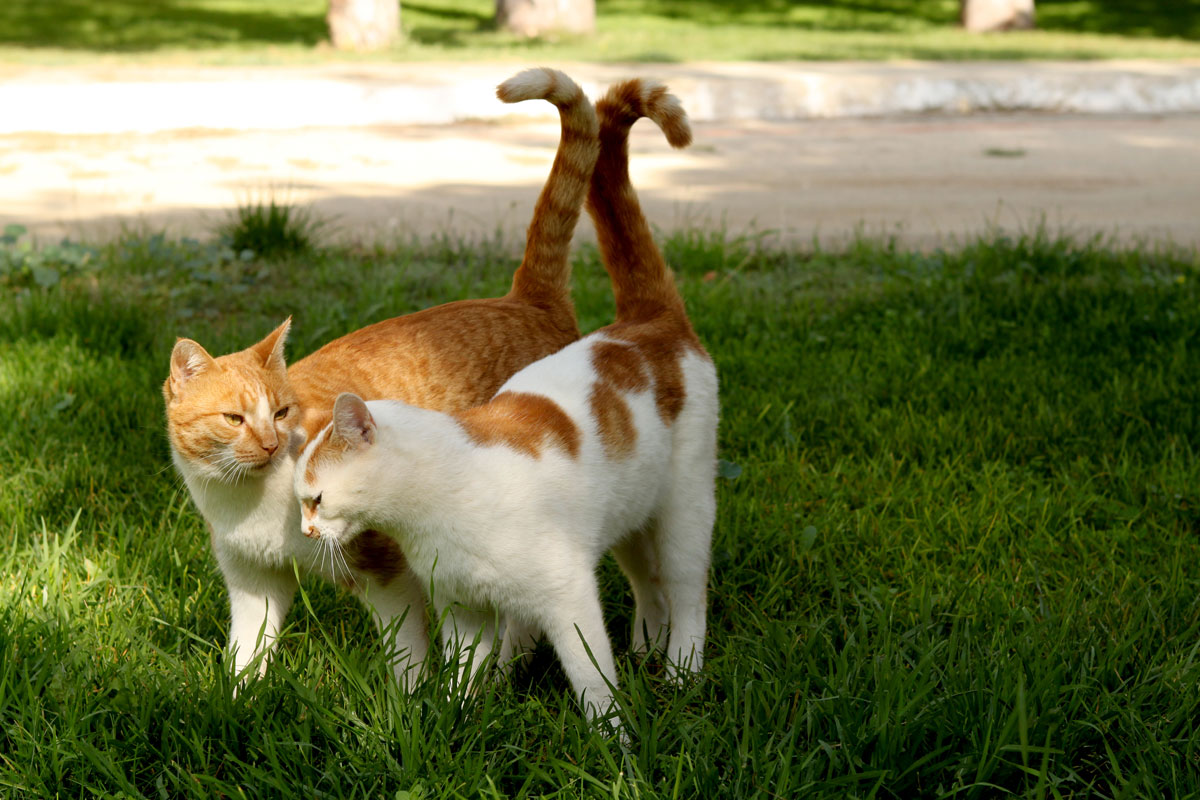
Credit: www.companionanimalpsychology.com
When Grooming Becomes A Problem
Grooming between cats is usually a sign of friendship and trust. But sometimes, this behavior can signal a problem. Recognizing when grooming turns into an issue is important for your cats’ well-being and your peace of mind.
Excessive Grooming
Have you noticed your cat licking another cat nonstop? Excessive grooming can cause skin irritation or bald spots. It may happen if one cat feels stressed or anxious.
Watch for signs like redness, sores, or hair loss. These could mean the grooming is no longer gentle or playful. If you see these, try to distract them with toys or separate them for a while.
Aggression During Grooming
Sometimes grooming sessions take a turn and become aggressive. One cat might bite or scratch the other while grooming. This can confuse you because grooming is usually calm and caring.
Ask yourself if the cats are relaxed or if you see tense body language. If aggression shows up, intervene calmly to stop potential fights. Offering each cat their own space can help reduce tension.
Encouraging Positive Grooming Habits
Encouraging positive grooming habits in cats helps build trust and friendship. Cats groom each other to show care and bond deeply. This behavior, called allogrooming, reduces stress and keeps cats clean.
Helping cats feel safe and calm increases chances of grooming each other. It takes patience and the right environment to support these habits. Creating a space where cats relax together encourages friendly grooming.
Creating A Comfortable Environment
Choose a quiet, warm place for your cats to spend time. Soft bedding and cozy spots invite them to rest near each other. Keep food and water bowls apart to avoid competition.
- Use gentle lighting to create a calm atmosphere.
- Provide toys to reduce boredom and stress.
- Keep the area clean and free from loud noises.
Comfort helps cats feel less anxious. Relaxed cats are more likely to groom one another.
Introducing Cats To Each Other
Introduce cats slowly and carefully. Let them sniff each other’s scent before meeting face to face. Use a barrier like a screen door at first.
- Allow short, supervised visits in a neutral space.
- Watch body language for signs of stress or aggression.
- Reward calm, friendly behavior with treats or praise.
Gradual introductions build trust. Trust encourages cats to groom and care for each other.

Credit: www.companionanimalpsychology.com
Frequently Asked Questions
What Is It Called When Cats Groom Each Other?
When cats groom each other, it is called allogrooming. This behavior strengthens social bonds and shows trust. It helps cats stay clean and reduces stress in multi-cat households.
Why Do Cats Engage In Mutual Grooming?
Cats groom each other to build social connections. It reduces tension and reinforces group hierarchy. Mutual grooming also helps them share scents, creating a sense of belonging and comfort.
How Does Allogrooming Benefit Cats Socially?
Allogrooming promotes friendship and cooperation among cats. It reduces aggression and encourages peaceful interactions. This behavior helps cats feel safe within their social group.
Can Allogrooming Indicate Cat Friendship?
Yes, allogrooming is a strong sign of friendship. Cats only groom those they trust and feel close to. It shows affection and a positive relationship between cats.
Conclusion
Cats grooming each other is called allogrooming. It shows trust and friendship between cats. This behavior helps keep their fur clean and healthy. It also strengthens their bond and reduces stress. Watching cats groom each other can be calming and sweet.
Understanding this helps us appreciate how cats communicate. It’s a small act with big meaning in the cat world. So, next time you see cats grooming, remember it’s their way to care and connect. Simple, natural, and full of love.


Leave a Reply