Getting your cat groomed can feel like a mystery if you’ve never experienced it before. You might wonder what exactly happens during a grooming session and how it benefits your furry friend.
Understanding the process can help you feel more confident about booking that appointment and knowing what to expect. You’ll discover the key steps involved when your cat gets groomed, why each part matters, and how it keeps your pet happy and healthy.
Keep reading to learn everything you need to know to make grooming a positive experience for both you and your cat.

Credit: services.petsmart.com
Initial Cat Assessment
The initial cat assessment is a crucial first step in the grooming process. It helps groomers understand your cat’s needs and plan the best care. This stage ensures the grooming is safe and comfortable. Groomers look closely at your cat’s coat, health, and behavior. Each part of this assessment sets the stage for a smooth grooming session.
Checking Coat Condition
The groomer examines the cat’s fur carefully. They check for mats, tangles, and dirt. They also look for signs of dryness or oiliness. The coat’s thickness and length are noted. This helps decide the best tools and techniques to use. Groomers check for any areas that need extra attention. A healthy coat is the goal.
Identifying Health Concerns
Groomers look for signs of skin problems or infections. They check for fleas, ticks, or other parasites. Any wounds or lumps are noted and treated carefully. Eyes, ears, and nails get a quick check too. Spotting health issues early can protect your cat’s well-being. Groomers may advise a vet visit if needed.
Behavioral Evaluation
The cat’s mood and reactions are observed closely. Groomers note if the cat is calm or anxious. They watch how the cat moves and responds to touch. This helps adjust grooming methods for comfort. Understanding behavior reduces stress during grooming. It creates a positive experience for your cat.
Brushing And Dematting
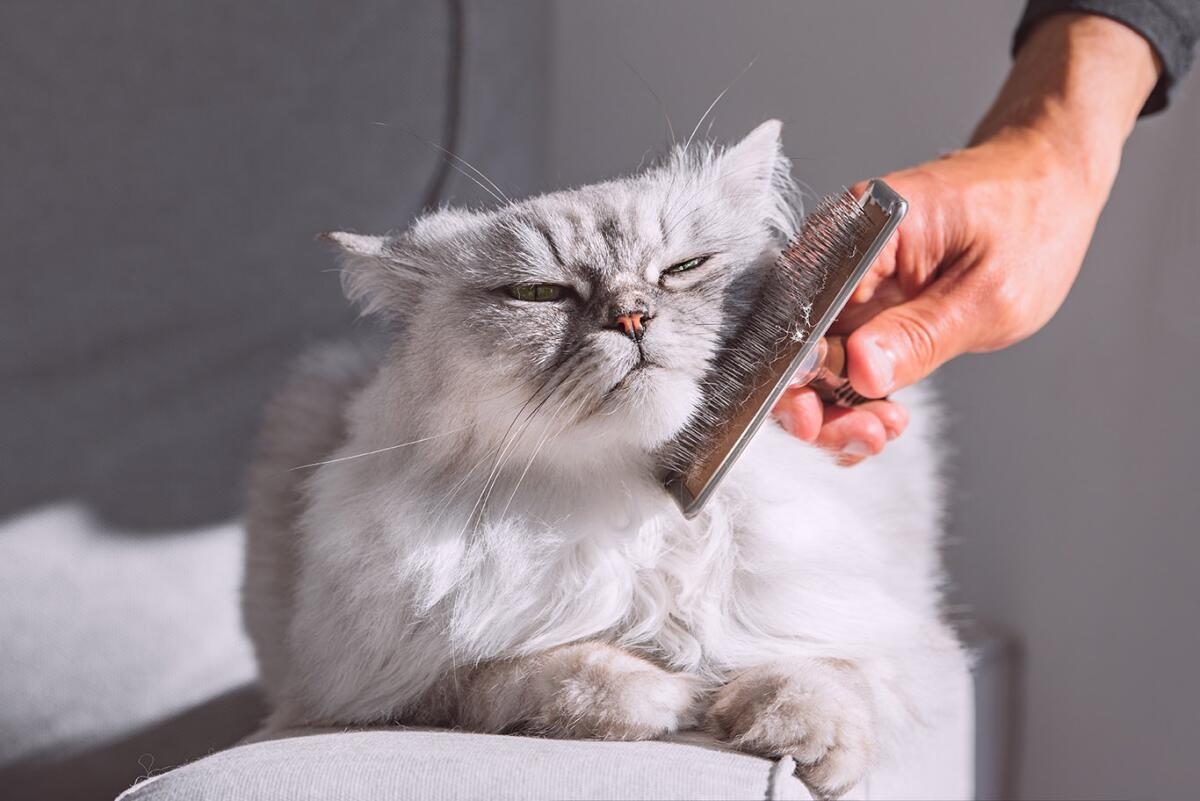
Brushing and dematting are key parts of cat grooming. These steps keep your cat’s coat clean, smooth, and healthy. Regular brushing removes loose fur and prevents hairballs. It also stops mats and tangles from forming. Groomers use gentle techniques to avoid hurting your cat. They focus on comfort and thorough care during this process.
Removing Loose Fur
Loose fur can make your cat shed a lot. Groomers use special brushes to take away dead hair. This helps reduce shedding around the house. Removing loose fur also keeps your cat cooler and cleaner. The brushing is done in the direction of hair growth. It feels nice for the cat and keeps the coat shiny.
Handling Mats And Tangles
Mats and tangles can be painful for cats. Groomers carefully work through these knots with soft strokes. They may use detangling sprays to make the fur easier to comb. Sometimes, small mats need gentle cutting to avoid pulling. Removing mats stops skin problems and discomfort. Groomers are patient and calm to keep cats relaxed.
Tools Used For Brushing
- Wide-tooth combs to detangle hair
- Slicker brushes to remove loose fur
- Dematting tools to gently cut mats
- Rubber grooming gloves for sensitive cats
These tools help groomers clean and smooth the coat effectively. Each tool suits different fur types and grooming needs. Using the right tool makes brushing safe and easy for cats.
Bathing The Cat
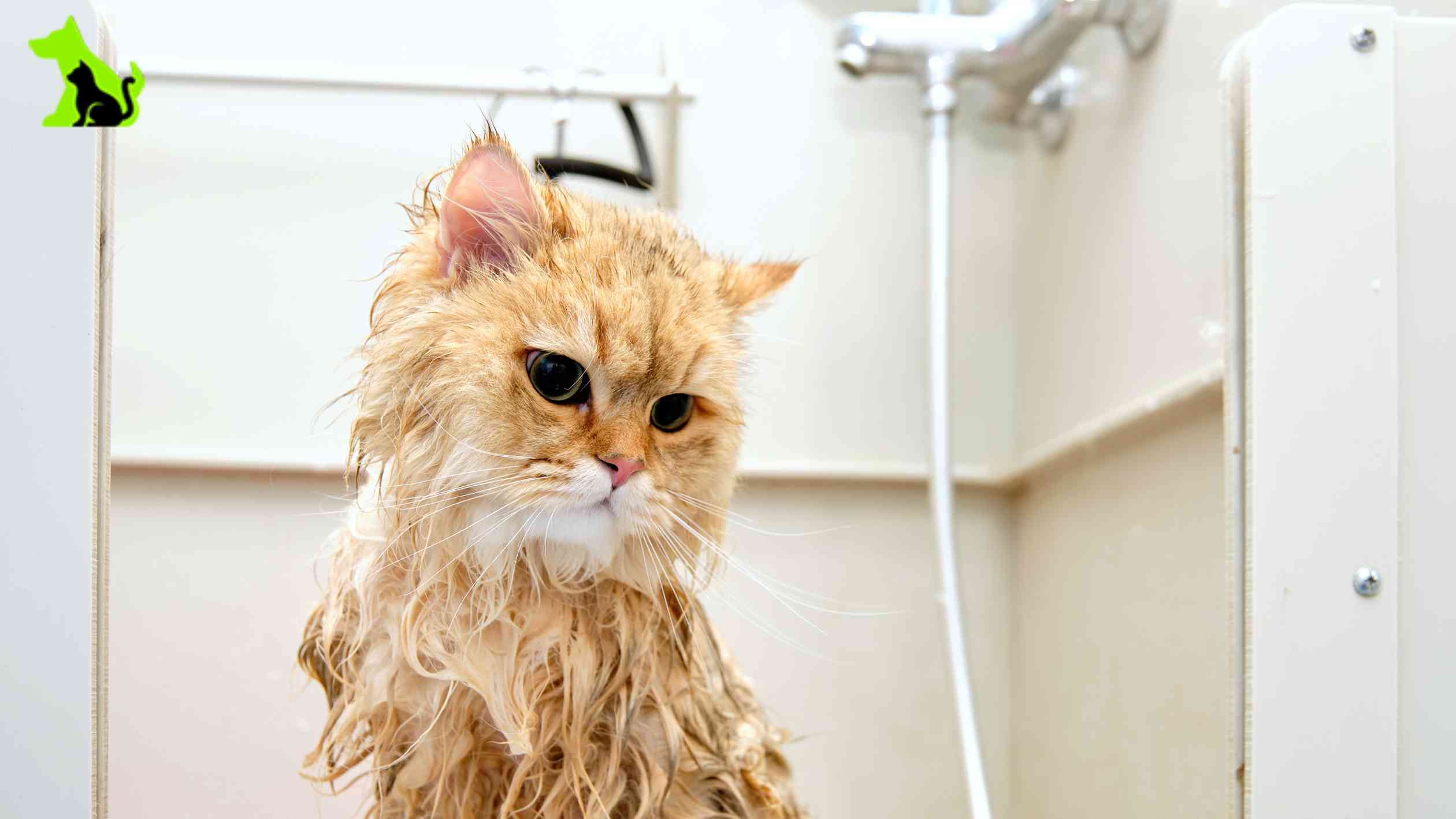
Bathing a cat is a vital part of grooming that keeps its coat clean and healthy. Many cats dislike water, so patience is essential. Proper bathing reduces dirt, oils, and loose fur while preventing skin issues. Understanding the right products and techniques makes the process smoother and less stressful for both cat and owner.
Choosing Cat-friendly Shampoo
Use shampoos made specifically for cats. Human or dog shampoos can irritate their skin. Look for gentle formulas that moisturize and clean without harsh chemicals. Avoid products with strong scents or dyes. Natural ingredients like oatmeal or aloe vera soothe sensitive skin. Always check the label to ensure it is safe for cats.
Proper Bathing Techniques
Prepare a small tub or sink with lukewarm water. Test the water temperature to avoid discomfort. Gently wet the cat’s fur, avoiding the head and ears. Apply a small amount of shampoo, working it into a light lather. Use slow, calm movements to keep the cat relaxed. Rinse thoroughly to remove all shampoo residue. Keep the cat’s face dry by using a damp cloth for cleaning.
Drying Methods
Wrap the cat in a soft towel immediately after bathing. Pat the fur gently to absorb water. Avoid rubbing, which can tangle the fur. Use a second dry towel if needed. Some cats tolerate a low-heat hairdryer at a distance, but many prefer air drying. Make sure the room is warm and draft-free during drying to prevent chills.
Nail Trimming
Nail trimming is an essential part of cat grooming that helps keep your feline’s claws healthy and comfortable. Overgrown nails can cause pain or even lead to infections if they curl into the paw pads. Understanding how to trim your cat’s nails safely and regularly can make a big difference in their overall well-being.
Safe Nail Cutting
Trimming a cat’s nails requires a steady hand and the right tools. Use a pair of nail clippers designed specifically for cats or small animals to avoid crushing the nails. Always cut just the sharp tip, avoiding the pink quick inside the nail, which contains blood vessels and nerves.
If you’re unsure, try trimming one nail at a time and watch your cat’s reaction closely. If your cat struggles, take a break and try again later. Patience is key to preventing any accidental cuts or stress for your pet.
Frequency Of Trimming
How often should you trim your cat’s nails? Generally, every 10 to 14 days is a good rule of thumb. Indoor cats tend to need more frequent trims because they don’t wear down their nails naturally through outdoor activities.
Keep an eye on the length of the nails between trims. If you hear clicking sounds when your cat walks on hard floors, it’s a clear sign their nails are too long. Regular trims prevent damage to your furniture and protect your cat’s paws.
Preventing Nail Damage
To avoid nail damage, never cut nails too short or too deep. This can cause bleeding and pain, making future trims more difficult. Using a nail file after trimming helps smooth out any rough edges that might catch on fabrics or skin.
Consider providing scratching posts to help your cat naturally wear down their nails. This reduces the trimming frequency and keeps your cat entertained. Have you noticed how some cats prefer vertical posts while others like horizontal pads? Tailoring this to your cat’s preference can save you a lot of nail trouble.
Ear Cleaning
Ear cleaning is a key part of cat grooming. It keeps your cat’s ears healthy and free from dirt. Groomers check ears for signs of issues that could cause pain or infection. A clean ear also helps your cat hear better and feel more comfortable.
Checking For Ear Issues
Groomers first look inside the ears carefully. They check for redness, swelling, or unusual discharge. They also look for debris or wax buildup. Any strong smell can be a sign of trouble. This step helps spot problems early before they get worse.
Cleaning Process
The groomer uses a gentle cleaner made for cats. They apply it softly inside the ear canal. Then, they massage the ear base to loosen dirt and wax. After that, they wipe the ear clean with a soft cloth or cotton ball. This process removes dirt without hurting the cat.
Signs Of Infection
- Red or swollen ear skin
- Yellow or brown discharge
- Unpleasant odor
- Excessive scratching or head shaking
- Crusts or scabs inside the ear
These signs may mean an ear infection. Groomers alert the owner to visit a vet for treatment. Early care avoids pain and serious health issues for your cat.
Eye Care
Eye care is an essential part of cat grooming. Cats often have sensitive eyes that require regular attention. During grooming, professionals focus on keeping your cat’s eyes clean and healthy. This process includes several important steps.
Removing Discharge
Groomers carefully remove any discharge from your cat’s eyes. This discharge can accumulate and cause discomfort. Using a soft, damp cloth, they gently wipe away the buildup. This keeps the eyes clean and reduces the risk of infection.
Checking For Irritation
Groomers inspect your cat’s eyes for signs of irritation. Redness, swelling, or excessive tearing might indicate a problem. Early detection helps prevent more serious issues. Regular checks ensure your cat’s eyes remain healthy.
When To Seek Veterinary Help
Sometimes eye issues require veterinary attention. If irritation persists or worsens, a vet visit is crucial. Discharge with a strong odor or unusual color also needs professional care. Prompt action can protect your cat’s vision and comfort.
Anal Gland Expression
Anal gland expression is an important part of cat grooming that many pet owners might not be familiar with. These small glands located near your cat’s anus can sometimes get clogged or full, causing discomfort or even infection. Groomers and vets often check and express these glands to keep your cat feeling clean and comfortable.
Why It’s Done
Anal gland expression helps prevent blockages that can lead to swelling and pain. If your cat scoots on the floor or licks the area excessively, it might be a sign the glands are full or irritated.
Ignoring this issue can cause infections or abscesses, which are painful and may require medical treatment. Regular expression keeps your cat healthy and avoids these problems.
How It’s Performed
A professional groomer or veterinarian gently applies pressure around the glands to release the built-up fluid. This process is quick but requires care to avoid hurting your cat.
Some cats tolerate this well, while others may feel uncomfortable, so it’s best left to trained hands. If you try it at home, make sure you know the proper technique or seek guidance first.
Frequency And Signs
Not all cats need regular anal gland expression. Some naturally empty their glands during bowel movements, while others may need help every few weeks or months.
Watch for signs like scooting, licking, or a foul smell near the rear end. If you notice these, it’s time to check with your groomer or vet about expressing your cat’s glands.

Credit: www.reddit.com
Final Health Check
During the final health check, the groomer assesses your cat’s well-being. This step ensures that grooming was effective and didn’t cause issues. It also provides peace of mind about your cat’s health.
Overall Coat And Skin Review
The groomer examines your cat’s coat and skin. They look for any irritation or abnormalities. Any knots or tangles should be addressed. A healthy coat should be shiny and smooth. Any redness or dryness may indicate skin problems.
Behavior Post-grooming
Observing your cat’s behavior is crucial. The groomer checks for signs of stress or discomfort. A relaxed cat usually means a successful grooming session. Any changes in behavior might suggest underlying issues.
Recommendations For Home Care
Groomers offer advice for maintaining your cat’s coat at home. They might suggest brushes or combs suited for your cat’s fur. Regular grooming helps prevent matting and skin issues. Consistent care ensures your cat remains happy and healthy.
Credit: hellopetsinc.com
Frequently Asked Questions
What Services Are Included In Cat Grooming?
Cat grooming includes brushing, bathing, nail trimming, ear cleaning, and sometimes hair trimming. These services keep cats clean and healthy.
How Often Should A Cat Be Groomed Professionally?
Most cats benefit from professional grooming every 4 to 8 weeks. Frequency depends on coat type and lifestyle.
Is Cat Grooming Stressful For Cats?
Grooming can be stressful if cats aren’t used to it. Professional groomers use gentle techniques to minimize stress.
Can Grooming Help With Cat Health Issues?
Yes, grooming can detect skin problems, parasites, or infections early. It also helps reduce hairballs and mats.
Conclusion
Getting your cat groomed keeps them clean and healthy. Groomers trim fur, clean ears, and clip nails carefully. This helps prevent mats, infections, and discomfort. A groomed cat feels more comfortable and looks neat. Regular grooming also helps spot health issues early.
It creates a better bond between you and your pet. Overall, grooming supports your cat’s well-being and happiness. Simple care makes a big difference for your furry friend.




Leave a Reply