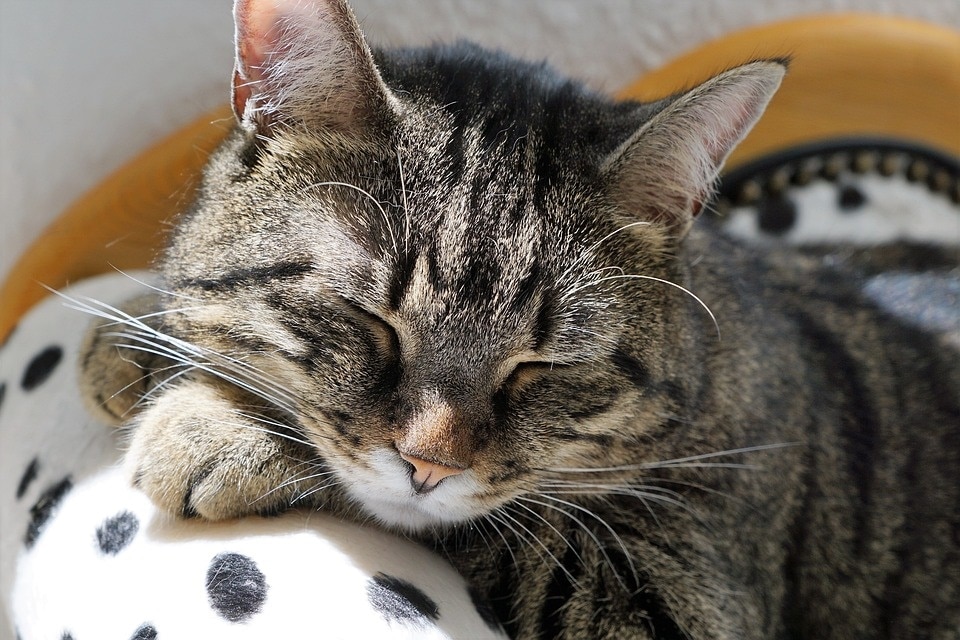
Have you ever wondered what goes on inside your cat’s mind? Understanding your cat’s mental health is just as important as looking after their physical well-being.
When your furry friend feels stressed, anxious, or unhappy, it can affect their behavior and overall health. You’ll discover what cat mental health really means, how to spot signs of distress, and simple ways you can help your cat feel calm and happy.
Keep reading to unlock the secrets to a healthier, happier life for your beloved pet.

Credit: uk.style.yahoo.com
Cat Behavior And Emotions
Cats have rich emotions and clear behaviors that show how they feel. Understanding these helps owners care for their pets better. Each cat expresses feelings in unique ways.
Watching a cat’s body language and sounds reveals its mood. Knowing this supports good mental health for cats.
Common Emotional States
Cats experience many emotions. They feel:
- Happiness
- Fear
- Curiosity
- Stress
- Contentment
- Frustration
These emotions affect their actions and interactions. Recognizing these states helps predict behavior.
How Cats Show Stress
Stress in cats shows in many ways. Signs include:
- Hiding or avoiding people
- Excessive grooming
- Reduced appetite
- Growling or hissing
- Restlessness or pacing
Stress can harm a cat’s health. Early detection is key to relief.
Signs Of Happiness In Cats
Happy cats display clear signs. These are:
- Slow blinking at you
- Purring softly
- Relaxed body posture
- Tail held upright
- Playfulness and curiosity
Recognizing these signs strengthens the bond with your cat.
Credit: prezi.com
Factors Affecting Cat Mental Health
Your cat’s mental health depends on a variety of factors. Understanding these can help you create a happier, healthier environment for your feline friend. Let’s look closely at what shapes their mental well-being and how you can influence it positively.
Impact Of Environment
The place where your cat lives affects their mood and behavior significantly. Cats need safe, quiet spots to retreat to when they feel stressed or overwhelmed. A noisy or cluttered space can make them anxious.
Think about the lighting, temperature, and access to windows. Natural sunlight and a warm spot can boost their comfort and mental clarity. How does your cat’s environment make them feel—calm or restless?
Role Of Social Interaction
Social connections matter a lot to cats, but not all cats want the same level of interaction. Some crave regular playtime and cuddles, while others prefer brief encounters and lots of alone time. Respecting your cat’s social needs can reduce stress and build trust.
Watch for signs of loneliness or overstimulation. If your cat hides or becomes aggressive, it might mean they need a different kind of social experience. Have you noticed how your cat responds after spending time with you or other pets?
Effects Of Routine And Change
Cats thrive on routine. Regular feeding times, play sessions, and sleep schedules give them a sense of security. Sudden changes, like moving homes or adding a new pet, can cause confusion and anxiety.
When changes are unavoidable, introduce them slowly. Keep as many daily habits consistent as possible. How do you help your cat adjust when life gets unpredictable?
Common Mental Health Issues In Cats
Cats can suffer from stress, anxiety, and depression just like humans. Changes in behavior, appetite, or sleep may signal mental health problems. Understanding these signs helps keep cats happy and healthy.
Understanding the mental health of your feline friend is as essential as caring for their physical health. Cats, much like humans, can suffer from various mental health issues that impact their behavior and overall well-being. Recognizing these problems early can help improve your cat’s quality of life.Anxiety And Fear
Cats are creatures of habit, and any disruption to their routine can lead to anxiety. Common signs include excessive grooming, hiding, or even refusing to eat. A change in environment, like moving house or a new family member, can trigger these responses. Consider creating a safe space for your cat. This could be a quiet room or a cozy corner with their favorite toys. Regular play sessions can also help reduce anxiety by providing a healthy outlet for their energy.Depression In Cats
Just like humans, cats can experience depression. This might manifest as a lack of interest in activities they once enjoyed, or a change in sleeping habits. You might notice your cat spending more time alone or appearing listless. Engage your cat with interactive toys or puzzle feeders to stimulate their mind. Sometimes, simply sitting with them and offering affection can make a significant difference. Have you noticed any changes in your cat’s behavior lately?Aggression And Behavioral Problems
Aggressive behavior in cats can stem from fear, frustration, or even pain. If your cat suddenly starts hissing, biting, or scratching, it’s important to observe any patterns or triggers. Is there a particular time of day or situation that seems to spark this behavior? Consulting a veterinarian can rule out any medical issues causing discomfort. Behavior modification techniques, like positive reinforcement, can also be effective in addressing aggression. Remember, patience and understanding are key when dealing with behavioral problems.
Credit: www.youtube.com
Promoting Mental Wellness
Mental wellness is vital for a cat’s overall health and happiness. It influences their behavior, mood, and ability to cope with stress. Promoting mental wellness helps cats stay active, curious, and calm. This support reduces anxiety and destructive habits. Simple changes in their daily life can make a big difference.
Creating A Stimulating Environment
Cats need a space that excites their senses. Provide scratching posts, climbing trees, and hiding spots. Change toys regularly to keep them interested. Window perches allow them to watch outside activity. Different textures and scents also engage their minds. A stimulating environment keeps boredom and stress away.
Importance Of Play And Exercise
Play is essential for mental and physical health. It mimics hunting, which is natural for cats. Use wand toys, balls, or laser pointers to encourage movement. Short, frequent sessions fit their attention span. Exercise helps release energy and prevents weight gain. It also strengthens the bond between cat and owner.
Providing Social Support
Cats need social interaction for mental balance. Some enjoy quiet companionship, while others want active play. Respect each cat’s personality and comfort level. Talk softly and offer gentle petting to build trust. Introducing new pets slowly avoids stress. Social support helps cats feel safe and loved.
When To Seek Help
Knowing when to seek help for your cat’s mental health is crucial. Cats can’t tell you when they’re struggling, so it’s up to you to watch for signs and act. Ignoring changes in behavior can make problems worse, so being proactive protects your furry friend’s well-being.
Recognizing Warning Signs
Is your cat suddenly hiding more or showing aggression? These changes might indicate stress or anxiety. Other warning signs include:
- Excessive grooming or hair loss
- Loss of appetite or changes in eating habits
- Over-vocalization or sudden silence
- Destructive behavior or litter box issues
Have you noticed any of these behaviors? Early recognition helps you get support before the situation worsens.
Working With Veterinarians
Your veterinarian is your best ally in addressing your cat’s mental health. They can rule out medical issues that mimic behavioral problems. Don’t hesitate to be honest about what you observe at home.
Ask about behavioral assessments or referrals to specialists. A vet’s guidance ensures your cat gets the right diagnosis and care plan. Remember, mental health is as important as physical health.
Therapies And Treatments
Treatment varies depending on the problem but can include:
- Environmental enrichment like toys and climbing spaces
- Behavioral training with positive reinforcement
- Medications to reduce anxiety or depression
- Natural remedies such as pheromone diffusers
Each cat responds differently, so patience is key. What small change can you make today to improve your cat’s mental well-being?
Frequently Asked Questions
What Are Common Signs Of Poor Cat Mental Health?
Common signs include changes in appetite, grooming, and social behavior. Cats may hide, become aggressive, or show anxiety. Noticing these signs early helps in seeking timely veterinary advice and improving their well-being.
How Does Stress Affect A Cat’s Mental Health?
Stress can cause behavioral changes, illness, and decreased immunity in cats. It often results from environmental changes, loud noises, or lack of stimulation. Managing stress with a calm environment supports better mental health for cats.
Can Mental Health Issues In Cats Be Treated?
Yes, many mental health issues in cats can be treated with veterinary care. Treatment may include behavior modification, medication, or environmental enrichment. Early diagnosis and intervention lead to better outcomes and happier cats.
How Can I Improve My Cat’s Mental Health At Home?
Provide regular playtime, a safe environment, and mental stimulation. Consistent routines and positive interaction reduce stress and boredom. Enrichment activities like puzzle feeders and toys support healthy mental development.
Conclusion
Cats’ mental health matters for their happiness and well-being. Stress and anxiety can affect their behavior and health. Watching their actions helps you understand their feelings. Providing a calm and loving home supports their emotional needs. Regular play and attention keep their minds active and healthy.
Remember, a happy cat often shows in their purring and calmness. Caring for their mental health leads to a stronger bond. Every cat deserves a peaceful and joyful life. Keep learning and caring to help your cat thrive.



Leave a Reply