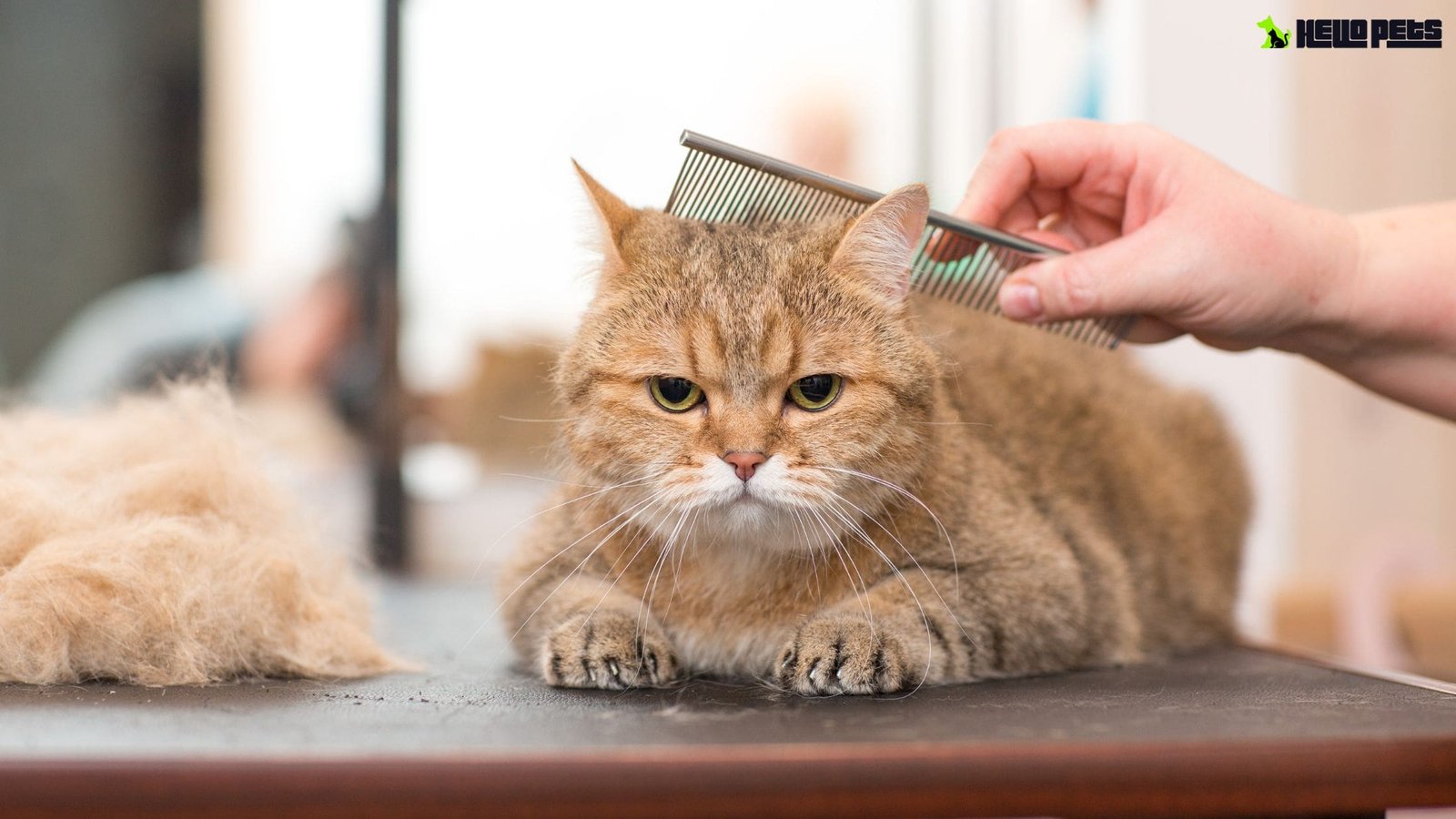
Have you ever wondered why your cat sometimes looks so sleek and shiny, while other times their fur seems messy and tangled? The secret behind a happy, healthy cat often lies in something called cat grooming.
But what exactly is cat grooming, and why should you care about it? If you want to keep your furry friend comfortable, clean, and looking their best, understanding cat grooming is the first step. Keep reading, and you’ll discover simple tips and surprising benefits that can make a big difference for your cat—and for you.

Credit: www.latimes.com
Benefits Of Cat Grooming
Grooming your cat is more than just keeping them looking neat. It plays a big role in their overall health and happiness. Regular grooming sessions create a bond between you and your cat, while also bringing many practical benefits that improve their quality of life.
Improved Coat Health
Brushing your cat’s fur removes dirt, debris, and loose hair. It helps distribute natural oils across their coat, which keeps it shiny and soft. You might notice your cat’s fur becoming less tangled and more vibrant with just a few regular grooming sessions.
Have you ever felt your cat’s coat after a good brushing? It’s noticeably smoother and healthier. This simple act can prevent painful mats and skin irritations, making your cat more comfortable every day.
Reduced Shedding And Hairballs
Regular grooming cuts down on the amount of loose fur your cat swallows, which reduces hairballs. You’ll likely see less fur on your furniture and clothes too. This can save you time cleaning and keeps your home feeling fresher.
Think about the last time you found a hairball on the carpet. Grooming helps prevent that mess and discomfort for your cat. It’s an easy way to keep both your cat and your living space cleaner.
Early Detection Of Health Issues
Grooming gives you the chance to check your cat closely for lumps, bumps, or skin problems. Spotting these early can make a huge difference in treatment success. You might catch signs of fleas, infections, or other issues before they become serious.
Have you noticed something unusual on your cat’s skin during grooming? That moment can prompt a quick vet visit that saves your cat from bigger problems. Grooming isn’t just about looks—it’s a health check you do yourself.
Essential Grooming Tools
Grooming your cat helps keep them clean and healthy. Using the right tools makes grooming easier and more effective. Each tool has a special role in caring for your cat’s coat and body.
Brushes And Combs
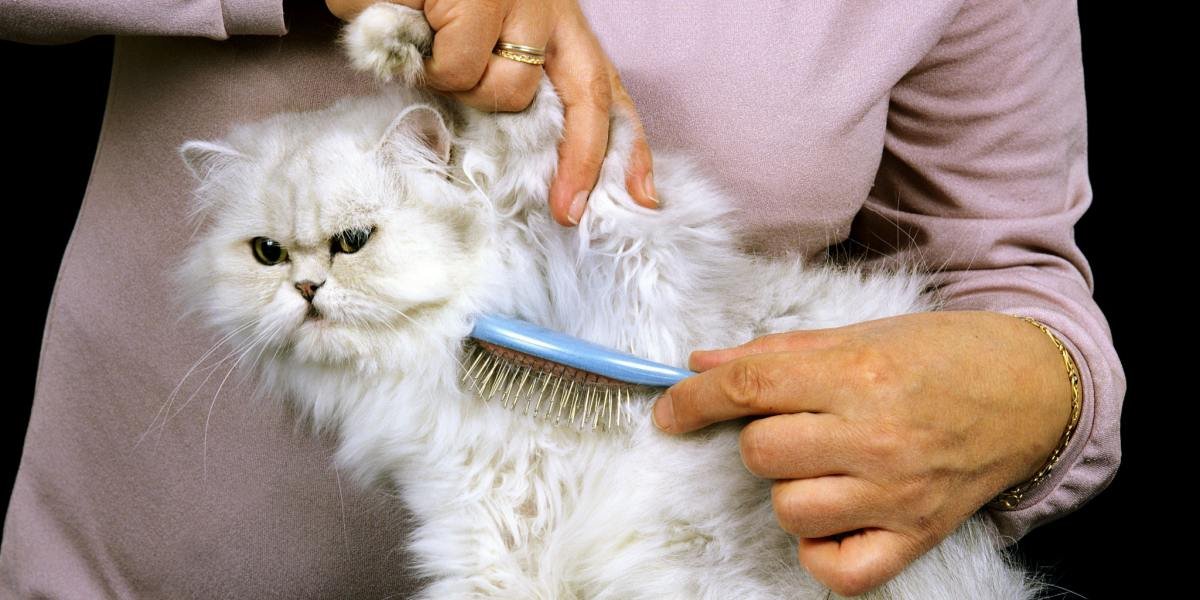
Brushes and combs remove loose hair and dirt from your cat’s fur. They prevent mats and tangles, which can cause discomfort. Different fur types need different brushes:
- Slicker brushes work well for long-haired cats.
- Bristle brushes suit short-haired cats.
- Metal combs help find and remove knots.
Regular brushing reduces shedding and helps spread natural oils. It also builds trust and bonding time.
Nail Clippers
Trimming your cat’s nails keeps them from growing too long. Sharp nails can hurt your cat or damage furniture. Use clippers designed for cats to avoid splitting nails. Cut only the sharp tip, avoiding the pink part called the quick. Frequent nail care keeps your cat comfortable and safe.
Shampoos And Wipes
Shampoos clean your cat’s skin and fur, removing dirt and odors. Use shampoos made for cats, as human products can irritate their skin. Wipes are handy for quick clean-ups between baths. They remove dirt and help keep your cat fresh. Choose gentle, fragrance-free wipes to avoid irritation.
Brushing Techniques
Brushing your cat is an important part of grooming. It helps keep their fur clean, shiny, and healthy. Regular brushing removes loose hair and prevents mats from forming. It also reduces shedding and hairballs. Using the right brushing techniques makes the process easier for both you and your cat.
Choosing The Right Brush
Choose a brush that fits your cat’s fur type and skin sensitivity. For short-haired cats, use a soft-bristle brush or rubber grooming mitt. Long-haired cats need a slicker brush or wide-tooth comb to reach deeper layers. Avoid harsh brushes that can hurt your cat’s skin. Test brushes gently to find what your cat likes.
Brushing Frequency
Brush your cat regularly to keep their coat healthy. Short-haired cats can be brushed once or twice a week. Long-haired cats need brushing every day or every other day to prevent tangles. Increase brushing during shedding seasons. Watch your cat’s coat condition and adjust the frequency as needed.
Handling Different Fur Types
Each fur type needs special care during brushing. Short fur requires gentle strokes in the direction of hair growth. Long fur demands careful untangling with slow, careful strokes. Curly or dense fur needs a comb to separate knots before brushing. Always be gentle to avoid hurting your cat.
Bathing Your Cat
Cat grooming means keeping a cat clean and healthy by brushing, bathing, and checking its fur and skin. Bathing your cat helps remove dirt and loose hair, making the coat shiny and fresh. Regular grooming also prevents mats and skin problems.
Bathing your cat can seem daunting. Cats are known for their grooming skills. Yet, there are times when a bath becomes necessary. Understanding when and how to bathe your cat is important. It ensures a positive experience for both you and your feline friend.When To Bathe
Cats are generally clean animals. They groom themselves regularly. But there are times when bathing is needed. If your cat gets into something sticky or smelly, a bath is a must. Long-haired breeds may need baths more often. Also, if your cat is older or sick, it might not groom itself well.Step-by-step Bathing Guide
Bathing a cat requires patience. Prepare everything before starting. Here’s a step-by-step guide:- Gather supplies: cat shampoo, towel, and a cup for rinsing.
- Fill the tub with lukewarm water. Keep the water shallow.
- Gently place your cat in the tub. Talk soothingly to keep it calm.
- Wet your cat with the cup, avoiding the head and ears.
- Apply shampoo, starting from the neck and working down.
- Rinse thoroughly to remove all shampoo.
Drying And Aftercare
Drying your cat is crucial. Use a soft towel to gently pat it dry. Avoid using a hairdryer unless your cat is accustomed to it. Ensure your cat is warm after the bath. Offer treats and praise to make the experience positive. Regularly check your cat’s coat and skin. This ensures it remains healthy and clean.Nail Care Tips
Keeping your cat’s nails well cared for is more important than many pet owners realize. Proper nail care prevents discomfort for your cat and protects your furniture and skin from sharp scratches. Nail care can be simple once you know the right techniques and routines to follow.
Trimming Frequency
How often should you trim your cat’s nails? Most cats benefit from a trim every 10 to 14 days. If your cat is very active or spends time outside, their nails might wear down naturally, but indoor cats usually need regular trims to avoid overgrowth.
Pay attention to how your cat walks and if their nails click on hard floors. That sound often means it’s time for a trim. Missing this can lead to nails curling into the paw pads, which is painful and can cause infections.
Safe Clipping Practices
Clip your cat’s nails in a well-lit area using a pair of sharp, cat-specific nail clippers. Avoid cutting too close to the pink part of the nail called the quick—it contains blood vessels and nerves. Cutting into the quick will cause pain and bleeding.
To keep your cat calm, try holding their paw gently and give treats after each nail. If your cat struggles, don’t force it; trim just a little at a time. You want to create a positive experience so your cat cooperates next time.
Alternative Nail Care Options
If trimming isn’t an option, consider alternatives like nail caps. These are soft plastic covers glued over the nails that prevent scratches without harming your cat. Many cat owners find them useful, especially for cats that scratch furniture or people.
Another option is providing scratching posts or pads made from sisal or cardboard. These help cats naturally wear down their nails. But remember, scratching posts don’t replace trimming; they just reduce the frequency needed.
Credit: hellopetsinc.com
Cleaning Ears And Eyes
Cleaning your cat’s ears and eyes is vital for their health. Dirt and wax can build up, causing discomfort or infection. Regular checks and gentle cleaning keep your cat happy and healthy. These areas need careful attention because they are sensitive and prone to issues.
Signs Of Infection
- Redness or swelling around ears or eyes
- Discharge that is yellow, green, or brown
- Bad smell coming from ears or eyes
- Your cat scratching or rubbing these areas often
- Visible crusts or scabs on the skin
- Excessive tearing or watery eyes
- Foul odor from the ear canal
Safe Cleaning Methods
Use a soft, damp cloth or cotton ball. Never insert anything deep into the ear canal.
- Moisten the cloth with warm water or a vet-approved cleaner
- Gently wipe around the ear’s outer area and the eye corners
- Use a separate cloth for each ear and eye to avoid cross-contamination
- Do not use cotton swabs inside the ear canal
- Dry the area carefully to prevent moisture buildup
- If unsure, ask your vet for safe cleaning products and advice
Dealing With Grooming Challenges
Grooming cats can be tricky. Many cats dislike being touched or restrained. Their sharp claws and teeth add risk during grooming. Understanding these challenges helps keep grooming safe and calm.
Handling Anxious Cats
Some cats get nervous during grooming. Watch for signs like trembling or hiding. Speak softly and move slowly. Use a quiet room with no distractions. Offer treats to build trust. Short sessions work better than long ones. Patience is key to ease stress.
Avoiding Injury
Claws and teeth can cause injuries. Use proper tools like cat-specific brushes and nail clippers. Hold your cat gently but firmly. Avoid forcing grooming if the cat resists. Keep first aid supplies nearby. Trim nails regularly to reduce scratching risk.
When To Seek Professional Help
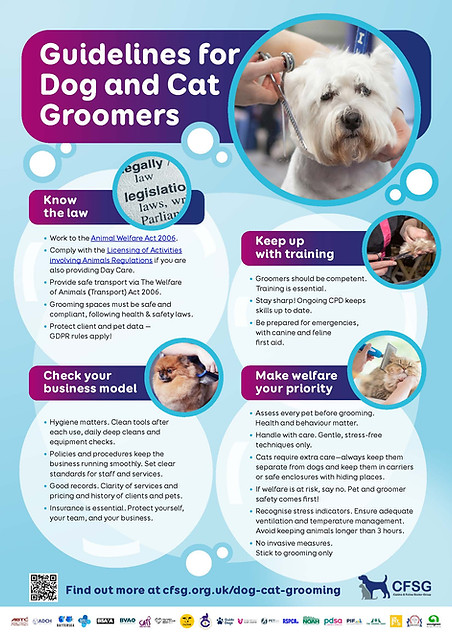
Some cats need expert groomers. Signs include severe anxiety or aggressive behavior. Cats with thick or matted fur also need pros. Professionals have skills and tools for safe grooming. Regular vet checks can recommend grooming services. Don’t wait if grooming causes stress or harm.

Credit: www.latimes.com
Frequently Asked Questions
What Is The Purpose Of Cat Grooming?
Cat grooming helps maintain a cat’s coat, removes dirt, and prevents matting. It also reduces shedding and hairballs. Regular grooming promotes healthy skin and improves your cat’s overall hygiene and comfort.
How Often Should I Groom My Cat?
Most cats benefit from grooming once or twice a week. Long-haired cats may need daily grooming. Frequency depends on your cat’s breed, coat length, and activity level.
What Tools Are Essential For Cat Grooming?
Basic grooming tools include a brush, comb, nail clippers, and grooming wipes. Choose tools suitable for your cat’s fur type to ensure gentle and effective grooming.
Can Grooming Improve My Cat’s Health?
Yes, grooming helps detect skin issues, parasites, and injuries early. It also stimulates blood circulation and reduces stress, contributing to your cat’s overall well-being.
Conclusion
Cat grooming keeps your pet clean and healthy. It helps prevent mats and hairballs. Regular brushing reduces shedding and skin problems. Grooming also lets you check for ticks or wounds. It builds trust and deepens your bond. Simple tools and a gentle touch work best.
Make grooming a calm and positive time. Your cat will feel more comfortable and happy. Keep grooming a regular habit for best results. Caring for your cat this way benefits both of you.


Leave a Reply