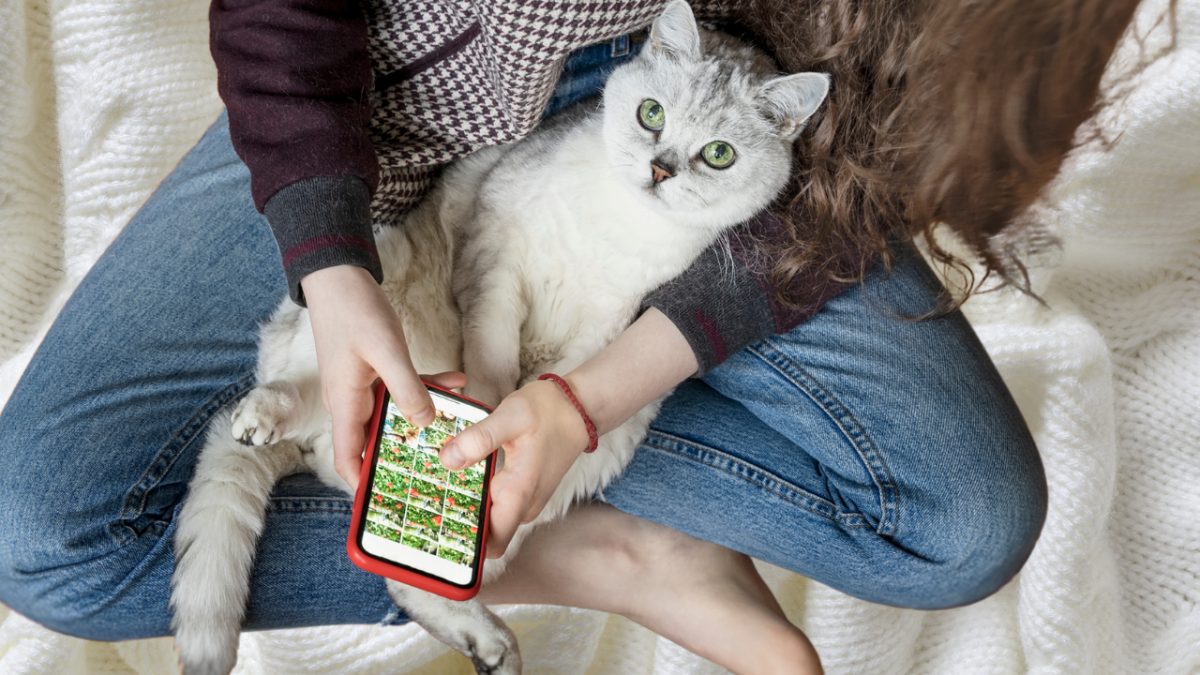
Have you noticed your cat suddenly following you everywhere, seeking constant attention, or acting unusually needy? It might seem cute at first, but this clingy behavior could be a sign that something is wrong with your furry friend’s health.
Understanding what health issues could make your cat clingy is important—not just for your peace of mind, but for your cat’s well-being. Keep reading to discover the hidden reasons behind this change in behavior and learn how you can help your cat feel better.
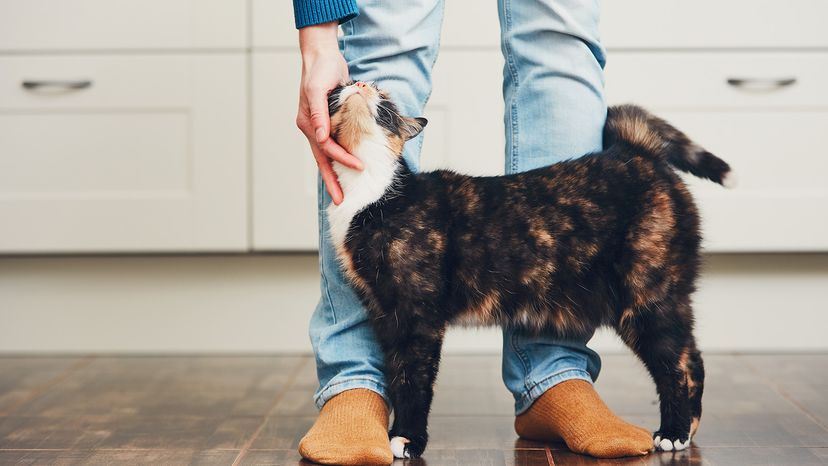
Credit: animals.howstuffworks.com
Behavior Changes In Cats
Behavior changes in cats often signal something important about their health or emotional state. Cats are creatures of habit, so when your feline suddenly becomes clingy, it might be more than just a need for attention. Watching how your cat’s behavior shifts can help you catch early signs of health issues that need your care.
Signs Of Clinginess
You might notice your cat following you everywhere or constantly sitting on your lap when they didn’t before. They may meow more than usual or nudge you repeatedly for affection. Some cats become restless or seem anxious when left alone, displaying a clear need to stay close to you.
Have you seen your cat suddenly paw at you or become unusually vocal? These are subtle signs they want reassurance. Sometimes, clinginess comes with changes like decreased appetite or hiding, which could indicate discomfort or pain.
Normal Vs Unusual Attachment
It’s normal for cats to seek comfort from their owners, especially after changes like moving to a new home or the arrival of a new pet. This kind of attachment usually eases with time and doesn’t interfere with their usual activities. However, if your cat’s clinginess is intense and persistent, it might be a red flag.
- Normal attachment:Brief periods of seeking attention, relaxed when alone, continues to eat and play normally.
- Unusual attachment:Constant need for physical contact, signs of distress when separated, loss of appetite, or changes in litter box habits.
Ask yourself: Is your cat’s clinginess a new behavior or a sign of discomfort? Observing these differences can help you decide when to consult your vet. Your cat’s health might depend on how quickly you respond to these behavior changes.
Common Health Issues Linked To Clinginess
Cats often change their behavior when they face health problems. One common change is becoming clingy. This means your cat might follow you around more or want extra attention. Understanding the health issues behind clinginess can help you care for your pet better. Here are some common health problems linked to clingy behavior in cats.
Pain And Discomfort
Pain can make cats seek comfort from their owners. Injuries, arthritis, or dental problems cause discomfort. Cats may stay close to you to feel safe and get reassurance. Look for signs like limping, licking wounds, or hiding less than usual.
Cognitive Dysfunction
Older cats can develop cognitive dysfunction, similar to dementia in humans. This condition causes confusion and anxiety. Cats with cognitive issues often become more attached and restless. They may meow more and want constant attention from their owner.
Thyroid Problems
Hyperthyroidism is common in older cats and affects behavior. Excess thyroid hormones increase activity and anxiety. Cats with thyroid problems may cling to their owners for comfort. Weight loss and increased appetite are other signs to watch for.
Infections And Illnesses
Various infections make cats feel weak and vulnerable. Fever or sickness can cause clingy behavior as cats seek warmth and care. Common illnesses include upper respiratory infections and urinary tract infections. Monitor your cat’s health and visit a vet if symptoms appear.
Emotional And Psychological Factors
Changes in a cat’s behavior, like clinginess, can stem from emotional stress or anxiety. Illness or pain often makes cats seek comfort and attention from their owners. Feeling unsafe or scared may also cause a cat to become unusually attached.
Cats, much like humans, can experience a range of emotions that affect their behavior. When your feline friend starts to cling to you more than usual, it might be expressing an underlying emotional or psychological issue. Understanding these factors can help you address your cat’s needs effectively and provide the comfort it seeks.Stress And Anxiety
Cats are creatures of habit, and any disruption in their routine can lead to stress and anxiety. A new family member, a change in your work schedule, or even a noisy renovation can unsettle them. You might notice your cat following you everywhere or meowing more than usual. To help ease their stress, try to maintain consistency in their daily routines. Consider providing a safe, quiet space where they can retreat. Calming pheromone diffusers can also aid in reducing their anxiety levels.Loss Or Change In Environment
A move to a new home or a change in household dynamics can trigger a clingy behavior in cats. They might feel insecure in unfamiliar surroundings and seek comfort from you. Did you recently rearrange furniture or adopt another pet? Allow your cat time to adjust to its new environment. Gradual introductions to new spaces or companions can help them feel more secure. Spend extra time playing and cuddling to reassure them of your presence and support.Separation Anxiety
Separation anxiety isn’t just for dogs; cats can experience it too. If your cat becomes overly attached when you’re home and acts out when you’re away, it might be dealing with separation anxiety. This could manifest as excessive grooming, vocalization, or destructive behavior. Try leaving behind a piece of your clothing with your scent when you go out. Engaging toys or treat puzzles can keep your cat occupied and less focused on your absence. Training sessions that gradually increase your time away can also help desensitize them to being alone. Have you noticed any of these behaviors in your cat? Identifying and addressing the root cause of their clinginess can lead to a happier, healthier pet.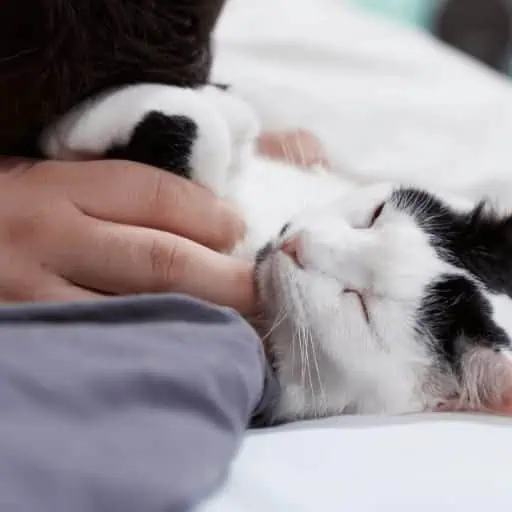
Credit: lifeandcats.com
How To Identify Underlying Health Problems
Cats often hide their pain or illness well. Clingy behavior may signal an underlying health issue. Identifying health problems early helps your cat get timely care. Observe changes in behavior and body to find clues.
Behavioral Signs To Watch
- Increased vocalization or unusual meowing
- Restlessness or pacing
- Sudden aggression or irritability
- Excessive grooming or licking
- Withdrawal from usual activities
- Clinging more than usual to people
Physical Symptoms To Monitor
- Changes in appetite or drinking habits
- Weight loss or gain
- Lethargy or less movement
- Visible wounds or swelling
- Difficulty breathing or coughing
- Vomiting or diarrhea
When To Visit The Vet
See the vet if clinginess comes with these signs:
- Behavioral changes lasting more than two days
- Physical symptoms like vomiting or breathing trouble
- Loss of appetite or drastic weight changes
- Persistent hiding or aggression
- Signs of pain or discomfort
Early vet visits prevent serious problems. Trust your instincts about your cat’s health.
Steps To Help Your Clingy Cat
Noticing your cat becoming clingy can be worrying. It may signal an underlying health issue or emotional distress. Taking the right steps can ease your cat’s discomfort and restore their usual independence.
Veterinary Care And Diagnosis
Start by scheduling a vet visit to rule out medical problems. Cats often become clingy when they feel pain or illness. Your vet can perform exams and tests to identify issues like infections, arthritis, or thyroid problems.
Don’t ignore subtle changes in behavior—they can indicate serious conditions. Early diagnosis helps you provide effective treatment, reducing your cat’s need for constant attention.
Environmental Enrichment
Keep your cat engaged with toys and activities to reduce clinginess. Boredom can cause your cat to seek more attention than usual. Try puzzle feeders, interactive toys, or new scratching posts to stimulate their mind and body.
Think about how your cat spends its day. Does it have enough safe spaces or vertical spots to explore? Adding cozy hideouts or window perches can offer comfort and distraction.
Managing Anxiety And Stress
Stress often triggers clingy behavior in cats. Changes in routine, new pets, or loud noises can make your cat feel insecure. Create a calm environment with consistent feeding times and quiet resting areas.
You might consider calming aids like pheromone diffusers or natural supplements, but always discuss these with your vet first. Have you noticed specific triggers that increase your cat’s clinginess? Identifying them is key to reducing your cat’s anxiety.

Credit: animals.howstuffworks.com
Frequently Asked Questions
Why Is My Cat Suddenly Clingy To Me?
Sudden clinginess may indicate health issues like pain or illness. Cats seek comfort when feeling unwell or stressed. A vet check can rule out medical problems causing clingy behavior.
Can Pain Make My Cat More Attached?
Yes, pain can increase a cat’s need for comfort. Cats often stay close to trusted humans when in discomfort. Observing other signs like limping helps identify pain-related clinginess.
Does Anxiety Cause Clingy Behavior In Cats?
Anxiety can make cats more dependent on their owners. Changes in environment or routine often trigger stress. Providing a calm space and vet advice can help ease anxiety-related clinginess.
Which Illnesses Cause Clinginess In Cats?
Illnesses like hyperthyroidism, urinary tract infections, or cognitive dysfunction can cause clinginess. These conditions affect mood and comfort needs. Early diagnosis improves treatment and reduces clingy behavior.
Conclusion
A cat’s clingy behavior can signal health problems. Pay close attention to changes in mood or habits. Visit a vet if your cat seems more attached than usual. Early care helps your pet stay happy and strong. Understanding your cat’s needs builds a stronger bond.
Trust your instincts and act with care. Your cat depends on you for comfort and health.



Leave a Reply