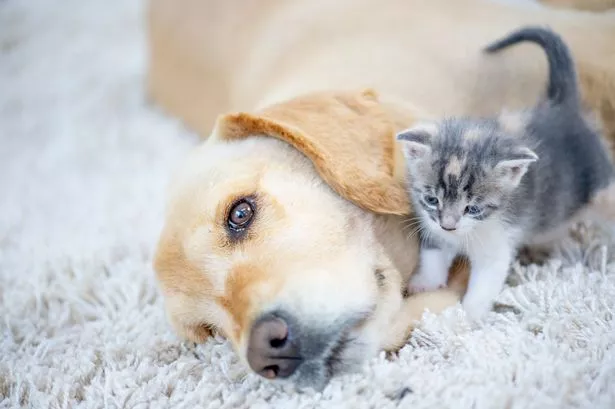
Have you ever wondered what would happen if a dog breeds with a cat? It’s a strange idea that sparks curiosity and maybe even a little surprise.
You might imagine a mix of barking and meowing or a creature with paws like both animals. But is it really possible? And if it were, what would the outcome be? Keep reading, because you’re about to discover the surprising truth behind this unusual question—and it’s not what you might expect.
Your curiosity is about to be satisfied!
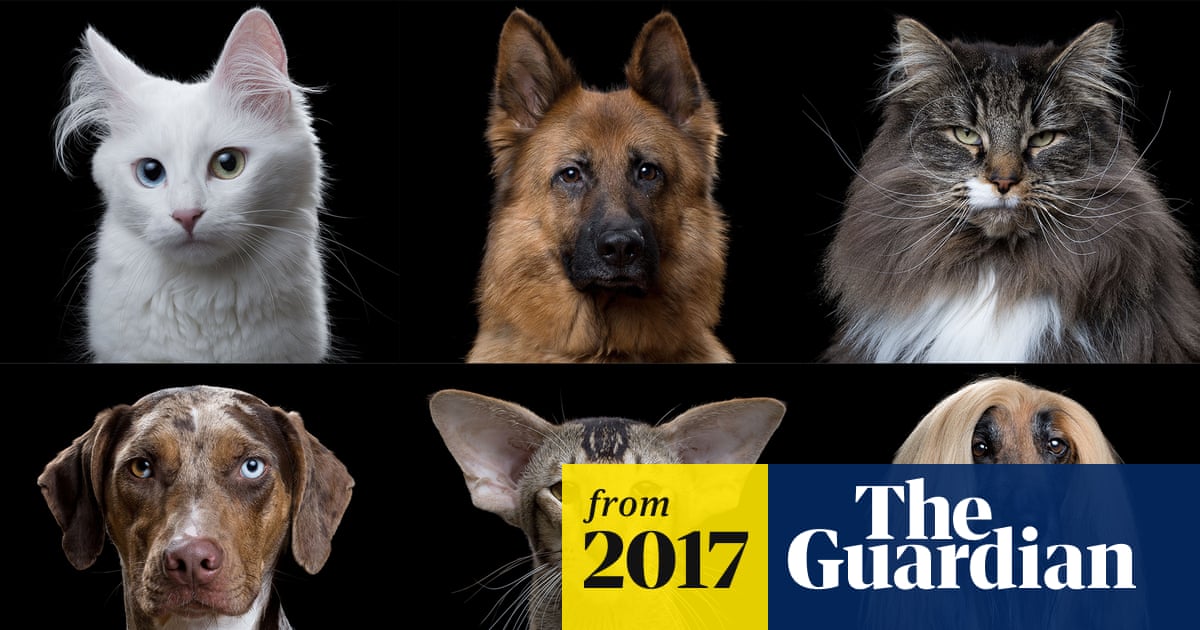
Credit: www.theguardian.com
Dog And Cat Biology
Understanding the biology of dogs and cats is key to answering the curious question of what would happen if a dog breeds with a cat. These two animals belong to completely different species with distinct biological traits. Their differences affect everything from genetics to reproduction, making such a union virtually impossible.
Genetic Differences
Dogs and cats have vastly different genetic makeups. Dogs have 78 chromosomes while cats have 38. This huge difference means their DNA cannot properly align or combine during reproduction.
Think about it like trying to fit puzzle pieces from two different puzzles together—they just don’t match. Even if mating were to occur, the genetic incompatibility prevents fertilization and embryo development.
Have you ever wondered why hybrids like ligers only happen between closely related species? That’s because species with closer genetics have a better chance of producing offspring.
Reproductive Systems
Dogs and cats also have different reproductive systems that make breeding impossible. Their mating behaviors, cycles, and physical anatomy do not align.
For example, dogs have an estrus cycle that occurs twice a year, while cats go into heat multiple times during breeding season. This difference in timing alone prevents natural mating between the two.
Additionally, the size and shape of reproductive organs differ greatly, making physical mating impractical if not impossible. Even if a pairing were attempted, the biological processes required for conception would fail.
Considering these facts, it becomes clear why a dog breeding with a cat remains in the realm of fantasy rather than reality. Understanding the biology helps you see why nature keeps these species separate.
Breeding Possibilities
When you think about the idea of a dog breeding with a cat, it sparks curiosity about what might be possible. While the thought is intriguing, the reality is grounded in biology and genetics. Let’s take a closer look at what breeding possibilities actually exist between these two very different animals.
Cross-species Breeding Facts
Dogs and cats belong to entirely different species with distinct genetic makeups. This means they cannot produce offspring together. Cross-species breeding generally only works between animals that are closely related, like horses and donkeys.
Even within the same genus, successful breeding is rare and usually requires similar chromosome numbers. Dogs have 78 chromosomes, while cats have 38. This large difference makes any kind of hybrid offspring impossible.
You might wonder if there are exceptions or rare cases in nature. While some animals can produce hybrids, such as ligers (lion and tiger), dogs and cats do not share that kind of genetic compatibility.
Biological Barriers
Beyond genetics, biological barriers prevent breeding between dogs and cats. Their mating behaviors, reproductive cycles, and physical anatomy are completely different. These differences stop any natural breeding attempts before they even begin.
Even if mating were forced, the sperm and egg cells wouldn’t be able to fuse and create a viable embryo. This is due to species-specific molecular signals needed for fertilization, which dogs and cats lack between them.
Understanding these barriers helps you appreciate why nature keeps species distinct. It also highlights the importance of respecting animal biology rather than hoping for impossible breeding outcomes.
Common Myths
The notion of a dog breeding with a cat is one of those peculiar myths that has persisted despite its implausibility. It’s a topic that sparks curiosity and a fair share of misunderstandings. Let’s unravel some of these common myths and see why they continue to captivate imagination.
Origins Of The Myth
This myth might originate from the simple observation of dogs and cats living together. People have long observed the interaction between these two popular pets, sometimes leading to playful exchanges that could be misconstrued. Yet, it’s important to remember that different species cannot breed due to biological differences.
Another factor could be the human tendency to create fantastical stories. In ancient times, myths often explained phenomena that people couldn’t understand. Could this be a modern-day equivalent?
Popular Culture Influences
Movies, cartoons, and books have played a significant role in perpetuating this myth. Characters like Tom and Jerry or even more modern animations frequently depict dogs and cats in whimsical scenarios, sometimes blurring the lines of reality.
These fictional portrayals fuel imaginations and, for some, might even seem plausible. Have you ever watched a cartoon and wondered what if it were true?
Ultimately, these myths remind us of the power of storytelling and imagination. Next time you hear a tall tale, consider its origins and enjoy the creativity behind it, but also seek the facts.
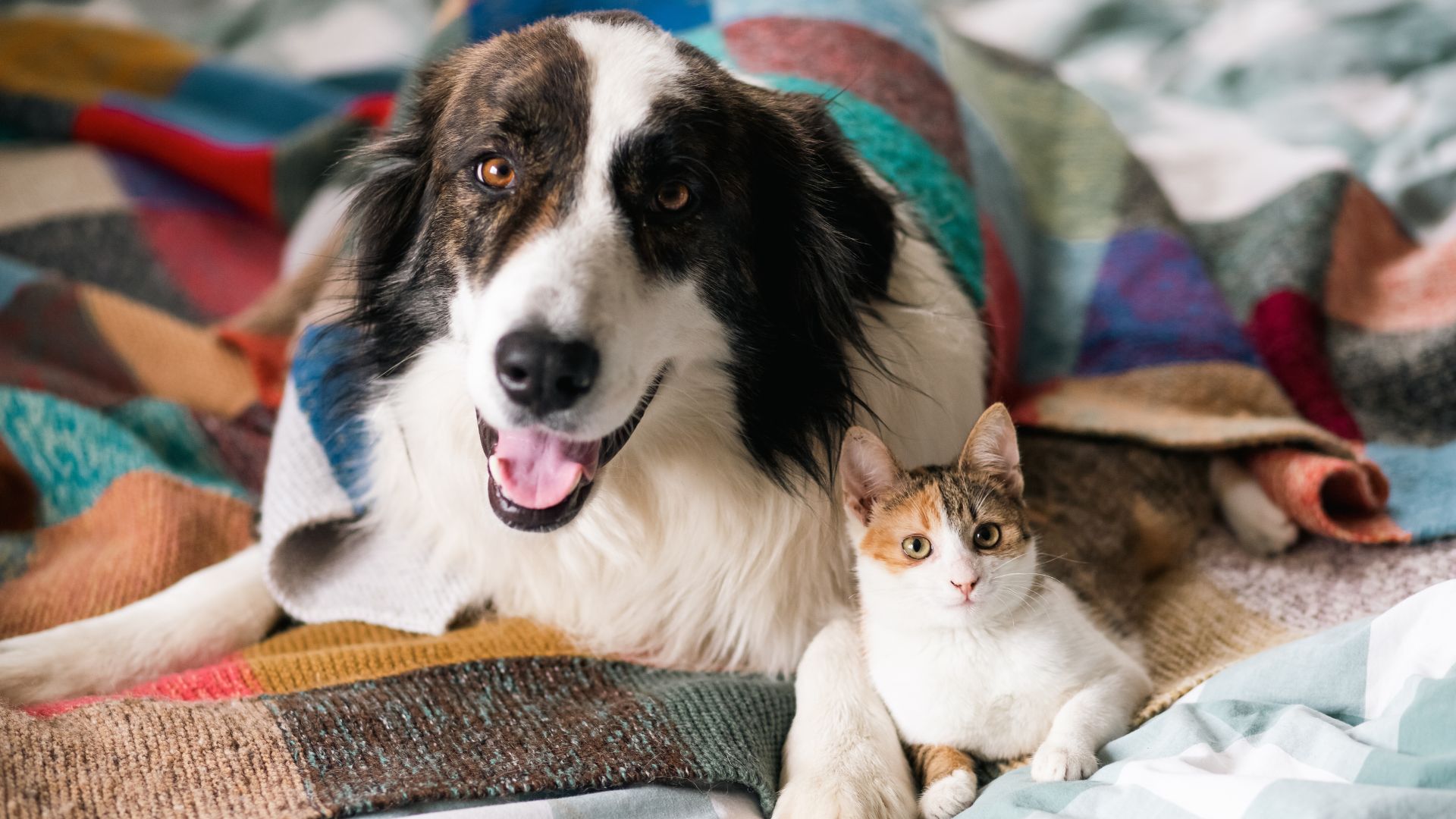
Credit: worldanimalfoundation.org
Scientific Evidence
Scientific evidence is clear when it comes to the question of whether a dog can breed with a cat. Both animals belong to completely different species with distinct genetic makeups. Understanding the science behind their biology helps clarify why such a crossbreeding is impossible.
Research Findings
Studies in genetics show that dogs (Canis lupus familiaris) and cats (Felis catus) have different chromosome numbers—dogs have 78 chromosomes, while cats have 38. This vast difference makes successful breeding between the two biologically unfeasible.
Researchers have also observed that the reproductive systems and mating behaviors of dogs and cats differ significantly. These differences prevent any natural mating process from occurring between them.
Have you ever wondered why some animals can crossbreed while others can’t? It often comes down to genetic compatibility and reproductive biology, which in this case, clearly excludes dog-cat pairings.
Expert Opinions
Veterinarians and animal scientists agree that a dog breeding with a cat is scientifically impossible. Dr. Lisa Matthews, a veterinary geneticist, explains that the genetic gap between species like dogs and cats is too wide for any viable offspring to result.
Experts emphasize that while some animals within the same genus or family can interbreed, dogs and cats are too genetically distant. This distance means no fertilization or embryo development can take place between them.
When you hear rumors or myths about such cross-species breeding, consider the expert consensus that it remains a biological fantasy. Understanding this can help you focus on caring for your pets in ways that respect their natural biology.
Ethical And Practical Concerns
Thinking about what would happen if a dog bred with a cat raises serious ethical and practical questions. Beyond the curiosity, it’s important to consider the impact on the animals involved and the wider consequences. You might wonder how such an idea affects animal welfare and what laws exist around such unnatural acts.
Animal Welfare Issues
Dogs and cats have very different genetic makeups, making breeding between them biologically impossible and potentially harmful if attempted. Such attempts could cause unnecessary stress, injury, or trauma to both animals. Imagine the physical and emotional toll on a dog or cat forced into an unnatural situation—they rely on us to protect their wellbeing.
Breeding should prioritize the health and happiness of animals, not curiosity or novelty. You might ask yourself, is risking the welfare of these creatures worth any imagined outcome? Responsible pet owners focus on care, not creating unnatural hybrids.
Legal Implications
Most countries have strict animal welfare laws that prohibit cruelty and harmful treatment. Forcing or encouraging breeding between species like dogs and cats could violate these laws. You could face serious legal consequences, including fines or criminal charges, if you harm animals this way.
Animal protection laws are designed to prevent exactly this kind of unethical behavior. They remind us that animals have rights and deserve respect. Before entertaining any unusual breeding ideas, consider the legal risks and moral responsibilities you carry as a pet owner or caretaker.
Similar Crossbreeds In Nature
Nature often surprises us with unique animal combinations. Some species can interbreed, creating hybrids with traits from both parents. These natural crossbreeds offer insights into genetics and evolution. Understanding these examples helps explain why certain hybrids are possible, while others are not.
Hybrid Animals Examples
Several well-known animal hybrids exist in nature. Some examples include:
- Liger:Offspring of a male lion and a female tiger.
- Tigon:Born from a male tiger and a female lion.
- Zorse:A mix of a zebra and a horse.
- Wholphin:Result of a false killer whale and a dolphin.
These hybrids often share physical and behavioral traits from both parents. They sometimes appear in captivity or wild areas where species overlap.
Why Dog-cat Hybrids Are Different
Dogs and cats have very different DNA structures. Their chromosomes do not match enough to produce offspring. This genetic gap makes breeding between them impossible.
They belong to distinct families: Canidae for dogs and Felidae for cats. This separation happened millions of years ago. Their physical and reproductive systems are not compatible.
Even if mating occurs, fertilization cannot happen. The biological differences create a strong natural barrier. This is unlike hybrids between closely related species.

Credit: www.oliverpetcare.com
Frequently Asked Questions
Can A Dog And Cat Produce Offspring Together?
No, dogs and cats cannot breed or produce offspring. They are different species with incompatible genetics. Their reproductive systems and DNA differ significantly, making crossbreeding impossible.
What Happens If A Dog Tries To Mate With A Cat?
If a dog tries to mate with a cat, no fertilization occurs. The cat will not become pregnant. Their behaviors and instincts prevent successful mating between these species.
Is It Safe For Dogs And Cats To Mate?
It is not safe or natural for dogs and cats to mate. Attempting this can cause stress or injury. They should be allowed to interact peacefully, not breed.
Why Can’t Dogs And Cats Interbreed Genetically?
Dogs and cats have different chromosome numbers and genetic structures. This genetic gap prevents fertilization and embryo development. Cross-species breeding like this is biologically impossible.
Conclusion
Dogs and cats are very different animals. They cannot breed or have babies together. Their bodies and genes do not match. People may wonder about this, but nature keeps them apart. Both animals need their own kind to reproduce. Enjoying dogs and cats as pets is best.
Each has unique traits and charms. Respecting these differences helps us care for them better. So, no dog-cat babies, just love for both.



Leave a Reply