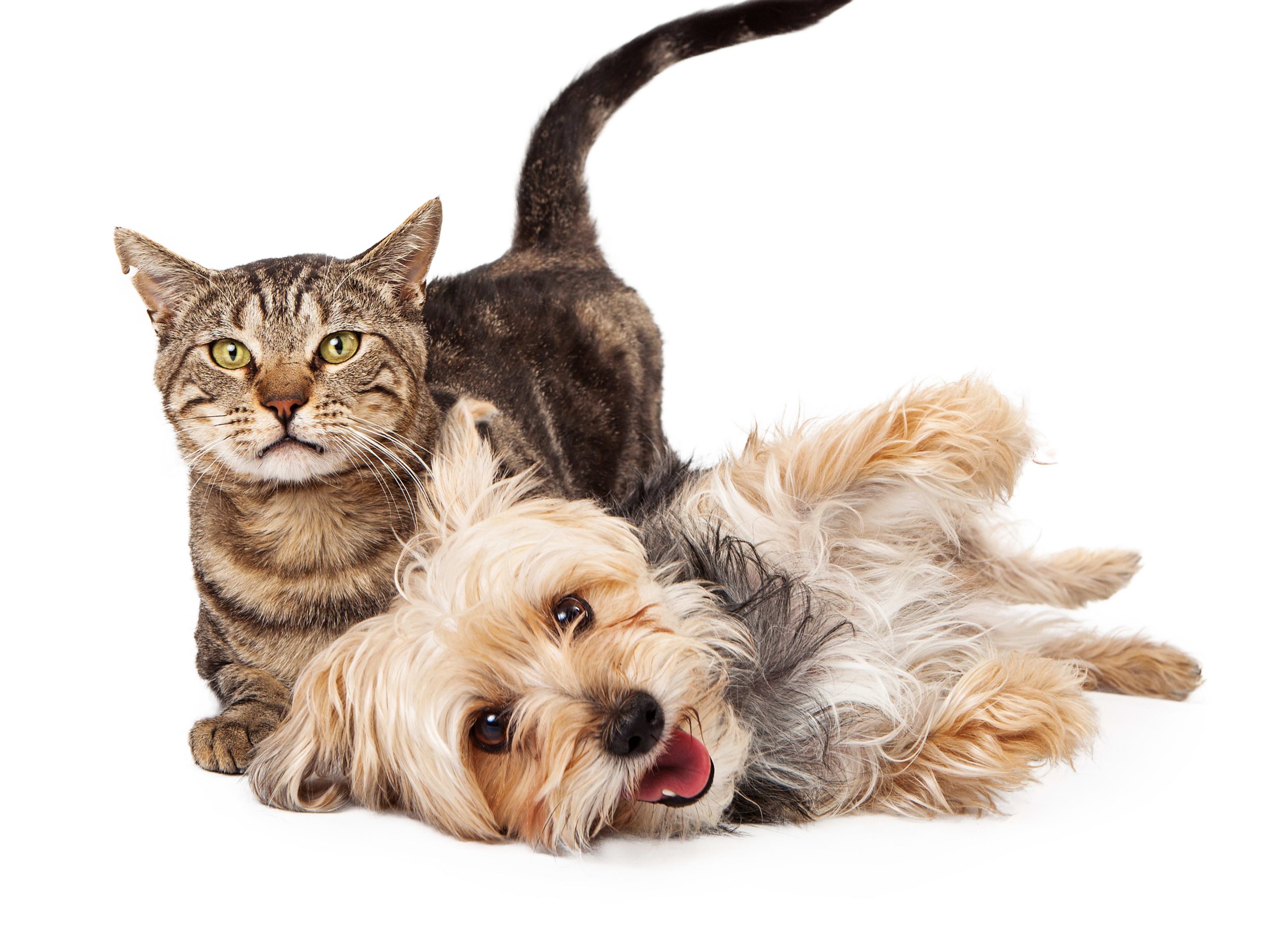
Have you ever wondered what would happen if a cat bred with a dog? It’s a question that sounds strange, maybe even impossible.
But your curiosity might be pushing you to find out if such a crossbreed could exist or what the results might be. You’ll discover the surprising facts behind this unusual idea and why nature has its own rules. Keep reading, because the answers might change the way you think about your furry friends forever.
Biological Differences Between Cats And Dogs
Cats and dogs are two of the most popular pets worldwide. They belong to different species and have many biological differences. These differences stop them from breeding with each other. Understanding these differences helps explain why a cat cannot breed with a dog.
Genetic Incompatibility
Cats and dogs have different numbers of chromosomes. Cats have 38 chromosomes, while dogs have 78. This big gap makes their DNA incompatible. Even if mating occurred, their genes cannot combine to form offspring. Genetic incompatibility is a natural barrier that prevents crossbreeding between these animals.
Reproductive Anatomy
The reproductive organs of cats and dogs differ greatly. Their sizes and shapes do not match for successful mating. Cats have a unique reproductive cycle called induced ovulation, while dogs have a regular heat cycle. These anatomical and physiological differences make mating between cats and dogs impossible.
Gestation Periods
Cats and dogs have different pregnancy lengths. Cats carry their babies for about 63 to 65 days. Dogs have a gestation period of around 58 to 68 days. This difference in gestation disrupts any chance of a shared pregnancy. Their bodies are not designed to support embryos of the other species.
Common Myths About Cat-dog Hybrids
Many people wonder what happens if a cat breeds with a dog. This question often leads to myths and misunderstandings. Common myths about cat-dog hybrids have circulated for years. These myths confuse facts with fiction. They affect how people think about animals and breeding.
Origins Of The Myth
The idea of cat-dog hybrids started long ago. Some believed animals close in size or shape could mate. This belief ignored biology and genetics. Cats and dogs belong to different families. Their genes do not match to create offspring.
People saw strange animal pictures and made guesses. These guesses turned into stories passed through generations. Without scientific proof, the myth grew stronger. Myths often fill gaps in knowledge or explain the unknown.
Popular Culture Influences
Movies, cartoons, and books fueled the myth. Creatures with mixed features appeared for entertainment. These characters made the idea seem real and fun. People liked the unusual animal combinations.
Advertisements and jokes also spread the myth. They showed hybrids as cute or strange pets. This made some believe hybrids could exist naturally. Pop culture plays a big role in shaping what people believe about animals.
Why Crossbreeding Is Impossible
Crossbreeding between a cat and a dog is not possible. These animals belong to different species with many biological differences. Their bodies, genetics, and behaviors do not match for reproduction. Understanding why this crossbreeding cannot happen helps clear many myths.
Chromosome Count Differences
Cats have 38 chromosomes in their cells. Dogs, on the other hand, have 78 chromosomes. This big difference makes it impossible to create offspring. For successful breeding, the chromosome numbers must be similar. Otherwise, the genetic material cannot combine properly.
Even if mating occurred, the chromosomes would not pair up right. This leads to failed fertilization or early embryo death. Nature prevents mixing species with very different genetics to keep animals healthy.
Species-specific Mating Behaviors
Cats and dogs have very different mating habits. Cats use specific sounds and scents to attract mates. Dogs communicate in other ways during their mating season. Their courtship rituals do not match at all.
Also, their reproductive cycles do not align. Cats go into heat several times a year. Dogs have only one or two heat cycles annually. These timing differences stop any chance of breeding.
The physical act of mating is also not compatible. Their body shapes and sizes make mating difficult or impossible. Instincts guide animals to choose mates of their own kind, avoiding crossbreeding.

Credit: www.reddit.com
Cases Of Inter-species Breeding In Nature
Inter-species breeding occurs when animals of different species mate and produce offspring. Nature shows some cases where this happens. Such events often involve animals closely related by genetics. These cases help scientists understand evolution and genetics better.
Some species within the same genus can breed and create hybrids. These hybrids may live but often face fertility issues. Breeding between very different species is rare and usually impossible due to biological differences.
Examples Within The Same Genus
Animals in the same genus share many traits and genetic makeup. This similarity allows some crossbreeding. For example:
- Lions and tigers can produce ligers or tigons.
- Different species of wolves and domestic dogs can mate.
- Some species of deer can interbreed.
Such hybrids often show mixed traits from both parents. Fertility varies, with some hybrids unable to reproduce.
Limitations Across Different Species
Breeding across very different species faces many barriers. Genetic differences cause problems in embryo development. Chromosome numbers and structures must align closely for reproduction.
Cats and dogs belong to separate families and have different chromosomes. This difference makes breeding between them impossible. Even mating attempts do not result in fertilization.
Biological and behavioral differences prevent inter-species breeding in most cases. These barriers protect species’ unique characteristics and survival.
Ethical And Health Concerns
Ethical concerns arise as cats and dogs are different species, making breeding unnatural and harmful. Health risks include genetic defects and serious illnesses in offspring, which can cause suffering for both animals and their babies.
Breeding a cat with a dog is not just a biological impossibility; it raises several ethical and health concerns. These two species have vastly different genetic makeups, and attempting such breeding could lead to significant health issues and suffering. Beyond the scientific barriers, there are deeper questions about animal welfare and responsible breeding practices.Animal Welfare Issues
Attempting to breed a cat and a dog is fraught with animal welfare issues. Both animals could suffer physical harm and stress due to incompatible mating attempts. This raises serious ethical questions about the humane treatment of animals. Consider the stress and trauma these animals might endure in forced breeding situations. Their well-being should be a priority for any pet owner or breeder. Would you risk the health of a beloved pet for an impossible outcome?Breeding Practices To Avoid
Responsible pet ownership includes understanding breeding practices to avoid. Even with compatible species, unethical breeding can lead to health problems and suffering. Avoid any breeding practices that prioritize curiosity over the health and well-being of the animals involved. Focus instead on learning about responsible breeding to ensure the health of future generations of pets. Breeders should adhere to ethical guidelines and prioritize the health of their animals over unusual breeding experiments. This ensures a healthier life for both pets and their potential offspring.
Credit: www.theguardian.com
What Happens When Cats And Dogs Mate
Cats and dogs are very different animals. Their bodies and behaviors do not match for mating. Many people wonder what happens if a cat breeds with a dog. The answer is simple. It is biologically impossible for them to produce offspring together. Still, their interactions can be interesting to explore.
Behavioral Interactions
Cats and dogs often show curiosity about each other. Sometimes, they play or chase each other. Their body language is very different. Dogs may wag their tails to show happiness. Cats use their tails to express mood changes.
- Dogs tend to be more social and eager.
- Cats are usually more cautious and independent.
- Each animal’s reactions depend on its personality.
- Some cats and dogs form strong friendships.
- Others may stay distant or even aggressive.
Potential Outcomes
Biologically, mating between a cat and a dog cannot lead to babies. Their genes and chromosomes differ too much. Even if mating occurs, fertilization is impossible.
Possible outcomes include:
- No pregnancy or offspring.
- Temporary confusion or stress for the animals.
- Learning boundaries and social cues.
- Developing unique bonds in rare cases.
Understanding their differences helps care for both pets well. Respecting their nature keeps them happy and safe.
Scientific Perspectives On Hybrid Animals
Scientific perspectives on hybrid animals explore the possibility of breeding between different species. Scientists study genetics, reproduction, and evolutionary biology. These studies help understand which animals can produce offspring and which cannot. Hybrid animals are rare but fascinating examples of nature’s complexity.
Real Hybrid Examples
Some animals can mate and produce hybrids. These hybrids usually happen between closely related species. For example:
- Liger: a cross between a male lion and a female tiger.
- Mule: a cross between a male donkey and a female horse.
- Zonkey: a cross between a zebra and a donkey.
These hybrids often show traits from both parents. They help scientists study genetics and evolution. Hybrids sometimes cannot reproduce, which limits their spread.
Why Cat-dog Hybrids Are Not Feasible
Cats and dogs belong to very different families. Cats are felines, and dogs are canines. Their DNA and chromosome numbers differ greatly.
Reproductive systems are also incompatible. Eggs and sperm cannot fuse properly across these species. Their mating behaviors and signals do not match.
These factors make cat-dog hybrids biologically impossible. No scientific evidence supports such a hybrid’s existence. Nature sets clear limits on cross-species breeding.

Credit: www.newsweek.com
Frequently Asked Questions
Can Cats And Dogs Breed Successfully?
No, cats and dogs cannot breed successfully. They belong to different species with incompatible genetics. Their DNA differences prevent fertilization and offspring.
What Happens If A Cat Tries To Mate With A Dog?
If a cat tries to mate with a dog, no pregnancy occurs. The mating attempt is usually unsuccessful due to size and behavior differences.
Are Hybrid Cat-dog Offspring Possible?
No, hybrid cat-dog offspring are biologically impossible. Their chromosomes and reproductive systems differ too much for viable hybrids to form.
Why Can’t Cats And Dogs Produce Babies Together?
Cats and dogs have different numbers of chromosomes. This genetic mismatch makes producing offspring impossible between these species.
Conclusion
Cats and dogs cannot breed due to different genetics. Their bodies and behaviors are not compatible. Nature keeps their species separate for a reason. Trying to crossbreed them is impossible and can be harmful. It’s best to enjoy each pet for its unique traits.
Understanding this helps us respect animals better. Love and care matter more than mixing breeds. Pets bring joy in many ways, just as they are.

Leave a Reply