Are you wondering if breeding your female cat could affect her growth? It’s a question many cat owners ask but don’t always find clear answers to.
Understanding how breeding impacts your cat’s development is key to keeping her healthy and happy. You’ll discover the truth about whether breeding can stunt your female cat’s growth and what you can do to support her well-being throughout the process.
Keep reading to learn important facts that every cat owner should know.
Common Beliefs About Breeding And Growth
Many cat owners wonder if breeding female cats affects their growth. This question often leads to various beliefs and assumptions. Understanding these common beliefs can help you make informed choices for your feline friend.
Origins Of The Growth Myth
The idea that breeding stunts a female cat’s growth likely comes from observations of cats that seem smaller after having kittens. Some people assume that pregnancy diverts nutrients away from the mother’s development, limiting her size. However, this belief doesn’t consider that a cat’s growth mostly completes before she reaches breeding age.
In reality, most cats finish growing by the time they are about one year old. Breeding typically happens after this growth phase, so it’s unlikely to stunt their size. Have you noticed whether your cat’s size changed after her first litter? Many owners don’t see a difference.
Popular Opinions Among Cat Owners
- Some believe early breeding can keep a cat smaller and more manageable.
- Others feel that breeding might weaken a cat, causing her to appear less robust or healthy.
- A few argue that the energy used in pregnancy and nursing could slow growth if breeding starts too early.
These views often come from personal experiences or stories rather than scientific evidence. If you’ve ever talked to other cat owners, you might have heard these opinions shared enthusiastically. What’s important is to consider your cat’s health and development individually, rather than relying solely on popular beliefs.
Credit: meowfeeders.com
Biological Aspects Of Cat Growth
Understanding the biological aspects of cat growth helps clear up many misconceptions, including whether breeding female cats stunt their growth. A cat’s development involves multiple stages influenced by genetics, nutrition, and overall health. Knowing these factors can help you care better for your feline friend and make informed decisions about breeding.
Growth Stages In Female Cats
Female cats grow rapidly during their first six months, nearly doubling in size. This phase includes kittenhood and adolescence, where bones and muscles develop quickly. Around six to twelve months, growth slows as cats approach their adult size, but subtle changes continue for up to two years.
Interestingly, female cats often reach maturity slightly earlier than males. This means they might be physically ready for breeding before they finish growing. Have you noticed your female cat acting more mature around one year old? That’s part of this natural timeline.
Factors Influencing Size And Development
Several factors shape a female cat’s size and growth rate. Genetics play a huge role—your cat’s parents’ size can hint at how big she’ll get. Nutrition is just as important; without proper food, growth can slow or stop prematurely.
- Health status:Illness or parasites can stunt growth by diverting energy away from development.
- Environment:Stress or poor living conditions impact hormonal balance, affecting growth.
- Breeding frequency:Frequent pregnancies can tax a cat’s body, potentially affecting her overall development.
Knowing these influences can help you answer a key question: does breeding stunt growth? While breeding may put physical demands on a young female cat, it doesn’t directly stop growth. Instead, poor nutrition or health during breeding periods can slow development.
Impact Of Breeding On Physical Development
Breeding female cats does not stunt their growth but may affect their overall health if not managed well. Proper care ensures normal physical development during and after breeding. Growth depends more on nutrition and genetics than on breeding itself.
Breeding female cats can significantly influence their physical development. This process demands a lot from the cat’s body, potentially affecting its growth. Understanding these impacts can help you ensure the well-being of your feline friends.Energy Demands During Pregnancy
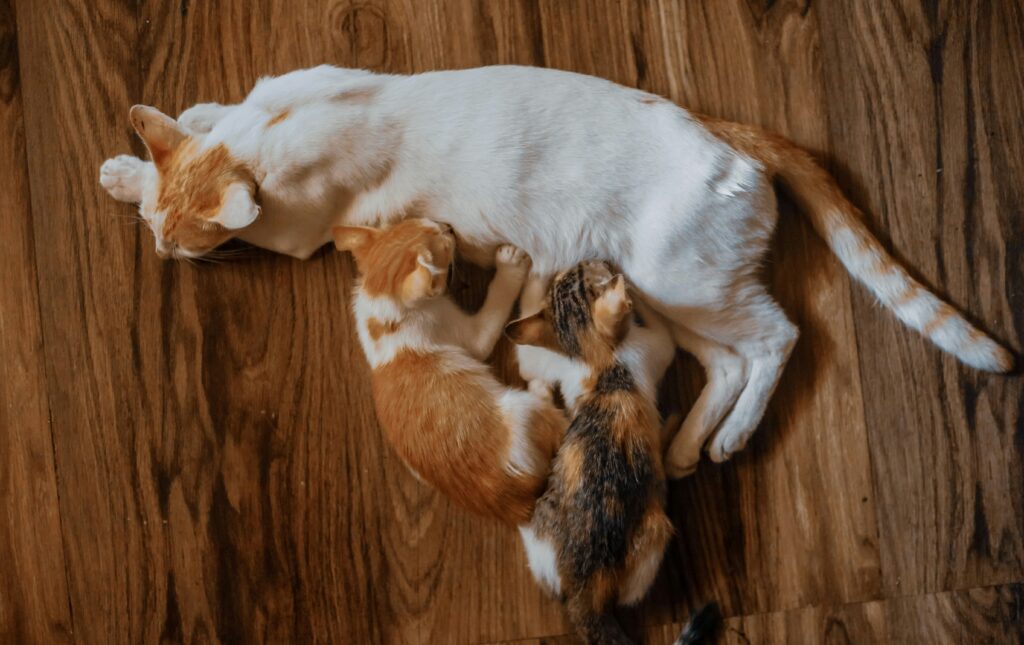
Pregnancy in cats requires substantial energy, which can divert resources away from growth. The cat’s body prioritizes nurturing the developing kittens over its own physical growth. This can sometimes result in a stunted growth if the cat is still in its growing phase. Pregnant cats often need more food to meet these energy demands. Ensuring a balanced diet is crucial to support both the mother and her kittens. How do you ensure your cat gets enough nutrients during this time?Post-breeding Recovery And Growth
After giving birth, female cats need time to recover and regain their strength. This period is crucial for the cat to resume its growth if it’s still young. Adequate rest and proper nutrition play a significant role in this recovery phase. Some cats may experience a growth spurt once they are no longer pregnant. This can be an exciting time to observe as their bodies return to focusing on their own development. Have you noticed any changes in your cat’s growth post-breeding? Understanding the impact of breeding on a cat’s physical development ensures you provide the best care possible. By being mindful of their energy needs and recovery process, you can support both the mother cat and her kittens effectively.
Credit: www.petscare.com
Scientific Studies And Evidence
Understanding whether breeding female cats stunt their growth requires a close look at scientific studies and expert insights. Growth in cats depends on many factors, such as genetics, nutrition, and health. Examining research helps separate myths from facts, guiding you to make the best decisions for your cat’s well-being.
Research On Breeding And Growth Patterns
Scientific studies show that breeding itself does not directly stunt a female cat’s growth. Growth plates in cats typically close between 12 and 18 months of age, which means most cats reach their full size before they begin breeding.
One study observed growth rates in breeding queens versus non-breeding cats and found no significant difference in their adult size. However, if a cat becomes pregnant very early, before full maturity, the energy demands of pregnancy might affect her overall development slightly.
This means that while breeding doesn’t inherently stunt growth, early pregnancy might influence a young cat’s health and size. It raises the question: are you allowing your female cat enough time to fully mature before breeding?
Expert Opinions From Veterinarians
Veterinarians emphasize the importance of timing when it comes to breeding female cats. Most agree that waiting until a cat is at least 12 months old ensures she has finished growing and is physically prepared for pregnancy.
Experts also highlight that nutrition plays a crucial role during breeding and growth. A well-balanced diet supports both the mother’s health and the development of her kittens without compromising growth.
Many vets warn against breeding cats too early because it can lead to health complications, but they do not link breeding with stunted growth if done responsibly. They often advise cat owners to monitor their pet’s health closely throughout the process to catch any issues early.
Nutrition And Care For Breeding Cats
Proper nutrition and care are vital for breeding female cats. Their bodies undergo many changes during breeding cycles. These changes demand extra attention to diet and health. Feeding the right nutrients helps maintain strength. It also supports healthy growth for both mother and kittens.
Understanding the specific needs during breeding can prevent health problems. It ensures the female cat stays energetic and balanced throughout the process.
Dietary Needs During Breeding Cycles
Breeding cats require more calories than usual. Their diet should have high protein and fat content. These nutrients supply energy for pregnancy and nursing. Vitamins and minerals are essential for development and recovery.
- Increase food portions gradually as pregnancy advances
- Choose high-quality commercial cat food designed for pregnant cats
- Include supplements only after consulting a vet
- Ensure constant access to fresh water
Frequent feeding helps maintain energy and supports milk production. Avoid sudden diet changes to prevent digestive upset.
Ensuring Healthy Development
Health checks are important during and after breeding. Regular vet visits detect issues early. Monitor weight and behavior closely. Watch for signs of stress or illness.
- Provide a calm, clean space for rest
- Keep vaccinations and parasite control up to date
- Offer gentle exercise to maintain muscle tone
- Support social interaction to reduce anxiety
Good care creates a strong foundation for the mother’s growth. It also promotes healthy kitten development.
Myths Versus Reality
Many cat owners worry about breeding female cats and how it affects their growth. Some believe breeding stunts their size or health. Others say it has no real impact. Separating myths from facts is important for proper care. Understanding the truth helps owners make smart choices for their cats.
Common Misconceptions Debunked
One common myth is breeding stops a female cat from growing. Cats usually finish growing by 12 months old. Breeding often happens after this stage. Another false belief is breeding weakens the cat’s body permanently. While pregnancy and nursing require energy, cats usually recover well.
Some think early breeding harms the cat’s bones and joints. There is no strong proof for this. Proper nutrition and veterinary care matter more. A few believe breeding shortens a cat’s lifespan. Healthy cats with good care can live long lives despite breeding.
Real Effects Of Breeding On Growth
Breeding can affect a cat’s body temporarily. Pregnant cats may gain weight and look different. Nursing kittens can cause weight loss and tiredness. These changes do not stunt growth. The cat’s size is mostly set by genetics and age.
Energy needs rise during pregnancy and nursing. A cat needs more food and rest. Without good care, health issues can arise. This may slow growth in young cats bred too early. Breeding mature cats usually does not affect growth.
Stress from pregnancy and caring for kittens can impact health. Calm environments and proper support reduce risks. Regular vet checkups help monitor health during breeding. Overall, breeding does not stunt growth but requires responsible management.
Alternatives To Breeding For Cat Owners
Choosing not to breed your female cat can have a positive impact on her growth and overall well-being. There are several alternatives that help you maintain your cat’s health without the need for breeding. These options also prevent unwanted litters and support responsible pet ownership.
Spaying Benefits And Timing
Spaying your cat is one of the most effective ways to avoid the risks that come with breeding. It prevents heat cycles, which can be stressful and sometimes lead to behavioral changes.
Timing matters. Most vets recommend spaying before the cat reaches six months old, often before the first heat. This helps your cat grow without the hormonal fluctuations that can affect development.
Spaying also lowers the risk of certain cancers and infections. It keeps your cat healthier in the long run, allowing you to focus on her happiness and comfort.
Managing Cat Health Without Breeding
Keeping your cat healthy doesn’t require breeding. Regular vet visits, a balanced diet, and plenty of playtime go a long way.
- Schedule routine check-ups to catch any issues early.
- Provide nutritious food tailored to your cat’s age and needs.
- Encourage physical activity to maintain a healthy weight and strong muscles.
Have you noticed how your cat’s personality changes when she’s active and engaged? Mental stimulation is just as important as physical health.
Consider interactive toys or puzzle feeders to keep her mind sharp. These small changes improve her quality of life without the complications of breeding.
Credit: thelittlecarnivore.com
Frequently Asked Questions
Does Breeding Stunt Growth In Female Cats?
Breeding female cats does not stunt their physical growth. Growth is primarily influenced by genetics and nutrition, not reproductive activity. However, early or frequent breeding can affect overall health and development, so proper care is essential for young female cats.
When Do Female Cats Reach Full Growth?
Female cats typically reach full growth between 9 to 12 months old. Some larger breeds may take up to 18 months. Growth completion depends on genetics, diet, and health rather than breeding status.
Can Early Breeding Harm A Female Cat’s Development?
Yes, early breeding before full maturity can negatively affect a female cat’s health and development. It may cause stress, nutritional deficiencies, and stunt growth indirectly by compromising overall well-being.
Does Pregnancy Affect A Cat’s Size Permanently?
Pregnancy does not permanently affect a cat’s size. Weight may fluctuate during pregnancy and nursing, but it does not change genetic growth potential or final adult size.
Conclusion
Breeding female cats does not stunt their growth. A cat’s size mainly depends on genetics and nutrition. Proper care ensures healthy development. Breeding may affect energy and health but not bone growth. Watch your cat’s diet and health closely. Give her a safe, stress-free environment.
Growth happens naturally with good care. Remember, a happy cat grows best. Keep learning about cat health for better care. Your cat deserves the best support to thrive.

Leave a Reply