You want the best for your cat, and that means keeping them healthy from the start. But did you know that different cat breeds can have unique genetic health risks?
Knowing which genetic health screens your cat breed needs can make a huge difference in their quality of life. You’ll discover exactly what tests are important for your cat’s breed and how these screenings can help prevent serious health problems.
Keep reading to protect your furry friend and give them the happy, healthy life they deserve.
Common Genetic Disorders In Cats
Cats can inherit health problems from their parents. These genetic disorders may affect their quality of life. Knowing common genetic disorders helps owners keep cats healthy. Early screening can prevent serious illness.
Breed-specific Conditions
Different cat breeds face unique health risks. Some problems are common in certain breeds only. For example:
- Persian Cats:Often suffer from polycystic kidney disease (PKD).
- Maine Coons:Prone to hypertrophic cardiomyopathy (HCM), a heart disease.
- Siamese Cats:May develop progressive retinal atrophy (PRA), causing blindness.
- Bengal Cats:Sometimes have issues with patellar luxation (knee problems).
Knowing these risks helps choose the right genetic tests for your cat.
Inherited Diseases Overview
Inherited diseases pass from parents to kittens through genes. These diseases can be mild or severe. Some common inherited conditions include:
- Heart diseases like hypertrophic cardiomyopathy (HCM).
- Kidney problems such as polycystic kidney disease (PKD).
- Eye diseases including progressive retinal atrophy (PRA).
- Blood disorders like pyruvate kinase deficiency (PK deficiency).
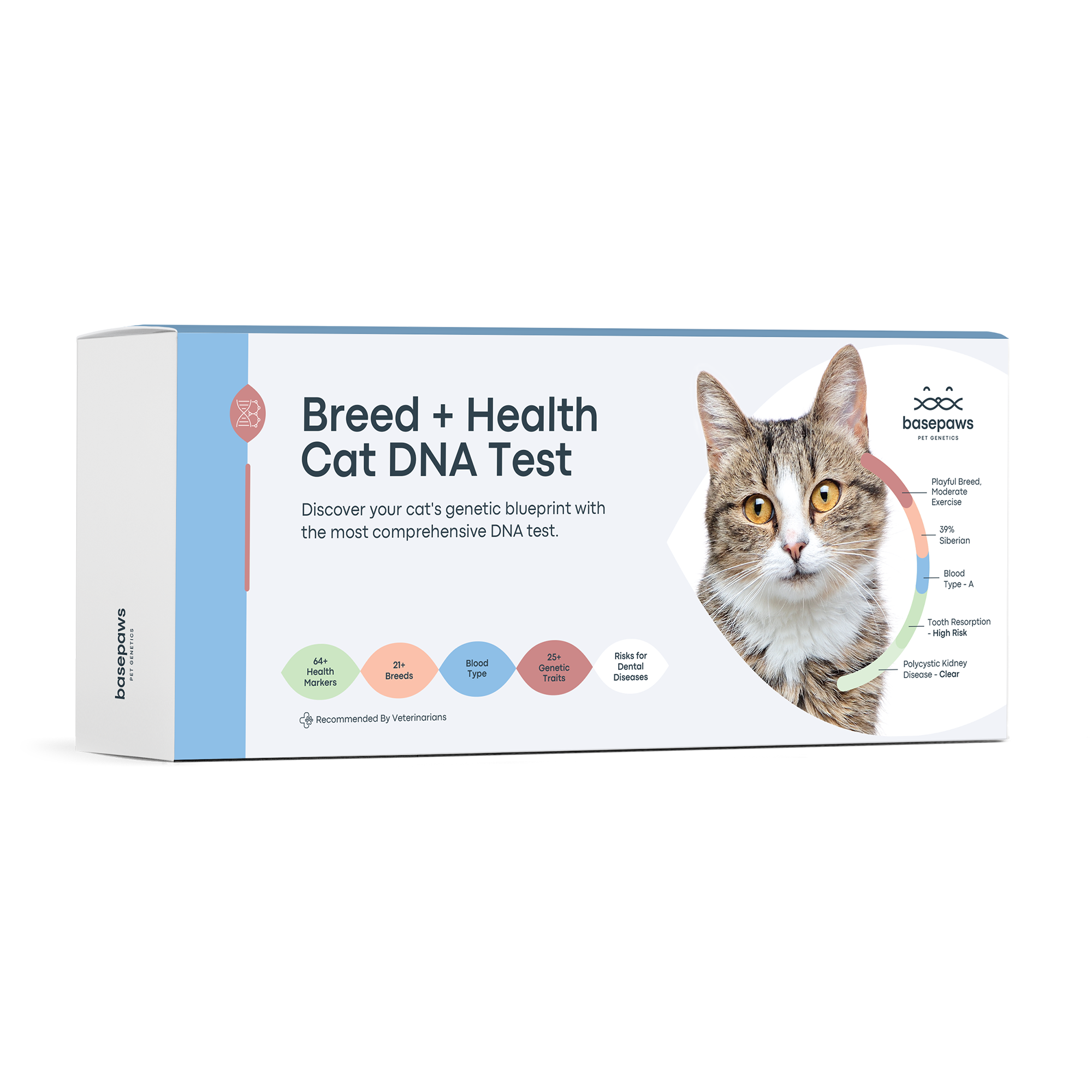
Genetic testing identifies carriers and affected cats early. Testing helps breeders avoid passing diseases to future generations.
Credit: basepaws.com
Key Genetic Tests For Popular Breeds
Genetic health screening helps protect cats from inherited diseases. Different breeds have unique risks. Testing lets owners and vets catch problems early. This section covers key genetic tests for popular cat breeds.
Tests For Persian Cats
Persian cats often face polycystic kidney disease (PKD). Genetic testing detects this condition early. It causes kidney failure over time. Screening for progressive retinal atrophy (PRA) is also important. This disease leads to blindness. Persian cats may carry hypertrophic cardiomyopathy (HCM) genes. Testing helps manage heart health before symptoms appear.
Screening For Siamese Cats
Siamese cats have a higher chance of amyloidosis. This disease affects the liver and kidneys. Genetic tests can identify carriers. Progressive retinal atrophy (PRA) is another concern. Early detection protects their vision. Some Siamese cats carry genes for cross-eyed traits. These tests support healthier breeding choices.
Checks For Maine Coon Cats
Maine Coons are prone to hypertrophic cardiomyopathy (HCM). Genetic testing finds affected cats. Early diagnosis improves care and lifespan. Spinal muscular atrophy (SMA) is common in this breed. Testing prevents passing it to kittens. Hip dysplasia can also affect Maine Coons. Genetic screening helps reduce this risk.
Testing For British Shorthair
British Shorthairs may inherit hypertrophic cardiomyopathy (HCM). Genetic tests identify risks. Polycystic kidney disease (PKD) occurs but is less common. Progressive retinal atrophy (PRA) tests protect their eyesight. Genetic screening supports healthier breeding and pet care.
How Genetic Screening Works
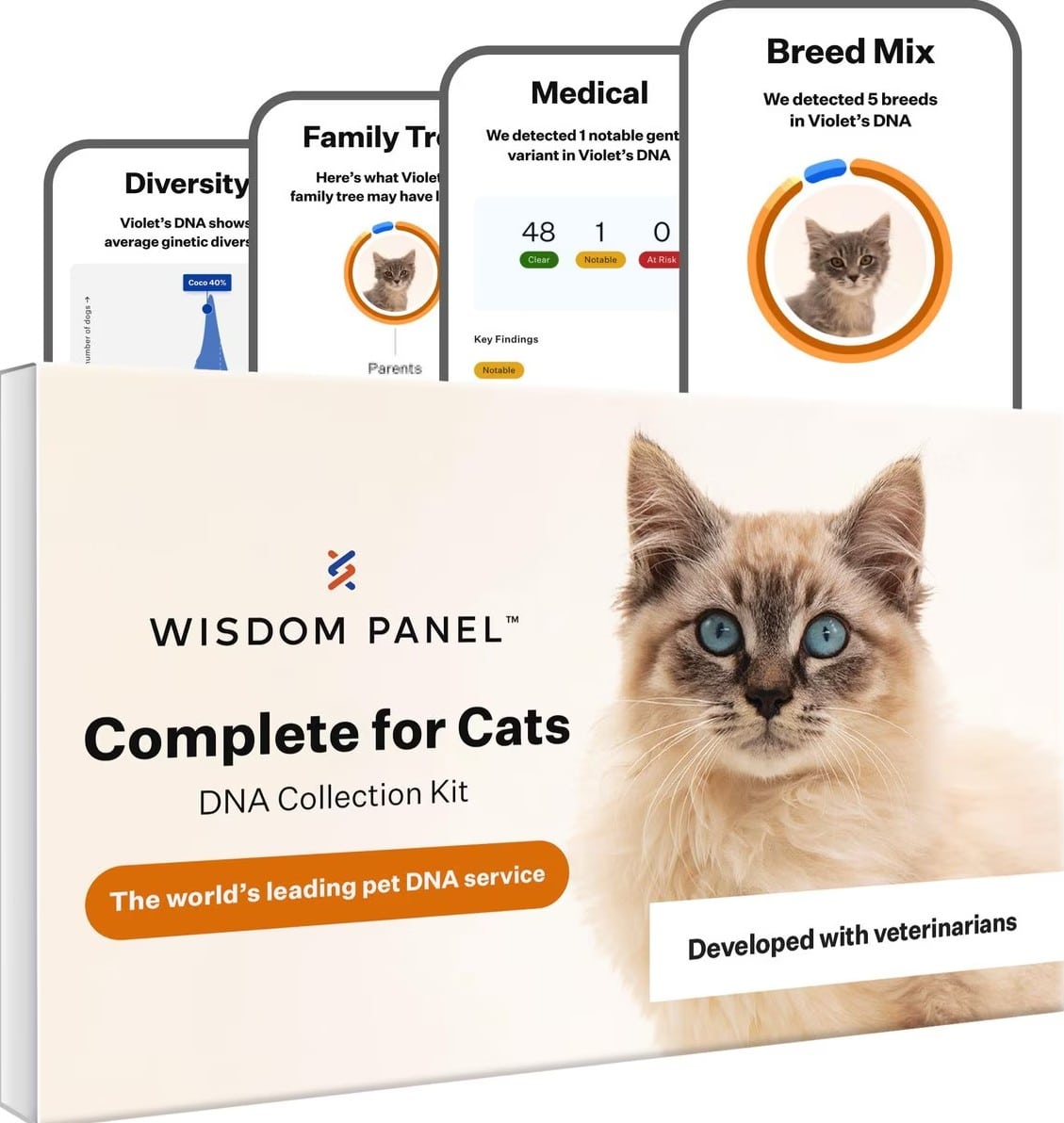
Genetic screening tests a cat’s DNA to find genes linked to health problems. Different breeds need specific tests based on common risks. This helps owners and vets keep cats healthy and catch issues early.
Understanding the intricacies of genetic screening for your cat can be both fascinating and crucial for its health. Genetic screening helps identify potential hereditary health issues before they manifest. But how exactly does this process work? By delving into the steps involved, you can ensure your feline companion stays purr-fectly healthy.Sample Collection Methods
The first step in genetic screening involves collecting a sample from your cat. This is often a simple and non-invasive process. Vets typically use methods like cheek swabs or small blood samples. You may wonder, does my cat feel any pain during this? Thankfully, these methods are designed to be stress-free for your pet. Some tests even allow you to collect samples at home, making it convenient and easy.Interpreting Test Results
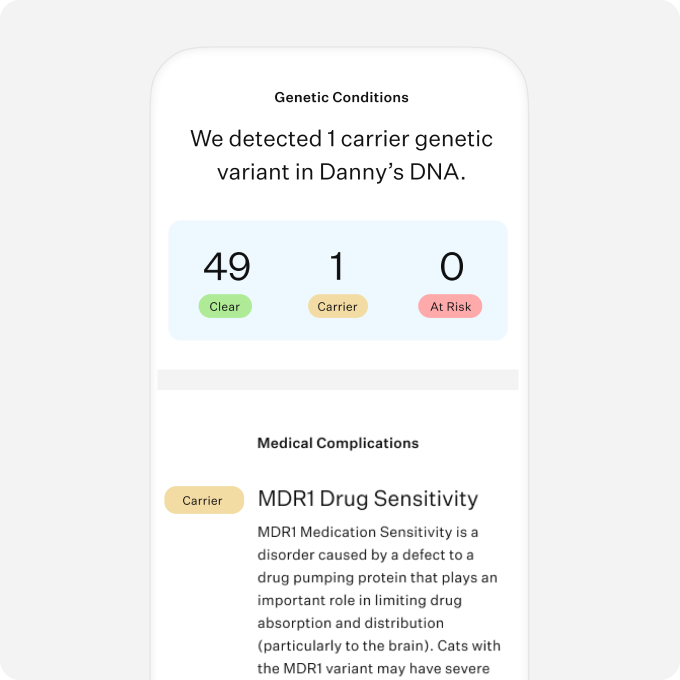
After the sample is collected, the real magic happens in the lab. Specialists analyze the DNA to identify genetic markers associated with specific health conditions. This data is then translated into test results that you can understand. But what do these results mean for your cat’s future? They provide insights into potential health risks, allowing you to take preventative measures. By understanding these results, you can make informed decisions about your cat’s diet, lifestyle, and veterinary care. Taking proactive steps through genetic screening can be a game-changer for your cat’s well-being. Have you considered how this knowledge could impact your care routine? Understanding your pet’s genetic predispositions opens the door to a healthier, happier life.Benefits Of Genetic Health Screens
Genetic health screens offer more than just peace of mind—they provide actionable information that can shape the future health of your cat. These tests help identify potential risks early, allowing you to take steps that may prevent serious health problems down the road. Understanding the benefits can motivate you to prioritize genetic screening for your cat breed.
Preventing Hereditary Diseases
Genetic screening helps detect inherited conditions before symptoms even appear. This early detection allows you to manage or avoid diseases that are common in specific breeds. Imagine saving your cat from unnecessary suffering just by knowing which genes to watch out for.
For example, a Maine Coon cat might be prone to hypertrophic cardiomyopathy, a heart condition. Genetic tests can reveal if your cat carries this risk, enabling you to work with your vet on preventive care.
Improving Breeding Outcomes
If you are a breeder, genetic screens are essential tools for making informed decisions. They help you select cats that are less likely to pass on harmful genes to their offspring. This leads to healthier litters and reduces the chance of costly and heartbreaking health issues.
Consider how genetic testing helped a breeder I know avoid pairing two carriers of a serious condition, which resulted in a litter free of that disease. Don’t you want the same confidence in your breeding program?
Enhancing Cat Longevity
Knowing your cat’s genetic profile can extend their lifespan by guiding you toward tailored care plans. When you understand specific health risks, you can adjust their diet, exercise, and medical check-ups accordingly. This personalized approach supports a longer, happier life for your feline friend.
Have you thought about how a simple test could add years to your cat’s life? It’s not just about living longer, but living better.
Choosing The Right Genetic Tests
Choosing the right genetic tests for your cat breed can feel overwhelming. Each breed has its own set of health concerns, and not every test is necessary for every cat. Knowing which tests to prioritize helps you protect your pet’s health without wasting time or money.
Consulting With Veterinarians
Your vet is a valuable partner in deciding which genetic screens your cat needs. They understand the common health issues in specific breeds and can recommend tests that target those risks.
For example, if you have a Maine Coon, your vet might suggest screening for hypertrophic cardiomyopathy, a heart condition common in that breed. Have you asked your vet about the latest tests available? Their advice can save you from unnecessary or irrelevant screenings.
Using Breed Health Databases
Breed health databases collect information from breeders, vets, and researchers to identify genetic problems common in certain cats. Checking these resources helps you focus on tests that actually matter for your cat’s breed.
Sites like the Cat Genome Project or the International Cat Association provide detailed health profiles for many breeds. Have you explored these databases to see if your cat’s breed has any known genetic risks? This step makes your testing choices smarter and more targeted.
Evaluating Testing Laboratories
Not all genetic testing labs offer the same quality or range of tests. It’s important to choose a lab with a strong reputation and up-to-date technology.
Look for labs that provide clear explanations of their tests, quick turnaround times, and support for interpreting results. Have you checked reviews or asked other cat owners about their experiences with different labs? Picking the right lab ensures you get accurate and useful information.
Costs And Accessibility Of Tests
Understanding the costs and accessibility of genetic health screens is essential for any cat owner who wants to keep their feline friend healthy. These tests can vary widely in price and availability, depending on your cat’s breed and where you live. Knowing what to expect helps you plan better and make informed decisions for your cat’s well-being.
Price Range Expectations
Genetic tests for cats can range from affordable to quite expensive. Basic screening panels might cost between $50 to $150, covering common breed-specific conditions. More comprehensive tests that check for multiple genetic markers or rare diseases can run from $200 to $400 or more.
Some labs offer bundled packages, which often save you money if you test for several conditions at once. Keep in mind that additional costs may come up for vet visits or sample collection. Have you checked if your vet can collect samples during a regular appointment to save time and money?
Availability By Region
Access to genetic testing for cats varies depending on your location. In major cities or regions with a strong pet care industry, you’ll find many labs offering quick and reliable testing. Rural areas might have fewer options, sometimes requiring you to send samples to distant labs.
Online services have made testing more accessible, but shipping samples internationally can add delays and extra costs. It’s worth asking your vet if they partner with specific labs or if there are regional testing centers that specialize in your cat’s breed. How easy is it for you to get a reliable test without long waits or complicated logistics?
Ethical Breeding And Genetic Screening
Ethical breeding goes beyond choosing cats with pretty looks. It involves a deep responsibility to ensure the health and well-being of future generations. Genetic screening plays a crucial role here by helping breeders identify and reduce inherited health risks in their cats.
By using genetic health screens, you can avoid passing on diseases that may not show up until later in life. This approach protects the breed’s overall health and gives every kitten a better chance at a long, happy life. But ethical breeding is not just about individual cats—it’s about the entire population.
Promoting Healthy Cat Populations
Genetic screening helps maintain the health of the whole breed. When breeders test their cats, they can make smarter pairing choices that reduce the chance of hereditary illnesses. This benefits the breed by keeping genetic disorders from becoming common.
Think about it: if you’re a breeder, wouldn’t you want to offer kittens that are less likely to face serious health problems? Ethical breeders prioritize this, which also builds trust with buyers who want healthy pets. You can contribute by demanding health screenings before choosing a breeding pair.
Avoiding Genetic Bottlenecks
One big risk in breeding is genetic bottlenecks. This happens when only a few cats are used for breeding, reducing the gene pool and increasing health risks. Genetic screening allows breeders to identify carriers of harmful genes and avoid overusing related cats.
Keeping diversity in your breeding program is key. It helps prevent inherited diseases from becoming widespread. You might ask yourself: How can I balance maintaining breed standards with keeping genetic diversity? The answer lies in careful genetic testing and thoughtful mating decisions.
Credit: www.rover.com
Credit: optimal-selection.com
Frequently Asked Questions
What Genetic Tests Are Essential For Purebred Cats?
Essential genetic tests vary by breed but often include screenings for hypertrophic cardiomyopathy, polycystic kidney disease, and progressive retinal atrophy. These tests help identify inherited diseases early, improving cat health and breeding decisions.
How Do Genetic Screens Benefit My Cat’s Health?
Genetic screens detect inherited conditions before symptoms appear. Early detection helps manage health risks, guide treatment, and support responsible breeding to reduce disease prevalence in future generations.
Are All Cat Breeds Prone To Specific Genetic Diseases?
Yes, each breed has unique genetic risks. For example, Persians often face polycystic kidney disease, while Maine Coons are prone to hypertrophic cardiomyopathy. Breed-specific screening is vital for effective health management.
Where Can I Get Reliable Genetic Screening For My Cat?
Veterinary clinics, specialized genetic labs, and online services offer reputable cat genetic testing. Always choose providers with certified tests and clear breed-specific health panels for accurate results.
Conclusion
Genetic health screens help keep your cat healthy and happy. Each breed has unique risks to watch for. Testing early can prevent many serious problems later. Talk with your vet about the best tests for your cat. Regular health checks protect your pet’s future.
A small effort now saves worry and costs later. Keep your cat’s well-being a top priority always. Simple steps make a big difference in their life.



Leave a Reply