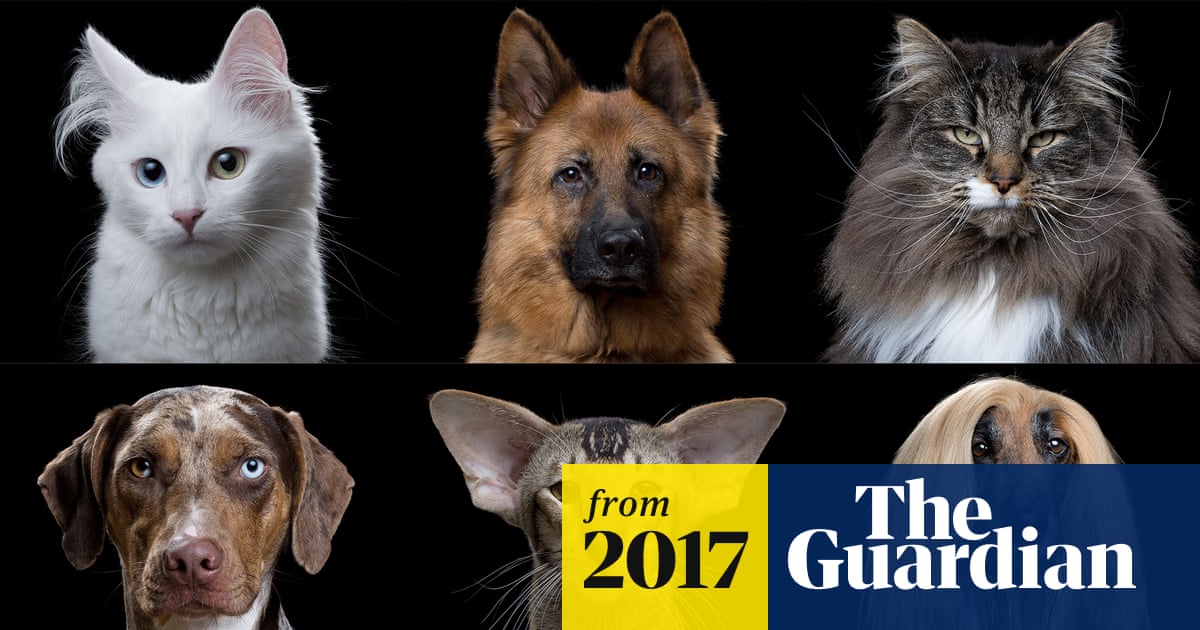
Have you ever wondered why dogs and cats come in so many shapes, sizes, and colors? From tiny Chihuahuas to majestic Maine Coons, the variety can be surprising.
Understanding what creates all these different breeds will change how you see your furry friends. You’ll discover the fascinating reasons behind this diversity and what makes each breed unique. Keep reading, and you’ll learn insights that can help you connect with your pet on a whole new level.
Origins Of Dog Breeds
The origins of dog breeds trace back thousands of years. Dogs evolved from wild ancestors and changed through human influence. Different breeds came from various breeding choices and needs. Their shapes, sizes, and skills show diverse backgrounds. Understanding these origins helps explain why dogs look and act so differently today.
Wild Ancestors And Domestication
Dogs come from wolves that lived in the wild. Early humans and wolves formed a unique bond. Wolves that were less afraid of people stayed close. These wolves helped humans by hunting and guarding. Over time, wolves changed into dogs. This process is called domestication. It took thousands of years for dogs to become pets.
Early Selective Breeding
Humans began to pick dogs with special traits. They chose dogs for hunting, herding, or guarding. This is selective breeding. People bred dogs with the best qualities. This created many types of dogs with different skills. Some dogs got bigger, some smaller. Coat colors and shapes also changed. Selective breeding shaped dog breeds we know today.
Role Of Geography And Culture
Different places made different dog breeds. Climate and land affected how dogs looked and acted. People in cold areas bred dogs with thick fur. In hot places, dogs had short coats. Culture also played a role. Some cultures favored strong hunting dogs. Others needed dogs for protection or companionship. Geography and culture gave rise to unique breeds worldwide.
Origins Of Cat Breeds
The origins of cat breeds trace back to a fascinating journey from wild ancestors to the beloved pets many of us share our homes with today. Understanding where these breeds come from helps you appreciate the unique traits and behaviors your feline friend might have. It also sheds light on the blend of nature and human influence that shaped the diversity we see now.
Wildcat Ancestors
Cats descended from wildcats that lived thousands of years ago across different parts of the world. The African wildcat (Felis lybica) is widely recognized as the primary ancestor of today’s domestic cats. These wildcats were solitary hunters, adapted to survive in harsh environments with keen senses and sharp reflexes.
Think about how your cat might still show those hunting instincts, like pouncing on toys or stalking shadows. These behaviors connect directly to their wild roots.
Domestication Timeline
Domestic cats have been living alongside humans for nearly 9,000 years. The earliest evidence comes from the Near East, where cats helped control rodent populations around grain stores. This mutual benefit likely kickstarted the bond between humans and cats.
Unlike dogs, cats weren’t bred for specific tasks initially. Their domestication was more about natural selection—cats that tolerated human presence thrived, while others stayed wild. It wasn’t until much later that intentional breeding for specific traits began.
Natural Vs. Human-driven Breeds
Some cat breeds developed naturally in specific environments, adapting to local conditions without much human intervention. The Norwegian Forest cat and the Maine Coon are examples of such natural breeds, shaped by climate and terrain.
On the other hand, human-driven breeds result from selective breeding to emphasize particular traits, such as the Siamese’s distinctive color points or the Persian’s flat face. Breeders carefully choose which cats to mate to enhance desired features.
- Natural breeds often have robust health and survival skills due to evolution in the wild.
- Human-driven breeds may require more care because of their specialized traits.
Have you noticed how your cat’s personality or appearance might reflect either wild ancestry or deliberate breeding? Understanding this can guide you in providing the best care for your pet’s unique needs.
Genetics Behind Breed Differences
The remarkable variety of dog and cat breeds you see today boils down to genetics. Each breed carries a unique set of genetic instructions that shape its appearance, behavior, and even health traits. Understanding these genetic differences helps you appreciate why a Chihuahua looks so different from a Great Dane, or why a Siamese cat stands apart from a Maine Coon.
Dna And Trait Inheritance
Every dog and cat inherits genes from its parents through DNA. These genes act like a recipe book, determining traits such as coat color, size, and temperament.
Sometimes, a single gene controls a specific trait. Other times, multiple genes work together, making traits more complex. This is why even siblings in the same litter can look quite different.
Have you noticed how some breeds consistently have certain features? That’s because breeders select animals with those traits to mate, passing those genes forward.
Genetic Mutations And Variations
Genetic mutations are small changes in DNA that can create new traits. While some mutations may cause health problems, others result in unique features that define a breed.
For example, the gene mutation responsible for the curly coat in Poodles is different from the gene that gives a Sphynx cat its hairless look. These variations make each breed special.
Mutations can happen naturally or be encouraged through selective breeding. Think about how breeders might choose animals with a rare trait to develop a new breed over time.
Breed-specific Genetic Markers
Scientists have identified genetic markers unique to certain breeds. These markers act like genetic fingerprints, helping to confirm a pet’s breed or trace its ancestry.
Breed-specific markers also aid in detecting genetic diseases common to certain breeds, giving you a practical tool to manage your pet’s health.
Next time you wonder why your dog or cat behaves or looks a certain way, remember these markers hold the clues. What traits would you want to pass on if you could choose?
Selective Breeding Techniques
Selective breeding techniques explain why dogs and cats come in so many shapes, sizes, and personalities. Humans have guided the breeding process for centuries to emphasize specific traits. This careful selection shapes breeds that fit unique roles, environments, and lifestyles.
Purpose-driven Breeding
Breeders often choose animals based on clear goals. Hunting dogs, for example, are bred for speed and scent detection. Meanwhile, herding dogs focus on intelligence and agility.
In cats, some breeds were developed for their hunting skills, while others were prized for their calm nature. Have you ever wondered why a Maine Coon is so different from a Siamese? Purpose-driven breeding answers that question.
Physical And Behavioral Traits
Selective breeding targets visible traits like coat color, ear shape, and size. But behavior is just as important. Breeders select animals that show desirable temperaments such as friendliness, protectiveness, or playfulness.
For example, the Labrador Retriever is popular because of its gentle nature and eagerness to please. Meanwhile, a Bengal cat’s wild look comes from its selectively bred spotted coat, but it also has an active and curious personality.
Modern Breeding Practices
Today, breeders use more precise methods to maintain breed standards. Genetic testing helps avoid inherited diseases and supports healthier offspring. This means you can expect not only specific looks but also better health in many breeds.
Responsible breeders keep detailed records and carefully plan pairings. They ask themselves: Will this match produce pups or kittens that meet the breed’s goals? What traits should I prioritize to improve the breed over time?
Breed Classification Systems
Understanding the classification of dog and cat breeds helps us appreciate their diversity. Various systems categorize these breeds based on standards and functions. These systems ensure consistency in breed identification worldwide.
Kenel Clubs And Associations
Kenel clubs play a crucial role in breed classification. They maintain official breed registries. The American Kennel Club (AKC) and The International Cat Association (TICA) are prominent examples. Each club has specific criteria for recognizing breeds. Their guidelines help maintain breed integrity and standards.
Breed Standards
Breed standards define the ideal characteristics of a breed. These include size, coat, and temperament. Standards ensure that each breed maintains its unique features. They serve as a guide for breeders and owners. Adhering to these standards preserves breed quality.
Grouping By Function And Appearance
Breeds are often grouped by their function. Working breeds excel in tasks like herding or guarding. Sporting breeds, like retrievers, are known for hunting skills. Appearance also plays a significant role. Breeds with similar looks are often grouped together. This helps in understanding their heritage and purpose.
Credit: paradepets.com
Impact Of Human Preferences
Human preferences play a big role in creating many dog and cat breeds. People choose traits they like and breed animals to highlight those features. These choices shape the look, size, and behavior of breeds.
Breeders often follow trends and cultural values. These change over time and affect which breeds become popular. The desire for certain traits can lead to new breeds or changes in existing ones.
Cultural Influences On Breeding
Different cultures value different traits in pets. Some cultures prefer small, cute animals. Others want strong, working breeds. These tastes influence which animals get bred more often.
For example, in some countries, cats with unique fur patterns are prized. In others, dogs that guard property are favored. Cultural stories and traditions also shape breed popularity.
Trends And Popularity Shifts
Pet breed popularity changes over time. Movies, celebrities, and social media affect which breeds people want. A breed seen in a popular movie can quickly become a favorite.
Trends can cause sudden increases in breeding certain animals. This can lead to overbreeding or neglect of less popular breeds. Popularity shifts often reflect society’s changing interests.
Ethical Considerations
Breeding for specific traits raises ethical questions. Some traits can harm the animal’s health or well-being. Breeders and owners must consider the animal’s quality of life.
Responsible breeding avoids extreme traits that cause pain or illness. Many groups work to protect animals from harmful breeding practices. Ethical breeding balances human desires with animal welfare.
Health And Genetic Diversity
Health and genetic diversity play key roles in shaping the many breeds of dogs and cats. Each breed carries unique traits passed down through generations. These traits include physical features, behaviors, and health conditions. Understanding genetic diversity helps explain why some breeds face specific health challenges.
Inherited Disorders
Inherited disorders are health problems caused by genes passed from parents to offspring. Some dog and cat breeds have higher risks of certain disorders. For example, hip dysplasia is common in large dog breeds. Persian cats often face breathing issues due to their flat faces. These disorders can reduce quality of life and lifespan.
Breeders and owners must watch for signs of inherited disorders. Early diagnosis can improve treatment and management. Genetic testing helps identify carriers of harmful genes.
Importance Of Genetic Diversity
Genetic diversity means having many different genes within a breed. More diversity makes a breed stronger and healthier. It reduces the chance of inherited disorders spreading widely. Breeds with low genetic diversity often face health problems.
Inbreeding reduces genetic diversity by mating close relatives. This practice increases the risk of passing harmful genes. Healthy populations require careful breeding to maintain gene variety. Genetic diversity also helps animals adapt to new diseases and environments.
Breeding For Health
Breeding for health focuses on producing strong and healthy animals. Breeders select parents with good health and no genetic diseases. This approach helps reduce inherited disorders over time.
Responsible breeders use genetic tests and health screenings. They avoid mating animals with harmful genes. Breeding for health improves the overall quality of life for pets.
Careful breeding supports both the breed’s unique traits and its health. It ensures future generations can thrive with fewer health problems.
Credit: pethelpful.com
Future Of Dog And Cat Breeds
Different dog and cat breeds come from selective breeding for traits like size, color, and behavior. Over time, humans chose specific animals to create unique breeds suited for various needs and environments. This variety shows how genetics and human care shape pets.
The future of dog and cat breeds holds exciting possibilities. Advances in science and technology pave the way for new developments. Breeding will focus on health, behavior, and unique traits. Pet lovers can expect fascinating changes in the animal world.Advances In Genetic Technology
Genetic technology is transforming animal breeding. Scientists can now map DNA with precision. Breeders use this data to create healthier pets. Genetic testing helps avoid inherited diseases. This ensures a longer life for our furry friends. Experts can also enhance traits like intelligence and temperament.Potential New Breeds
New breeds may emerge with unique characteristics. Breeders might focus on hypoallergenic coats. Some may aim for specific personality traits. Others could develop breeds for special needs families. Pet lovers may soon see breeds suited for urban living. The possibilities are vast and exciting.Conservation Of Rare Breeds
Rare breeds face threats from extinction. Conservation efforts aim to preserve these unique animals. Breeders work to maintain genetic diversity. They focus on keeping rare traits alive. Organizations support these efforts through education and funding. Protecting rare breeds ensures their survival for future generations.
Credit: www.freepik.com
Frequently Asked Questions
What Causes The Variety Of Dog And Cat Breeds?
The variety in dog and cat breeds arises from selective breeding. Humans breed animals for traits like size, coat, and behavior. Over time, this creates distinct breeds with unique characteristics. Genetics also play a key role in breed diversity and physical traits.
How Does Selective Breeding Influence Breed Traits?
Selective breeding chooses parents with desired traits to produce offspring. This amplifies specific features, such as fur pattern or temperament. It helps develop breeds suited for work, companionship, or show. The process shapes breed identity and consistency across generations.
Why Do Some Breeds Look So Different?
Breed differences come from genetic variation and human selection. Environmental adaptation and breeding goals lead to diverse sizes, shapes, and colors. This diversity supports specific roles like hunting, herding, or companionship. Genetics and breeding history explain these physical distinctions.
Can Mixed Breeds Have Traits From Many Breeds?
Yes, mixed breeds combine traits from multiple ancestors. They often have varied physical and behavioral characteristics. This genetic diversity can improve health and adaptability. Mixed breeds don’t fit strict breed standards but can be unique and resilient.
Conclusion
Dogs and cats have many breeds because of history and nature. Humans helped shape their looks and traits over time. Different places and needs made these breeds unique. Each breed has special qualities and stories. Understanding this helps us appreciate pets more deeply.
Every dog and cat, no matter the breed, is special. Their variety shows how diverse and rich life can be. Pets connect us with nature and history in small, wonderful ways.




Leave a Reply