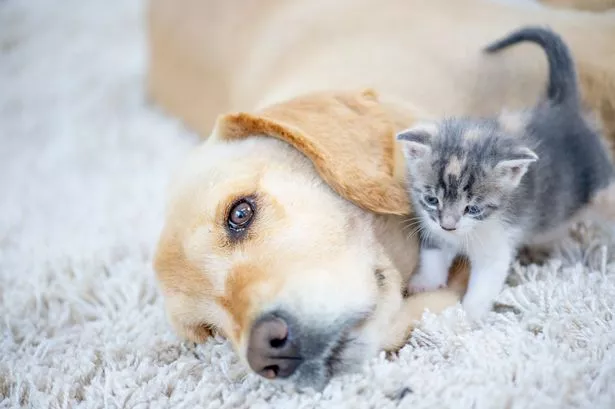
Are you wondering if your dog and cat can become best friends? Choosing the right dog breed can make all the difference in creating a peaceful, happy home for both pets.
Some dogs naturally get along well with cats, while others might struggle to share their space. If you want to avoid stress and enjoy the joy of having both furry companions, it’s important to know which dog breeds are most likely to get along with your feline friend.
Keep reading to discover the top dog breeds that can happily live with cats—and learn how to make their friendship flourish.

Credit: tryfurgo.com
Traits Of Dog Breeds That Bond With Cats
Understanding the traits that make certain dog breeds more likely to bond with cats can help you create a harmonious home. Not all dogs have the same attitude toward feline friends. Some traits encourage friendship and ease the introduction process, making life better for everyone involved.
Temperament And Social Behavior
Dogs that are calm and patient tend to get along better with cats. Breeds known for their gentle nature, such as the Cavalier King Charles Spaniel or the Golden Retriever, often show less prey drive and more social tolerance.
Look for dogs that are naturally curious but not aggressive. If a dog is overly dominant or territorial, it might create stress for your cat. You want a companion who respects boundaries and can read your cat’s signals.
Energy Levels And Play Styles
Matching energy levels between your dog and cat can prevent conflicts. High-energy dogs like Border Collies might overwhelm a laid-back cat, leading to tension.
Consider breeds with moderate energy and playful yet gentle behavior. For example, a Basset Hound’s slow pace and easygoing play style can complement a relaxed cat perfectly.
Ask yourself: Does your dog’s play style include chasing or roughhousing? If so, you might need extra training to ensure safe interactions.
Size And Compatibility
Size matters when pairing dogs and cats. Large breeds with a soft approach, like Newfoundlands, often coexist peacefully with smaller feline companions.
Conversely, a small dog with a high prey drive might unintentionally stress a timid cat. It’s about balance, not just size.
Think about your living space and how your pets will move around. Smaller dogs may be more adaptable in tight spaces, while bigger dogs need room to relax without intimidating your cat.
Top Dog Breeds Known For Cat Friendliness
Some dog breeds naturally get along well with cats. These dogs tend to be gentle, patient, and friendly, making them great companions for feline friends. Choosing the right breed can help create a peaceful home where dogs and cats live happily together.
Golden Retriever
Golden Retrievers are friendly and calm. They often enjoy the company of cats. Their gentle nature helps them form strong bonds with feline companions. Goldens rarely show aggression, making them safe around cats.
Beagle
Beagles are curious and social dogs. They usually accept cats as part of their pack. Their playful attitude can encourage fun interactions. Beagles are not too big, so cats feel less threatened.
Cavalier King Charles Spaniel
This breed is known for being affectionate and sweet. Cavaliers are patient and tolerant, traits cats appreciate. They adapt well to living with cats and other pets. Their calm demeanor helps keep peace in the home.
Basset Hound
Basset Hounds are easygoing and friendly. Their slow, relaxed style suits cats well. Bassets are not aggressive and tend to ignore small animals. Their laid-back nature helps build trust with cats.
Maine Coon Mixes
Maine Coon mixes often blend dog-like loyalty with cat traits. These mixes can be playful yet gentle. They enjoy social interaction and can get along with dogs and cats. Their unique personality suits homes with multiple pets.
Training Tips To Encourage Dog-cat Harmony
Certain dog breeds, like Golden Retrievers and Beagles, tend to get along well with cats. Introducing them slowly and using positive training helps build trust and friendship between pets. Patience and consistency encourage peaceful cohabitation.
Training dogs and cats to live together takes patience and care. Dogs and cats have different ways of communicating. Understanding these differences helps create a peaceful home. Use training tips to ease their relationship. Build trust and comfort between them.Early Socialization Techniques
Start socializing pets when they are young. Puppies and kittens are more adaptable. Introduce them to each other’s smells first. Swap their bedding or use a cloth to rub their scents. Then, let them meet in a controlled setting. Keep meetings short and positive. Always supervise these interactions to prevent fights.Positive Reinforcement Strategies
Reward both pets for good behavior. Use treats and praise generously. When the dog stays calm near the cat, offer a treat. Do the same for the cat when it approaches the dog without fear. This builds positive associations with each other. Avoid punishing either pet. It can create fear and tension.Managing Introduction Periods
Set up safe spaces for both pets. Ensure they can retreat if they feel scared. Use baby gates to separate them initially. This allows them to see and smell each other safely. Gradually increase their time together. Monitor body language closely. Look for signs of stress or aggression. Adjust their interactions based on their comfort levels.Signs Of A Healthy Dog-cat Relationship
A healthy relationship between a dog and a cat shows harmony and trust. These animals live peacefully, sharing space without fear. They enjoy each other’s company, showing comfort and friendliness. Recognizing signs of a good bond helps pet owners support their pets’ happiness.
Shared Spaces And Activities
Dogs and cats that get along often share rooms without stress. They may nap near each other or eat in the same area. Some even explore together or follow their owner as a team. This peaceful sharing of spaces shows trust and calm between them.
Body Language Indicators
Watch their body language to understand their feelings. Relaxed postures and soft eyes mean comfort. A wagging tail without tension shows friendliness in dogs. Cats with upright tails and slow blinking express trust. Avoid signs like growling, hissing, or stiff bodies, which mean discomfort.
Play Behavior And Interaction
Play is a key sign of a healthy bond. They may chase each other gently or take turns with toys. Play fights rarely lead to real aggression. Both pets seem happy and excited, not scared or stressed. This fun interaction strengthens their friendship.
Common Challenges And How To Address Them
Introducing a dog to a cat can bring joy and companionship to your home. Yet, challenges may arise between these two different animals. Understanding common issues helps create a peaceful environment for both pets. Addressing these challenges early improves their relationship.
Jealousy And Territorial Issues
Dogs and cats may feel jealous when attention shifts to the other. They can also become territorial around food, toys, or resting spots. Signs include growling, hissing, or blocking access.
Encourage sharing by providing separate spaces for each pet. Feed them in different areas to avoid conflicts. Give equal attention to reduce jealousy. Supervise early interactions until trust builds.
Prey Drive Management
Some dog breeds have a strong prey drive, making them chase cats. This natural instinct can cause stress or harm to the cat.
Train dogs to respond to commands like “leave it” or “stay.” Use leashes during first meetings to control behavior. Choose calm dog breeds known for gentle nature around cats. Provide toys to distract dogs from chasing.
Stress Reduction Tips
Both pets may feel stressed during their first weeks together. Stress can lead to aggression or hiding.
- Create safe hiding spots for cats to retreat.
- Maintain a calm, quiet home environment.
- Use pheromone sprays to soothe both animals.
- Allow gradual introduction, avoiding forced contact.
- Keep routines consistent to reduce anxiety.
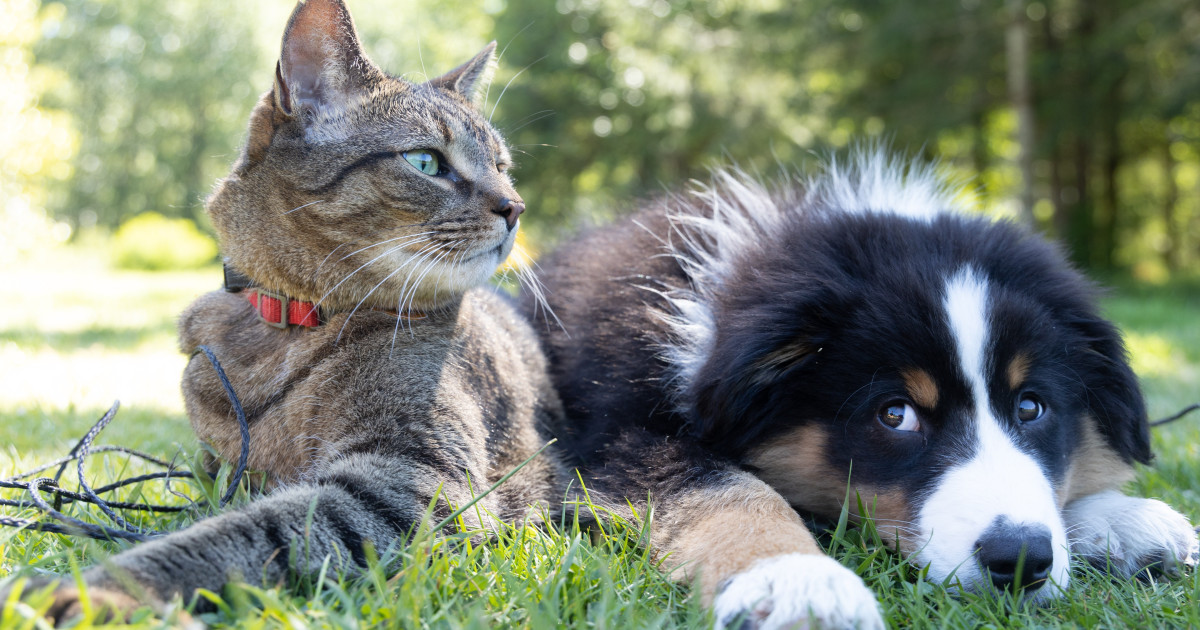
Credit: pethelpful.com
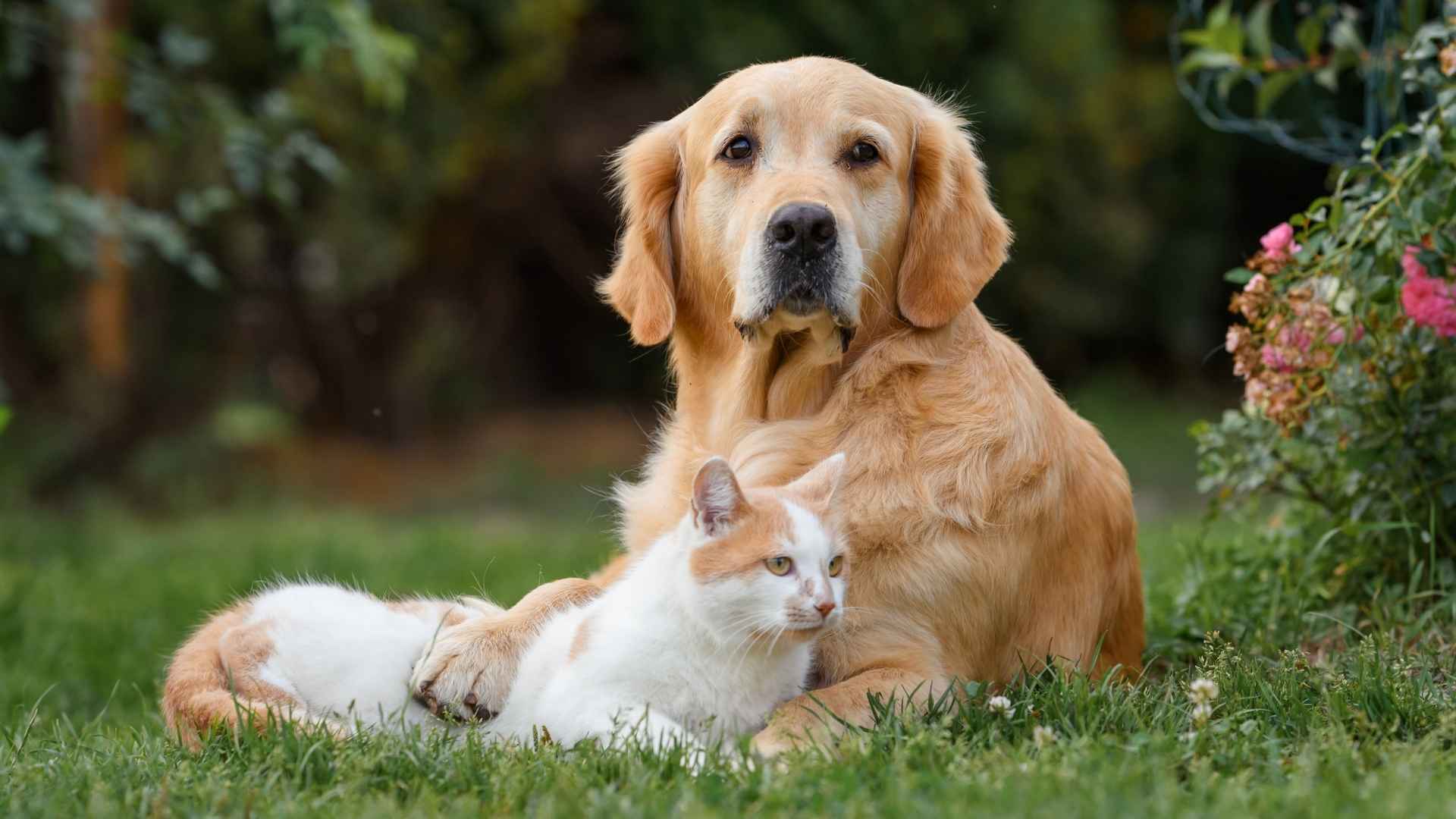
Credit: worldanimalfoundation.org
Frequently Asked Questions
Which Dog Breeds Are Best With Cats?
Breeds like Golden Retrievers, Beagles, and Basset Hounds are known to get along well with cats. They are generally gentle, friendly, and sociable, making them great companions for feline friends.
How To Introduce Dogs To Cats Safely?
Introduce pets slowly in a neutral space. Keep dogs on a leash and allow cats to approach at their own pace. Positive reinforcement and supervision help build trust and reduce stress during introductions.
Can Small Dog Breeds Live Peacefully With Cats?
Yes, many small dog breeds like Cavalier King Charles Spaniels and Pugs coexist well with cats. Their calm temperament and low prey drive often promote peaceful relationships in multi-pet homes.
Do All Dogs Get Along With Cats Naturally?
No, not all dogs get along naturally with cats. Compatibility depends on breed, temperament, and socialization. Proper training and gradual introductions are key to fostering good relationships between dogs and cats.
Conclusion
Choosing the right dog breed helps pets live peacefully together. Some dogs have gentle, friendly natures that cats like. Patience and slow introductions make a big difference. Both pets learn to trust and respect each other. Happy homes with dogs and cats are possible.
It takes time, care, and good choices. Enjoy watching your pets build a strong bond. Peaceful friendships between dogs and cats bring joy. Keep their needs in mind for lasting harmony.



Leave a Reply