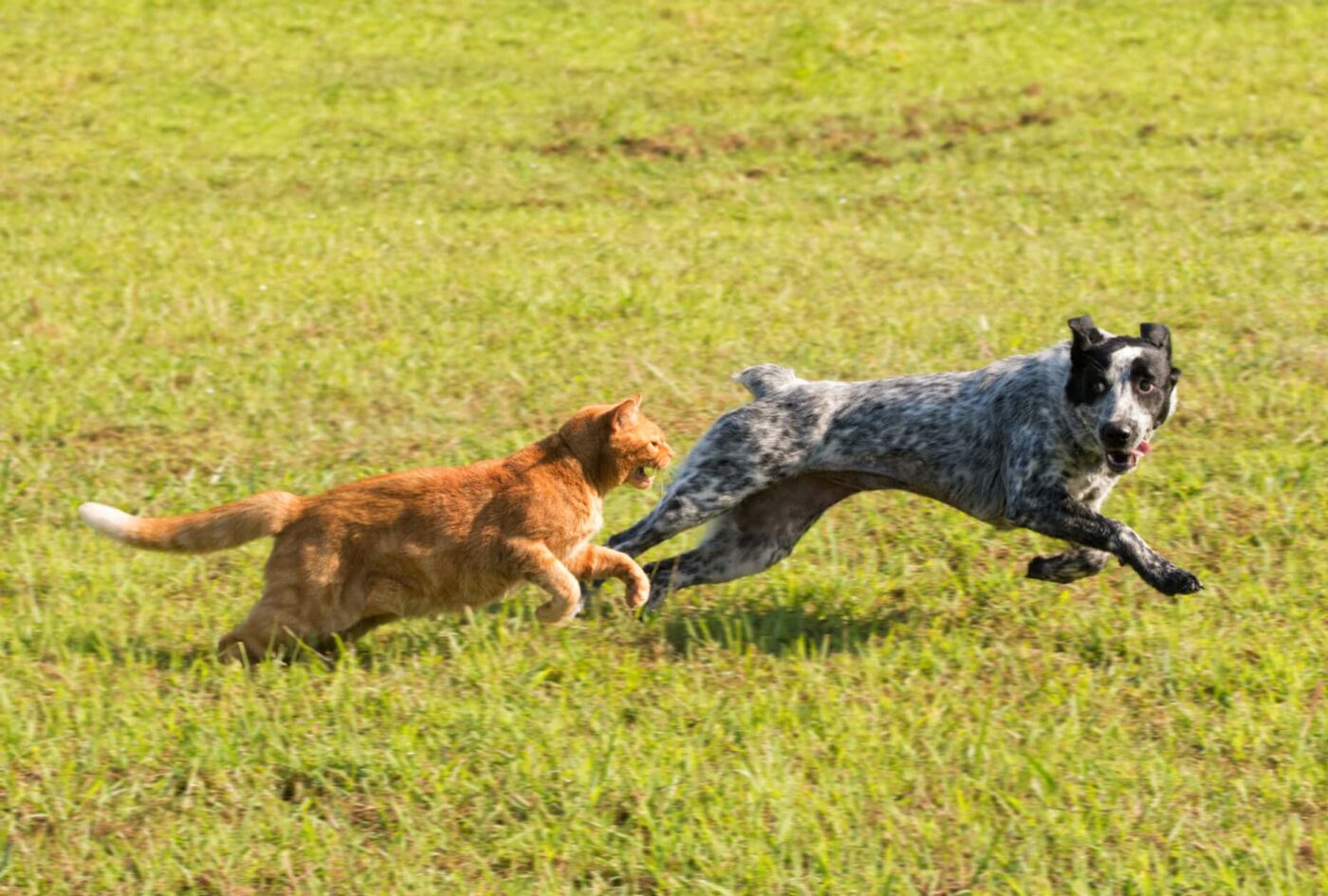
If you have both a dog and a cat or are thinking about bringing a dog into a home with a cat, you need to be careful about which breeds you choose. Some dogs just don’t get along well with cats, and this can lead to stress, fights, or even injury.
You want your pets to live together happily and safely, right? Understanding which dog breeds tend to clash with cats can save you a lot of trouble and heartbreak. Keep reading to discover the key breeds to watch out for and how to keep peace in your furry family.
Credit: venttura.com
Dog Breeds With High Prey Drive
Dogs with high prey drive have a strong instinct to chase small animals. This natural behavior can make living with cats difficult. These dogs often see cats as something to pursue. Understanding these breeds helps pet owners manage their pets better.
Terriers And Their Hunting Instincts
Terriers were bred to hunt and kill vermin. Their strong prey drive makes them alert and quick. They often chase anything that moves fast. Cats can trigger this instinct, causing tension at home. Owners need to be cautious when introducing terriers to cats.
Hound Breeds And Chase Behavior
Hounds were developed to track and chase prey. Their noses and speed help them follow scents easily. This chase behavior is deeply rooted in their nature. Cats may become targets due to their quick movements. Managing hounds around cats requires patience and training.
Large Guard Dogs And Cat Interactions
Large guard dogs have strong instincts to protect their home and family. These instincts sometimes create tension with cats. Guard dogs often see cats as intruders or threats. Their size and strength can intimidate smaller pets like cats. Understanding how specific breeds behave helps in managing their interactions.
Rottweilers And Protective Nature
Rottweilers are known for their strong protective instincts. They watch over their territory carefully. This watchfulness can make them wary of cats. Rottweilers may chase cats to keep them away. Their powerful build can be dangerous for small animals. Early socialization with cats is often needed. Without it, Rottweilers might not accept cats as friends.
Dobermans And Alertness
Dobermans are very alert and quick to react. They notice any movement in their surroundings. Cats’ sudden movements can trigger a Doberman’s chase instinct. Dobermans may try to herd or control cats. Their high energy levels sometimes cause stress for cats. Training and calm introductions can reduce conflicts. Still, Dobermans tend to be less tolerant of cats than other breeds.
Small Dog Breeds That May Aggress Cats
Small dog breeds often come with big personalities, which can sometimes lead to conflicts with cats. Their size might be small, but their attitude can make them less tolerant of feline friends. Understanding which small breeds tend to show aggression toward cats can help you create a safer and more peaceful home environment.
Chihuahuas And Territorial Behavior
Chihuahuas are known for their fierce loyalty and strong territorial instincts. They often see cats as intruders, especially if the cat enters their personal space. This territorial behavior can quickly turn into aggressive actions like barking, lunging, or nipping.
I’ve seen Chihuahuas intensely guard their home, even challenging much larger dogs. Their confidence is impressive but problematic when you have a calm or shy cat. If you have a Chihuahua, ask yourself: how well can your small dog share its territory?
Dachshunds And Stubbornness
Dachshunds bring stubbornness into the mix, making training them to live peacefully with cats a challenge. Their hunting background means they might chase smaller animals, and their willful nature makes correcting this behavior tricky. Consistent training is essential, but even then, some Dachshunds may never fully accept cats.
In my experience, a Dachshund’s determination often clashes with a cat’s need for space. You might notice your Dachshund persistently trying to engage the cat, ignoring commands to stop. Consider if you’re ready for the patience and persistence required to manage this dynamic in your home.

Credit: www.oliverpetcare.com
Factors Influencing Dog-cat Relationships
Understanding why some dog breeds don’t get along with cats requires looking beyond breed stereotypes. Many factors influence how dogs and cats interact, shaping their ability to coexist peacefully. By focusing on these elements, you can better predict and manage their relationship.
Socialization And Early Exposure
Dogs introduced to cats early in life often develop a calmer, more tolerant attitude toward them. If a dog never meets a cat during its formative weeks, it may see cats as strange or even prey later on. Have you noticed how puppies raised around cats tend to be more relaxed around them compared to dogs meeting cats for the first time as adults?
Early exposure helps your dog understand feline behaviors and boundaries. This reduces misunderstandings that could lead to chasing or aggression. If your dog missed this window, introducing them slowly and carefully can still help improve their relationship with your cat.
Individual Temperament Differences
Even within the same breed, dogs show a wide range of personalities. Some dogs have a strong prey drive, making it hard for them to resist chasing smaller animals like cats. Others may be shy or gentle, showing little interest in bothering cats at all.
Think about your dog’s unique character. Are they easily excitable or calm and patient? Recognizing these traits can guide how you manage their interactions with your cat. Sometimes, it’s less about breed and more about individual behavior when predicting dog-cat harmony.
Signs Of Tension Between Dogs And Cats
Signs of tension between dogs and cats can be subtle but telling. Understanding these signs helps ensure a peaceful home. Dogs and cats communicate differently, which can lead to misunderstandings. Recognizing these signals can prevent conflicts and foster harmony.
Body Language To Watch
Body language speaks volumes about a pet’s feelings. Dogs may stiffen their bodies or stare at cats. A wagging tail doesn’t always mean happiness. It could signal agitation. Cats often arch their backs or fluff their tails. These are signs of fear or readiness to defend.
Watch for ears laid back or forward. Both animals use this to show stress. A dog’s growl or a cat’s hiss is a clear warning. These sounds indicate discomfort or fear. Observing these cues can help manage interactions between pets.
Common Behavioral Issues
Behavioral issues often arise between dogs and cats sharing a space. One common issue is chasing. Dogs may chase cats out of excitement or prey drive. This can lead to stress or injury for the cat.
Resource guarding is another problem. Dogs may guard food, toys, or spaces. Cats might respond by hiding or becoming aggressive. Territorial disputes can escalate quickly. This happens when both pets claim the same area as their own.
Understanding these behaviors is key to preventing tension. It allows for better management and training. With patience, dogs and cats can coexist peacefully.
Tips To Improve Dog And Cat Harmony
Getting your dog and cat to live together peacefully can be challenging, especially if you know certain dog breeds tend to have difficulty coexisting with cats. But harmony is possible with patience and the right approach. Here are some practical tips to help your furry friends share their home comfortably.
Safe Introduction Techniques
Start by keeping your dog and cat separated during the first few encounters. Let them sniff each other’s scent on blankets or toys before any face-to-face meeting. This builds familiarity without overwhelming either pet.
Use a leash for your dog when you first allow them to meet. This gives you control if the dog’s excitement or prey drive spikes suddenly. Keep the sessions short and positive, rewarding calm behavior with treats.
Observe their body language closely—are the cat’s ears flattened or is the dog fixated? If yes, separate them and try again later. Gradually increase the time they spend together only when both seem comfortable.
Creating Separate Spaces
Both pets need their own safe zones where they can retreat without feeling threatened. For cats, high perches or rooms with baby gates that dogs can’t cross work well. Dogs appreciate cozy beds in quiet corners.
Providing separate feeding areas is equally important. Cats and dogs often guard food, and separate spots prevent unnecessary conflict. This also helps you monitor each pet’s eating habits better.
Think about adding vertical space for your cat. Shelves or cat trees let them observe the dog from a distance. This reduces stress and gives your cat control over interactions.
Have you noticed how your pets behave when they have their own space? Sometimes, a little distance is all they need to build trust.

Credit: www.newsweek.com
Frequently Asked Questions
Which Dog Breeds Typically Dislike Cats?
Certain breeds like terriers, hounds, and some herding dogs often show aggression or high prey drive towards cats. These breeds may chase or harm cats due to instinctual behaviors. Proper socialization can sometimes reduce conflicts, but some dogs naturally struggle with cat companionship.
Why Do Some Dog Breeds Not Get Along With Cats?
Dogs with strong hunting instincts or territorial behavior often view cats as prey or threats. This instinct causes tension and aggression. Lack of early socialization with cats also increases conflicts. Breed traits and individual temperament both affect how dogs interact with feline companions.
Can Aggressive Dog Breeds Live Peacefully With Cats?
It is challenging but possible with strict supervision and gradual introductions. Training and socialization from a young age improve chances. However, breeds with high prey drive require extra caution. Always assess individual dog temperament before introducing cats for safety.
How To Prevent Conflicts Between Dogs And Cats?
Introduce pets slowly in a controlled environment. Use positive reinforcement and monitor their interactions closely. Provide separate spaces and escape routes for cats. Early socialization and consistent training reduce aggression and stress between dogs and cats.
Conclusion
Certain dog breeds tend to have a hard time living with cats. Their natural instincts can make peace difficult. Choosing the right dog is important for a happy home. Always watch their first meetings closely. Training and patience can help many dogs and cats get along.
Keep your pets safe and comfortable. Understanding breed traits helps prevent problems later. A calm and careful approach works best. Your effort can create a peaceful pet family.




Leave a Reply