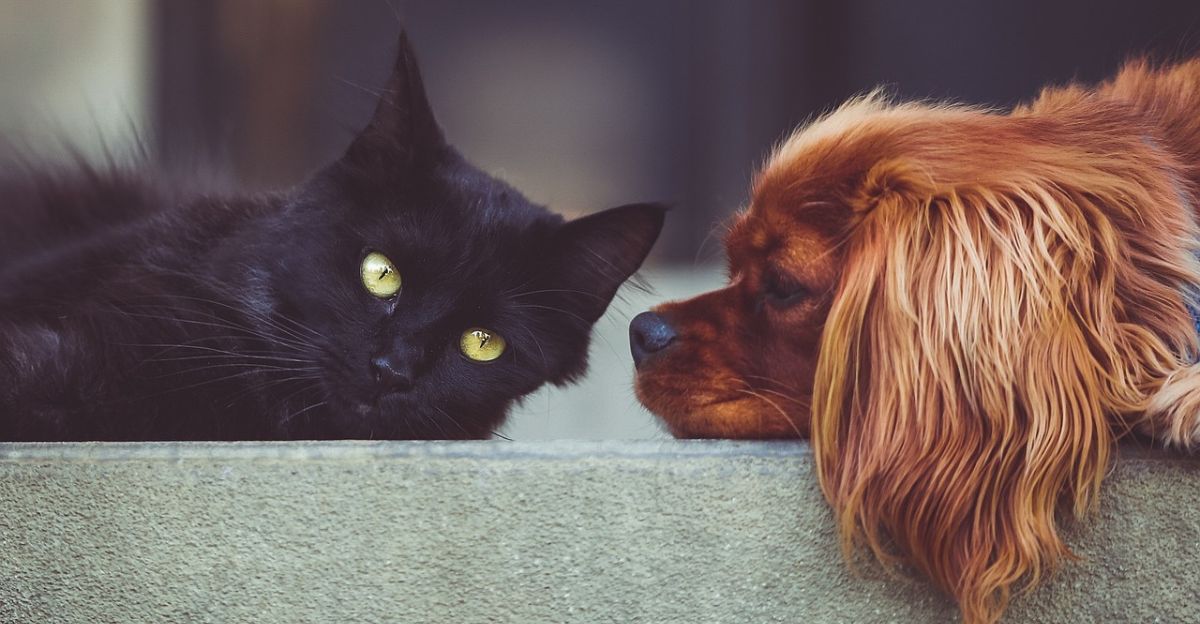
Are you thinking about adding a furry friend to your home but worried about how your dog will get along with your cat? You’re not alone.
Finding the right dog breed that naturally clicks with cats can make all the difference in creating a peaceful, happy household. Imagine coming home to pets that actually enjoy each other’s company instead of constant chasing and tension. You’ll discover which dog breeds are known for getting along best with cats—and why.
By the end, you’ll feel confident choosing a dog that fits perfectly with your feline family member. Keep reading to find the ideal match for your pets and your peace of mind.

Credit: www.agriapet.co.uk
Traits That Help Dogs Get Along With Cats
Dogs that live well with cats share certain traits. These traits help create peace and friendship between them. Understanding these qualities can guide you in choosing the right dog breed for your home.
Temperament Factors
Calm and gentle dogs tend to accept cats more easily. Dogs with low prey drive avoid chasing or harming cats. Friendly and patient dogs respect a cat’s space. A dog that is not aggressive reduces tension in the home.
Energy Levels
Dogs with moderate energy levels fit well with cats. Too much energy can stress or scare a cat. Low-energy dogs are less likely to bother cats. Balanced playtime helps both pets feel happy and safe.
Size Considerations
Size matters when pairing dogs and cats. Large dogs can unintentionally hurt small cats during play. Medium or small dogs are often better companions for cats. Size balance helps prevent accidents and fear.
Training And Socialization
Well-trained dogs respect boundaries with cats. Early socialization teaches dogs to behave calmly around cats. Consistent commands help dogs understand limits. Training builds trust and peaceful interactions between pets.
Small Dog Breeds Friendly To Cats
Choosing a small dog breed that gets along well with cats can make life at home much smoother. Small dogs often adapt better to living with feline friends because of their size and temperament. If you want a peaceful household where your dog and cat coexist happily, consider breeds known for their friendly nature toward cats.
Cavalier King Charles Spaniel
The Cavalier King Charles Spaniel is gentle and affectionate, making it a great companion for cats. Their calm demeanor means they rarely chase or bother feline friends. I’ve seen Cavaliers patiently sit beside cats, showing true friendliness and respect.
These dogs thrive on social interaction, so they often bond closely with cats in the same home. Would you believe a Cavalier can become your cat’s best buddy? Their easygoing nature helps reduce tension and encourages peaceful coexistence.
Bichon Frise
Bichon Frises are playful but mild-mannered, which helps them get along with cats. They enjoy company but are not aggressive, so cats don’t feel threatened. My neighbor’s Bichon and cat love to play chase games without any harm done.
Because they’re smart and adaptable, Bichons quickly learn to respect a cat’s boundaries. If you want a lively dog that won’t overpower your cat, this breed fits the bill perfectly. How might your cat react to a Bichon’s cheerful energy?
Pug
Pugs have a friendly and sociable personality that often wins over cats. Their laid-back attitude means they’re not pushy or overly energetic around smaller pets. I once saw a pug gently nudge a shy cat, encouraging it to come out and play.
These dogs enjoy being part of the family pack, including feline members. If you want a dog that’s easygoing and accepts cats as equals, pugs are a solid choice. Can you imagine your cat and pug sharing a cozy nap spot?
Medium Dog Breeds That Mix Well With Cats
Are you a cat lover considering adding a medium-sized dog to your family? Finding the right breed that can coexist harmoniously with your feline friend is crucial. Some medium dog breeds are known for their friendly dispositions and adaptability, making them excellent companions for both humans and cats.
Golden Retriever
Golden Retrievers are famously friendly and gentle, making them one of the best choices for families with cats. Their patient nature allows them to be playful without being aggressive. You might find your Golden Retriever and cat snuggling together or engaging in playful chases around the house.
Because of their sociable nature, Golden Retrievers often see cats as members of their pack. This can lead to heartwarming relationships where both your cat and dog are protective of each other. Have you ever witnessed a Golden Retriever gently nudging a cat away from danger? It’s these protective instincts that make them such cherished companions.
Beagle
Beagles are another medium-sized breed that often gets along well with cats. Their curious yet easygoing temperament makes them ideal playmates for your feline friends. Known for their intelligence, Beagles can quickly learn to respect a cat’s boundaries.
Despite their hunting background, Beagles are not typically aggressive towards household cats. Instead, they often form strong bonds, creating a lively and entertaining environment. Imagine your Beagle and cat sharing a sunbeam or exploring the backyard together, their curiosity leading them on joint adventures.
Collie
Collies are known for their herding instincts but are surprisingly gentle with cats. Their protective nature extends to all family members, including your feline companions. A Collie’s intelligence allows them to quickly adapt to living with cats, making them keen observers of your cat’s behavior.
Collies are often seen as natural protectors, ensuring that their cat friends are safe and sound. With their loyal and attentive nature, Collies can become a cat’s best friend and bodyguard. Have you ever seen a Collie gently guiding a cat away from the door when a stranger knocks? This instinctual behavior makes them valuable allies in a multi-pet household.
Large Dog Breeds Known For Cat Compatibility
Large dog breeds often get a reputation for being too energetic or clumsy around smaller pets like cats. However, some of these gentle giants have a natural calmness that helps them coexist peacefully with feline friends. If you’re considering adding a big dog to your home with cats already in residence, these breeds are worth your attention.
Labrador Retriever
Labradors are famously friendly and adaptable. They usually show a lot of patience around cats, especially if introduced properly from a young age.
I’ve seen Labs quietly observe cats from a distance before gradually engaging in calm play. Their eagerness to please makes them open to training, which helps prevent any rough behavior around your cats.
Would you be willing to invest time in early socialization to build a lasting friendship between your Lab and cat?
Newfoundland
Newfoundlands are known as “gentle giants” for good reason. They tend to be calm and sweet, which makes them excellent companions for cats.
Their slow movements and soft temper mean they rarely startle or intimidate smaller animals. In homes where Newfoundlands live with cats, the dogs often take on a protective role.
Could a patient, laid-back breed like this be the key to harmony in your multi-pet household?
Bernese Mountain Dog
Bernese Mountain Dogs combine size with a surprisingly mellow nature. They often get along well with cats because they are gentle and tolerant.
These dogs enjoy a more relaxed lifestyle, which matches well with the independent attitude of many cats. Owners frequently report that their Bernese acts like a big, furry babysitter.
Are you ready to welcome a breed that respects your cat’s space while providing loyal companionship?
Tips For Introducing Dogs To Cats
Introducing a new dog to a cat requires care and patience. A smooth introduction sets the tone for a peaceful relationship. Taking small steps helps both pets feel safe and comfortable. Here are some key tips to follow during the introduction process.
Safe First Meetings
Choose a quiet room for the first encounter. Keep the dog on a leash to control movements. Let the cat explore freely without pressure. Avoid forcing either pet to come closer. Watch their body language closely for signs of stress.
Managing Early Interactions
Keep meetings short and calm at first. Gradually increase time spent together. Separate them if either pet shows fear or aggression. Give both pets their own safe space to retreat. Use barriers like baby gates for controlled contact.
Positive Reinforcement
Praise both pets for calm behavior around each other. Offer treats and gentle petting as rewards. Encourage quiet and relaxed actions during meetings. Avoid scolding or punishment if they act out. Positive moments build trust and reduce tension.
Monitoring Long-term Behavior
Observe how the dog and cat interact daily. Look for signs of friendship or ongoing stress. Keep routines consistent to provide security. Intervene gently if play becomes too rough. Celebrate progress and be patient with setbacks.

Credit: rockykanaka.com
Signs Of A Healthy Dog-cat Relationship
Recognizing the signs of a healthy dog-cat relationship helps you ensure both pets feel safe and happy together. It’s not just about the absence of conflict but also about the presence of comfort, trust, and mutual respect. Watching their interactions closely can reveal if they truly enjoy each other’s company or simply tolerate one another.
Body Language To Watch
Healthy body language between dogs and cats includes relaxed postures and soft eyes. Look for wagging tails that are loose, not stiff or tucked, and ears that are up rather than pinned back. Cats showing slow blinking or gently touching their noses to the dog signal comfort and acceptance.
On the other hand, signs like growling, hissing, raised hackles, or stiff movements indicate stress or discomfort. Have you noticed your cat and dog avoiding eye contact or freezing when near each other? That’s a red flag you should not ignore.
Play And Relaxation Together
Playtime is a strong indicator that your dog and cat feel at ease together. When they chase, pounce, or gently wrestle without aggression, it shows trust and enjoyment. You might catch them curling up in the same spot or napping close by, which speaks volumes about their bond.
However, watch for any signs of one pet dominating or forcing play. Healthy play is balanced and respectful, not one-sided. Do you see your pets willingly inviting each other to play or just tolerating each other’s presence?
Respecting Boundaries
Both animals should have their own safe spaces where they can retreat and feel secure. A dog that respects a cat’s hiding spot or a cat that doesn’t pester a dog while eating signals good boundary awareness. You can encourage this by providing separate beds, feeding areas, and quiet zones.
Notice if your dog waits patiently when the cat walks away or if the cat allows the dog to sniff without reacting defensively. This kind of mutual respect is crucial for long-term harmony. How well do your pets honor each other’s personal space?
Breeds To Approach With Caution Around Cats
Some dog breeds need extra care around cats. These breeds may not get along easily with feline friends. Understanding their nature helps keep peace in your home.
High Prey Drive Dogs
Dogs with a strong prey drive often chase small animals. Cats can trigger this instinct quickly. Breeds like Greyhounds, Terriers, and Huskies may see cats as prey. This behavior can cause stress for both pets.
Territorial Behaviors
Certain dogs are very protective of their space. They may see cats as intruders. Breeds such as Akitas, Dobermans, and Rottweilers can act aggressively to protect their territory. This can lead to conflicts and anxiety.
Training Challenges
Some breeds resist training or have short attention spans. This makes teaching them to live peacefully with cats harder. Examples include Afghan Hounds and some working breeds. Patience and consistent training are essential but may not always work well.

Credit: rockykanaka.com
Frequently Asked Questions
What Dog Breeds Are Most Cat-friendly?
Breeds like Golden Retrievers, Basset Hounds, and Beagles are known to coexist well with cats. Their gentle and calm nature helps build positive relationships with feline friends. Early socialization also improves harmony between these dogs and cats in the household.
How To Introduce A Dog To A Cat Safely?
Introduce them slowly in a neutral space. Keep the dog on a leash during first meetings. Reward calm behavior and allow the cat to approach at its own pace. Patience and supervision are key for a smooth introduction.
Which Small Dog Breeds Get Along With Cats?
Small breeds like Cavalier King Charles Spaniels and Pugs typically adapt well to living with cats. Their friendly and easygoing temperament reduces stress for cats, promoting peaceful coexistence in shared homes.
Can Large Dogs Live Peacefully With Cats?
Yes, many large dogs like Labradors and Newfoundlands can live well with cats if trained properly. Their tolerant and gentle demeanor helps ensure safety and friendship, especially with gradual introductions and positive reinforcement.
Conclusion
Choosing the right dog breed helps create a peaceful home with cats. Gentle and calm dogs usually get along best. Patience and training make friendships grow stronger. Every pet has its own personality to consider. Taking time to introduce them carefully matters a lot.
Happy pets mean a happy household for everyone. Finding the perfect match brings joy and comfort. Keep love and respect at the heart of all interactions. A good start leads to many fun moments ahead.



Leave a Reply