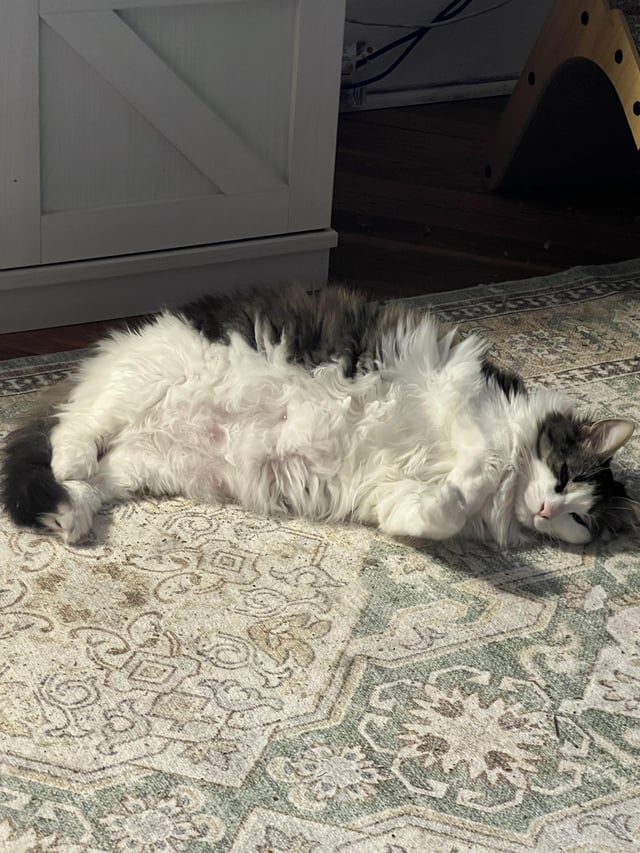
Have you noticed your cat spending more time licking or biting its fur than usual? You might be wondering if this is normal or a sign of something more serious.
Over grooming in cats can be tricky to spot, but it often signals that your furry friend is stressed, uncomfortable, or even in pain. You’ll learn exactly what over grooming looks like, why it happens, and what you can do to help your cat feel better.
Keep reading to discover the signs you shouldn’t ignore and how to protect your cat’s health and happiness.
Signs Of Over Grooming
Over grooming in cats shows through several clear signs. These signs help identify if a cat is grooming too much. Spotting them early can prevent serious skin and health problems. Cats usually groom to stay clean and calm. Excessive grooming means there is an underlying issue that needs attention.
Excessive Licking And Chewing
Cat licks and chews their fur more than normal. They may focus on one spot for a long time. This behavior is often repeated many times a day. It can seem like the cat can’t stop. This constant licking can damage the skin and fur.
Bald Patches And Hair Loss
Over grooming often causes bald spots on the cat’s body. These patches appear where the cat licks or chews the most. Hair loss happens quickly and is easy to notice. The skin under the bald patches may look shiny or smooth. This is a strong sign of over grooming.
Redness And Skin Irritation
The skin in over groomed areas often turns red or inflamed. It may look swollen or raw. Cats can develop sores or scabs from constant licking. The irritated skin might also feel warm to touch. This shows the skin is hurt and needs care.
Behavioral Changes
Over grooming can change a cat’s behavior. The cat may seem anxious or restless. It might hide more or avoid people. Some cats become more aggressive or irritable. These changes often happen because of discomfort or stress. Watching behavior helps catch over grooming early.

Credit: www.reddit.com
Common Causes
Over grooming in cats often signals that something is wrong beneath the surface. Identifying the common causes can help you act quickly to ease your cat’s discomfort and prevent further damage. Understanding these triggers allows you to be more attentive and responsive to your furry friend’s needs.
Stress And Anxiety
Cats often groom themselves more when they feel stressed or anxious. Changes in their environment, like moving to a new home or the arrival of a new pet, can trigger this behavior. Have you noticed if your cat’s over grooming started after a stressful event? Recognizing this link can guide you to create a calmer space for your pet.
Allergies And Skin Conditions
Allergies to food, pollen, or household chemicals can make your cat’s skin itchy and uncomfortable. This irritation often leads to excessive licking or biting to relieve the itch. If your cat’s fur looks patchy or the skin is red, allergies or a skin condition might be the culprit.
Parasites And Infections
Fleas, ticks, or mites can cause intense itching, pushing your cat to over groom. Even if you don’t see the pests, their bites can irritate the skin. Infections following bites or scratches can worsen the problem, making timely vet visits essential.
Pain Or Discomfort
Sometimes over grooming points to pain in a specific area, such as arthritis or an injury. Cats might lick or chew at the painful spot trying to soothe themselves. If your cat focuses on one area repeatedly, consider if there might be hidden discomfort or injury.
Health Risks Of Over Grooming
Over grooming in cats is more than just a behavioral issue. It can lead to serious health problems. This behavior often causes physical damage and can affect a cat’s overall well-being. Understanding the health risks helps pet owners act quickly to protect their cats.
Skin Damage And Infections
Excessive grooming causes skin to become red and raw. Cats may lose fur in patches. Constant licking breaks the skin barrier. This allows bacteria to enter and cause infections. Infected skin can become painful and itchy. Left untreated, infections can spread and worsen.
Open sores may form from repeated licking. These sores take longer to heal. Cats might scratch these spots, making damage worse. Sensitive areas like the belly and legs are often affected. Regular vet checks can spot skin problems early.
Hairballs And Digestive Issues
Over grooming increases the amount of hair swallowed. This leads to frequent hairballs. Hairballs can cause choking or gagging. They may also block the digestive tract. Blockages can be life-threatening without treatment.
Digestive discomfort is common in cats with many hairballs. Vomiting and constipation may occur. Over time, poor digestion affects a cat’s health. Keeping the coat healthy reduces hair ingestion. Special diets and grooming tools help control hairballs.

Credit: www.holistapet.com
Preventing Over Grooming
Preventing over grooming in cats requires a thoughtful approach that targets the root causes of their behavior. Over grooming often signals stress, discomfort, or health issues. By creating a supportive environment and addressing your cat’s physical needs, you can help keep their grooming habits healthy and balanced.
Environmental Enrichment
Providing your cat with plenty of toys, scratching posts, and interactive playtime reduces boredom and stress. Cats that are mentally stimulated are less likely to focus excessively on grooming. Have you noticed how your cat behaves when there’s nothing to do? Adding climbing trees or puzzle feeders can keep their mind engaged and their paws busy.
Regular Vet Checkups
Frequent vet visits help catch any underlying medical issues that might cause over grooming, such as allergies or skin infections. Your vet can recommend treatments or adjustments to ease your cat’s discomfort. If your cat suddenly starts grooming more than usual, don’t wait—schedule a checkup to rule out health problems.
Proper Nutrition
Feeding your cat a balanced diet with essential fatty acids supports healthy skin and fur. Poor nutrition can lead to dry, itchy skin that triggers over grooming. You might want to ask your vet about supplements that help maintain a shiny coat and reduce irritation.
Parasite Control
Fleas, ticks, and mites cause itching that can drive your cat to groom obsessively. Regular use of parasite preventatives is crucial to avoid this discomfort. Have you checked your cat’s fur for tiny pests lately? Keeping parasites at bay protects both your cat’s skin and your peace of mind.
Treatment Options
Over grooming in cats can be a sign of stress or health issues. Addressing it promptly is crucial. Various treatment options can help your feline friend return to normal grooming habits. These options range from medications to stress reduction techniques. This section explores effective solutions to manage over grooming in cats.
Medications And Topical Treatments
Veterinarians may prescribe medications to ease your cat’s discomfort. These medications can reduce itching or inflammation. Topical treatments can also soothe irritated skin. Always consult a vet before applying any treatments. They will recommend the best option for your cat’s needs.
Behavioral Therapy
Behavioral therapy can address the root cause of over grooming. This therapy involves understanding triggers and changing your cat’s environment. It can involve play therapy or behavior modification techniques. Consistent effort can lead to significant improvements.
Stress Reduction Techniques
Stress often causes over grooming in cats. Implement stress reduction techniques to help your cat relax. Provide a quiet, safe space for them. Use calming pheromone diffusers to ease anxiety. Routine playtime can also distract them from over grooming.
When To Seek Professional Help
If over grooming persists, seek professional help. A vet can diagnose underlying health issues. They can also recommend specialized treatments or therapies. Early intervention is key to preventing further complications.

Credit: www.reddit.com
Frequently Asked Questions
What Are Common Signs Of Over Grooming In Cats?
Over grooming signs include bald patches, red or irritated skin, and scabs. Cats may lick or chew the same area repeatedly. Excessive grooming can cause hair thinning and skin damage. Watch for unusual grooming habits or restlessness.
Why Do Cats Over Groom Themselves?
Cats over groom due to stress, anxiety, allergies, or skin infections. Pain from injuries or parasites can also trigger excessive grooming. Identifying the cause is crucial for proper treatment and preventing further skin damage.
How Can Over Grooming Affect A Cat’s Health?
Over grooming can cause skin infections, wounds, and hair loss. It may lead to painful sores and secondary infections. Persistent grooming often signals underlying health or emotional issues that need veterinary attention.
When Should I See A Vet For My Cat’s Grooming?
Consult a vet if grooming causes bald spots, sores, or bleeding. Also seek help if your cat appears anxious or excessively restless. Early diagnosis prevents complications and promotes faster healing.
Conclusion
Over grooming in cats can signal stress or health issues. Watch for bald spots, redness, or constant licking. These signs need attention to keep your cat happy. Early care helps avoid serious problems later. Talk to a vet if you notice these behaviors.
A calm, healthy cat feels better and lives longer. Taking action shows you care and keeps your pet safe. Don’t ignore changes in grooming habits. Stay observant and help your cat feel comfortable.




Leave a Reply