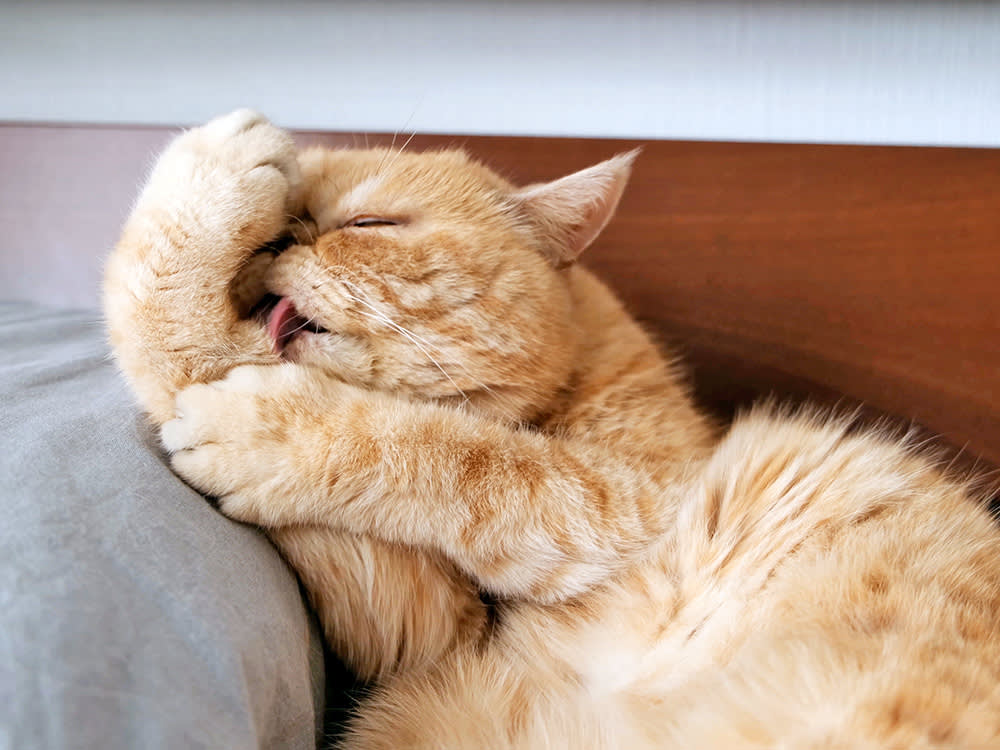
Have you ever noticed your cat suddenly stopping its usual grooming routine? It might seem small, but when your cat stops cleaning itself, it can be a sign that something is wrong.
Your furry friend relies on grooming to stay healthy and comfortable. So, what does it really mean when this stops? Understanding the reasons behind this change can help you protect your cat’s well-being. Keep reading to discover the surprising signs and what you can do to help your beloved pet feel better.
Reasons Cats Stop Grooming
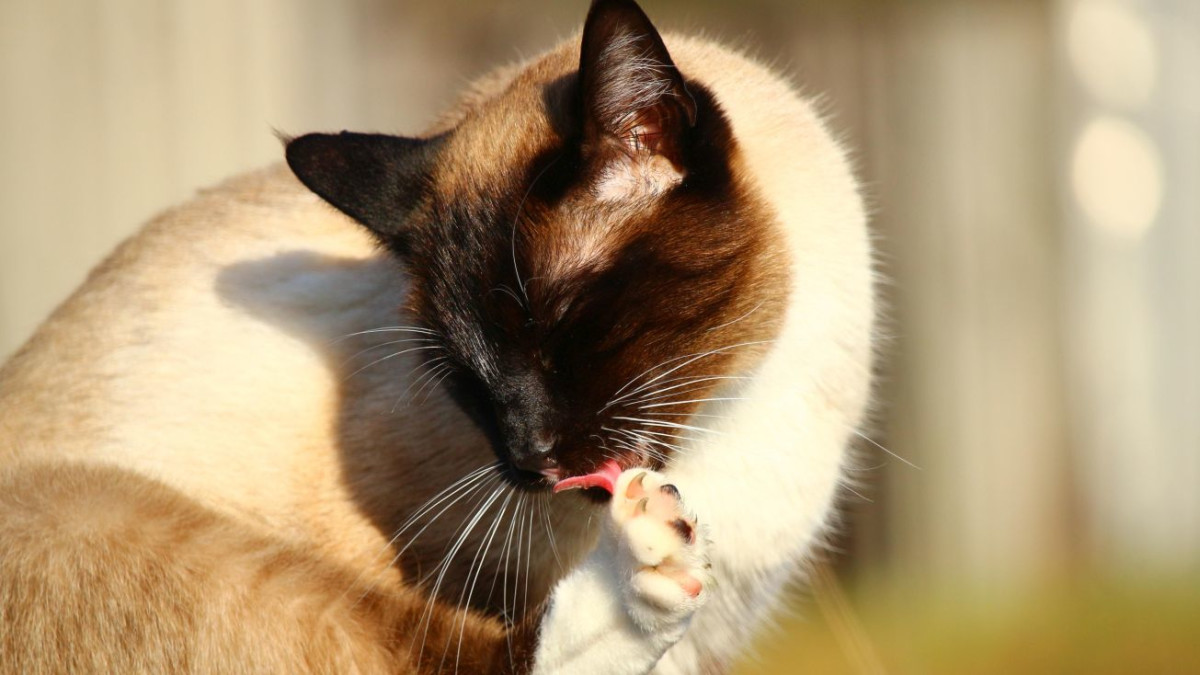
When cats suddenly stop grooming themselves, it’s a clear sign that something might be off. Grooming is more than just cleaning; it’s a vital part of a cat’s daily routine and wellbeing. Understanding why your feline friend neglects this habit can help you spot issues early and improve their quality of life.
Health Issues Impacting Grooming
Physical pain or illness often causes cats to stop grooming. Arthritis, dental problems, or skin infections can make the act of grooming uncomfortable or painful. Have you noticed your cat limping or scratching more than usual? These signs could mean your cat is struggling with health issues that affect their grooming habits.
Sometimes, underlying medical conditions like diabetes or kidney disease lead to a lack of energy, making grooming a low priority. If your cat’s fur looks matted or dirty, it’s worth a vet visit to rule out any health problems. Early treatment can prevent these issues from worsening.
Stress And Anxiety Factors
Stress can disrupt even the most disciplined grooming routines. Changes in the household, like a new pet or moving homes, may cause your cat to feel anxious and stop grooming. Have you recently introduced new stimuli or altered your cat’s environment?
Some cats stop grooming as a coping mechanism when overwhelmed by stress. You might notice other signs like hiding, reduced appetite, or excessive vocalizing. Providing a calm, safe space and routine can help your cat regain their grooming habits.
Age-related Changes
As cats grow older, they may naturally groom less frequently. Aging can bring stiffness and reduced flexibility, making it harder to reach certain spots. Have you observed your senior cat struggling with grooming tasks they used to do easily?
Older cats might also have declining senses, like vision or smell, which affects their grooming motivation. Regular brushing by you can help keep their coat clean and comfortable, filling the gap left by their reduced self-grooming.
Environmental Influences
Your cat’s surroundings play a big role in their grooming behavior. Poor living conditions, like a dirty litter box or lack of access to fresh water, can discourage grooming. Is your cat’s environment clean and inviting?
Temperature and humidity also affect grooming. Cats tend to groom less in very hot or cold weather. Making sure your cat has a comfortable spot to relax can encourage them to maintain their grooming routine.
Credit: pethelpful.com
Signs Of Grooming Problems
Cats are usually clean animals. They spend a lot of time grooming themselves. When a cat stops grooming, it can signal a problem. Recognizing signs of grooming issues helps catch health concerns early. Watch for changes in your cat’s coat and skin. These signs show when your cat needs help.
Mattes And Tangled Fur
Mattes appear as clumps of fur stuck together. Tangled fur can cause discomfort and pain. Cats with grooming problems often develop these knots. Matted fur traps dirt and moisture. This can lead to skin infections. Regular grooming prevents mats and tangles.
Unusual Odors
A healthy cat usually has a clean smell. Bad odors can mean dirt or infections. When cats stop grooming, their fur may smell oily or musty. This smell often comes from bacteria or yeast. Check your cat if you notice a strong odor.
Skin Irritation And Sores
Skin irritation shows as redness or swelling. Sores may appear from scratching or licking. Grooming helps keep skin healthy and clean. Without grooming, wounds can get worse. Watch for signs of pain or discomfort on your cat’s skin.
Excessive Shedding
All cats shed fur, but too much can be a warning. Grooming removes loose hairs naturally. If your cat sheds more than usual, it may stop grooming. Excess shedding can also indicate stress or illness. Keep an eye on fur loss patterns.
Behavioral Changes Linked To Grooming
Cats stop grooming themselves for many reasons. Changes in behavior often show deeper problems. Grooming is a key part of a cat’s daily routine. When this stops, it can signal shifts in health or mood. Watch for signs that help understand these changes.
Lethargy And Reduced Activity
One common change is lethargy. Cats may move less and sleep more. They lose interest in usual play or exploration. This lack of energy can stop grooming habits. Illness, pain, or depression can cause this behavior.
Changes In Appetite
Appetite changes often appear alongside grooming issues. Cats might eat less or refuse food. This can weaken them and lower grooming drive. A poor appetite can relate to sickness or stress. Monitoring eating habits helps spot problems early.
Increased Hiding Or Aggression
Cats may hide more than usual. They avoid contact with people or other pets. Some cats show aggression instead, snapping or growling. These actions often mean discomfort or fear. Such behavior can explain why grooming stops.

Credit: weareallaboutcats.com
When To Seek Veterinary Help
Cats stopping their grooming can signal illness or pain. Seek veterinary help if your cat looks unkempt or shows behavior changes. Early care can prevent serious health problems.
When cats stop grooming, it often signals underlying health issues. Cats are known for their meticulous grooming habits. Any change can indicate they need help. It’s essential to monitor their behavior closely.Persistent Grooming Neglect
If a cat neglects grooming for more than a few days, seek help. This can lead to tangled fur and skin problems. Over time, neglect can cause infections or other serious issues.Visible Signs Of Pain Or Discomfort
Cats in pain often stop grooming. Look for limping or difficulty moving. Check for sensitive spots when you pet them. Pain can make grooming too difficult.Sudden Behavioral Shifts
Sudden changes in behavior are red flags. A once-social cat may become withdrawn. This change can indicate stress or illness. Consult a vet if this happens.Supporting Cats To Resume Grooming
Supporting your cat to start grooming again is crucial for their health and happiness. When cats stop grooming, it often signals discomfort or stress. Helping them resume this natural behavior requires patience and a thoughtful approach.
Creating A Stress-free Environment
Stress is a common reason cats stop grooming themselves. Look for sources of tension in your cat’s surroundings, like loud noises, new pets, or changes in routine.
Try to make your home calm and predictable. Provide quiet spaces where your cat can relax undisturbed. Soft bedding and cozy hiding spots can help your cat feel safe.
Have you noticed if your cat’s grooming worsens during certain times or events? Observing these patterns can guide you to reduce stress triggers effectively.
Regular Brushing Techniques
Brushing your cat regularly can encourage grooming habits and improve their coat condition. Use a brush suitable for your cat’s fur type, whether short or long-haired.
Start with gentle strokes to avoid causing discomfort. Make brushing sessions short and positive, rewarding your cat with treats or affection.
Consistency matters. Set a routine for brushing, ideally daily or several times a week, to keep your cat’s coat clean and stimulate natural grooming.
Addressing Underlying Health Issues
Sometimes, medical problems stop cats from grooming. Pain, dental problems, skin infections, or arthritis can make grooming difficult or painful.
If your cat’s grooming habits change suddenly or they look unwell, consult your vet promptly. Proper diagnosis and treatment can restore comfort and encourage grooming.
Would you be surprised how many grooming issues trace back to treatable health conditions? Early intervention often makes a big difference in your cat’s recovery.

Credit: www.reddit.com
Frequently Asked Questions
Why Do Cats Stop Grooming Themselves Suddenly?
Cats may stop grooming due to illness, pain, or stress. It can indicate skin problems, arthritis, or depression. A vet check is important to find the exact cause and provide timely treatment.
How Does Lack Of Grooming Affect Cats’ Health?
Without grooming, cats can develop matted fur, skin infections, and parasites. Grooming also controls oil and temperature. Poor hygiene impacts their overall well-being and comfort.
Can Emotional Issues Make Cats Stop Grooming?
Yes, stress, anxiety, or depression can cause cats to neglect grooming. Changes in environment or routine often trigger this behavior. Addressing emotional health can improve grooming habits.
When Should I See A Vet For Grooming Changes?
If your cat stops grooming for more than two days, consult a vet. Also seek help if you notice weight loss, lethargy, or skin issues. Early diagnosis improves recovery chances.
Conclusion
Cats stopping grooming themselves can signal health or emotional issues. Watch for changes in behavior or appearance. Regular grooming keeps cats clean and comfortable. Missing this habit may mean pain, stress, or illness. Helping your cat early can prevent bigger problems.
Check with a vet if you notice grooming stops. Your cat’s well-being depends on your attention and care. Stay observant and act quickly to keep them happy. Small signs matter a lot in your cat’s health.



Leave a Reply