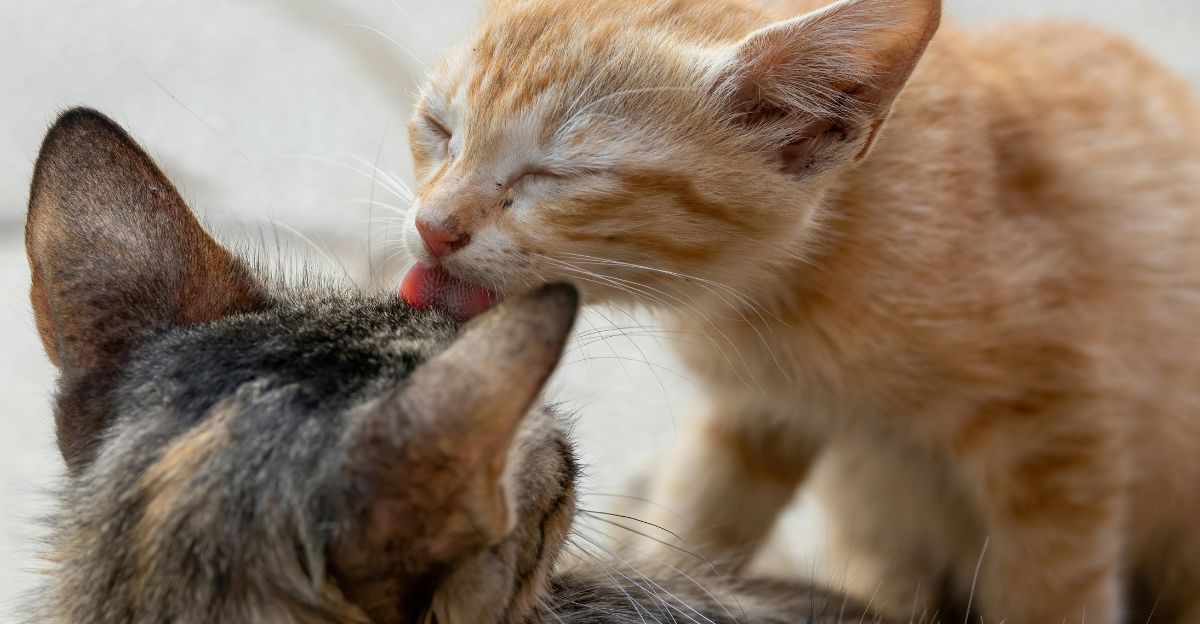
Have you ever noticed your cat spending more time licking itself than usual? When cats over groom, it’s not just about staying clean—it could be a sign that something is wrong.
You might think it’s normal, but excessive grooming can point to hidden issues affecting your furry friend’s health and happiness. Understanding why your cat is over grooming can help you spot problems early and make sure your pet feels comfortable and stress-free.
Keep reading to discover what over grooming really means and what you can do to help your cat.
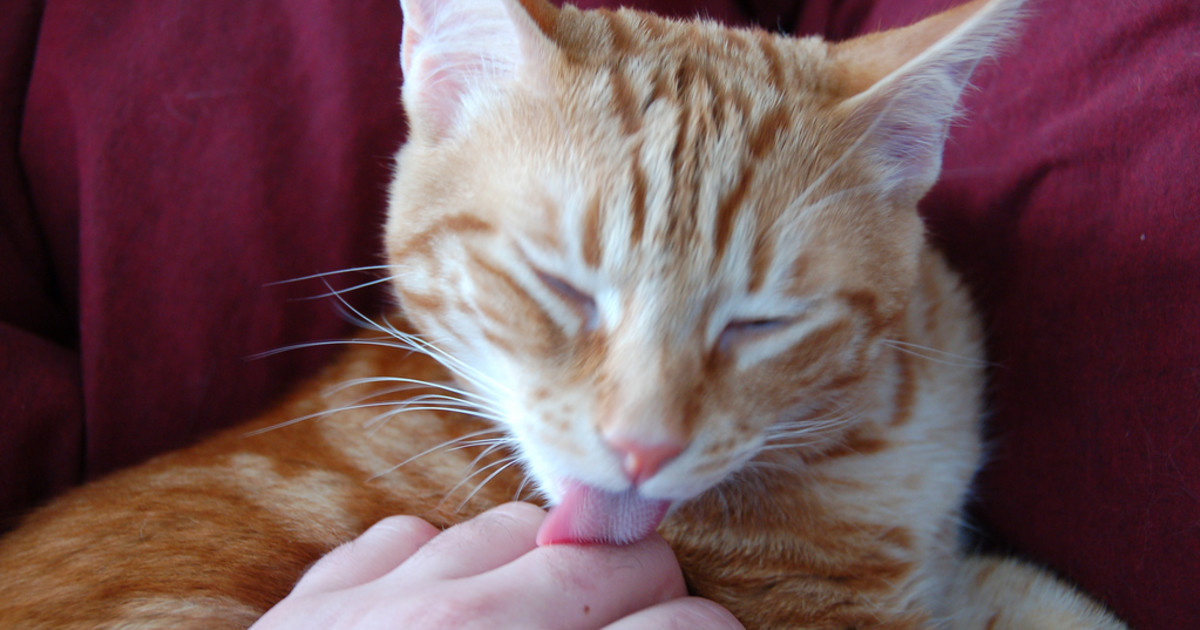
Credit: pethelpful.com
Reasons For Over Grooming
Over grooming in cats can be puzzling and concerning for any cat owner. Understanding the reasons behind this behavior is key to helping your feline friend feel comfortable and healthy. Over grooming isn’t just about cleanliness—it often signals something deeper affecting your cat’s well-being.
Stress And Anxiety
Stress is one of the most common triggers for over grooming. Cats may lick or chew themselves excessively when they feel anxious due to changes in their environment, new pets, or loud noises. Have you noticed your cat grooming more after a move or a visit to the vet?
Recognizing stress-related grooming can help you provide a calmer space or use calming aids like pheromone diffusers. This can reduce their anxiety and the urge to over groom.
Allergies And Skin Issues
Allergies often cause itching and discomfort, prompting cats to groom excessively to relieve irritation. These allergies can be due to food, pollen, dust, or household cleaners. If your cat’s skin looks red, flaky, or swollen, allergies might be the culprit.
Addressing the underlying allergy with your vet can stop the cycle of itching and over grooming. Have you checked if your cat’s diet or environment has changed recently?
Parasites And Infections
Fleas, mites, and other parasites are notorious for causing intense itching. Cats respond by grooming themselves relentlessly to try and remove these pests. Skin infections from bacteria or fungi can also make your cat uncomfortable and lead to over grooming.
Regular parasite prevention and prompt treatment of infections are essential. Don’t overlook the possibility of hidden parasites even if you don’t see fleas crawling around.
Boredom And Lack Of Stimulation
Sometimes, over grooming stems from boredom or lack of mental and physical activity. Cats that don’t get enough playtime or interaction may turn to grooming as a way to fill the time. Have you noticed your cat grooming more when left alone for long hours?
Increasing play sessions or introducing new toys can divert their attention away from excessive grooming. Keeping your cat engaged can improve their mood and reduce the habit.
Pain Or Discomfort
Over grooming might be a sign that your cat is experiencing pain in a specific area. Arthritis, injury, or internal problems can cause discomfort that leads your cat to lick or bite the painful spot repeatedly. If you see bald patches or raw skin, it might be a red flag.
Getting a vet check-up to rule out or treat pain issues can prevent further self-injury. How closely do you observe your cat’s grooming patterns related to their activity or mobility?
Signs Of Over Grooming
Over grooming in cats shows through clear signs on their body and behavior. Watching for these signs helps catch problems early. Cats groom themselves to stay clean. But too much grooming can hurt their skin and fur.
Recognizing signs of over grooming is important for your cat’s health. Changes in fur, skin, and habits all reveal trouble. Pay attention to what your cat’s body tells you.
Bald Patches And Hair Loss
One of the first signs is bald spots. Over grooming removes fur faster than it grows. These patches can appear on the belly, legs, or neck. Hair loss may be uneven or in small clumps. This shows your cat is licking or biting too much.
Redness And Irritation
Skin can become red and sore from too much licking. The area may look swollen or inflamed. This irritation causes discomfort and can lead to infection. Redness often appears where hair loss is visible.
Sores And Scabs
Constant licking can break the skin. This creates sores and scabs that take time to heal. Open wounds may get infected, causing more pain. Scabs show your cat is trying to soothe an itchy or painful spot.
Excessive Licking Behavior
Notice if your cat spends too much time grooming. Licking beyond normal cleaning is a red flag. It can happen during rest or even play. This behavior may be hard to ignore because it is repetitive.
Changes In Mood Or Activity
Over grooming can affect your cat’s mood. Your cat might seem restless or anxious. They may hide more or avoid interaction. Activity levels can drop due to discomfort or stress.
Health Risks Of Over Grooming
Over grooming in cats might seem like harmless behavior, but it can lead to serious health problems. When your cat licks or scratches itself excessively, it risks damaging its skin and overall well-being. Understanding these health risks helps you protect your furry friend before things get worse.
Skin Infections
Constant licking and biting break the skin’s protective barrier. This creates open wounds that bacteria can easily invade. You might notice redness, swelling, or even pus, which are signs of infection.
Ignoring skin infections can cause pain and discomfort for your cat. Have you checked your cat’s skin for unusual spots or sores lately? Early treatment can prevent infections from spreading and becoming more severe.
Worsening Allergies
Over grooming often starts because of allergies, but it can actually make allergies worse. The more your cat scratches or licks, the more irritated the skin becomes.
This irritation can trigger a cycle where your cat feels the urge to groom even more. Think about whether your home environment might have allergens like dust, pollen, or certain foods that affect your cat’s skin health.
Self-inflicted Injuries
Your cat can hurt itself by over grooming. Repeated licking and scratching can cause raw, bleeding patches or even deep wounds. These injuries take time to heal and might leave scars.
Have you seen your cat with bald spots or open wounds? These signs mean your cat needs help to break the cycle of over grooming before permanent damage occurs.

Credit: pennypaws.com
How To Help Your Cat
Helping a cat that overgrooms requires attention and care. Overgrooming can cause skin damage and discomfort. It often signals an underlying problem. The best approach involves understanding the cause and providing the right support. Here are some key ways to help your cat regain comfort and health.
Veterinary Diagnosis
Visit a veterinarian for a full check-up. The vet will look for allergies, parasites, or infections. Blood tests and skin scrapings might be needed. Accurate diagnosis helps target the right treatment. Early detection can prevent serious issues.
Environmental Enrichment
Provide toys and activities to keep your cat busy. Scratching posts and puzzle feeders work well. A calm, stable environment reduces stress. Playtime helps release energy and anxiety. A happy cat grooms less out of boredom.
Medications And Treatments
The vet may prescribe medicines for allergies or infections. Anti-anxiety drugs can calm nervous cats. Topical creams soothe irritated skin. Follow the vet’s instructions carefully. Regular treatment helps the skin heal properly.
Behavioral Therapy
Identify triggers that cause stress or anxiety. Gentle training can reduce nervous behaviors. Reward calm and relaxed actions with treats. Avoid punishment, which can worsen stress. Consistency and patience improve your cat’s well-being.
Proper Grooming Practices
Brush your cat regularly to reduce hair loss. Use gentle strokes and the right tools. Check for skin problems during grooming sessions. Keep your cat’s nails trimmed to avoid injury. Grooming strengthens your bond and reduces overgrooming.
Preventing Over Grooming
Cats are known for their grooming habits. Yet, over grooming can be a sign of stress or health issues. Preventing over grooming involves understanding its causes and taking proactive measures. Here are some steps to help your cat maintain a healthy grooming routine.
Regular Vet Checkups
Regular vet visits are crucial for your cat’s health. A vet can detect underlying health issues. Early intervention can prevent over grooming. Schedule checkups at least once a year.
Stress Reduction Techniques
Stress can trigger over grooming in cats. Create a calm environment at home. Provide your cat with a safe, quiet space. Use calming sprays or diffusers designed for cats.
Parasite Control
Parasites often cause excessive grooming. Regularly check your cat for fleas and ticks. Use vet-approved flea treatments. Keep your cat’s living space clean and parasite-free.
Interactive Playtime
Engage your cat with interactive toys. Playtime reduces boredom and stress. It also provides mental and physical stimulation. Dedicate at least 15 minutes daily to play with your cat.

Credit: petcube.com
Frequently Asked Questions
Why Do Cats Over Groom Themselves?
Cats over groom due to stress, allergies, or skin irritations. It can also signal pain or behavioral issues. Over grooming helps them cope or soothe discomfort.
What Are Signs Of Cat Over Grooming?
Signs include bald patches, redness, scabs, or excessive licking. Cats may also show restlessness or changes in behavior. These indicate a grooming problem needing attention.
Can Over Grooming Harm My Cat?
Yes, over grooming can cause skin infections, wounds, and hair loss. It weakens the skin barrier and increases irritation. Veterinary care is essential to prevent further damage.
How Is Cat Over Grooming Treated?
Treatment depends on the cause, like allergy management or stress reduction. Medications, behavioral therapy, or environmental changes help. A vet diagnosis guides effective treatment plans.
Conclusion
Cats over grooming shows they may feel stressed or hurt. Watch your cat’s behavior closely. Try to keep their environment calm and safe. Offer toys and attention to reduce anxiety. If grooming continues or causes sores, see a vet soon.
Early care helps your cat stay happy and healthy. Understanding these signs shows you care deeply. Keep your furry friend comfortable and loved every day.


Leave a Reply