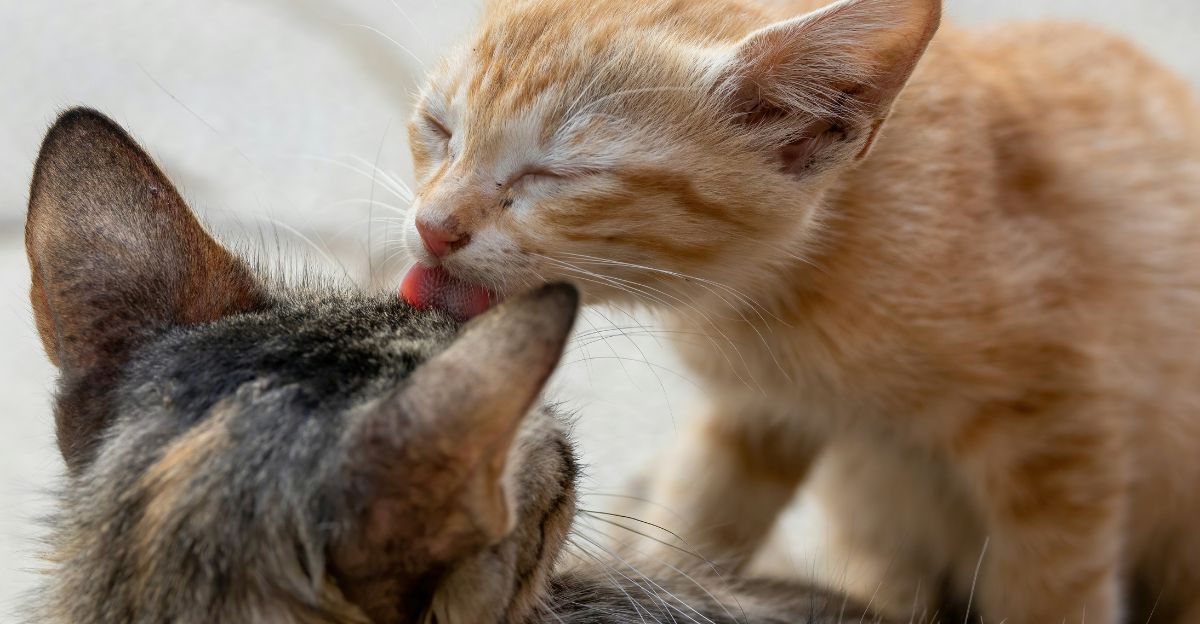
Have you ever watched your cat carefully lick another cat and wondered why they do it? When cats groom each other, it’s more than just cleaning.
This simple act holds deep meaning and reveals a lot about their feelings and relationships. If you want to understand what your feline friends are really saying through grooming, keep reading. You’ll discover surprising facts that will change the way you see your cats forever.
Cat Grooming Basics
Understanding the basics of cat grooming helps you see why your feline friend spends so much time cleaning. Grooming is not just about staying clean; it plays a vital role in their health and social behavior. When cats groom themselves or each other, they are doing much more than just keeping fur tidy.
Why Cats Groom Themselves
Cats groom themselves to remove dirt, loose fur, and parasites like fleas. This keeps their coat healthy and skin free from irritation. Have you noticed how your cat licks a specific spot repeatedly? That’s often to soothe an itch or clean an injury.
Grooming also helps regulate body temperature. When a cat licks its fur, saliva evaporates and cools them down. This is especially important on warm days or after vigorous play.
Beyond cleanliness and comfort, grooming reduces stress. It acts as a calming ritual that helps cats feel safe and relaxed. Next time you see your cat grooming after a loud noise, recognize it as their way to regain calm.
Types Of Grooming Behaviors
Cats show different grooming behaviors depending on the situation and their mood. Self-grooming is the most common, where they use their tongue to clean their fur thoroughly.
- Allogrooming:This is when cats groom each other. It’s a social activity that builds trust and strengthens bonds. If you’ve seen two cats licking each other’s heads or necks, that’s allogrooming in action.
- Overgrooming:Sometimes cats groom too much, which can cause bald patches or skin irritation. This behavior may signal anxiety or health problems, so it’s worth monitoring.
- Spot grooming:Cats often focus on specific spots that feel uncomfortable or itchy. If you notice your cat returning to the same area, check for fleas or skin issues.
Have you ever watched your cats groom each other and wondered what it means? Understanding these behaviors can help you support your cats’ emotional and physical well-being better.

Credit: catgroomerla.com
Reasons Cats Groom Each Other
Cats grooming each other is more than just a cute behavior to watch. It reveals a lot about their relationships and emotional states. Understanding why cats engage in this activity can help you better interpret their social dynamics and well-being.
Social Bonding And Affection
When cats groom each other, they are often strengthening their social bonds. This mutual grooming, called allogrooming, shows trust and affection between cats.
You might notice your cats licking each other’s heads or necks, areas they can’t easily reach themselves. This behavior is a clear sign of friendship and comfort.
Establishing Hierarchies
Grooming can also play a role in establishing social ranks within a group of cats. The dominant cat might groom a subordinate to assert control gently.
Have you seen one cat patiently grooming another while the other stays still? This dynamic helps maintain peace and order without aggression.
Stress Relief And Comfort
Grooming offers emotional comfort and stress relief for cats. It releases endorphins, which help them feel calm and safe.
If your cats groom each other after a stressful event, like a visit to the vet, it’s their way of soothing each other. This shared grooming helps reduce anxiety and build a sense of security.
What Grooming Reveals About Cat Relationships
Cats grooming each other shows more than just cleaning habits. It reveals deep bonds and social signals. Grooming helps cats build trust and express care. It also plays a key role in calming conflicts and nurturing young ones. Understanding these behaviors helps us see how cats connect with each other.
Friendship And Trust Signals
When cats groom each other, they show friendship. Grooming is a sign of trust between cats. It creates a strong social bond. Cats feel safe and relaxed around friends. This behavior often happens among cats who live together. Grooming helps maintain peace and harmony in the group.
Conflict Resolution Through Grooming
Grooming can calm tense moments between cats. After a disagreement, cats may groom to make peace. This helps lower stress and rebuild trust. It shows a willingness to forgive and move on. Grooming acts as a natural way to prevent fights. It keeps relationships balanced and friendly.
Motherly Instincts And Care
Mother cats groom their kittens to keep them clean. This care helps kittens feel safe and loved. Grooming also teaches kittens social skills. It strengthens the bond between mother and baby. Even adult cats sometimes groom others like a mother. This shows nurturing instincts beyond just the family.

Credit: catcuddlezone.com
Grooming And Cat Health
Cats grooming each other is more than just a cute behavior; it plays a vital role in their health and well-being. This mutual grooming, also called allogrooming, helps cats stay clean, detect health issues early, and manage parasites. Understanding these benefits can help you better care for your feline friends and spot potential problems before they escalate.
Detecting Illness Or Injury
When cats groom each other, they often pay close attention to areas that are hard to reach on their own. If you notice one cat persistently licking a specific spot on another, it could indicate pain or discomfort. This behavior allows cats to alert each other to possible injuries or health issues, giving you a chance to intervene early.
Have you ever seen one cat focus on a patch of fur that looks different? That could be a sign of skin irritation or infection. Watching these grooming patterns can help you catch illnesses that might otherwise go unnoticed.
Maintaining Hygiene
Grooming helps cats remove dirt, dead skin, and loose fur. Since cats can’t always reach every part of their bodies, their companions fill in the gaps. This shared effort keeps their coats clean and reduces the risk of matting or skin problems.
Keeping your cats’ fur tidy isn’t just about appearance; it can prevent discomfort and skin issues. Have you noticed how your cats’ coats look shinier and healthier when they groom each other regularly?
Parasite Control
Parasites like fleas and ticks can hide in a cat’s fur, causing irritation and health risks. Grooming helps cats spot and remove these pests early. By licking and nibbling, cats can reduce parasite loads and avoid infestations.
If you see your cats grooming more than usual, especially around the neck or ears, it might be a sign they’re trying to deal with parasites. This behavior gives you a heads-up to check for pests and take action if needed.
When Grooming Becomes Problematic
Cats grooming each other shows trust and care. Sometimes, too much grooming can signal stress or health issues. Watching their behavior helps understand when grooming becomes a problem.
When cats groom each other, it usually signifies a bond of trust and affection. However, there are instances when this grooming behavior turns problematic. Understanding the reasons behind these issues can help you address them effectively.Overgrooming And Stress
Cats may overgroom themselves or each other due to stress or anxiety. This behavior can lead to bald spots or skin irritation. Consider the environment—are there any recent changes that might be affecting your cat’s stress levels? Cats are creatures of habit and even minor disruptions can trigger stress. Common stressors include a new pet, moving to a new home, or changes in routine. Identifying and mitigating these stressors can help reduce overgrooming.Aggression And Grooming Misuse
Sometimes grooming can mask aggressive behavior. One cat may use grooming as a way to assert dominance over another. This can lead to tension and altercations between your feline friends. Pay attention to the body language of your cats during grooming. If one cat seems uncomfortable or tries to escape, it might be a sign of grooming misuse. Observing these interactions can help you determine if intervention is necessary.Intervention Tips For Owners
If you notice problematic grooming, there are steps you can take. First, ensure your cats have enough personal space and resources like food bowls and litter boxes. This can minimize competition and reduce stress. Create a calm environment by providing toys and activities that keep your cats engaged. Interactive play can help redirect their energy in a positive way. If overgrooming persists, consider consulting with a veterinarian to rule out any underlying health issues. Are you observing your cats’ grooming habits closely? Small changes in their behavior can be telling, and your proactive approach can make a significant difference in their well-being.Encouraging Positive Grooming Behavior
Encouraging positive grooming behavior between cats strengthens their bond and creates a peaceful home. When cats groom each other, it shows trust and affection, but you can help foster this behavior with the right approach. Creating the right setting and recognizing good interactions can make a big difference in how your cats relate to each other.
Creating A Calm Environment
Your cats need a quiet, stress-free space to feel safe enough for grooming. Loud noises, sudden movements, or overcrowding can make them anxious and less likely to engage in social grooming.
Try to provide separate cozy spots where each cat can retreat if they want some alone time. This reduces tension and allows them to approach each other on their own terms.
Introducing Cats To Each Other
Slow and careful introductions help build trust between cats and encourage grooming later on. Start by letting them sniff each other’s scent through a door or a barrier before any face-to-face meetings.
Gradually increase their time together, watching for relaxed body language. If one cat seems tense or aggressive, give them a break and try again later.
Recognizing And Reinforcing Good Bonds
Notice when your cats groom each other and reward this positive behavior with gentle praise or treats. This helps them understand that grooming is welcomed and encouraged.
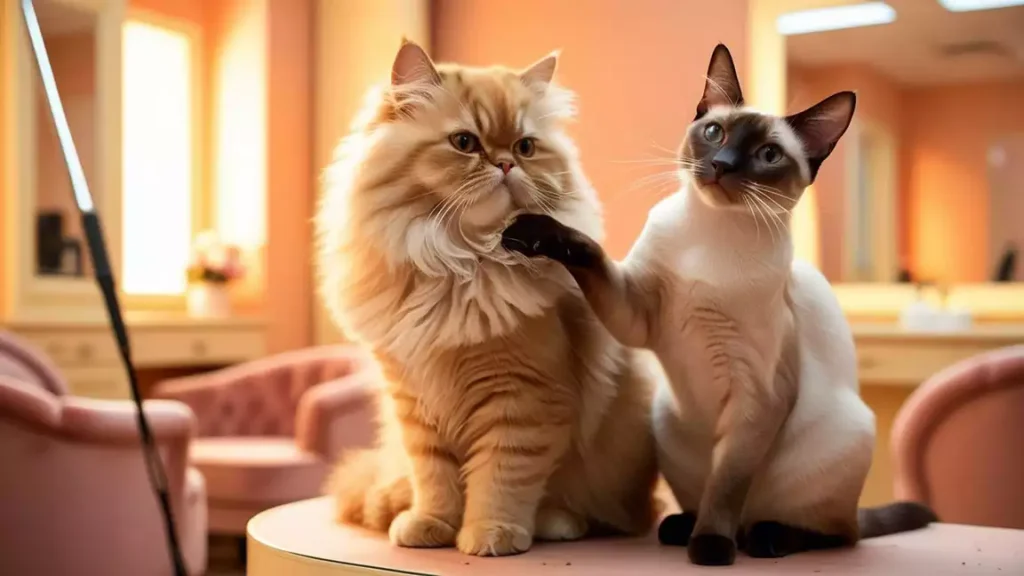
Watch for signs like mutual licking, purring, or resting close together. These moments show they feel safe and connected, and your support will help strengthen their friendship.
Credit: catgroomerla.com
Frequently Asked Questions
Why Do Cats Groom Other Cats?
Cats groom other cats to strengthen social bonds. This behavior, called allogrooming, shows trust and affection. It helps reduce stress and maintain group harmony. Grooming also keeps their fur clean and free of parasites. It’s a natural way for cats to communicate and connect.
Is Cat Grooming A Sign Of Friendship?
Yes, cat grooming is a clear sign of friendship. Cats groom those they trust and feel comfortable with. It helps build and maintain strong relationships between cats. Grooming shows mutual respect and care, promoting peace and cooperation within a cat group.
Can Grooming Reduce Cat Stress?
Absolutely, grooming reduces stress in cats. It releases calming hormones like endorphins, making cats feel relaxed. Grooming also provides comfort and security, especially in multi-cat households. This behavior helps cats cope with anxiety and strengthens their emotional well-being.
Does Grooming Indicate A Cat’s Health?
Grooming can reflect a cat’s health status. Healthy cats groom regularly to keep clean and parasite-free. Lack of grooming may signal illness, pain, or stress. Observing grooming patterns helps owners spot health issues early and ensure their cat’s well-being.
Conclusion
Cats grooming each other shows trust and friendship. It helps them stay clean and feel calm. Grooming also strengthens their bond and keeps peace. Watching cats groom is a sign they feel safe together. This simple act means they care and connect deeply.
Understanding this behavior helps you know your cats better. It shows their social nature and love for each other. So, next time you see grooming, remember it’s a warm, caring moment.




Leave a Reply