Have you noticed your cat suddenly stopping its usual grooming routine? It might seem like a small change, but when your furry friend stops cleaning themselves, it can signal something important.
Grooming is more than just keeping clean—it’s how cats stay healthy and comfortable. If your cat isn’t grooming like before, you need to understand why. Keep reading to discover what it means when a cat stops grooming and what you should do to help your beloved pet feel their best again.
:strip_icc()/the-kitty-1011094438-5c3d1af5c9e77c00015e66a6.jpg)
Credit: www.thesprucepets.com
Reasons Cats Stop Grooming
Cats usually groom themselves to stay clean and healthy. Stopping grooming is a sign that something might be wrong. It can show issues with health, mood, or environment. Understanding why a cat stops grooming helps owners take better care of them.
Health Issues
Illness or pain can stop a cat from grooming. Skin infections or wounds make grooming uncomfortable. Dental problems may cause pain when licking. Arthritis or injury limits movement, making grooming hard. Parasites like fleas irritate the skin and cause discomfort. Regular vet visits help identify these problems early.
Stress And Anxiety
Stress affects a cat’s grooming habits. Changes in the home or loud noises cause anxiety. A new pet or family member can unsettle a cat. Stress may lead to grooming less or overgrooming. Comfort and calm surroundings encourage normal grooming behavior.
Age And Mobility
Older cats may stop grooming due to reduced flexibility. Joint pain or stiffness limits their reach. Weakness or fatigue lowers their energy for grooming. Help by gently brushing or cleaning hard-to-reach spots. This supports their hygiene and comfort as they age.
Environmental Changes
Changes in environment affect grooming routines. Moving to a new home can confuse cats. Different temperatures or humidity affect their skin and fur. Lack of familiar resting spots or litter boxes causes stress. Maintaining a stable and comfortable space promotes grooming habits.

Credit: weareallaboutcats.com
Physical Signs Of Poor Grooming
Noticing a change in your cat’s grooming habits can be worrying. Grooming is essential for a cat’s health, so physical signs of poor grooming often hint at underlying problems. Recognizing these signs early can help you support your feline friend before issues worsen.
Mattes And Tangles
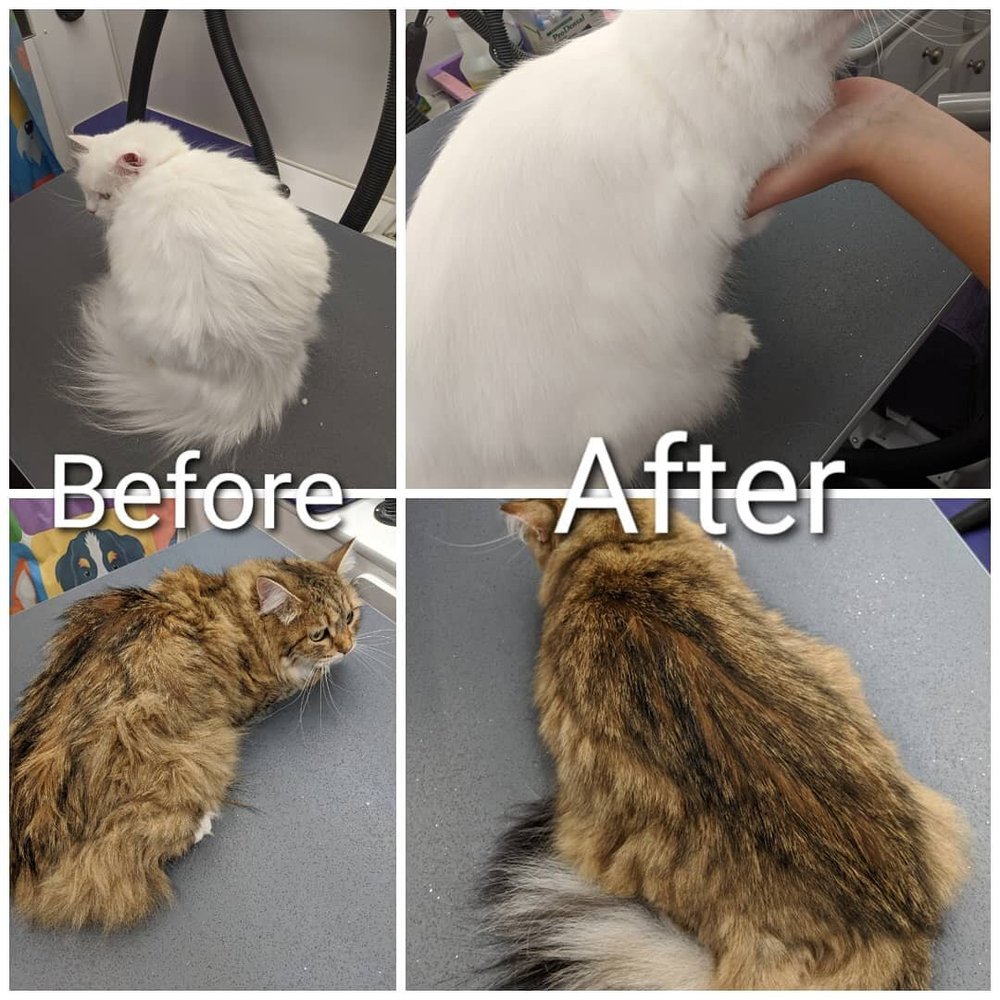
When a cat stops grooming, their fur can quickly develop matting and tangles. These clumps can pull on the skin, causing discomfort or even pain. Have you ever tried brushing a tangled brush? Imagine that feeling on sensitive skin.
Mattes trap dirt and debris, which can lead to further skin problems. If you notice knots forming, it’s a clear sign your cat needs help with grooming.
Dull Or Oily Fur
Your cat’s coat usually shines with health. When grooming stops, fur often becomes dull or greasy. This change can signal skin issues or even nutritional deficiencies.
Think about how your hair looks when you skip washing for days. Your cat’s fur behaves similarly when not cleaned regularly.
Skin Irritation
Neglected grooming can lead to irritated or inflamed skin. You might see redness, flakes, or scabs developing under the fur. These symptoms often mean your cat’s skin barrier is compromised.
Watching your cat scratch or lick a specific area repeatedly should prompt a closer look at their skin condition.
Unpleasant Odor
A well-groomed cat usually smells clean or neutral. If you detect a strong, unpleasant odor, it may indicate poor grooming. This smell often comes from bacteria or yeast building up on unwashed fur.
Have you noticed a smell that doesn’t go away, even after you clean your cat’s bedding? This could be a sign your cat isn’t grooming properly and might need your attention.
Behavioral Changes Linked To Grooming
Cats are known for their meticulous grooming habits. These habits are crucial for their health and well-being. When a cat stops grooming, it can be a sign of underlying behavioral changes. Understanding these changes helps in identifying potential health issues.
Lethargy
Lethargy in cats can lead to decreased grooming. A lethargic cat may seem uninterested in activities. This lack of energy impacts their grooming routine. Lethargy might indicate illness or discomfort.
Hiding Or Withdrawal
Cats often hide when they feel unwell. This withdrawal can result in neglected grooming. If a cat retreats to quiet spaces, it’s a cause for concern. Hiding can signal stress or health problems.
Increased Aggression
A normally calm cat may become aggressive. Increased aggression can affect their grooming habits. Pain or discomfort can make a cat irritable. This change in behavior should not be ignored.
Loss Of Appetite
Loss of appetite often accompanies a lack of grooming. A cat not eating might feel unwell. This can lead to poor grooming habits. A change in diet or health issues could be the cause.
Credit: www.squeakycleangrooming.com
When To Seek Veterinary Help
Noticing your cat stop grooming can be worrying. It’s a sign that something might be wrong, but when should you actually call the vet? Knowing the right moments to seek professional help can make all the difference in your cat’s health and comfort.
Persistent Grooming Issues
If your cat stops grooming for more than a day or two, it’s time to pay attention. Occasional laziness is normal, but persistent neglect of self-care often signals an underlying problem.
Watch for fur that becomes matted or dirty. Your cat’s coat should be sleek and clean if they’re grooming regularly. When it isn’t, don’t wait—schedule a vet visit.
Visible Pain Or Discomfort
Does your cat wince, hiss, or pull away when you touch certain areas? These are clear signs of pain. Grooming requires flexibility and comfort, so pain might stop your cat from cleaning itself.
If you notice limping, swelling, or sensitivity, your cat may have an injury or illness. It’s crucial to get a professional opinion to avoid worsening the condition.
Sudden Behavioral Shifts
Has your cat suddenly become withdrawn, aggressive, or less active? Changes like these often go hand in hand with grooming problems.
Your cat might be hiding a health issue that’s affecting its mood and habits. Don’t ignore these signs; behavioral shifts often call for a vet’s evaluation.
Presence Of Wounds Or Parasites
Check your cat’s skin carefully. Open wounds, scabs, or persistent scratching can point to infections or parasites like fleas and mites.
Parasites not only cause discomfort but can lead to serious health issues. If you spot any of these signs, a vet’s treatment is necessary to restore your cat’s well-being.
Tips To Encourage Grooming
Encouraging a cat to groom again needs patience and care. Grooming helps cats stay clean and healthy. It also shows they feel safe and calm. When a cat stops grooming, try these tips to help them return to their routine. Small changes can make a big difference in their comfort and behavior.
Regular Brushing
Brush your cat gently every day. Use a soft brush made for cats. Brushing removes loose fur and dirt. It also helps spread natural oils on their coat. This keeps their fur shiny and soft. Brushing can feel like grooming to your cat. It builds trust and comfort between you.
Stress Reduction Techniques
Stress can stop cats from grooming. Create calm areas for your cat to relax. Use quiet spaces away from loud noises. Play soft music or use pheromone diffusers. Spend time with your cat to help them feel safe. Avoid sudden changes in their routine or environment.
Healthy Diet
Good food supports healthy skin and fur. Feed your cat balanced meals with all needed nutrients. Omega-3 and Omega-6 fatty acids help fur stay smooth. Keep fresh water available at all times. A healthy diet can boost energy and mood. This encourages grooming and active behavior.
Creating A Comfortable Environment
Make your cat’s space cozy and clean. Provide warm bedding in quiet corners. Keep litter boxes clean to reduce stress. Offer toys and scratching posts for activity. A safe, comfortable home helps cats feel secure. When they feel secure, grooming habits return naturally.
Frequently Asked Questions
Why Does My Cat Suddenly Stop Grooming Itself?
Cats may stop grooming due to illness, pain, stress, or depression. It signals health or emotional issues needing attention.
Can Lack Of Grooming Indicate Cat Health Problems?
Yes, stopped grooming can mean skin infections, arthritis, dental pain, or other health problems. A vet check is essential.
How Can I Help A Cat That Won’t Groom?
Gently clean your cat and consult a vet. Provide a calm environment and monitor for other symptoms.
Does Stress Cause Cats To Stop Grooming?
Yes, stress or anxiety can lead cats to stop grooming. Reducing stress and providing comfort can help restore grooming habits.
Conclusion
A cat stopping grooming signals a change in its health or mood. It may feel pain, stress, or illness. Watch your cat closely for other signs. Early care can help your cat feel better fast. Always talk to a vet for advice.
Taking action shows you care deeply. Your cat depends on you to stay happy and healthy. Keep love and attention at the center of care. Simple steps make a big difference in your cat’s life.

Leave a Reply