Have you ever spotted a cat that looked different from your usual house pet and wondered if it belonged to a wild breed? Knowing how to identify wild breeds of cats can be exciting and useful.
It helps you understand their unique traits and behavior better. You’ll discover simple ways to tell these special cats apart from common ones. By the end, you’ll feel confident spotting wild breeds wherever you go. Ready to become a cat breed detective?
Let’s dive in!
Credit: www.thewildlifediaries.com
Key Traits Of Wild Cat Breeds
Recognizing wild breeds of cats requires a close look at their key traits. These traits help distinguish them from domestic cats and reveal their unique adaptations to the wild. Understanding these traits sharpens your observation skills and deepens your appreciation for these fascinating animals.
Physical Features To Look For
Wild cat breeds often have distinctive physical traits that set them apart. Look for a muscular build combined with agility—traits necessary for survival in the wild.
- Coat Patterns:Many wild cats have spotted or striped fur, like the ocelot’s rosettes or the serval’s bold spots, which act as camouflage.
- Ear Shape and Size:Some wild cats have large, tufted ears that enhance hearing, such as the caracal’s distinctive black ear tufts.
- Tail Length:Notice the tail length; a shorter tail often helps with balance in dense habitats, while longer tails may assist in agile jumps.
Have you ever paused to observe how these features help wild cats blend into their environment?
Behavioral Characteristics
Behavior gives you clues that physical traits alone can’t reveal. Wild cat breeds usually exhibit solitary and territorial behavior.
- Hunting Style:Unlike domestic cats, many wild breeds hunt large prey and rely on stealth and power.
- Activity Patterns:Most wild cats are nocturnal or crepuscular, active during dawn and dusk to avoid predators and heat.
- Communication:Look for unique vocalizations or scent-marking habits to identify territorial boundaries.
Think about how these behaviors might make it challenging to spot wild cats in their natural habitats.
Habitat Preferences
Wild cats adapt closely to their environments, and their habitats reveal much about their identity. Each breed favors specific terrain and climate conditions.
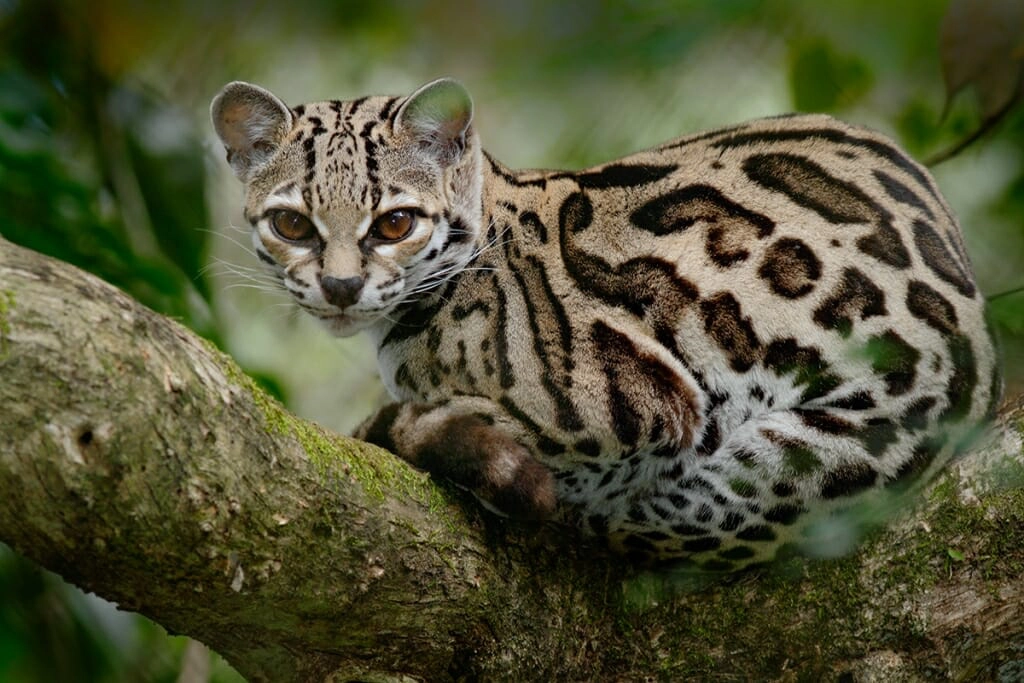
- Forest Dwellers:Species like the margay prefer dense tropical forests with plenty of trees for climbing.
- Grassland Hunters:Servals thrive in savannas and tall grasses, where their spotted coats provide camouflage.
- Mountain Climbers:Some wild cats, like the snow leopard, are built for rugged, high-altitude environments.
Next time you spot a wild cat, consider the environment—it might reveal the cat’s true identity more than its looks.
Common Wild Cat Breeds
Wild cat breeds often capture our imagination with their striking features and elusive behavior. Knowing how to identify these common wild cats can enhance your outdoor experiences and deepen your appreciation for wildlife. Each breed has unique traits that set them apart, making them easier to spot if you know what to look for.
Serval
The serval is a medium-sized wild cat native to Africa, recognized by its long legs and large ears. Its coat is covered in bold black spots and stripes on a golden-yellow background, which helps it blend into tall grasses.
If you see a cat with a slender body and oversized ears standing out, you might be looking at a serval. Their excellent hearing allows them to detect prey underground, a trait that shapes their hunting style.
Caracal
The caracal stands out with its tufted ears that look like small black flags. Its sleek, reddish-brown coat lacks spots, giving it a smooth, uniform appearance.
Spotting a caracal means looking for that distinctive ear shape and agile movements. They are known for their impressive jumping ability, sometimes leaping high to catch birds mid-flight.
Bobcat
Bobcats are native to North America and have a more robust build compared to servals or caracals. Their fur is usually a mix of brown and gray with black streaks, and their short tail has a black tip.
Recognizing a bobcat involves noticing its distinctive ear tufts and spotted legs. These cats are adaptable and often come close to suburban areas, so you might spot one near your neighborhood woods.
Ocelot
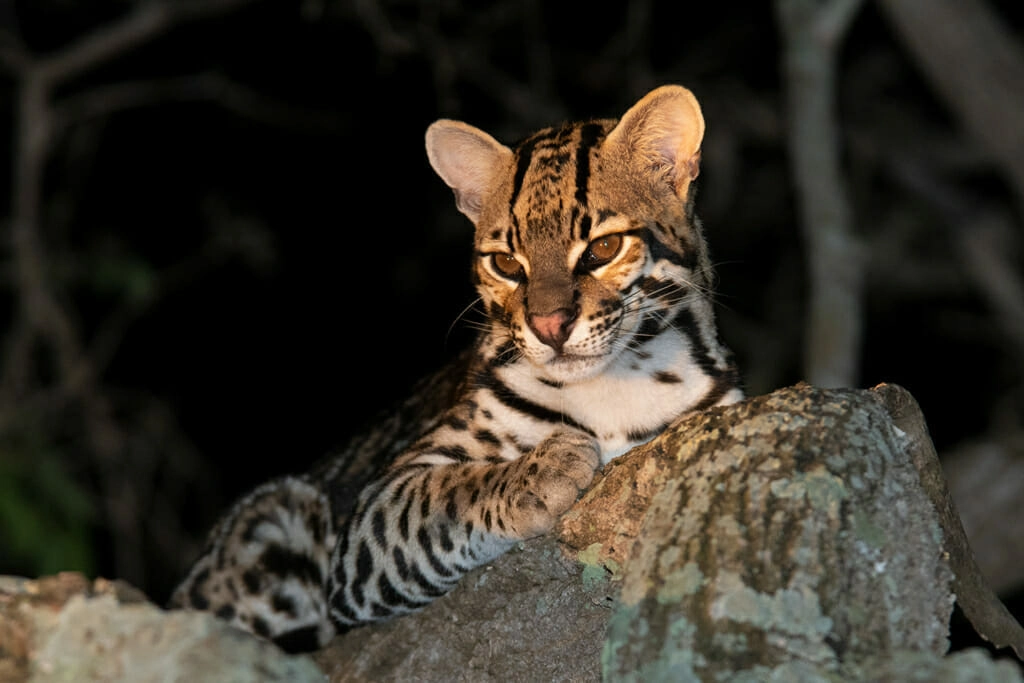
Ocelots have a beautifully patterned coat with rosettes and spots, making them one of the most visually striking wild cats. They are smaller than jaguars but larger than domestic cats, living mainly in South America.
If you glimpse a wild cat with a glossy, dappled coat and large eyes, you could be seeing an ocelot. Their nocturnal habits mean you might hear more about them than see them, but their prints and markings leave clues.
Comparing Wild Cats With Domestic Cats
When you’re out in nature, spotting a wild cat can be an exhilarating experience. But how do you distinguish these majestic creatures from their domestic counterparts? Understanding the differences between wild and domestic cats not only enriches your knowledge but also enhances your outdoor adventures. Let’s dive into some key differences that set wild cats apart from the furry friend lounging on your couch.
Size And Build Differences
Wild cats often boast a more robust and muscular build than domestic cats. Consider the sleek and powerful form of a cheetah compared to your average house cat. Even smaller wild cats like the lynx have a stockier frame, designed for survival and hunting.
Have you ever noticed how wild cats move with a certain grace and purpose? Their larger paws and strong limbs are adapted for traversing diverse terrains. Domestic cats, on the other hand, are more agile but lack the rugged strength of their wild relatives.
Coat Patterns And Colors
Wild cats often have distinct coat patterns that serve as camouflage in their natural habitats. Think about the striking spots of a leopard or the stripes of a tiger. These patterns are not just for show—they help the cats blend into their surroundings to stalk prey effectively.
In contrast, domestic cats come in a myriad of colors and patterns, often bred for aesthetics rather than function. Have you noticed how your tabby might have a mix of stripes and spots? While beautiful, these patterns are more diverse and less uniform than those of wild cats.
Eye Shape And Color
The eyes of wild cats are another giveaway. They typically have rounder pupils that adapt quickly to light changes, crucial for hunting at dawn or dusk. Their eye colors can range from piercing yellows to deep greens, adding to their enigmatic allure.
Your domestic cat likely has oval-shaped pupils that adjust to indoor lighting. Eye colors in domestic cats vary widely but tend to lack the intense vibrancy seen in wild species. Next time your cat gazes at you, notice the softness compared to the piercing stare of a wild cat.
Understanding these differences not only adds depth to your wildlife encounters but also enriches your appreciation for the diverse world of cats. Next time you spot a feline in the wild, ask yourself: what makes this cat a master of its environment?

Credit: www.reddit.com
Tools And Techniques For Identification
Identifying wild breeds of cats needs the right tools and techniques. These help spot key features and behavior traits. Using simple aids improves accuracy and makes the process easier. Observing carefully and recording details plays a big role in proper identification.
Using Field Guides And Apps
Field guides offer detailed pictures and descriptions of wild cat breeds. They highlight differences in size, color, and patterns. These guides are handy for quick checks outdoors. Apps designed for wildlife identification provide instant access to information. Many apps have search functions using location and appearance. They can suggest possible species based on your input. Some apps allow users to compare photos side by side. This helps confirm your observations with expert data.
Photographing For Details
Photos capture details that may be missed by the eye. Focus on clear shots of the face, paws, and tail. Use zoom to avoid disturbing the animal. Take multiple pictures from different angles. Good lighting shows true colors and markings. Store photos in an organized way for easy review. Comparing photos over time helps track individual animals. This technique supports learning subtle differences between breeds.
Tracking Signs And Prints
Wild cats leave clues like paw prints and scratch marks. Measuring paw prints can suggest the cat’s size and breed. Look for unique track patterns in mud or soft soil. Scratches on trees show climbing behavior and strength. Scat or droppings reveal diet and health. Collecting and studying these signs helps confirm presence without direct sighting. Use a notebook or app to record locations and details of tracks.
Safety Tips When Observing Wild Cats
Observing wild cats is an incredible experience, but it requires careful attention to safety—for both you and the animal. Wild cats are unpredictable and can feel threatened by close human presence. Protecting yourself means respecting their space and being prepared for any situation.
Maintaining Distance
Always keep a safe distance from wild cats to avoid startling them. Use binoculars or a zoom lens to get a closer look without invading their territory. Remember, even if a wild cat appears calm, sudden movements can trigger defensive behavior.
Think about the last time you saw a wild animal up close—did it feel safe? Your presence can cause stress, so maintaining distance helps protect their natural behavior. This also reduces the risk of accidental attacks.
Avoiding Disturbance
Minimize noise and avoid sudden movements when near wild cats. Speak softly and move slowly to prevent alarming them. Avoid shining bright lights or using flash photography, which can disturb and confuse these sensitive creatures.
Have you noticed how animals react differently to human sounds? Wild cats rely heavily on stealth and silence to hunt and stay safe. Your respect for their environment allows you to observe without interfering with their daily life.
Emergency Preparedness
Always carry a first aid kit and know basic wound care in case of scratches or bites. Make sure someone knows your location and expected return time before heading out. Carry a whistle or other noise-maker to deter animals if you feel threatened.
What would you do if a wild cat approached unexpectedly? Being prepared means staying calm and having a plan to safely back away without turning your back. Your safety depends on quick thinking and readiness to respond appropriately.
Credit: www.thewildlifediaries.com
Frequently Asked Questions
What Are Common Traits Of Wild Cat Breeds?
Wild cat breeds often have distinctive fur patterns, muscular bodies, and sharp retractable claws. They usually display keen hunting instincts and nocturnal behavior. Their eyes often have vertical slit pupils, aiding night vision. These traits help differentiate them from domestic cat breeds.
How To Distinguish Wild Cats From Domestic Cats?
Wild cats typically have a more robust build, thicker fur, and unique markings. They exhibit cautious and elusive behavior. Unlike domestic cats, wild breeds are less social and more independent. Observing their habitat and behavior can help in accurate identification.
Can Wild Cat Breeds Be Kept As Pets?
Wild cat breeds generally are not suitable as pets due to their natural instincts. They require specialized care and large territories. Many countries regulate or prohibit ownership of wild cats to protect both animals and people.
Which Habitats Do Wild Cat Breeds Prefer?
Wild cats inhabit diverse environments like forests, grasslands, and deserts. Each species adapts to its specific region with unique hunting strategies. Understanding their natural habitats aids in proper identification and conservation efforts.
Conclusion
Identifying wild cat breeds takes careful observation and patience. Notice their body shape, fur patterns, and eye color closely. Wild cats often show unique markings and strong, agile builds. Learning these traits helps you tell them apart from domestic cats.
Practice by watching pictures and videos of wild breeds. Over time, spotting wild cats will become easier and more fun. Keep exploring and enjoy discovering the beauty of these animals.


Leave a Reply