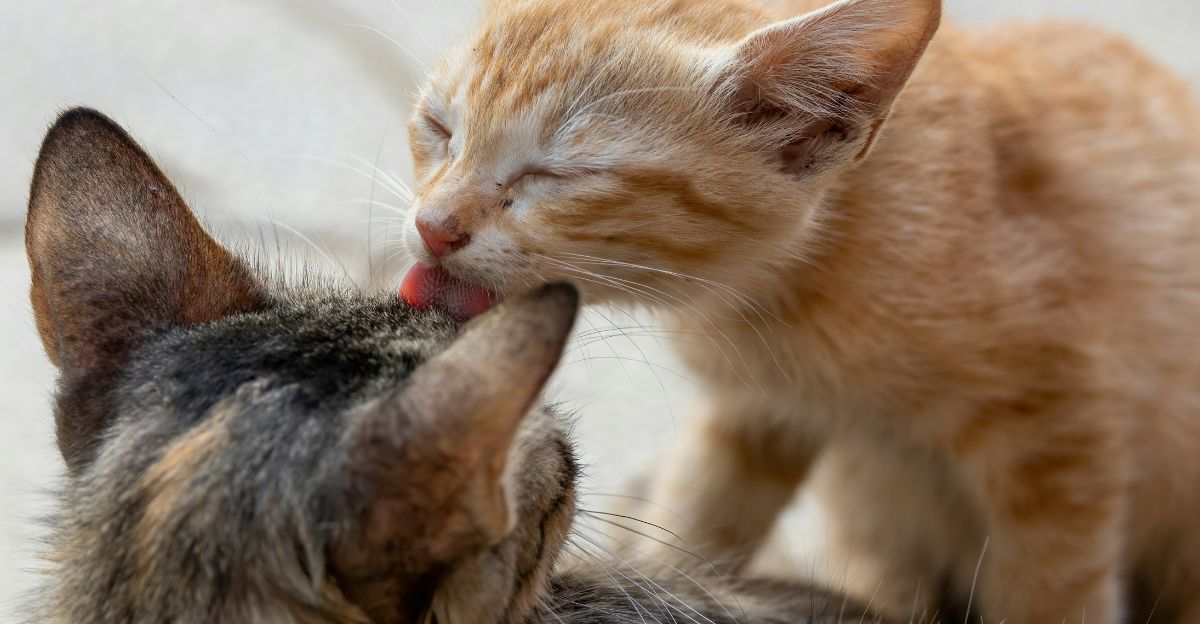
Have you ever watched your cat carefully licking another cat and wondered what it really means? When a cat grooms another, it’s more than just cleaning fur.
It’s a special way cats communicate, show trust, and build strong bonds. If you want to understand your feline friend better and discover the hidden messages behind this behavior, keep reading. You’ll be surprised at how much your cat is telling you with just a simple lick.
Credit: catcuddlezone.com
Cat Grooming Behavior
Cat grooming behavior is more than just a way for your feline friend to stay clean. It’s a vital part of how cats communicate, bond, and maintain their health. Watching one cat groom another reveals a fascinating layer of their social life that often goes unnoticed.
Types Of Grooming
Cats groom in several ways, each serving a different purpose. Self-grooming is the most common, where cats lick their fur to remove dirt and loose hair. You might also see allogrooming, which happens when one cat grooms another—usually around the head and neck, areas they can’t easily reach themselves.
There’s also social grooming, which helps strengthen bonds between cats. Grooming can be mutual, creating trust and a sense of safety. You might notice your cats taking turns or grooming simultaneously, which shows their close relationship.
Why Cats Groom Themselves
Self-grooming isn’t just about cleanliness. It helps regulate body temperature by spreading natural oils through their fur. Grooming also reduces stress—cats often lick themselves when they feel anxious or need comfort.
Have you ever noticed your cat grooming intensely after a stressful event? That’s their way of calming down. Grooming also removes parasites and dead skin, which keeps your cat healthy.
Next time you see your cat grooming another, ask yourself—are they showing affection, or is there a deeper reason tied to their well-being? Paying attention to these behaviors can deepen your understanding of your cat’s emotional and physical needs.

Credit: www.companionanimalpsychology.com
Social Grooming Among Cats
Social grooming among cats is more than just cleaning. It is a way cats communicate and build relationships. When one cat grooms another, it shows trust and comfort. This behavior helps cats live peacefully in groups. Understanding social grooming reveals much about cat behavior and their social world.
Bonding Through Grooming
Grooming strengthens the bond between cats. It is a sign of friendship and care. Cats groom each other to share scents. This makes the group smell alike and feel united. Grooming also reduces stress and creates calm moments. It shows that cats accept each other as part of their family.
Hierarchy And Grooming Roles
Grooming reflects the social order in a group of cats. Higher-ranking cats may groom others more often. They control the group’s peace and safety. Lower-ranking cats usually receive more grooming than they give. This shows respect and submission. Grooming roles help keep the group balanced and reduce fights.
Benefits Of Grooming Others
Watching one cat groom another reveals more than just a cleaning routine. It’s a meaningful behavior packed with benefits that go beyond surface-level care. Understanding these benefits can help you appreciate the depth of your feline’s social life and well-being.
Strengthening Relationships
When cats groom each other, they build trust and friendship. This shared activity acts like a bonding ritual, making their connection stronger. You might notice your cats spending more time together and feeling calmer after grooming sessions.
Think about your own friendships—how small acts of care bring you closer. Cats do the same through grooming. This behavior helps reduce conflicts and creates a peaceful environment at home.
Stress Reduction
Grooming isn’t just about cleanliness; it’s also a way cats relax. The gentle licking and nibbling release calming chemicals in their brains. You can see this in how your cats seem more content and less anxious after grooming each other.
If your cat is stressed, encouraging gentle interaction with a feline friend can be a natural way to soothe them. Have you noticed a calmer mood in your cats after they groom each other? That’s the power of this simple yet effective stress relief method.
Health And Hygiene
Self-grooming can’t reach every spot, especially hard-to-reach areas like the head and neck. Cats grooming each other help keep these places clean and free of dirt or parasites. This teamwork supports better overall hygiene and health.
By watching your cats groom one another, you can spot potential issues like skin problems early. If one cat stops grooming the other, it might indicate health concerns or social tension. So, these grooming sessions are also a window into their well-being.
When Grooming Signals More
Cat grooming is often more than just cleaning. It can show different feelings and messages between cats. When one cat grooms another, it sometimes means more than simple hygiene. It can be a way to show power, comfort, or even a call for attention.
Signs Of Dominance
Sometimes grooming shows who is in charge. A dominant cat may groom a weaker one to show control. The dominant cat decides when and where grooming happens. The other cat usually stays still and accepts the grooming. This act can keep peace between cats by showing clear roles.
Comfort And Reassurance
Grooming can also bring comfort. Cats often groom each other to calm stress or fear. It helps them feel safe and close. This behavior is common between cats that trust each other. Grooming releases happy feelings in their brains. It builds strong bonds and shows care.
Seeking Attention
Sometimes a cat grooms another to get noticed. It is a gentle way to ask for play or affection. The groomer might want to start interaction or share time. This kind of grooming is usually soft and repeated. It shows the cat wants connection and friendship.
Grooming In Multi-cat Households
Cats grooming each other shows trust and friendship in a multi-cat home. It helps them bond and share comfort. This behavior also keeps their fur clean and healthy.
Grooming in a multi-cat household is more than just a hygiene activity. It plays a crucial role in social bonding and establishing hierarchies among your feline companions. Watching one cat grooming another can be heartwarming, yet it may also raise questions about their relationship dynamics.Encouraging Positive Interactions
Encouraging positive grooming interactions between your cats can enhance their bond. Place cozy beds or blankets where your cats can comfortably groom each other. Try offering treats when you notice them engaging in mutual grooming, reinforcing this behavior as positive and rewarding. Introducing new cats? Allow them to get accustomed to each other’s scents. Swap their bedding or toys to facilitate this process. Your cats will feel more comfortable when they recognize familiar scents, promoting peaceful grooming sessions.Managing Grooming Conflicts
Despite your best efforts, grooming conflicts can arise. Recognize the signs of discomfort, such as hissing or swatting. If a grooming session turns into a spat, calmly separate them and give them space. Consider the environment. Are there enough resources like food bowls and litter boxes? A lack of these can lead to territorial disputes. Ensure each cat has access to essentials without competition. Monitor their interactions regularly. If one cat seems overly dominant, redirect its attention with toys or playtime. This can help maintain harmony in your multi-cat household. How do you handle grooming conflicts in your cat family? Share your experiences and learn from others.What If Grooming Stops?
Noticing that your cats have suddenly stopped grooming each other can feel unsettling. Grooming is more than just keeping clean; it’s a sign of trust and bonding between your cats. When this behavior stops, it’s important to understand what might be going on beneath the surface.
Potential Health Issues
One reason grooming might stop is due to health problems. If your cat feels pain or discomfort, it may avoid close contact with others.
Look for signs like limping, changes in appetite, or unusual behavior. Cats often hide illness, so a sudden stop in grooming could be your first clue.
Dental problems, skin infections, or arthritis might make grooming uncomfortable. It’s a good idea to schedule a vet check-up if you see this change.
Changes In Social Dynamics
Grooming is a social activity that reflects your cats’ relationship. If the grooming stops, their social dynamics might be shifting.
Have you noticed more hissing, hiding, or territorial behavior? These can signal tension or a new hierarchy developing.
Sometimes, adding a new pet or changing the environment can disrupt the bond. Watching their interactions closely can help you understand what’s changing.

Credit: www.companionanimalpsychology.com
Frequently Asked Questions
Why Do Cats Groom Each Other Frequently?
Cats groom each other to strengthen social bonds and show affection. This behavior, called allogrooming, helps reduce stress and build trust among cats.
Is Grooming A Sign Of Cat Friendship?
Yes, grooming another cat is a clear sign of friendship and mutual trust. Cats use grooming to communicate comfort and acceptance within their group.
Can Grooming Indicate Dominance In Cats?
Grooming can sometimes show dominance, where one cat asserts control. However, it usually reflects care and social connection rather than aggression.
Does Grooming Help Cats Stay Healthy?
Yes, grooming helps cats remove dirt, parasites, and loose fur. It also promotes hygiene and reduces the risk of skin infections.
Conclusion
Cat grooming another shows trust and friendship between them. It helps keep their fur clean and healthy. This behavior also reduces stress and builds strong bonds. Watching cats groom each other reveals their feelings and social ties. Understanding this can deepen your connection with your pets.
Remember, grooming is a natural way cats say, “I care. ” It’s a sign of comfort and peace in their world. Keep observing, and you’ll see how important this act truly is.




Leave a Reply