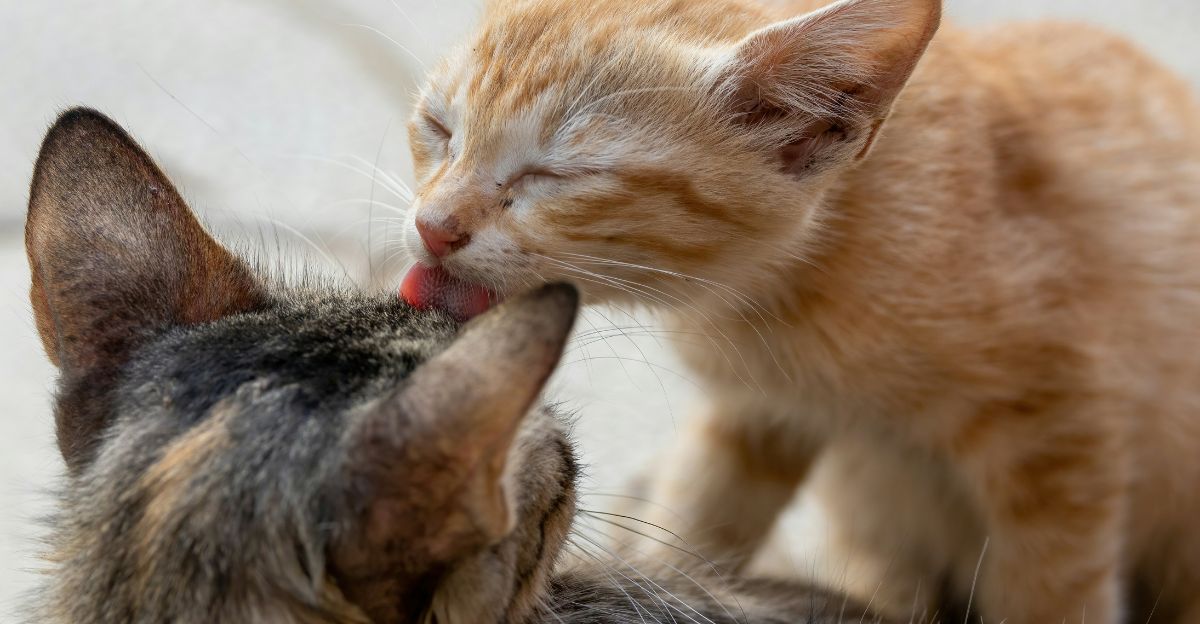
Have you ever watched two cats carefully licking each other’s fur and wondered why they do it? When cats groom each other, it’s more than just keeping clean.
This simple act holds surprising meaning about their feelings and relationships. If you want to understand what your feline friends are really saying when they groom each other, keep reading. You’ll discover secrets that can help you better connect with your cats and even improve their happiness.

Credit: catcuddlezone.com
Reasons Cats Groom Each Other
Cats grooming each other is more than just cleaning. It shows deep social bonds and communication. This behavior has several important reasons. Each one reveals how cats connect and feel safe together.
Bond Strengthening
Grooming helps cats build and keep close relationships. It shows trust and affection between them. When cats lick each other, they share warmth and comfort. This act creates a strong sense of friendship. It also helps families stay united and calm.
Social Hierarchy
Grooming can show who is higher or lower in the group. Often, dominant cats groom others to show control. Submissive cats accept grooming as a sign of respect. This helps keep peace and order in their social life. It avoids fights and confusion.
Stress Relief
Grooming lowers stress and anxiety for cats. The gentle licking feels soothing and safe. It helps calm nerves and reduce tension. Cats often groom each other after scary or new situations. This shared care helps them relax together.
Types Of Grooming Behavior
Understanding the different types of grooming behavior in cats can give you valuable insight into their social world and emotional state. Grooming is more than just cleanliness; it’s a form of communication and bonding. Recognizing these behaviors helps you better connect with your feline companions and notice when something might be off.
Allogrooming Explained
Allogrooming refers to cats grooming each other rather than themselves. This behavior usually happens between cats that share a close bond, like siblings or lifelong companions. When your cats lick or nibble each other’s fur, they are often reinforcing their social ties and trust.
Besides bonding, allogrooming helps cats reach spots they can’t easily clean themselves, such as the back of the head or neck. Have you noticed your cats focusing on those hard-to-reach areas? That’s a clear sign of allogrooming in action.
This behavior can also reduce tension within a group of cats, acting as a peaceful way to maintain harmony. If you see your cats grooming each other after a disagreement, it’s their way of saying “all is well.”
Self-grooming Vs Social Grooming
Self-grooming is exactly what it sounds like—cats cleaning themselves. This daily ritual keeps their fur clean and helps regulate body temperature. It also allows cats to relax and feel calm, which is why you often see them grooming after waking up or during quiet moments.
Social grooming, however, involves interaction between cats. It’s a deliberate act to strengthen relationships, share scents, and provide comfort. Your cats might groom each other when they want to show affection or support, much like how humans use hugs.
How often do you notice your cats switching between grooming themselves and each other? Paying attention to this can help you understand their social dynamics and overall happiness. If one cat suddenly stops social grooming, it might indicate stress or health issues worth checking out.
Benefits Of Mutual Grooming
Mutual grooming among cats is more than just a cute behavior. It plays a vital role in their daily life. Cats use this act to build strong bonds and maintain their well-being. The benefits of mutual grooming cover health, emotional comfort, and peace within their group.
Health And Hygiene
Grooming helps cats stay clean by removing dirt and loose fur. When cats groom each other, they reach spots hard to clean alone. This reduces the risk of skin infections and parasites. Mutual grooming also spreads natural oils, keeping fur shiny and healthy.
Emotional Comfort
Grooming creates a sense of safety and trust among cats. It lowers stress and anxiety by releasing calming hormones. Cats feel loved and cared for during this gentle activity. This emotional bond strengthens their friendship and social ties.
Conflict Reduction
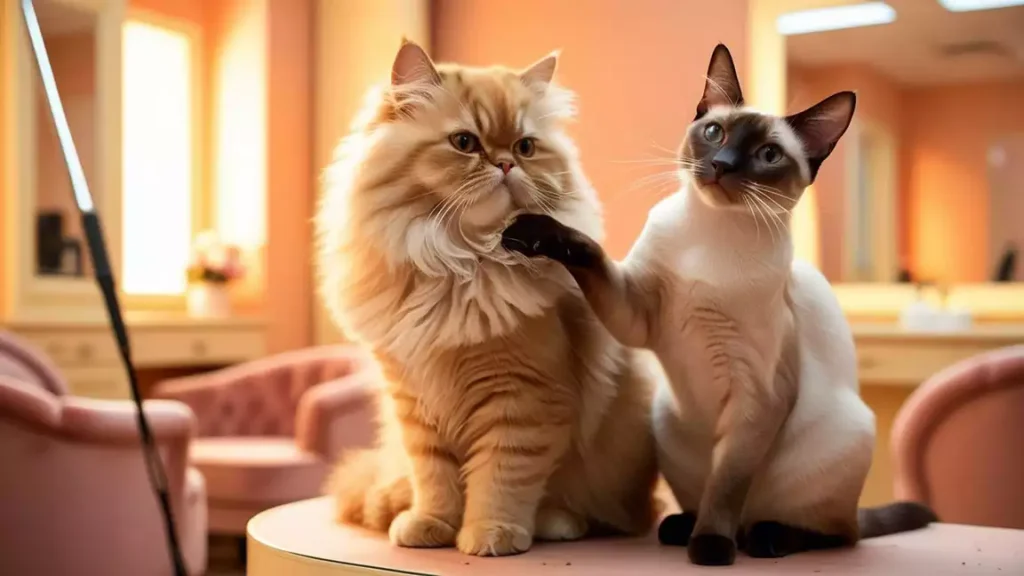
Sharing grooming time helps cats avoid fights and tension. It acts as a peaceful gesture to show goodwill. This behavior promotes harmony in multi-cat homes or colonies. Cats that groom each other tend to live together more peacefully.
Credit: catgroomerla.com
When Grooming Signals Problems
Cats grooming each other usually shows trust and friendship. Yet, excessive grooming might signal stress or health problems. Watch for changes in behavior to spot any issues early.
When our feline friends engage in mutual grooming, it often signals affection and social bonding. However, there are times when grooming behaviors might indicate underlying problems. Understanding these signs can help you address potential issues early, ensuring your cats remain happy and healthy.Over-grooming Signs
If your cat is grooming excessively, it might be a sign of stress or allergies. Look for bald patches or sore spots on their skin. These can indicate that something is amiss and needs your attention. Over-grooming can also stem from boredom. If your cat lacks stimulation, they might resort to grooming as a way to pass the time. Consider introducing more toys or interactive play sessions to keep them engaged.Avoidance Of Grooming
On the flip side, a cat that avoids grooming might be experiencing discomfort or illness. If you notice your cat’s fur looking unkempt or dirty, it could be a red flag. Older cats sometimes struggle with grooming due to arthritis or dental issues. Regular vet check-ups can help identify these problems early. If a normally fastidious cat suddenly stops grooming, it’s worth investigating. Is there a new stressor in the environment? Has their routine changed recently?Aggressive Grooming
Sometimes, grooming can take on an aggressive tone. This might occur if one cat is trying to assert dominance over the other. Pay attention to body language. If one cat looks uncomfortable or tries to escape, it might be time to intervene. Aggressive grooming can escalate to fights. If this happens, consider separating the cats temporarily and reintroducing them slowly. Remember, understanding your cats’ grooming habits is crucial. What might seem like a simple behavior can often reveal much about their well-being. Always stay observant and proactive.How To Encourage Positive Grooming
Encouraging positive grooming between cats helps build strong bonds and reduces stress. It shows trust and comfort. Creating a friendly space and guiding their interactions can promote this behavior. Patience and observation are key to support healthy grooming habits.
Creating A Calm Environment
Keep noise and sudden movements low around your cats. Provide quiet spots where they can relax together. Comfortable spaces help cats feel safe. Soft bedding and familiar scents encourage calmness. Avoid overcrowding their area with too many toys or distractions.
Introducing Cats Gradually
Let cats meet slowly and in controlled ways. Use a door or baby gate for their first encounters. Allow them to see and smell each other without touching. Gradual introductions reduce fear and help build trust. Offer treats and praise during these meetings to create positive feelings.
Monitoring Interactions
Watch how your cats behave when together. Look for signs of stress or aggression. Separate them if grooming turns into rough play. Encourage gentle licking and mutual care. Step in calmly to guide their behavior if needed. Positive reinforcement helps them learn good grooming habits.

Credit: basepaws.com
Frequently Asked Questions
Why Do Cats Groom Each Other?
Cats groom each other to strengthen social bonds and show affection. This behavior, called allogrooming, helps reduce stress and creates trust among cats in the same group.
Is Grooming A Sign Of Cat Friendship?
Yes, grooming indicates friendship and comfort between cats. It shows they feel safe and enjoy each other’s company, reinforcing their social connection.
Can Grooming Help Cats Stay Clean?
Absolutely. Grooming removes dirt, loose fur, and parasites. It also spreads natural oils for healthy skin and a shiny coat, benefiting both cats.
Does Grooming Reduce Cat Stress?
Yes, grooming has a calming effect. It lowers anxiety by releasing endorphins and strengthens emotional bonds, making cats feel more secure and relaxed.
Conclusion
Cats grooming each other shows trust and friendship. It helps them stay clean and calm. This behavior builds strong bonds between cats. Watching this can teach us about their feelings. It’s a natural way for cats to connect. Understanding this helps you care for your pet better.
Cats use grooming to share comfort and love. It’s a simple act with big meaning. Next time you see it, remember: your cats feel safe and happy together.

Leave a Reply