Have you ever watched your cat carefully licking its fur and wondered, what does grooming really mean in cats? Understanding this simple behavior can reveal a lot about your furry friend’s health, mood, and even their bond with you.
Whether your cat grooms to stay clean, calm down, or show affection, knowing the reasons behind it can help you take better care of your pet. Keep reading to discover the surprising facts about cat grooming that every cat owner should know.
Cat Grooming Basics
Cat grooming is more than just keeping fur clean. It is a vital part of their daily routine. Grooming helps cats stay healthy and comfortable. It also plays a role in their social behavior and stress relief. Understanding the basics of cat grooming helps pet owners care better for their feline friends.
Natural Grooming Instincts
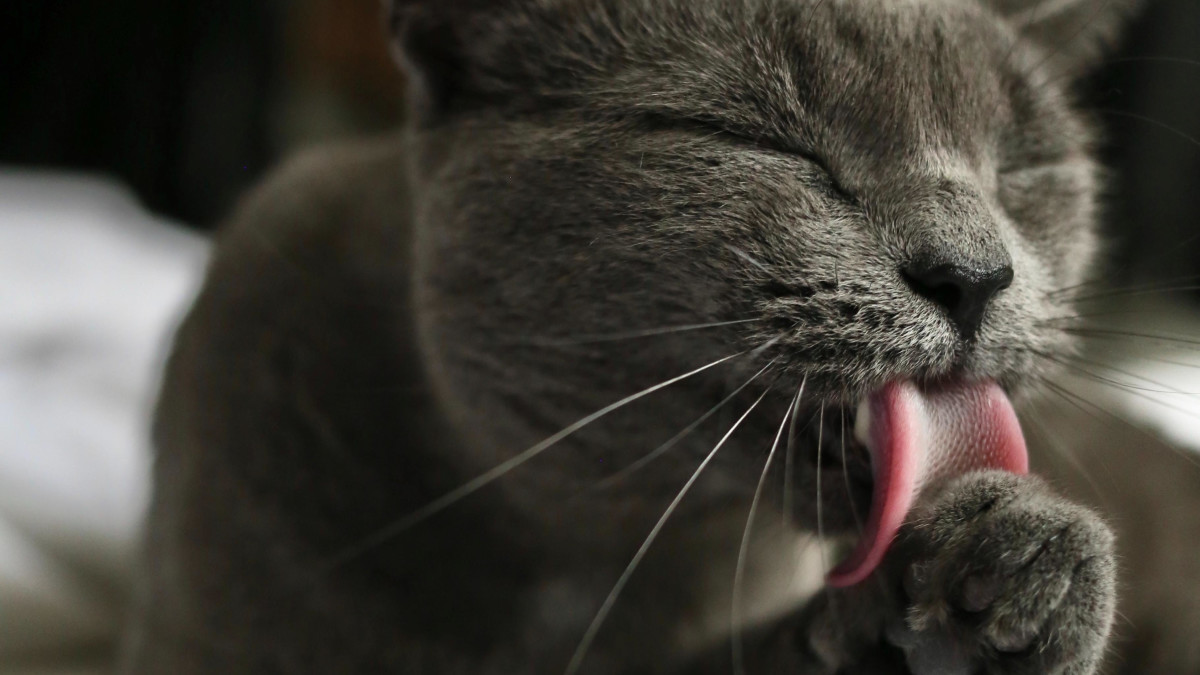
Cats have a strong natural instinct to groom themselves. This behavior starts when they are kittens. Grooming keeps their fur clean and free from dirt. It also helps control body temperature by spreading natural oils. Cats use their tongues, which have tiny hooks, to clean and detangle their fur. This instinct also helps calm cats and reduce anxiety.
Common Grooming Behaviors
Cats use several grooming behaviors daily. They lick their fur to remove loose hair and dirt. Scratching helps remove dead skin and keeps claws sharp. Some cats nibble or bite their fur to remove stubborn dirt or parasites. Grooming also includes rubbing their face and body against objects to mark territory with scent glands. Observing these behaviors gives clues about a cat’s health and mood.
Benefits Of Grooming
Grooming is more than just a routine activity for cats; it plays a vital role in their overall well-being. Understanding the benefits of grooming can help you appreciate why your feline friend spends so much time licking and cleaning themselves. Here’s a closer look at the key advantages grooming provides for cats.
Health And Hygiene
Grooming helps cats keep their fur clean and free from dirt, parasites, and dead skin. When your cat licks its coat, it removes loose hair and prevents matting, which can cause discomfort and skin problems. Have you noticed how your cat’s coat looks shinier and healthier after grooming sessions? That’s a clear sign grooming supports their skin and fur health.
Temperature Regulation
Cats use grooming to manage their body temperature effectively. The saliva spread over their fur during grooming cools them down as it evaporates, similar to sweating in humans. Especially in warmer weather, this natural cooling system helps keep your cat comfortable without needing to pant or seek shade constantly.
Stress Relief
Grooming acts as a calming ritual for cats, helping them reduce anxiety and stress. You might notice your cat licking itself more when it feels nervous or after a hectic day. This self-soothing behavior is your cat’s way of regaining control and comfort, which is crucial for their emotional balance.
Grooming Techniques Cats Use
Cats have unique grooming techniques that keep their fur clean and healthy. These methods also help them relax and bond with other cats. Understanding these techniques reveals a lot about cat behavior and care.
Licking And Saliva Use
Cats use their tongues to clean their fur. Their tongues have tiny, hook-like structures that catch dirt and loose hair. Saliva spreads over their coat to keep it smooth and helps remove grease. This licking also cools them down and stimulates blood flow.
Scratching And Biting
Scratching helps cats remove dead skin and loose fur. They often scratch with their teeth to reach difficult spots. This biting also helps untangle mats and clean areas that tongues can’t reach. It can be gentle or more intense depending on the cat’s needs.
Use Of Paws
Cats use their paws as grooming tools too. They lick their paws and then rub them over their face and head. This action cleans areas that the tongue cannot reach easily. The paws help spread saliva and remove dirt from delicate spots.
Signs Of Overgrooming
Noticing your cat grooming more than usual can be worrying. Overgrooming is a clear sign that something might be off with your feline friend. It’s important to spot these signs early to ensure your cat stays healthy and comfortable.
Causes Of Excessive Grooming
Excessive grooming often points to underlying issues. Stress or anxiety can make cats lick themselves more than normal. Changes in their environment, like a new pet or moving house, might trigger this behavior.
Physical problems like allergies or skin infections also cause overgrooming. Parasites such as fleas irritate the skin, leading your cat to scratch and lick excessively. Sometimes, boredom or lack of stimulation makes grooming a way to pass time.
Physical Symptoms
Overgrooming usually results in noticeable physical changes. You might see bald patches, redness, or irritated skin. These areas can become raw and painful if your cat continues licking them.
Watch for scabs, swelling, or unusual odors coming from the skin. Your cat might also seem restless or uncomfortable when touching certain spots. These symptoms are signals that your cat needs attention.
When To Seek Help
If your cat’s grooming causes hair loss or skin damage, it’s time to consult a vet. Persistent overgrooming can worsen without treatment, leading to infections. Your vet can identify the root cause and suggest the right treatment.
Don’t wait until the problem escalates. Early action can save your cat from discomfort and serious health issues. Have you noticed any unusual grooming habits in your cat lately? Paying close attention could make all the difference.
Human Role In Cat Grooming
Grooming is an essential part of a cat’s life, and as a cat owner, you play a vital role in maintaining your feline friend’s hygiene and health. While cats are natural groomers, they can benefit from a little help to keep their coat in top condition. Your involvement in their grooming routine can strengthen the bond between you and your cat while ensuring they remain happy and healthy.
Brushing Tips
Regular brushing reduces shedding and prevents hairballs. Choose a brush that suits your cat’s coat type—long-haired breeds may need a slicker brush, while short-haired cats could benefit from a rubber brush. Make brushing a positive experience by rewarding your cat with treats and gentle praise.
Consistency is key. Aim for a few minutes each day to make the process enjoyable for both you and your cat. Pay attention to your cat’s body language and stop if they seem uncomfortable.
Bathing Guidelines
Cats generally do not require frequent baths, but occasional bathing might be necessary. Use a cat-specific shampoo that is gentle on their skin. Ensure the water is lukewarm and the environment is calm to minimize stress.
Secure your cat during the bath by holding them gently but firmly. Rinse thoroughly to remove all shampoo residue, and dry them with a soft towel. Offer a treat afterwards to reward their patience.
Dealing With Mats And Tangles
Mats and tangles can be uncomfortable for your cat, especially in long-haired breeds. Use a detangling spray to make the process smoother. Start at the tips and work towards the skin to avoid pulling on their fur.
If you encounter a stubborn mat, consider using a mat splitter or seek professional help to prevent hurting your cat. Regular maintenance can prevent mats from forming, ensuring your cat’s coat stays smooth and healthy.
Are you ready to enhance your cat’s grooming routine? Taking the time to understand your cat’s grooming needs can make a world of difference in their overall well-being.
Grooming And Cat Behavior
Grooming plays a key role in a cat’s behavior and daily life. It is more than just cleaning. Cats use grooming to communicate and bond with others. Understanding this helps us see their social and emotional world better.
Social Grooming Among Cats
Social grooming happens when cats lick or clean each other. This behavior builds trust and strengthens friendships. Cats often groom family members or close friends. It helps them feel safe and connected.
Social grooming also reduces tension. It can stop fights and calm stressed cats. Cats may groom to show respect or to ask for help. This simple act is a powerful way they express feelings.
Grooming And Emotional Health
Grooming affects a cat’s mood and health. Regular grooming can reduce anxiety and stress. Cats feel relaxed and calm after grooming themselves or others.
Sometimes, cats groom too much. This can be a sign of stress or illness. Watching grooming habits helps spot problems early. Healthy grooming habits are a good sign of emotional balance.
Grooming Differences In Cat Breeds
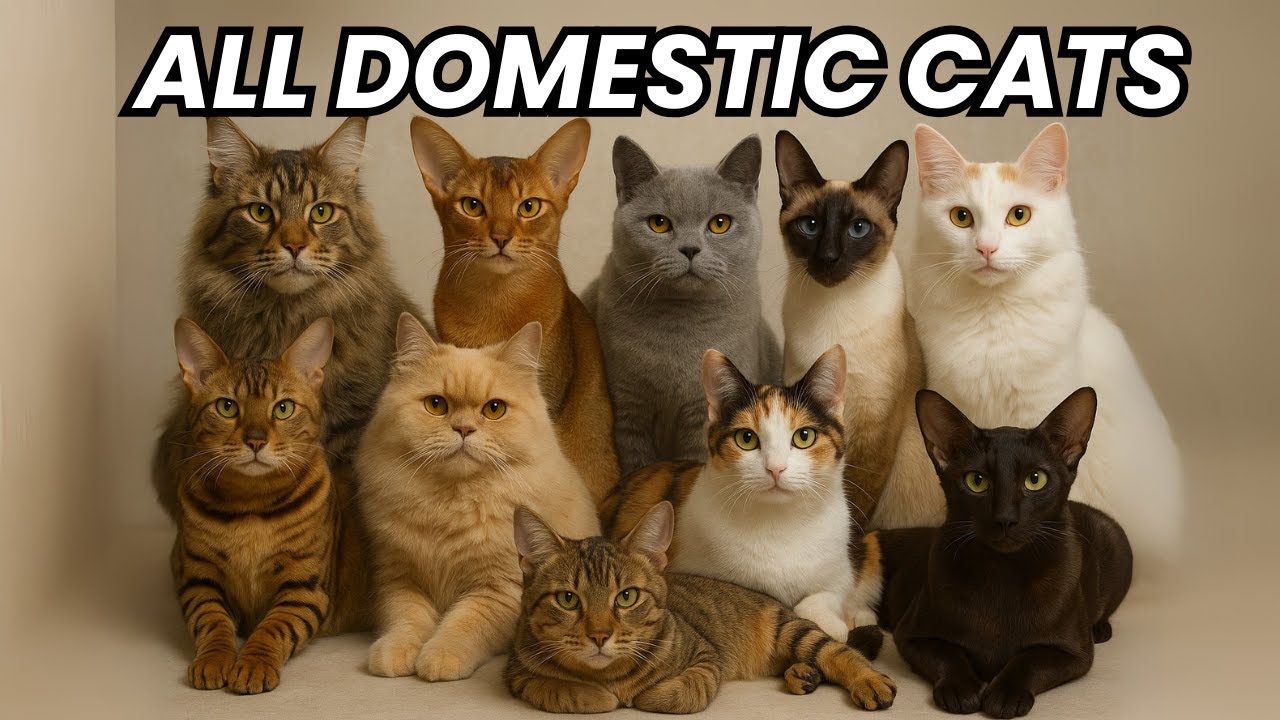
Grooming habits in cats vary widely depending on their breed. Each breed’s coat type demands different care and attention from you. Understanding these differences helps you support your cat’s health and comfort better.
Short-haired Cats
Short-haired cats generally groom themselves efficiently. Their sleek coats don’t trap much dirt or debris, so they need less brushing. However, occasional grooming helps reduce shedding and prevents hairballs.
If you notice your short-haired cat grooming excessively, it might indicate skin irritation or allergies. You can assist by providing a gentle brushing session once or twice a week. This also strengthens the bond between you and your cat.
Long-haired Cats
Long-haired cats require more frequent grooming to prevent matting and tangles. Their thick fur can easily trap dirt and moisture, leading to skin problems. Daily brushing is often necessary to keep their coat healthy.
Neglecting grooming in long-haired breeds may cause painful mats and discomfort. You might need to trim stubborn knots or seek professional grooming. Have you ever tried brushing a fluffy Maine Coon or Persian? It’s a great way to check for hidden skin issues.
Hairless Breeds
Hairless cats like the Sphynx have unique grooming needs. Without fur, they don’t shed, but their skin produces oils that require regular cleaning. Weekly baths help prevent oily buildup and keep their skin healthy.
Since hairless cats lack fur protection, they can get cold easily and may need extra warmth. Pay attention to their skin condition—watch for dryness or irritation. How often do you think about your cat’s skin care beyond just brushing?
Frequently Asked Questions
What Does Grooming Mean In Cats?
Grooming in cats means cleaning and maintaining their fur using their tongue. It helps remove dirt, loose hair, and parasites. Grooming also regulates body temperature and promotes healthy skin. It is a natural behavior essential for a cat’s hygiene and well-being.
Why Do Cats Groom Themselves So Often?
Cats groom frequently to keep their coat clean and free of debris. Grooming also helps reduce stress and calm the cat. It spreads natural oils that keep fur shiny and healthy. Regular grooming supports overall skin health and prevents matting.
How Does Grooming Benefit A Cat’s Health?
Grooming removes dirt, dead fur, and parasites, reducing skin infections. It stimulates blood circulation and distributes natural oils evenly. Grooming helps regulate body temperature and reduces stress. Overall, it supports both physical and emotional well-being in cats.
Can Grooming Indicate A Cat’s Emotional State?
Yes, grooming can show a cat’s mood. Excessive grooming may signal stress or anxiety. Lack of grooming might indicate illness or discomfort. Normal grooming usually reflects a relaxed and healthy cat. Observing grooming habits helps understand a cat’s emotional health.
Conclusion
Grooming helps cats stay clean and healthy every day. It also keeps their fur soft and free from dirt. Cats groom to calm themselves and feel safe. Watching your cat groom shows you they are happy. Pay attention if grooming stops or changes suddenly.
It can mean your cat feels sick or stressed. Understanding grooming helps you care better for your cat. It builds a strong bond between you and your pet. Keep your cat comfortable and clean through regular grooming. Simple acts make a big difference in your cat’s life.

Leave a Reply