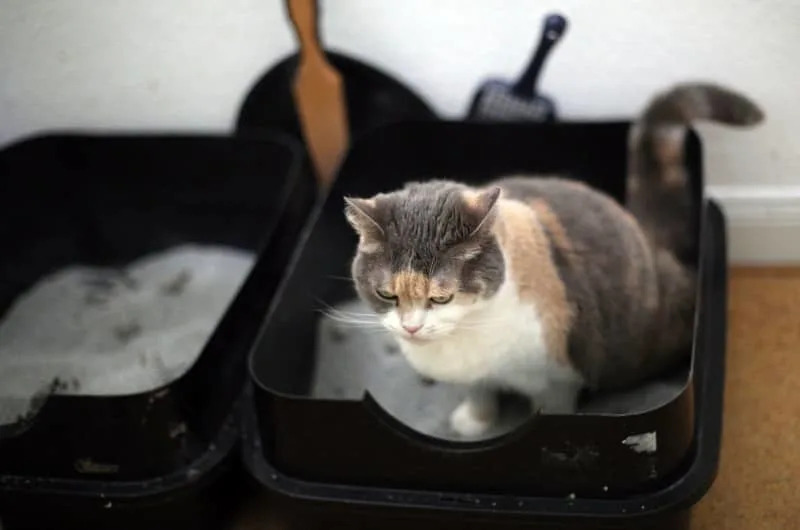
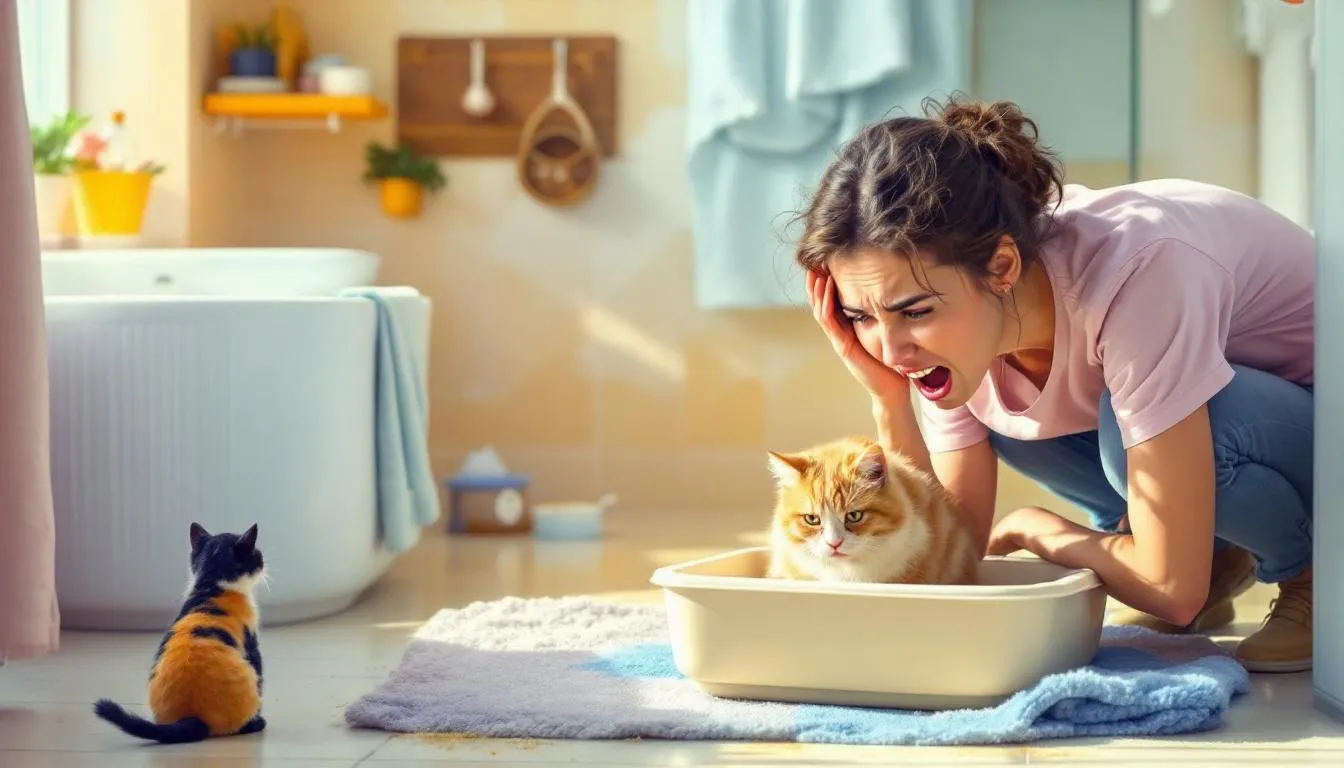
Is your cat not using the litter box like you expected? It can be frustrating and messy when your furry friend isn’t potty trained.
You might feel confused or worried about what to do next. The good news is, you’re not alone—and there are simple steps you can take right now to fix this problem. You’ll discover easy tips to help your cat learn where to go, making life cleaner and happier for both of you.
Keep reading, and you’ll find solutions that really work.
Credit: www.chewy.com
Signs Of Potty Training Issues
Noticing signs that your cat isn’t potty trained can be frustrating and confusing. Recognizing these signs early helps you address the issue before it becomes a habit. Let’s look at the key indicators that suggest your cat might be struggling with potty training.
Common Behavioral Indicators
Your cat may start avoiding the litter box altogether. You might find accidents outside the box, like on carpets or furniture, which is a clear sign of trouble. Sometimes, cats dig excessively or cover their waste poorly, signaling discomfort or confusion about where to go.
Watch for sudden changes in bathroom habits. Does your cat spend a long time sniffing around the litter box but not use it? This hesitation could mean they associate the box with something negative. Also, a cat that urinates in corners or doorways might be marking territory due to stress or insecurity.
Health-related Causes
Physical problems can often cause potty training issues. Urinary tract infections, bladder stones, or constipation can make using the litter box painful. When a cat feels pain, it might avoid the litter box or have accidents elsewhere.
If your cat suddenly starts missing the litter box, a vet checkup is essential. You could be dealing with a health issue rather than a training problem. Addressing medical causes quickly can prevent long-term behavioral problems.
Choosing The Right Litter Box
Choosing the right litter box plays a key role in training your cat to use the potty. Cats are sensitive to their environment. A litter box that fits their needs can make a big difference. The box must be comfortable and easy to access. This encourages your cat to use it consistently. Consider the size, type, and litter material carefully. These factors help your cat feel secure and clean.
Size And Type Considerations
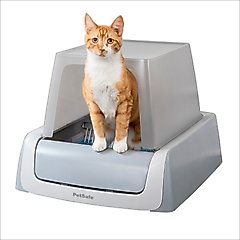
Select a litter box that suits your cat’s size and age. Smaller boxes may be too cramped for adult cats. Large cats need more space to move freely inside the box. Cats prefer boxes with low sides if they are kittens or elderly. High-sided boxes help contain litter for messy cats. Covered boxes offer privacy but can trap odors. Open boxes allow better air flow and easy access.
- Choose a box large enough for your cat to turn around.
- Consider entry height for easy access, especially for kittens or seniors.
- Decide between covered or open boxes based on your cat’s preference.
Litter Material Options
The type of litter affects your cat’s comfort and habits. Cats prefer soft, fine-grained litter that feels gentle on their paws. Unscented litter is better since strong smells can deter cats. Clumping litter makes cleaning easier and keeps the box fresh. Non-clumping litter may be better for cats with respiratory issues. Natural litters like corn or wood offer eco-friendly choices. Experiment with different materials to find the best fit.
- Try unscented clumping litter for easy cleaning.
- Use soft, fine grains to protect sensitive paws.
- Consider natural litters if you want an eco-friendly option.
Creating A Suitable Environment
A quiet, clean space helps your cat feel safe using the litter box. Place it away from food and noise to encourage good habits. Consistency in location supports better potty training results.
Creating a suitable environment for your cat’s potty training is crucial. Cats are particular about their surroundings, and setting up the right conditions can make a world of difference. It’s more than just having a litter box; it’s about where you place it, how you maintain it, and understanding your cat’s needs.Placement Of The Litter Box
Choosing the right spot for the litter box is key. Cats like privacy, but they also don’t want to feel trapped. Place the litter box in a quiet area, away from noisy appliances or busy foot traffic. Consider accessibility. If the box is too hard to reach, your cat might avoid it. Think about a spot they can easily get to from their favorite hangouts. Experiment with different locations if you notice accidents happening. Sometimes, a simple change of scenery can solve the problem.Maintaining Cleanliness
Cats are clean creatures and a dirty litter box can be a major turn-off. Scoop the litter box daily to keep it fresh and inviting. A clean box encourages your cat to use it regularly. Replace the litter entirely once a week. This helps to eliminate lingering odors that may deter your cat. Would you want to use a bathroom that’s rarely cleaned? Use mild, unscented cleaning products. Strong smells can overwhelm your cat’s sensitive nose and discourage them from using the box. Keeping things fresh and neutral is always a safe bet.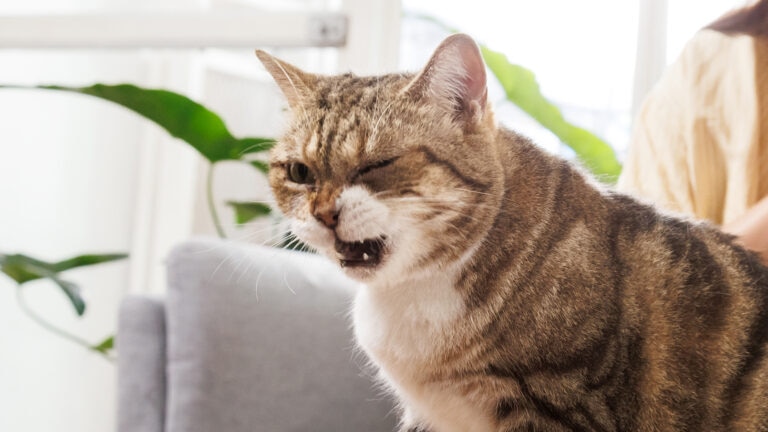
Credit: www.chewy.com
Training Techniques For Cats
Training a cat to use the litter box takes patience and the right approach. Cats respond well to gentle guidance and clear signals. Understanding effective training techniques helps create good habits. These techniques focus on encouraging positive behavior and setting a consistent environment.
Positive Reinforcement
Reward your cat when it uses the litter box correctly. Use treats or gentle petting to show approval. Avoid punishment; it can cause fear and confusion. Praise helps your cat associate the litter box with good things. Small rewards after each success build lasting habits.
Establishing A Routine
Keep the litter box in the same quiet place. Cats like consistency and feel safe with a steady routine. Clean the box daily to encourage use. Feed your cat at regular times to predict bathroom needs. A simple schedule helps your cat learn when and where to go.
Addressing Medical Issues
Addressing medical issues is crucial when your cat isn’t potty trained. Sometimes, health problems cause accidents outside the litter box. Identifying and treating these issues helps your cat feel better and learn proper habits.
When To Consult A Veterinarian
Visit a veterinarian if your cat suddenly stops using the litter box. Watch for signs like frequent urination, blood in urine, or straining. These symptoms may indicate pain or illness.
Also seek help if your cat shows changes in behavior or appetite. Early diagnosis can prevent serious health problems. A vet can provide tests and treatments to fix underlying issues.
Common Urinary Problems
- Urinary Tract Infection (UTI):Causes pain and frequent urination. Cats may avoid the litter box due to discomfort.
- Bladder Stones:Hard minerals in the bladder cause pain and block urine flow. This condition needs veterinary care.
- Feline Lower Urinary Tract Disease (FLUTD):A group of conditions causing inflammation and difficulty urinating. FLUTD is common in cats and requires medical attention.
- Kidney Disease:Can cause increased thirst and urination. This leads to accidents outside the box.
Behavioral Solutions
Behavioral solutions help address the root causes of potty training issues in cats. Cats may avoid the litter box due to stress or discomfort. Changing their environment and habits can improve their behavior. These solutions focus on creating a calm, secure space for your cat. They also encourage positive habits through gentle guidance.
Reducing Stress And Anxiety
Stress can make cats avoid their litter box. Loud noises, new pets, or changes at home can cause anxiety. Create a quiet, safe area for your cat to use the litter box. Keep the litter box clean and in a low-traffic spot. Maintain a consistent routine for feeding and playtime. Calm cats are more likely to use the litter box properly.
Using Pheromone Products
Pheromone products mimic natural cat scents that promote calmness. These products come as sprays, diffusers, or collars. Place a diffuser near the litter box or where your cat spends time. Spray pheromones on bedding or furniture to reduce anxiety. These scents help cats feel safe and relaxed. A calm cat is more willing to learn good litter habits.
Preventing Future Accidents
Preventing future accidents with your cat requires a mix of vigilance and consistent care. It’s not just about cleaning up messes but setting up an environment where your cat feels comfortable using the litter box every time. Let’s look at how you can keep your home fresh and your cat happy by adopting some simple habits and paying close attention to their behavior.
Regular Cleaning Habits
Keeping the litter box clean is a top priority. Cats are very particular about hygiene and may avoid a dirty box, leading to accidents elsewhere.
- Clean the litter box daily by scooping out waste.
- Change the litter completely at least once a week.
- Wash the litter box with mild soap and warm water to remove odors.
Have you noticed that a fresh-smelling box encourages your cat to use it more? Many cat owners find that consistent cleaning reduces accidents significantly. Also, consider having multiple litter boxes if you have more than one cat or a large home.
Monitoring Changes In Behavior
Your cat’s habits and mood can tell you a lot about their bathroom routines. Sudden changes might hint at health issues or stress, which can cause accidents.
- Watch for signs like frequent meowing, hiding, or restlessness.
- Note if your cat starts avoiding the litter box or seems hesitant to use it.
- Keep track of any changes in eating or drinking habits.
If you see unusual behavior, ask yourself: Could something at home be stressing your cat? Sometimes, a new pet, change in schedule, or even a move can upset their routine. Addressing these factors early can prevent accidents before they start.

Credit: www.purina.com
Frequently Asked Questions
How Can I Potty Train My Cat Quickly?
Start by placing the litter box in a quiet spot. Show your cat the box after meals. Clean it regularly to encourage use. Reward your cat with treats when it uses the box correctly. Patience and consistency are key to quick training.
Why Is My Cat Not Using The Litter Box?
Your cat might dislike the litter type or box location. Stress or health issues can also cause avoidance. Ensure the litter box is clean and accessible. Consult a vet if problems persist to rule out medical conditions.
What Litter Type Is Best For Untrained Cats?
Unscented, clumping clay litter is usually the best choice. It controls odor well and is easy to clean. Avoid strong fragrances as cats may dislike them. Experiment to find what your cat prefers for successful training.
How Many Litter Boxes Should I Provide?
Provide one litter box per cat, plus one extra. This prevents territorial disputes and encourages use. Place boxes in different quiet areas of your home. Multiple boxes increase comfort and improve potty training success.
Conclusion
Teaching a cat to use the litter box takes time and patience. Stay calm and keep trying small steps each day. Clean the litter box often to encourage good habits. Watch your cat’s behavior and adjust the routine if needed.
Remember, every cat learns at its own pace. Consistency helps build trust and success. Soon, your cat will use the potty like a pro. Keep loving your cat through the process. Patience and care make all the difference.

Leave a Reply