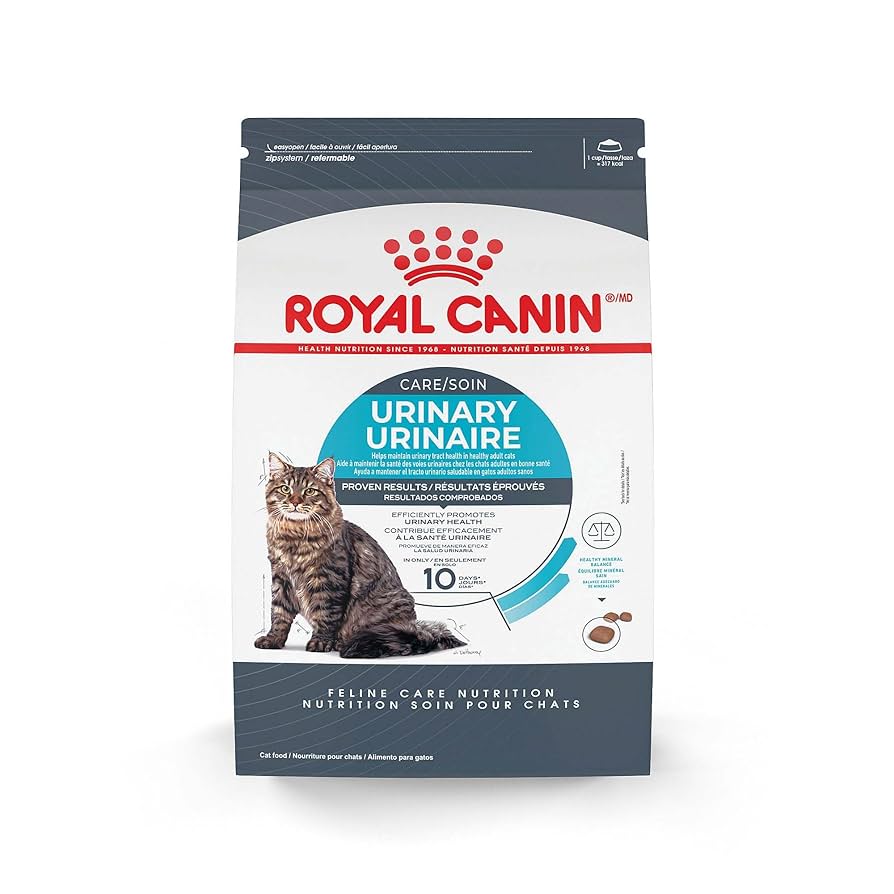
If you want your cat to stay healthy and happy, paying attention to their urinary health is key. Choosing the right cat food can make a big difference in preventing painful urinary problems.
But with so many options out there, how do you know which one is best for your furry friend? This guide will help you understand what to look for in cat food to protect your cat’s urinary system and keep them feeling their best every day.
Keep reading to discover simple tips and expert advice that can make a real difference for your pet’s well-being.

Credit: www.amazon.com
Importance Of Urinary Health In Cats
Urinary health plays a key role in a cat’s overall well-being. Cats with strong urinary systems avoid painful infections and blockages. These problems can become serious quickly. Maintaining good urinary health helps cats live longer and feel better every day.
Diet greatly affects urinary health. Choosing the right cat food supports a healthy urinary tract. It helps keep urine balanced and reduces risks of crystals and stones. This care prevents discomfort and costly vet visits.
Common Urinary Issues
Cats face several urinary problems. The most common include:
- Urinary tract infections (UTIs)
- Bladder stones or crystals
- Feline lower urinary tract disease (FLUTD)
- Urethral blockage, especially in male cats
These conditions cause pain and difficulty urinating. Some can block urine flow, which is life-threatening. Early detection and proper diet can reduce these risks.
Signs Of Urinary Problems
Watch for changes in your cat’s bathroom habits. Signs include:
- Frequent trips to the litter box
- Straining or crying while urinating
- Blood in the urine
- Urinating outside the litter box
- Excessive licking of the genital area
- Sudden changes in drinking habits
- Lethargy or hiding behavior
Noticing these signs early can save your cat’s life. Consult a vet promptly for any concerns.
Key Nutrients For Urinary Health
Understanding the key nutrients for urinary health is essential when choosing the right cat food. These nutrients help maintain your cat’s bladder function and reduce the risk of urinary tract issues. Paying attention to these factors can make a real difference in your cat’s comfort and well-being.
Role Of Moisture Content
Moisture plays a crucial role in urinary health. Cats naturally have a low thirst drive, so foods with high moisture content, like wet or canned food, help increase water intake. This extra hydration dilutes urine, reducing the chance of crystals and stones forming in the bladder.
If your cat prefers dry food, you might consider adding water or broth to their meals. Have you noticed if your cat drinks enough water daily? Increasing moisture in their diet could be the easiest way to support urinary health.
Impact Of Ph Balance
Urine pH significantly affects the formation of urinary crystals. A slightly acidic urine pH, typically between 6.0 and 6.5, helps prevent the growth of struvite crystals, which are common in cats. Cat foods designed for urinary health often aim to maintain this ideal pH range.
Check if your cat’s food mentions urine pH control or acidifiers. You might want to ask your vet to test your cat’s urine pH regularly to catch any imbalances early. Could your cat’s current diet be affecting their urinary pH?
Essential Minerals To Monitor
Minerals like magnesium, phosphorus, and calcium can contribute to urinary crystal formation if present in high amounts. Balanced cat food will carefully control these minerals to avoid excesses that stress the urinary tract.
Look for products labeled “low magnesium” or “urinary support” to ensure your cat isn’t consuming harmful levels. Besides minerals, some foods include supplements like omega-3 fatty acids to reduce inflammation in the urinary tract.
- Magnesium:Too much can lead to struvite crystals.
- Phosphorus:Excess can worsen bladder irritation.
- Calcium:Needs to be balanced to prevent calcium oxalate stones.
Have you checked the mineral content on your cat’s food label lately? Small changes here can have a big impact on urinary health.
Wet Vs Dry Food For Urinary Care
Choosing between wet and dry cat food can significantly impact your cat’s urinary health. Both types have their unique advantages and drawbacks, especially in managing hydration and urinary tract balance. Understanding these differences helps you make informed decisions tailored to your cat’s needs.
Benefits Of Wet Food
Wet food contains a high moisture content, often around 75-80%. This extra water helps keep your cat hydrated, which is crucial for preventing urinary tract issues like crystals or stones.
Many cats naturally drink less water, so wet food can supplement their fluid intake without relying on you to encourage more water drinking. It also tends to be more palatable, which can be helpful if your cat is picky or recovering from illness.
Wet food often has fewer carbohydrates and more protein, which supports a healthy urinary pH and reduces the risk of urinary problems. Have you noticed your cat eating less dry food when they have urinary issues? Switching to wet food might be a simple step to ease their discomfort.
Considerations For Dry Food
Dry food is convenient, easy to store, and usually more affordable. However, it contains less moisture, which means your cat must drink more water to stay hydrated.
If your cat doesn’t drink enough water, dry food can increase the risk of concentrated urine, leading to urinary tract problems. You might want to monitor your cat’s water intake closely if you feed dry food regularly.
Some dry foods are specially formulated with urinary health in mind, containing controlled minerals to reduce crystal formation. Still, without adequate water intake, even these diets can fall short.
Could you combine both wet and dry food to balance hydration and convenience? Many cat owners find this mix works well for urinary health while fitting their lifestyle.
Top Cat Foods Recommended By Experts
Choosing the right food for your cat’s urinary health is crucial, and experts often recommend specific types of diets that support this delicate balance. The options range from prescription diets to high-quality commercial foods and natural, holistic choices. Understanding what each category offers can help you make a confident decision for your cat’s well-being.
Prescription Diets
Veterinarians frequently suggest prescription diets for cats with urinary issues. These foods are specially formulated to control minerals like magnesium and phosphorus, which can contribute to urinary crystals and stones.
Brands such as Hill’s Prescription Diet c/d Multicare and Royal Canin Urinary SO are commonly recommended. These diets help maintain a healthy urine pH and reduce the risk of crystal formation.
If your cat has a history of urinary problems, consulting your vet about prescription diets is a smart move. Have you noticed any changes in your cat’s litter box habits? It might be time to consider these tailored options.
High-quality Commercial Brands
Not all urinary health foods require a prescription. Many commercial brands offer formulas designed to support urinary tract health with balanced nutrients.
Look for foods that emphasize controlled mineral content and promote increased water intake. Brands like Blue Buffalo Natural Veterinary Diet and Nutro Ultra provide options that help maintain urinary tract health without needing a vet’s prescription.
Feeding your cat a diet rich in moisture, such as wet food, can also encourage better urinary health. Do you know if your cat drinks enough water daily? This can be a simple but powerful factor in preventing urinary issues.
Natural And Holistic Options
Some cat owners prefer natural or holistic foods that use high-quality ingredients without artificial additives. These foods often focus on overall health, including urinary tract support.
Look for products with ingredients like cranberries, which are known to support urinary health, and added antioxidants to reduce inflammation. Brands such as Wellness CORE and Natural Balance offer formulas that emphasize natural nutrition.
While these options can be beneficial, always monitor your cat’s response and consult your vet if urinary problems persist. How much do you trust the ingredient list of your cat’s current food?
Homemade Diets And Supplements
Selecting the best cat food for urinary health involves considering homemade diets and supplements. Opt for foods low in magnesium and high in moisture to support urinary tract health. Adding natural supplements like cranberries can also promote a healthy urinary system in cats.
Creating homemade diets and using supplements can support your cat’s urinary health. Cats with urinary issues benefit from specific nutrients and ingredients. Homemade diets allow control over ingredients, ensuring they are safe and beneficial. Supplements can also play a crucial role in maintaining urinary function. Let’s explore the ingredients and supplements that can help.Safe Ingredients For Urinary Health
When crafting a homemade diet, choose ingredients that promote urinary health. Lean proteins like chicken and turkey are excellent choices. Fish can also be beneficial due to omega-3 fatty acids. These can help reduce inflammation in the urinary tract. Avoid high-phosphorus foods, which can stress the kidneys. Whole grains like brown rice or oats provide necessary fiber. They can help in digestion and nutrient absorption. Include vegetables such as pumpkin or carrots for added vitamins. Always ensure the water content is high in your cat’s diet. It helps in flushing out toxins and keeping the urinary tract healthy.Supplements To Support Urinary Function
Supplements can offer additional support to a cat’s urinary system. Cranberry extract is known to prevent bacteria from adhering to the bladder walls. This can reduce the risk of infections. Omega-3 supplements from fish oil may reduce inflammation. Consider adding probiotics to the diet. They promote a healthy gut, which indirectly supports urinary health. Always consult your vet before starting any supplements. They can provide guidance on proper dosages and suitability for your cat.Tips For Transitioning To A New Diet
Switching your cat to a new diet that supports urinary health can be a delicate process. Cats are creatures of habit, and sudden changes in their food can lead to digestive upset or refusal to eat. Taking a careful, patient approach helps your cat adjust comfortably and keeps their health on track.
Gradual Food Changes
Start by mixing a small amount of the new urinary health food with your cat’s current diet. Over the next 7 to 10 days, slowly increase the proportion of the new food while decreasing the old one. This gentle transition gives your cat’s digestive system time to adapt without stress.
If your cat is particularly picky, try warming the new food slightly or adding a bit of low-sodium broth to make it more appealing. Have you noticed your cat’s preferences change during transitions? Observing their eating habits closely can guide how quickly you adjust the mix.
Monitoring Your Cat’s Response
Watch your cat closely for any signs of digestive upset such as vomiting, diarrhea, or constipation. Changes in energy levels or litter box habits can also signal how well they are handling the new diet. Keep a simple diary to track these observations—it can reveal patterns you might otherwise miss.
Pay attention to your cat’s hydration too. Cats with urinary issues benefit greatly from increased water intake, so note if your new food encourages them to drink more. If you see any worrying symptoms or if your cat refuses to eat the new food after a couple of weeks, consult your vet promptly.
Preventive Measures For Long-term Urinary Health
Keeping your cat’s urinary system healthy takes more than just picking the right food. Preventive measures play a crucial role in avoiding painful and potentially serious urinary problems down the line. Small daily habits and regular care can make a huge difference in your cat’s comfort and well-being.
Hydration Strategies
Water is your cat’s best friend for urinary health. Cats naturally drink less water, which can lead to concentrated urine and increase the risk of urinary crystals or stones.
Try adding wet food to your cat’s diet to boost their water intake. You can also place multiple water bowls around the house to encourage frequent sipping. Some cats prefer running water, so a pet water fountain might spark their interest.
Ever noticed your cat ignoring their water bowl? Experiment with different bowl materials or locations. Keeping water fresh and clean is key—change it daily to keep your cat coming back for more.
Regular Vet Checkups
Regular vet visits catch urinary issues before they become serious. Your vet can perform simple urine tests to spot early signs of infection or crystals.
Don’t wait for symptoms like frequent urination or blood in the urine to schedule a checkup. Early detection helps prevent painful blockages and costly treatments.
Ask your vet about your cat’s specific risks based on breed, age, and lifestyle. Tailored advice can help you manage your cat’s urinary health more effectively.
Credit: www.purina.com

Credit: www.amazon.com
Frequently Asked Questions
What Ingredients Support Cat Urinary Health?
Ingredients like cranberries, omega-3 fatty acids, and antioxidants support urinary health. They reduce inflammation and prevent urinary tract infections. High moisture content in wet food also helps dilute urine and flush the bladder.
Is Wet Or Dry Cat Food Better For Urinary Health?
Wet cat food is generally better for urinary health. It provides extra hydration, which helps dilute urine and reduce crystal formation. Dry food lacks moisture and may increase the risk of urinary issues if water intake is low.
Can Special Urinary Cat Food Prevent Urinary Tract Infections?
Yes, special urinary cat foods are formulated to prevent infections. They control mineral levels and maintain optimal urine pH. This reduces crystal and stone formation, lowering the risk of urinary tract infections in cats.
How Does Urinary Cat Food Affect Urine Ph Levels?
Urinary cat food helps maintain a balanced urine pH between 6. 0 and 6. 5. This range prevents crystal formation like struvite and calcium oxalate stones. Proper pH balance is crucial for overall urinary tract health.
Conclusion
Choosing the right cat food supports your pet’s urinary health. Foods with proper moisture and balanced minerals help prevent issues. Wet food often keeps cats hydrated better than dry food. Avoid foods high in magnesium and phosphorus to reduce risks.
Always check ingredient labels carefully before buying. Regular vet visits catch problems early and keep cats healthy. A good diet and care make a big difference. Your cat deserves the best to stay happy and strong. Simple steps lead to a healthier life for your furry friend.




Leave a Reply