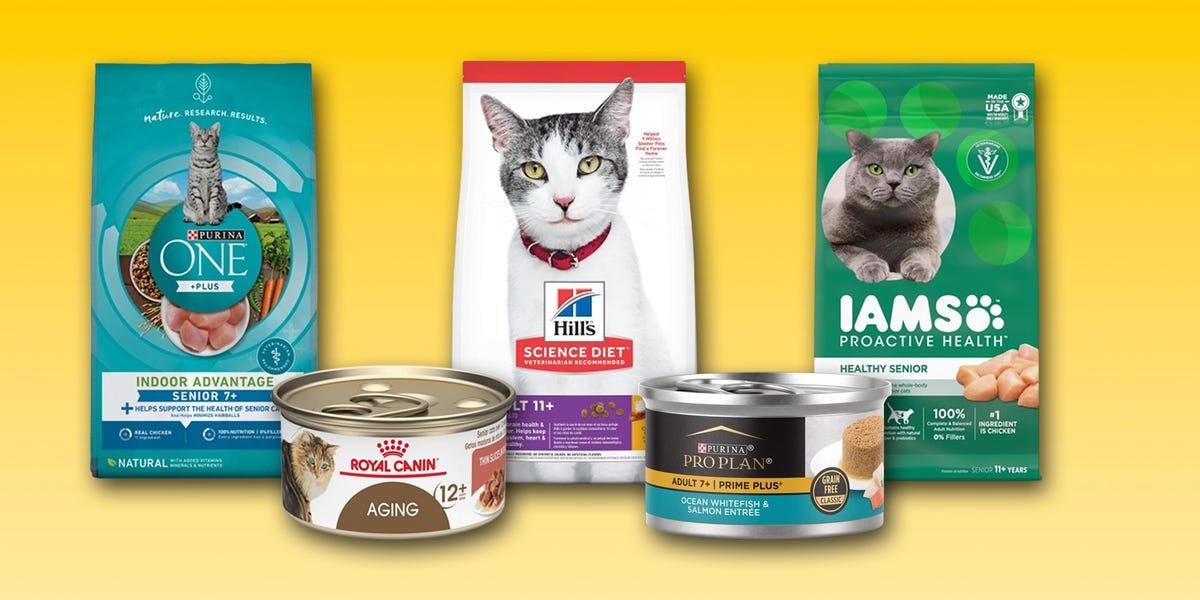
Choosing the right food for your cat is one of the most important decisions you’ll make for their health. You want to give your furry friend the best chance at a long, happy life.
But with so many options out there, it’s easy to feel overwhelmed. What ingredients truly support their well-being? How can you avoid hidden dangers that might harm them over time? You’ll discover clear, simple answers to help you pick the perfect cat food that keeps your pet healthy for years to come.
Keep reading—your cat’s future depends on it.
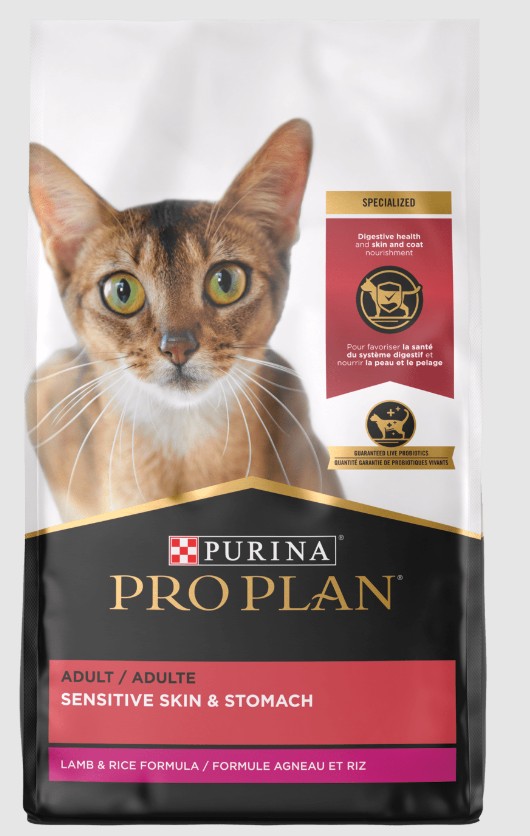
Credit: kohapet.com
Key Nutrients For Cat Health
Understanding the key nutrients your cat needs is crucial for their long-term health. Cats rely on a balanced diet to maintain energy, support organ function, and keep their immune system strong. Knowing what to look for in cat food helps you make smarter choices for your furry friend’s well-being.
Essential Proteins And Fats
Cats are obligate carnivores, which means they need animal-based proteins to thrive. These proteins supply vital amino acids like taurine, which supports heart and eye health. Without enough protein, your cat may lose muscle mass and feel weak.
Fats provide energy and help absorb fat-soluble vitamins. Look for cat food with healthy sources of omega-3 and omega-6 fatty acids—they promote shiny coats and reduce inflammation. Ever noticed your cat’s coat dulling? It might be a sign their fat intake isn’t right.
Vitamins And Minerals
Vitamins such as A, D, and E support vision, bone health, and immune function. Minerals like calcium and phosphorus keep bones strong and teeth healthy. Deficiencies or imbalances can lead to serious health problems over time.
Check the ingredient list for natural sources of these nutrients. For instance, liver is rich in vitamin A, while fish provides vitamin D and essential minerals. Have you ever wondered why some cats are picky about their food? Sometimes, their bodies are craving specific nutrients.
Importance Of Hydration
Water is just as important as food for your cat’s health. Cats often don’t drink enough water on their own, which can lead to urinary tract issues and kidney problems. Wet cat food can help increase their water intake naturally.
Encourage your cat to drink by providing fresh water daily and considering a pet fountain. How often do you check if your cat’s water bowl is clean and full? Small changes like this can make a big difference in their hydration habits.
Types Of Cat Food
Cats need the right food to stay healthy over many years. Different types of cat food provide varied nutrients. Choosing the best type depends on your cat’s needs and lifestyle. Knowing each type’s benefits and drawbacks helps you decide wisely.
Dry Food Benefits And Drawbacks
Dry cat food is easy to store and usually less expensive. It helps keep cats’ teeth clean by reducing tartar build-up. Dry food has a long shelf life after opening. Many cats enjoy its crunchy texture.
Dry food may have lower moisture content. Cats need enough water, so dry food alone might not keep them hydrated. Some dry foods contain fillers and artificial ingredients. Always check labels for quality proteins and minimal additives.
Wet Food Advantages
Wet food contains higher moisture, supporting cats’ hydration. It often has a stronger aroma and taste, appealing to picky eaters. Wet food usually has fewer carbohydrates than dry food. It can help with weight control and urinary tract health.
Wet food can be more expensive and requires refrigeration after opening. It has a shorter shelf life compared to dry food. Feeding wet food means cleaning bowls more often to avoid bacterial growth.
Raw And Homemade Diets
Raw and homemade diets offer fresh ingredients with no preservatives. They allow control over what your cat eats. Some cats may benefit from the natural proteins and fats in raw diets.
Raw feeding requires careful preparation to avoid bacteria and nutrient imbalances. Homemade diets need guidance from a vet or nutritionist. It takes time and effort to prepare balanced meals daily.
Choosing Food By Cat’s Life Stage
Choosing the right food depends on your cat’s age and health needs. Cats require different nutrients at various life stages. Feeding the right diet supports growth, energy, and overall well-being. This section explains what to offer kittens, adult cats, and senior cats.
Kittens’ Nutritional Needs
Kittens grow fast and need extra nutrients. Their food must be rich in protein and fat. These elements help build strong muscles and support brain development. Kittens also need more calories than adult cats.
Look for kitten formulas that include:
- High-quality animal protein
- Essential vitamins and minerals
- Fatty acids for healthy skin and coat
- Calcium and phosphorus for bone growth
Soft or wet food helps with their developing teeth. Feeding small, frequent meals suits their small stomachs.
Adult Cats’ Balanced Diet
Adult cats need a balanced diet to maintain weight and health. Their food should contain moderate protein and fat. It must supply all essential nutrients without extra calories.
Choose cat food that offers:
- Lean protein for muscle maintenance
- Controlled fat levels to avoid obesity
- Vitamins, minerals, and antioxidants
- Fiber for good digestion
Many adult cat foods support healthy teeth and promote hydration. Feeding once or twice daily fits most adult cats’ needs.
Senior Cat Considerations
Older cats need special care in their diet. Their metabolism slows down, and they may lose muscle mass. Senior cat food should support joints, kidneys, and immune health.
Look for these features in senior cat food:
- Lower calories to prevent weight gain
- High-quality protein to maintain muscles
- Ingredients that support kidney function
- Added vitamins and antioxidants
Soft, easy-to-chew food helps cats with dental issues. Regular feeding schedules keep their energy stable.

Credit: cats.com
Special Dietary Needs
Cats with special dietary needs require food tailored to support their long-term health. Choosing balanced nutrition helps manage allergies, sensitivities, or medical conditions effectively. Quality ingredients and proper nutrients keep cats healthy and active over time.
Cats, much like humans, have individual dietary needs that can change over time. Whether you’re dealing with a fluffy feline who needs to shed a few pounds or one with sensitive digestion, understanding your cat’s special dietary requirements is crucial. Tailoring their diet not only ensures their health but also enhances their quality of life.Weight Management
Is your cat starting to resemble a furry little bowling ball? Obesity can lead to serious health issues for cats, including diabetes and joint problems. To help manage your cat’s weight, consider foods that are specifically formulated for weight control. Look for options high in protein but low in calories. Many brands offer light or reduced-calorie versions of their regular food. A friend of mine found success by switching her cat to a high-protein, low-carb diet, which helped her cat lose weight gradually while maintaining muscle mass. What adjustments can you make to help your furry friend reach a healthier weight?Food Sensitivities And Allergies
Does your cat often scratch or have digestive issues? It might be time to explore whether they’re dealing with food sensitivities or allergies. Cats can be allergic to ingredients like chicken, beef, or even grains. Consider trying hypoallergenic or limited ingredient diets that focus on a single protein source. Grain-free options are also available if grains are the culprit. Monitor your cat closely after making dietary changes. You might be surprised to find that a simple switch can alleviate their discomfort and keep them purring contentedly.Health Conditions And Diet
Specific health conditions can also dictate your cat’s dietary needs. Cats with kidney disease, for example, benefit from diets low in phosphorus and with moderate protein levels. If your cat has diabetes, diets high in protein and low in carbohydrates can help regulate blood sugar levels. Consulting with your veterinarian is always the best course of action. They can recommend therapeutic diets tailored to your cat’s unique health needs. What steps will you take to ensure your cat’s diet supports their health condition effectively? Each cat is unique, and what works for one might not work for another. So, it’s important to pay attention to how your cat responds to dietary changes. Taking the time to understand their specific needs can lead to a happier, healthier life for your feline companion.Reading Cat Food Labels
Reading cat food labels helps choose the best option for your cat’s health. Labels contain important details about nutrients and ingredients. Understanding these details supports long-term well-being. Labels can be confusing without clear knowledge. Focus on key parts to make smart choices.
Decoding Ingredients
Ingredients are listed by weight from highest to lowest. The first few ingredients matter most. Look for real meat like chicken, turkey, or fish. Avoid vague terms like “meat by-products” or “animal digest.” Whole protein sources provide essential amino acids. Grains like rice or corn serve as fillers. Cats need more protein than carbohydrates. Ingredients should support a balanced diet for cats.
Recognizing Quality Indicators
Check for named protein sources, such as “chicken meal” or “salmon.” Meals mean concentrated protein, better than plain meat. Look for added vitamins and minerals to boost nutrition. Taurine is vital for heart and eye health. AAFCO approval means the food meets nutritional standards. Natural preservatives like vitamin E are safer choices. Avoid vague claims like “premium” without proof.
Avoiding Harmful Additives
Avoid foods with artificial colors or flavors. These add no nutritional value and may cause allergies. Steer clear of chemical preservatives like BHA, BHT, or ethoxyquin. High amounts of salt and sugar harm cat health. Some fillers may cause digestive issues or obesity. Watch for ingredients that cause your cat discomfort or allergies. Clean labels with simple ingredients are usually safer.
Tips From Veterinarians
Veterinarians offer valuable advice on choosing the best cat food for long-term health. Their tips help ensure your cat stays healthy and happy. Following expert advice can prevent health problems and support your cat’s wellbeing.
Regular Health Checkups
Schedule routine vet visits to monitor your cat’s health. These checkups catch early signs of illness. Vets assess weight, teeth, and coat condition. They also review your cat’s diet and suggest changes. Regular exams keep your cat in top shape.
Gradual Food Transitions
Change your cat’s food slowly to avoid upset stomachs. Mix old and new food over 7 to 10 days. Gradual shifts help cats adjust to new flavors and nutrients. Sudden changes can cause vomiting or diarrhea. Patience ensures a smooth transition and better digestion.
Monitoring Cat’s Response
Watch how your cat reacts to new food daily. Look for signs like energy level, appetite, and stool quality. Note any vomiting, diarrhea, or itching. Keep a journal to track changes and share with your vet. Monitoring helps find the best diet for your cat’s needs.
Common Feeding Mistakes
Feeding cats properly is key to their long-term health. Many owners make simple mistakes that affect their pets’ well-being. These errors can lead to weight issues, digestive problems, and poor hydration. Avoiding common feeding mistakes helps maintain your cat’s health and happiness.
Overfeeding And Obesity
Giving too much food causes weight gain and health risks. Obesity in cats can lead to diabetes, joint problems, and heart issues. Measure portions carefully and follow feeding guidelines on the cat food package. Avoid free-feeding, which lets cats eat all day. Controlled meals keep your cat fit and energetic.
Inconsistent Feeding Schedules
Irregular feeding times confuse cats and disrupt digestion. Cats thrive on routine and expect meals at certain hours. Feeding at random times can cause anxiety and overeating. Set fixed feeding times twice a day. This habit improves digestion and helps regulate appetite.
Ignoring Water Intake
Water is vital for your cat’s health. Many cats do not drink enough water, leading to dehydration and urinary problems. Provide fresh water every day. Use a water fountain or multiple bowls to encourage drinking. Wet cat food also boosts hydration, supporting kidney and bladder health.
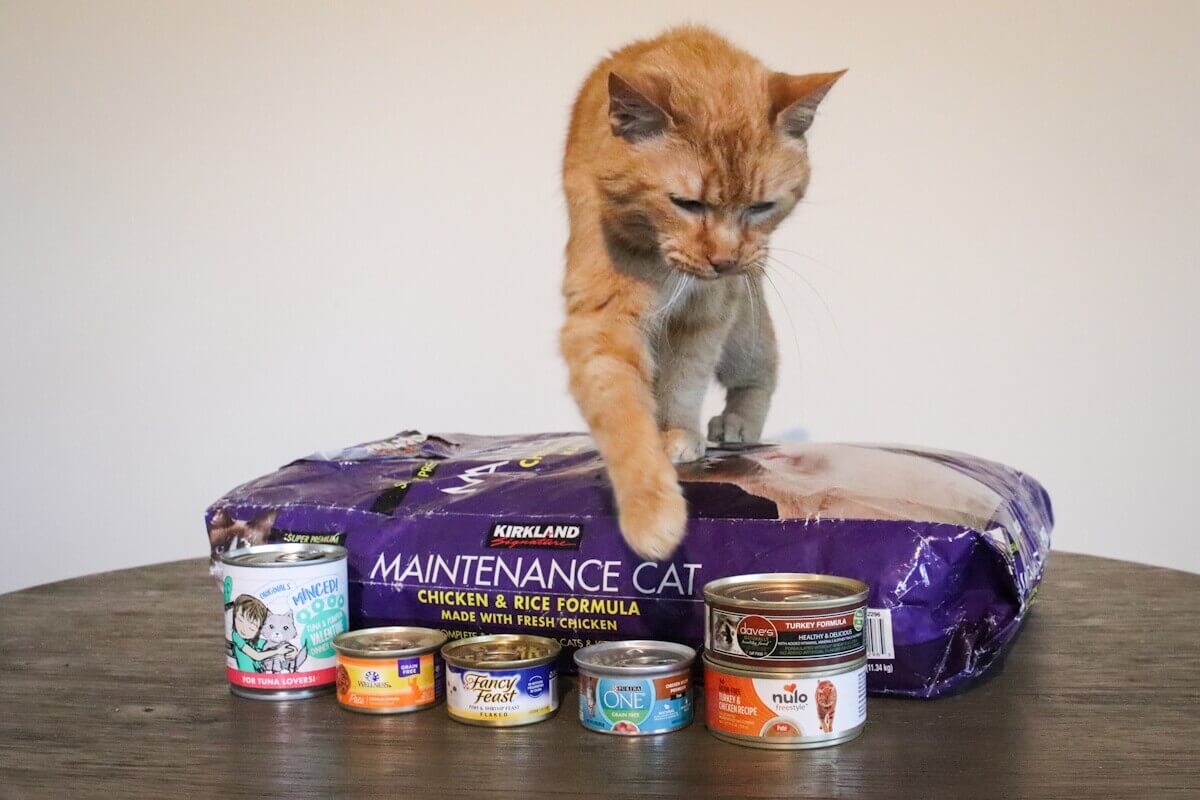
Credit: cats.com
Supplementing Cat Diets
Choosing cat food rich in protein and low in fillers supports long-term health. Balanced supplements can fill nutrition gaps for active, aging, or picky cats. Always prioritize quality ingredients to keep your cat strong and healthy over time.
Supplementing a cat’s diet can be a beneficial way to ensure they receive all the necessary nutrients for long-term health. While a balanced cat food is the foundation, supplements can fill nutritional gaps, especially in older cats or those with specific health issues. Understanding when and how to supplement can be crucial to your cat’s overall well-being.When Supplements Help
Supplements can be particularly useful if your cat has specific dietary needs or health conditions. For example, older cats might benefit from joint supplements to aid mobility. If your cat has a dull coat, omega-3 fatty acids can help improve its shine. If your feline friend is a picky eater, supplements can ensure they still receive vital nutrients. However, it’s essential to identify when your cat needs additional support. Are they less active or showing signs of nutritional deficiencies?Safe Supplement Options
Choosing safe supplements is crucial to avoid adverse effects on your cat’s health. Look for supplements specifically designed for cats, as human supplements can be harmful. Common safe options include fish oil for healthy skin and joints, and taurine, an essential amino acid for heart health. It’s helpful to check the labels for any artificial additives or fillers. Always opt for high-quality brands with good reviews. A personal experience with my own cat taught me the importance of reading labels—one wrong supplement led to an upset stomach.Consulting Professionals
Before adding any supplements to your cat’s diet, consulting a veterinarian can prevent potential health risks. A vet can recommend appropriate supplements based on your cat’s age, weight, and health status. They can also help you understand the correct dosages to avoid over-supplementation. Have you ever considered how even natural supplements can interact with existing medications? A professional can provide insight into such interactions. Regular check-ups can ensure your cat’s diet remains balanced and beneficial.Frequently Asked Questions
What Ingredients Make Cat Food Healthy Long Term?
High-quality protein, essential fatty acids, and balanced vitamins are key. Avoid fillers like corn and artificial additives for better health.
How Often Should I Feed My Cat For Long-term Health?
Feed adult cats twice daily with measured portions. Maintain consistent meal times to support digestion and prevent obesity.
Is Wet Or Dry Cat Food Better For Health?
Wet food hydrates and supports urinary health. Dry food helps dental hygiene. A balanced mix often benefits overall health.
Can Homemade Cat Food Ensure Long-term Health?
Homemade meals can be healthy if balanced correctly. Consult a vet to ensure all nutrients are included safely.
Conclusion
Choosing the right cat food supports their health for many years. Balanced nutrients keep cats active and happy daily. Fresh, quality ingredients help avoid illnesses and boost energy. Always check labels for essential vitamins and minerals. Consult your vet for personalized diet advice.
Healthy eating habits lead to a longer, joyful life. Small changes in food bring big health benefits. Your cat deserves the best nutrition you can give. Care about their diet today for a stronger tomorrow.




Leave a Reply