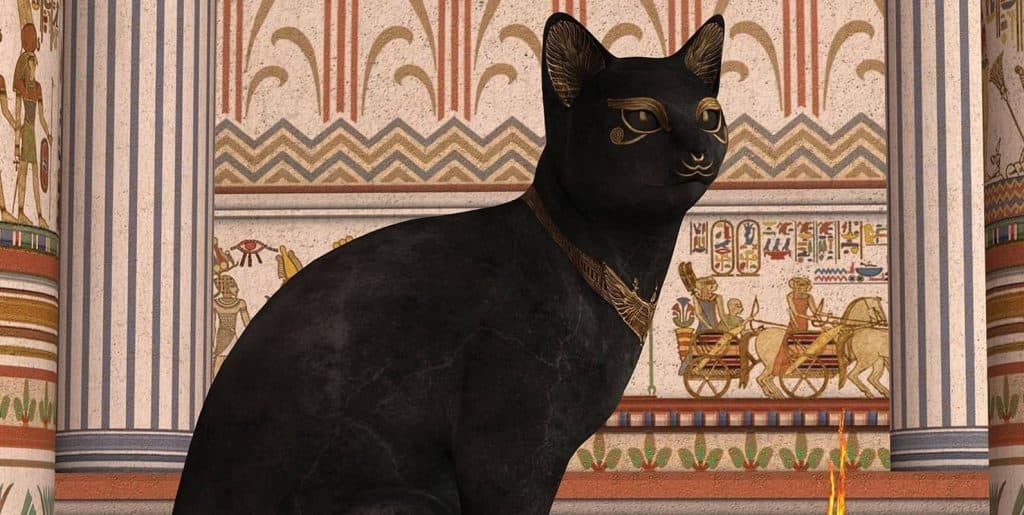
Have you ever wondered which cat breeds roamed the streets of Ancient Egypt? Cats were more than just pets back then—they were sacred companions, symbols of mystery, and protectors of homes.
Knowing the breeds that lived alongside the pharaohs can give you a fascinating glimpse into history and the special bond between humans and cats. If you love cats or history, this story will capture your curiosity and might even change how you see your feline friend today.
Let’s uncover the secrets of the cats that ruled Ancient Egypt with grace and charm.
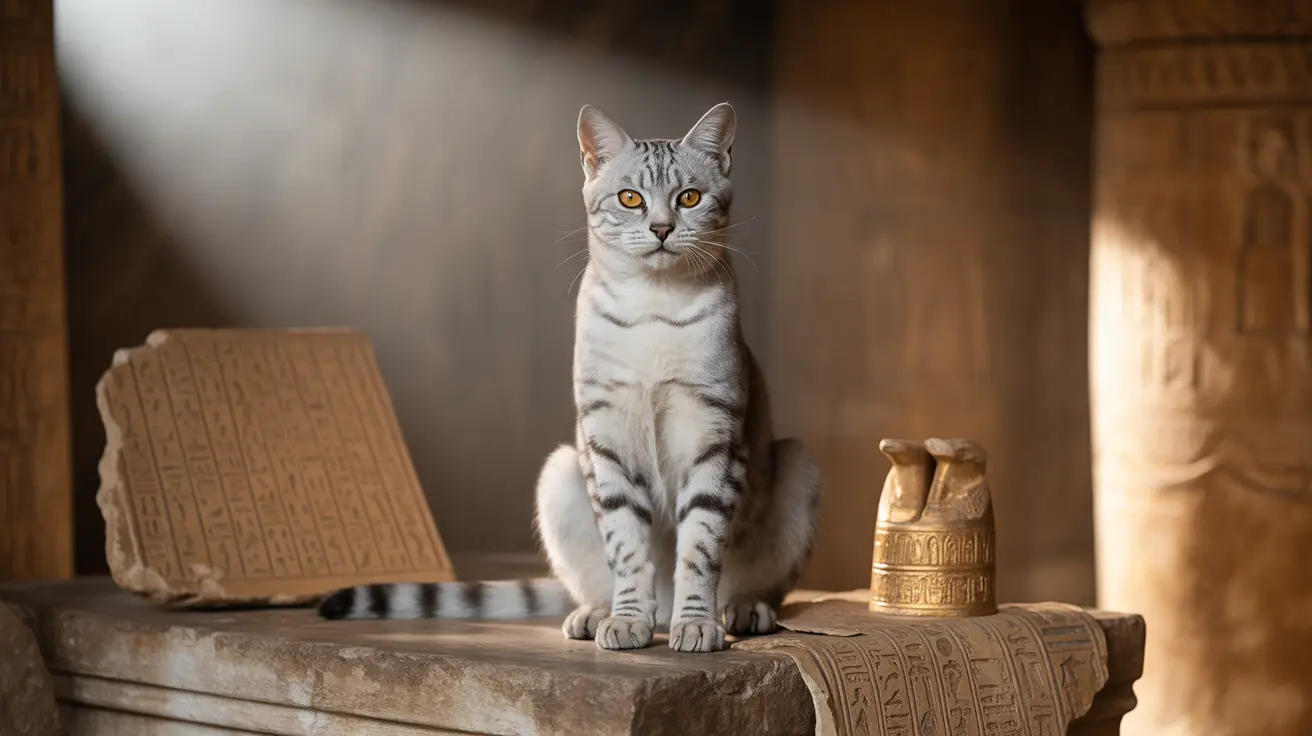
Credit: www.petscare.com
Cats In Ancient Egypt
Cats held a special place in Ancient Egypt. These animals were more than pets. They were symbols of grace, protection, and power. The Egyptian cat breeds were admired for their beauty and skills. Their presence shaped daily life and beliefs.
Cultural Significance
Cats were seen as protectors against evil spirits. Families kept them to guard homes from snakes and pests. Their agility and hunting skills made them valuable. Cats appeared in art, jewelry, and pottery. They were often shown with royal figures. This showed their high status in culture.
Role In Society
Many Egyptians treated cats with great respect. They were part of households and temples. Cats helped control rodents, protecting food supplies. Some people trained cats for hunting. Laws even protected cats from harm. Killing a cat could bring severe punishment. Cats could also be gifts to pharaohs or priests.
Religious Connections
Cats were linked to the goddess Bastet. Bastet was the goddess of home, fertility, and protection. She was often shown as a lioness or a woman with a cat head. Temples were built in her honor. People offered cats as sacred animals. Cat mummies were found in tombs, showing their spiritual role. Egyptians believed cats brought good luck and blessings.
Popular Ancient Egyptian Cat Breeds
Ancient Egypt is famous for its deep connection with cats, but which breeds were actually present during that time? Identifying popular cat breeds from Ancient Egypt can give you a better understanding of how these feline friends influenced the culture and daily life. Let’s look at some breeds closely linked to the era, each with unique traits that made them special to Egyptians.
Egyptian Mau
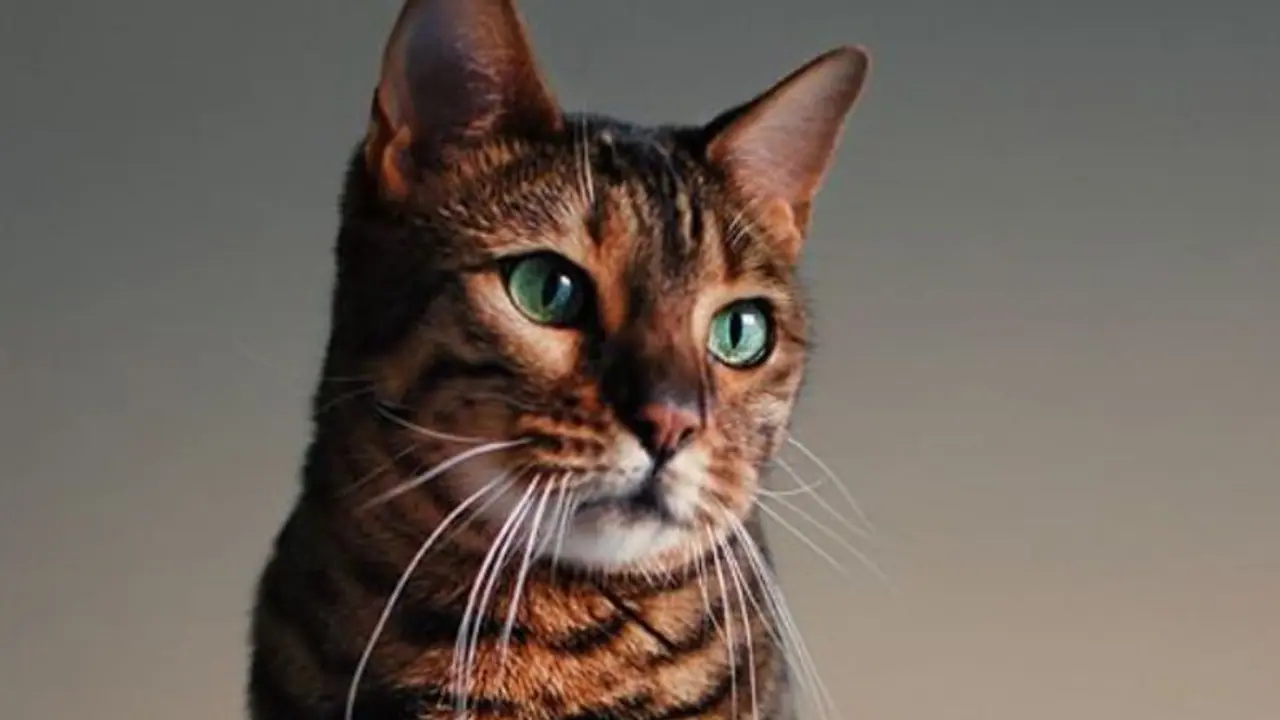
The Egyptian Mau is one of the few naturally spotted breeds, and its history traces back to Ancient Egypt. Known for its striking coat and graceful movements, this breed was likely admired for its hunting skills and beauty.
Owning a Mau today connects you to a lineage that valued agility and loyalty. Have you noticed how their expressive eyes almost tell stories from the past?
Sphinx Cat
The Sphinx cat’s hairless appearance makes it stand out. While the modern Sphinx is a more recent creation, hairless cats resembling it were depicted in ancient Egyptian art.
These cats symbolize mystery and elegance, qualities the Egyptians found fascinating. How might the lack of fur have impacted their role in ancient homes?
Oriental Shorthair
The Oriental Shorthair shares a common ancestry with the Siamese and has features reminiscent of cats shown in Egyptian artifacts. Their sleek bodies and large ears echo the regal cats Egyptians often portrayed.
This breed’s social and vocal nature may have made them beloved companions in bustling households. Could their personality traits be part of why they were cherished back then?
Characteristics Of Royal Felines
The royal felines of Ancient Egypt were more than just pets; they were symbols of grace, power, and divine protection. Their characteristics set them apart from ordinary cats, reflecting the special status they held in Egyptian society. Understanding these traits helps you see why they were revered and often depicted in art and mythology.
Physical Traits
Ancient Egyptian cats typically had sleek, slender bodies with long legs and necks, giving them an elegant appearance. Their large, almond-shaped eyes stood out, often glowing in low light, which added to their mystique.
Their ears were pointed and alert, constantly tuned to sounds in their environment. Many had short, smooth fur in colors ranging from golden brown to black, which helped them blend into the desert landscapes.
Behavioral Traits
These cats displayed a calm yet vigilant demeanor. They were independent but showed strong bonds with their human companions, often following them around and offering protection from pests and snakes.
You might be surprised to learn they were also highly intelligent and quick learners, which made them excellent hunters and guardians. Their playful side helped maintain a balanced relationship with their owners, blending affection with usefulness.
Adaptations To Environment
Living in the harsh Egyptian climate required special adaptations. Their short fur minimized heat retention, while their lean bodies helped dissipate warmth efficiently.
They had keen night vision, allowing them to hunt effectively during twilight hours when temperatures were cooler. Additionally, their sharp claws and agile reflexes helped them navigate rocky terrains and catch fast-moving prey.
Cats And Egyptian Deities
The connection between cats and Egyptian deities runs deep. Cats were more than just pets in Ancient Egypt; they were sacred beings tied to powerful gods and goddesses. Understanding this relationship helps you appreciate why certain cat breeds were revered and how their traits were woven into the culture and beliefs of the time.
Bastet: The Cat Goddess
Bastet was the most famous feline deity in Ancient Egypt. She was often depicted as a lioness or as a woman with a cat’s head. Bastet symbolized home, fertility, and protection, making cats sacred protectors in Egyptian households.
People believed Bastet could ward off evil spirits. Her image appeared in homes and temples, and cats were often kept to honor her presence. Have you noticed how cats today still seem to guard their homes in a quiet, mysterious way?
Cats In Egyptian Mythology
Cats frequently appeared in Egyptian myths as divine creatures. They were thought to have magical powers and were messengers for the gods. One story tells how a cat saved the sun god Ra by defeating the serpent Apophis, highlighting their role as defenders of order.
This myth shows why cats were protected by law, and harming one could bring severe punishment. The respect for cats wasn’t just superstition; it influenced real social rules and daily life in Ancient Egypt.
Symbolism Of Cats
Cats symbolized more than just protection; they represented grace, mystery, and independence. Their behavior inspired qualities that Egyptians admired and sought to emulate. You might see this reflected in how cats carry themselves with calm confidence and alertness.
People also associated cats with fertility and motherhood, linking them to the cycles of life and nature. This symbolism is why cats were often linked to goddesses who embodied nurturing and creation.
Preservation And Legacy
In Ancient Egypt, cats held a special place in society. They were symbols of protection and grace. Egyptians believed cats had divine qualities. This led to their preservation and lasting legacy. Their influence extends to modern times, showing their cultural importance.
Cat Mummies
Egyptians mummified cats to honor them in death. Cat mummies were offerings to the gods. Archaeologists found thousands in sacred sites. These mummies reveal the deep respect for cats. They provide insights into ancient rituals and beliefs.
Artifacts And Art
Cats appeared frequently in Egyptian art. Paintings and sculptures showed their elegance. Artifacts like jewelry also featured cat motifs. These items reflect cats’ revered status. They served as both decorative and spiritual symbols.
Influence On Modern Breeds
Ancient Egyptian cats influenced today’s breeds. The Egyptian Mau is a direct descendant. Its spotted coat resembles ancient depictions. Other breeds, like the Abyssinian, share genetic ties. This legacy continues in the unique traits of modern cats.

Credit: us.feliway.com
Credit: pethelpful.com
Frequently Asked Questions
What Were The Common Cat Breeds In Ancient Egypt?
Ancient Egyptians favored sleek, slender cats like the Abyssinian. These cats resembled wild species and were admired for their agility and hunting skills. Cats symbolized protection and grace in Egyptian culture.
How Did Cats Influence Ancient Egyptian Society?
Cats were revered as sacred animals. They protected homes from pests and were linked to the goddess Bastet. Killing a cat was often punishable by law, showing their cultural importance.
Were Cats In Ancient Egypt Domesticated Or Wild?
Most cats in Ancient Egypt were semi-domesticated. They lived close to humans and helped control rodents. Egyptians gradually bred them for desirable traits, blending wild and domestic characteristics.
Why Were Cats Considered Sacred In Ancient Egypt?
Cats symbolized fertility, protection, and divine power. The goddess Bastet, depicted as a lioness or domestic cat, embodied these qualities. Cats were honored in rituals and art.
Conclusion
Ancient Egypt held cats in high regard and loved specific breeds. These cats were more than pets; they were symbols of protection and grace. The Egyptian Mau and other native breeds still fascinate us today. Their history connects us to a world long past yet alive in stories.
Understanding these cats helps us appreciate their role in culture and myth. Cats from ancient Egypt remind us of beauty and mystery combined. Their legacy lives on in homes and hearts worldwide.

Leave a Reply