Are you wondering which cat breeds need the most attention? If you want a happy, healthy feline friend, understanding their unique needs is key.
Some cats crave constant companionship, while others require special care to thrive. Knowing which breeds demand more of your time and affection can save you from frustration and help you build a stronger bond. Keep reading to discover which cat breeds need your attention the most—and how you can give them the love they deserve.
Fussy Felines: Traits That Demand Care
Some cat breeds are more particular about their care and attention than others. These fussy felines have distinct traits that require you to be extra observant and responsive. Understanding their unique needs can help you create a happier and healthier environment for your cat.
Behavioral Signs Of Attention Needs
Fussy cats often show clear signs when they need more interaction or care. You might notice increased vocalization, such as persistent meowing or yowling, signaling they want your focus.
Changes in behavior like hiding, excessive grooming, or sudden aggression can also indicate stress or unmet needs. Pay attention if your cat becomes clingy or unusually restless, as these are cries for companionship or stimulation.
Have you ever had your cat suddenly start knocking things off shelves? This is often a playful demand for your attention and mental engagement. Responding with interactive play or gentle petting can soothe their anxiety and strengthen your bond.
Health Concerns In Sensitive Breeds
Certain breeds like Persians, Siamese, and Sphynx are known for their sensitive health profiles. These cats may suffer from respiratory issues, skin problems, or digestive sensitivities that need consistent monitoring.
Regular vet check-ups are crucial, but so is your daily observation. Look out for subtle signs like changes in appetite, grooming habits, or energy levels that might hint at underlying health problems.
For example, Persian cats often need eye cleaning due to tear duct issues, while Sphynx cats require skin moisturizing because they lack fur protection. Knowing these specific needs helps you prevent discomfort and costly treatments.
Credit: blog.feliway.com
Persian Cats: Grooming And Health Challenges
Persian cats are beautiful companions, but they require more attention than many other breeds. Their unique features come with specific grooming and health challenges that you need to manage carefully. Understanding these needs helps you keep your Persian happy and healthy.
Coat Maintenance And Matting Risks
The long, thick coat of Persian cats demands daily brushing to prevent matting. Mats can cause skin irritation and discomfort, so skipping grooming sessions can lead to painful problems. Using a wide-toothed comb and a soft brush helps you reach through the dense fur without hurting your cat.
Bathing your Persian regularly also reduces oil buildup and keeps the coat shiny. If you notice tangles forming, gently work them out with your fingers before brushing. Have you ever felt how satisfying it is to see your cat’s fur smooth and soft after a grooming session? That’s the kind of care your Persian needs every day.
Respiratory And Eye Issues
Persians often face respiratory problems due to their flat faces. This can lead to noisy breathing and difficulty during exercise or hot weather. Keeping an eye on their breathing and avoiding stressful situations helps you catch issues early.
Eye problems are also common because of their large, round eyes and tear ducts. Excessive tearing can cause staining and infections if not cleaned regularly. Using a damp cloth to wipe their eyes gently every day can prevent discomfort and keep your cat looking bright and healthy.
Are you prepared to give your Persian this level of care? These small daily efforts make a big difference in their quality of life.
Sphynx Cats: Skin And Social Needs
Sphynx cats need regular skin care to prevent dryness and infections. These social cats thrive on attention and enjoy being around people. Their unique needs require extra care compared to other breeds.
Sphynx cats, with their distinctive hairless appearance, are a unique breed that requires specialized care and attention. Unlike their furry counterparts, Sphynx cats have specific needs, particularly concerning their skin and social interactions. Understanding these requirements can ensure your Sphynx is not only healthy but also happy.Skin Care And Temperature Sensitivity
The absence of fur means Sphynx cats need regular skin care. Their skin can accumulate oils, leading to dirt buildup. A weekly bath can help keep their skin clean and healthy. Use a gentle, pet-safe shampoo to avoid irritation. Temperature sensitivity is another concern. Without fur, Sphynx cats can easily get cold. You might notice your Sphynx seeking warmth by snuggling under blankets or basking in the sun. Consider investing in cozy sweaters to keep your feline comfortable during colder months.Affection And Interaction Requirements
Sphynx cats are known for their affectionate nature. They thrive on social interaction and enjoy being around people. If you’re often away from home, consider having another pet to keep your Sphynx company. These cats love to play and engage in activities. Interactive toys and regular playtime are crucial to keep them mentally stimulated. Have you tried laser pointers or feather wands with your Sphynx? They can provide hours of entertainment and exercise for your curious cat. Are you ready to meet the unique needs of a Sphynx cat? Embracing their distinct characteristics with the right care and attention can create a rewarding companionship. Your dedication can make all the difference in their well-being.Siamese Cats: Vocal And Emotional Demands
Siamese cats are known for their strong emotional needs and vocal nature. These cats form deep bonds with their owners and often demand constant attention. They use their loud, distinctive meows to communicate feelings and desires. Understanding their behavior helps create a happy environment for them.
Communication And Attention Seeking
Siamese cats talk more than most other breeds. They use a wide range of sounds to express hunger, playfulness, or loneliness. Their vocalizations often sound like human speech, which makes them unique. They seek attention actively and dislike being ignored. Owners should respond to their calls to keep them emotionally satisfied.
These cats also follow their owners around the house. They want to be part of daily activities. Ignoring a Siamese cat can lead to stress or misbehavior. Spending quality time helps reduce their need for constant vocal attention.
Mental Stimulation And Play
Siamese cats have sharp minds that need regular stimulation. Boredom can make them restless or destructive. Interactive toys and puzzle feeders keep their brains busy. Play sessions help them release energy in a positive way.
These cats enjoy games that involve chasing or problem-solving. Regular playtime strengthens the bond between owner and cat. It also prevents behavioral problems caused by lack of mental activity. Providing a variety of toys keeps their interest high.
Maine Coon Cats: Size And Activity Considerations
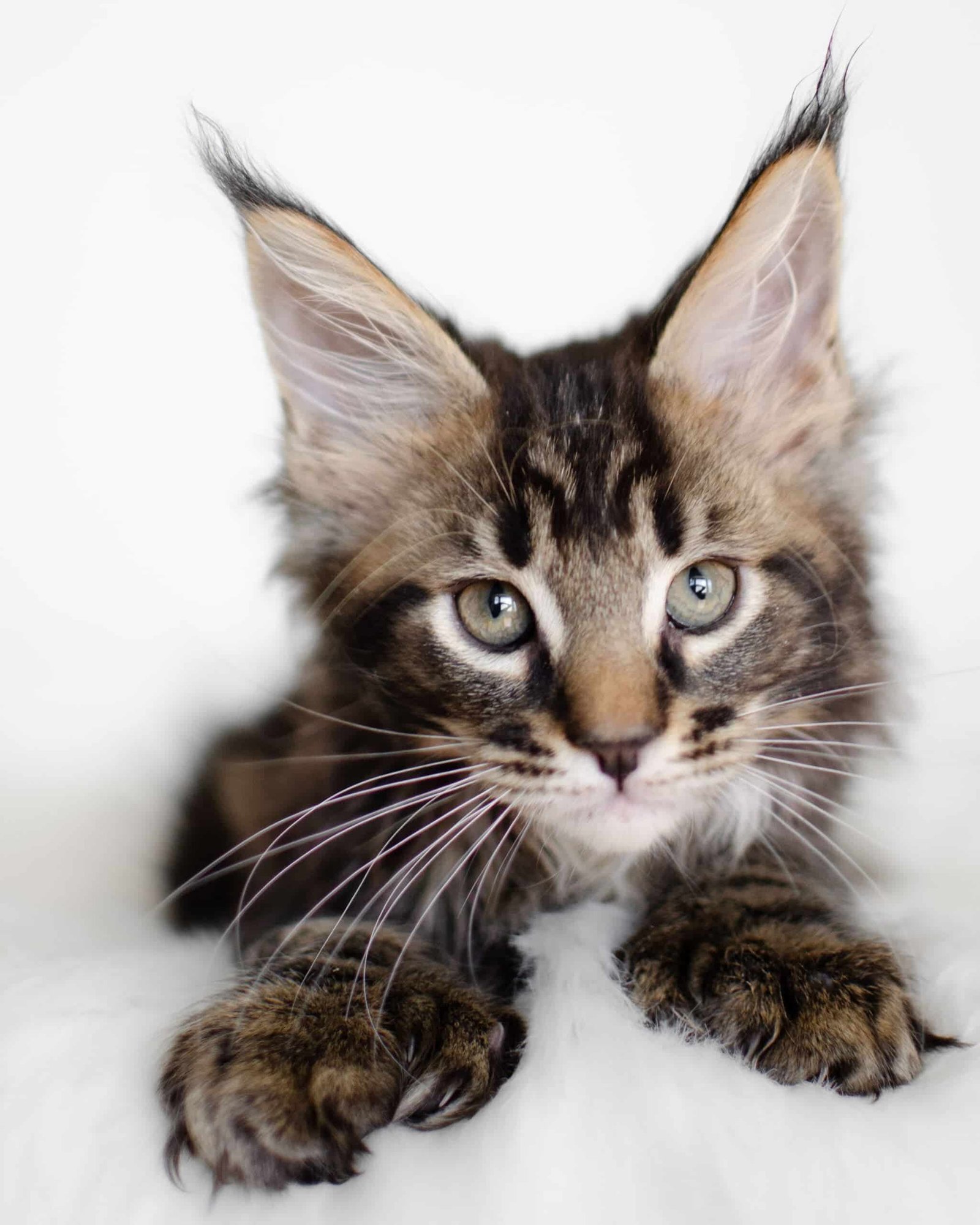
Maine Coon cats are known for their large size and playful nature. Their size requires special care and attention. They need enough space to move freely. Their activity level demands regular exercise to stay healthy and happy.
Exercise And Space Needs
Maine Coons are active cats that enjoy playtime. They benefit from interactive toys and climbing trees. A small apartment might feel too tight for them. They need room to run and explore. Regular play sessions help prevent boredom. Space to stretch and jump supports their strong muscles.
Health Monitoring For Large Breeds
Large cats like Maine Coons have unique health risks. Joint problems and heart disease are common concerns. Regular vet check-ups can catch issues early. Watch for signs like limping or breathing trouble. Maintaining a healthy weight is crucial for their joints. Balanced diets support their overall well-being and energy levels.
Credit: www.webbox.co.uk
Scottish Fold Cats: Joint And Ear Care
Scottish Fold cats have a unique charm with their folded ears, but this special trait also brings specific health concerns. Their joints and ears need careful attention to keep them comfortable and healthy. Understanding the right care routines can make a big difference in your cat’s quality of life.
Managing Osteochondrodysplasia
Osteochondrodysplasia is a genetic condition affecting Scottish Folds, causing abnormal cartilage development. This can lead to painful joint stiffness and mobility issues. Early signs include reluctance to jump, limping, or swelling in the paws and tail.
You can help by:
- Providing soft bedding to reduce joint pressure.
- Encouraging gentle exercise to maintain flexibility.
- Consulting your vet regularly for pain management options.
Have you noticed your Scottish Fold avoiding playtime? That could be a sign to check their joint health sooner.
Ear Cleaning And Infection Prevention
The folded ears of Scottish Folds can trap dirt and moisture, making them prone to infections. Regular ear checks and cleaning are essential to avoid discomfort and complications.
Use these tips for safe ear care:
- Clean ears weekly with a vet-recommended solution.
- Use a soft cotton ball—never a cotton swab—to avoid damage.
- Watch for signs like redness, bad odor, or excessive scratching.
Routine ear care not only prevents infections but also helps you bond with your cat. Have you made ear cleaning a part of your cat’s weekly routine?
Balinese Cats: Coat And Companionship Needs
Balinese cats are known for their elegant appearance and loving nature. They have a long, silky coat that needs regular care. These cats also crave attention and enjoy being close to their humans. Understanding their coat and companionship needs helps keep them happy and healthy.
Silky Coat Maintenance
The Balinese coat is fine and soft. It does not mat easily but benefits from weekly brushing. Brushing removes loose hair and prevents tangles. It also helps reduce shedding around the house. Use a gentle brush to avoid skin irritation. Bathing is rarely needed unless the cat gets dirty.
- Brush at least once a week
- Use a soft-bristle brush or comb
- Check for any skin problems during grooming
- Keep nails trimmed to avoid coat damage
Social Interaction And Anxiety
Balinese cats are very social and enjoy company. They often form strong bonds with their owners. These cats dislike being left alone for long periods. Without attention, they may become anxious or depressed.
- Spend quality time playing and cuddling daily
- Provide interactive toys to keep them busy
- Consider having a second pet for companionship
- Watch for signs of stress like excessive meowing
Tips For Meeting Fussy Feline Needs
Fussy feline breeds need special care to thrive. Meeting their unique needs requires attention and patience. Understanding their health, diet, and mental state helps keep them happy. Focus on a few key areas to support their well-being every day.
Regular Vet Visits
Frequent check-ups catch health issues early. Some breeds face specific risks needing close monitoring. Vaccinations and dental care keep cats strong. Discuss any behavior changes with your vet. Consistent vet visits ensure long, healthy lives.
Tailored Diet And Environment
Each breed has unique dietary needs. Provide food that suits their age and health. Avoid sudden diet changes to prevent upset stomachs. Create a calm space with cozy resting spots. Control temperature and noise for comfort.
Mental And Physical Enrichment
Fussy cats need mental challenges to stay sharp. Use toys that encourage hunting or problem-solving. Rotate toys to keep interest high. Daily playtime helps release energy and reduce stress. Provide scratching posts and climbing areas for exercise.

Credit: www.latimes.com
Frequently Asked Questions
Which Cat Breeds Require The Most Attention?
Breeds like Siamese, Maine Coon, and Sphynx need more attention due to their social and grooming needs. They crave interaction and regular care to stay healthy and happy. Understanding their personality helps owners provide proper companionship and maintain their well-being.
How Often Should Attention Be Given To Needy Cat Breeds?
Needy cat breeds require daily interaction and mental stimulation. Spend at least 30 minutes playing or cuddling to keep them engaged. Consistent attention prevents boredom and behavioral issues, ensuring a strong bond between you and your cat.
Why Do Some Cat Breeds Need More Care?
Certain breeds have higher social, grooming, or health demands. For example, Sphynx cats need skin care, while Maine Coons require grooming. These needs make regular attention essential to prevent health problems and maintain their comfort and happiness.
Can Attention Needs Vary Within The Same Cat Breed?
Yes, individual cats may differ in attention needs despite breed traits. Personality, age, and health affect how much care they require. Observing your cat’s behavior helps tailor the interaction and care to suit their unique needs.
Conclusion
Every cat breed has unique needs and care routines. Some cats require more attention than others. Knowing these needs helps you keep your pet happy and healthy. Spend time understanding your cat’s behavior and health signs. Regular check-ups and love go a long way.
Giving the right care builds a strong bond. Your cat will feel safe, loved, and cared for. Remember, attention means more than just feeding. It means being there, watching, and caring every day. Choose the right breed for your lifestyle and enjoy the journey together.

Leave a Reply