Have you ever wondered why some cats seem to scratch more than others? If your furry friend is constantly itching, it might not just be a random habit.
Certain cat breeds are more prone to itching, which can affect their comfort and your peace of mind. Understanding which breeds itch the most can help you take better care of your cat and keep them happy. Keep reading to discover which cats are more likely to scratch and what you can do to ease their discomfort.
Common Causes Of Cat Itching
Itching is a common problem in cats and can cause discomfort. Understanding the causes helps in managing and preventing it. Cats itch for many reasons, from mild irritations to serious health issues. Identifying the root cause is key to keeping your cat comfortable and healthy.
Allergies And Sensitivities
Allergies often cause cats to scratch frequently. Cats can be allergic to food ingredients, dust, pollen, or chemicals. Their skin reacts by becoming red and itchy. Some cats develop sensitivity to grooming products or flea treatments. Avoiding triggers reduces itching and improves skin health.
Parasites And Fleas
Parasites like fleas are a leading cause of itching. Flea bites cause intense irritation and allergic reactions. Other parasites such as mites and ticks also make cats itch. Parasite infestations need prompt treatment to stop the discomfort. Regular parasite control helps keep itching at bay.
Skin Infections
Bacterial or fungal infections cause itchy skin in cats. These infections often result from wounds or excessive scratching. Infected skin may become scaly, red, and sore. Veterinary care is important to treat infections and relieve itching. Cleaning wounds and medications help speed recovery.
Environmental Factors
Dry air and harsh weather can dry out a cat’s skin. Poor grooming or changes in environment may lead to itching. Cats may react to new bedding, cleaning products, or plants. Maintaining a clean, comfortable space helps reduce skin irritation. Moisturizing shampoos and humidifiers can soothe dry skin.

Credit: drbillspetnutrition.com
Breeds Prone To Itching
Some cat breeds are more likely to experience itching and skin sensitivity. These breeds often have unique skin or coat types that need special care. Knowing which breeds are prone to itching helps owners provide better comfort and health support.
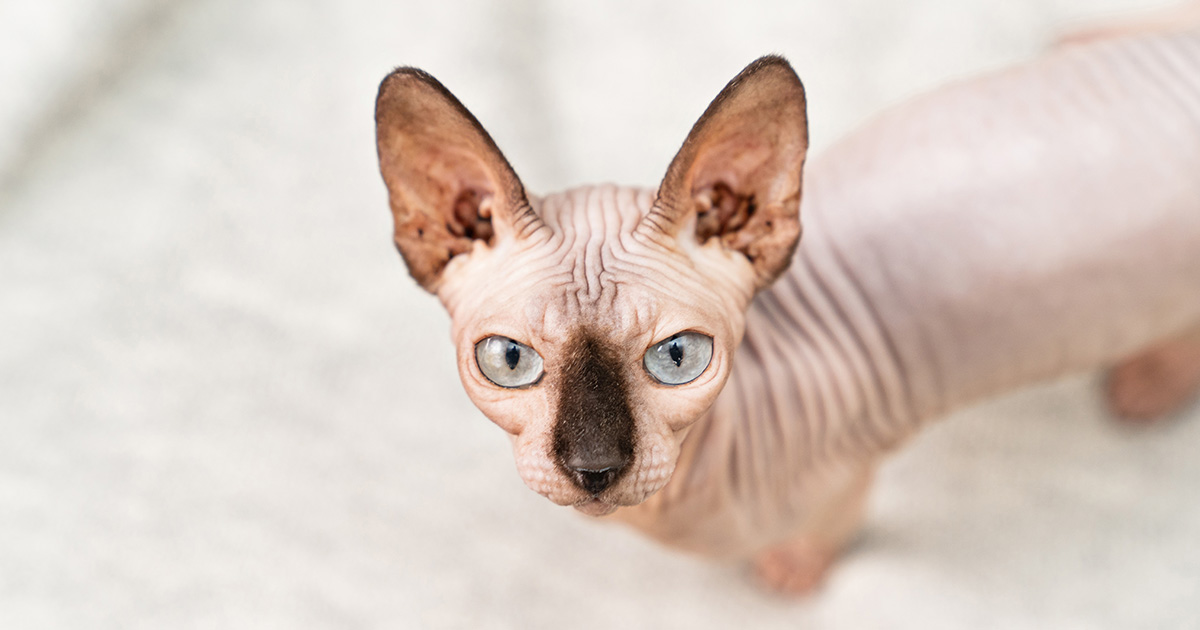
Sphynx
The Sphynx cat has little to no fur, exposing its sensitive skin. This lack of fur makes it more prone to dryness and irritation. Bathing regularly and moisturizing can help reduce itching. Owners should watch for redness or flakiness on the skin.
Devon Rex
The Devon Rex has a soft, curly coat that can trap oils and dirt easily. This breed often has sensitive skin that may become itchy if not cleaned properly. Gentle grooming and regular baths help keep the skin healthy and itch-free.
Oriental Shorthair
Oriental Shorthairs have thin, short coats with delicate skin underneath. They can develop allergies or dry skin that causes itching. Providing a balanced diet and a clean environment supports their skin health and comfort.
Abyssinian
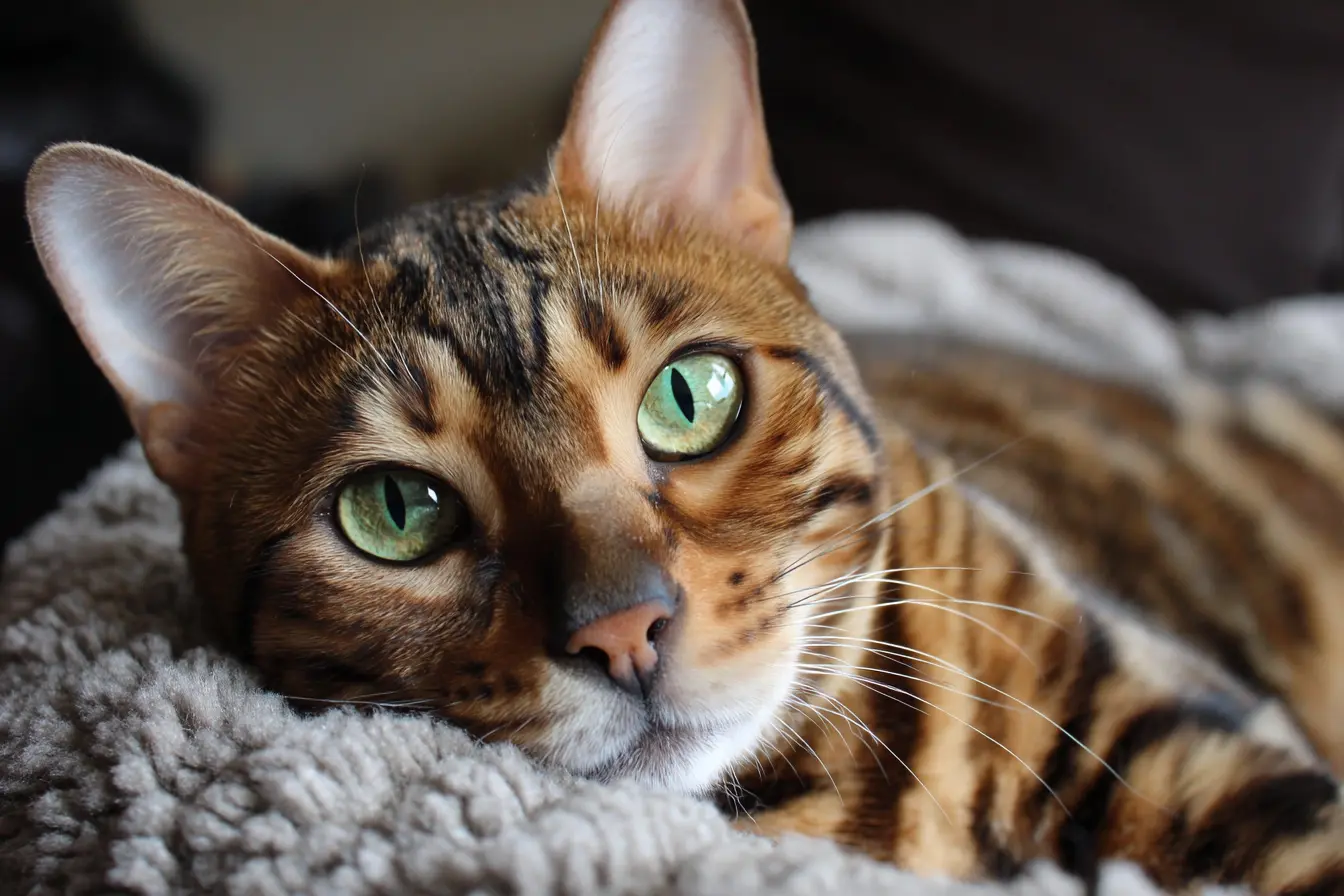
The Abyssinian’s coat is fine and dense but can be sensitive to allergens. This breed sometimes suffers from skin irritations that lead to itching. Regular vet checkups and attention to diet reduce flare-ups and keep itching low.
Siamese
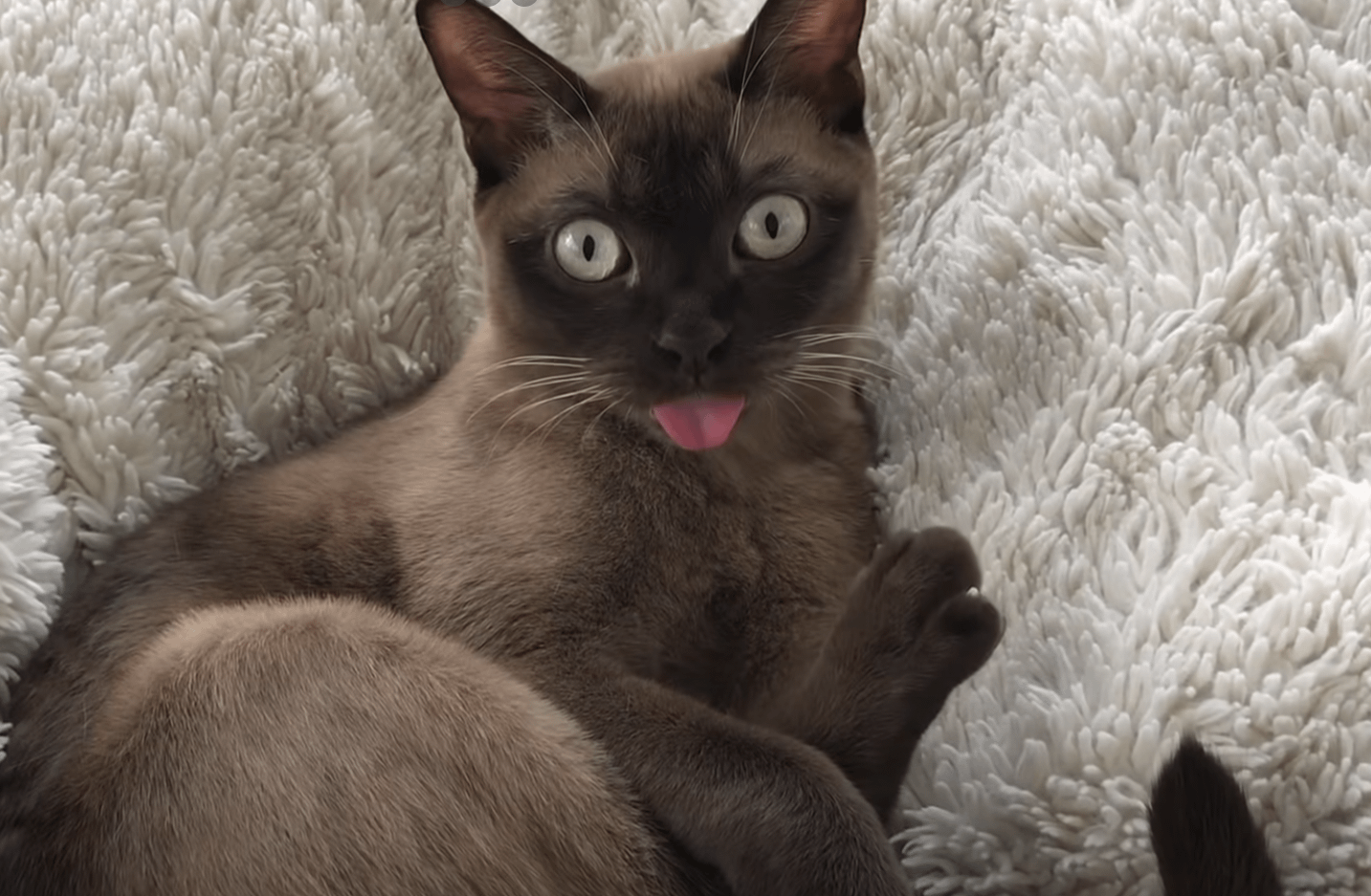
Siamese cats have short coats and often sensitive skin. They may react to environmental changes or grooming products by scratching. Using hypoallergenic shampoos and avoiding harsh chemicals can help soothe their skin and lessen itching.
Genetic Factors Behind Itchiness
Certain cat breeds carry genes that make them more prone to skin irritation and itchiness. These genetic traits affect how their skin reacts to allergens or dryness. Breeds like Sphynx and Devon Rex often show higher sensitivity leading to frequent itching.
Genetic factors play a big role in a cat’s itchiness. Certain breeds have genes that make them more likely to itch. This can be due to inherited skin conditions or traits in their immune system. Understanding these genetic factors can help in managing and reducing a cat’s itchiness.Inherited Skin Conditions
Some cats inherit skin conditions from their parents. These conditions make their skin sensitive and itchy. Breeds like the Sphynx and Devon Rex often have sensitive skin. Their unique skin types make them prone to irritation. These cats need special care to keep their skin healthy. Regular bathing and moisturizing help manage their itchiness.Immune System Traits
Cats have different immune system traits that affect their itchiness. Some breeds have weaker immune responses. This makes them more susceptible to allergies and skin issues. For example, Siamese cats often have immune traits that make them more allergic. These allergies can cause their skin to itch and become inflamed. Managing their environment and diet can help reduce allergic reactions.Signs Of Itchy Cats To Watch For
Noticing if a cat is itchy can help catch problems early. Cats cannot tell us when they feel discomfort. Observing their behavior and skin closely is important. Some signs are clear, while others are subtle. Watch for changes in scratching habits, fur condition, and mood. These clues point to irritation or allergies. Acting fast can prevent further health issues.
Excessive Scratching
Scratching more than usual is a key sign of itchiness. Cats might scratch with claws or rub against furniture. This can happen on any part of their body. Pay attention if scratching seems intense or frequent. It may cause small wounds or bleeding spots. Scratching can also damage the skin, making it red or sore.
Hair Loss And Redness
Hair loss often follows scratching or licking. Bald patches or thin fur show skin irritation. The skin underneath might look red or inflamed. Sometimes, scabs or crusts appear on the irritated areas. These signs suggest the cat’s skin is not healthy. Check areas like the neck, belly, and legs closely.
Behavioral Changes
Itchy cats may act differently. They can become restless or agitated. Some cats hide more or avoid being touched. Others may lick or bite themselves repeatedly. Changes in sleep patterns or appetite might occur. These behaviors show discomfort and stress from itching. Notice if your cat’s mood shifts suddenly.
Managing And Preventing Itchiness
Itchiness can be a major discomfort for cats, especially for breeds prone to skin sensitivities. Managing and preventing this issue requires consistent care and attention to your cat’s daily routine. Understanding simple steps can help you keep your feline friend comfortable and happy.
Regular Grooming Tips
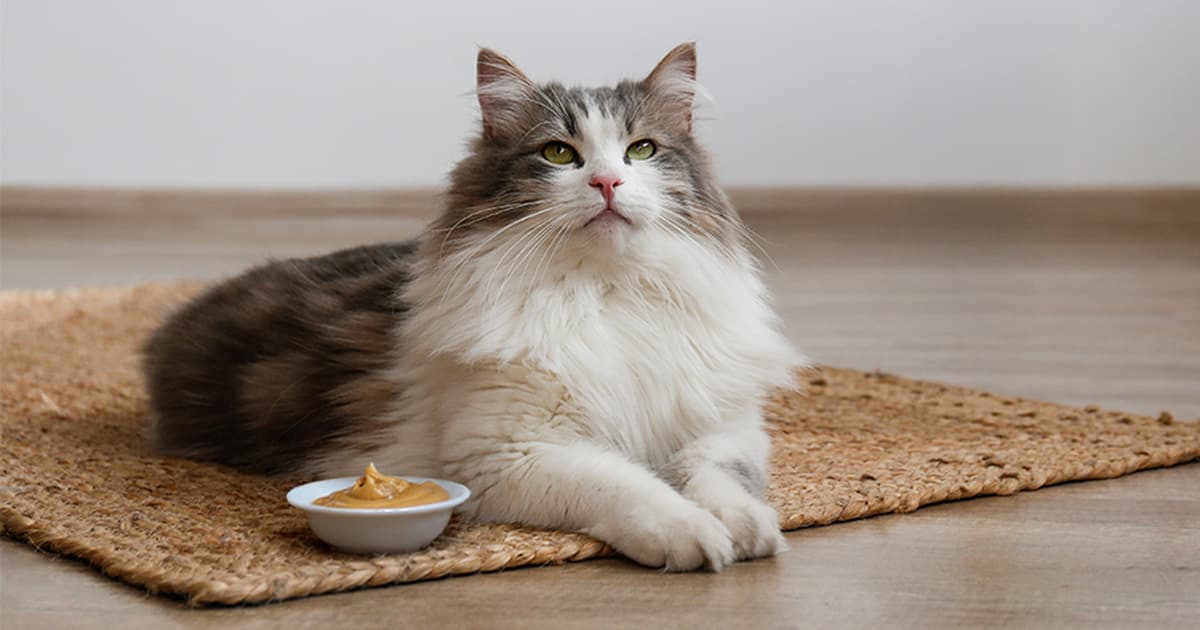
Regular grooming removes dirt, loose fur, and potential allergens from your cat’s coat. Brushing your cat daily helps reduce itchiness by preventing mats and tangles that irritate the skin. Short-haired breeds may need less frequent grooming, but long-haired cats like Persians benefit greatly from daily brushing.
Pay close attention to areas behind the ears, under the legs, and around the tail where mats often form. Have you noticed your cat avoiding grooming itself? This could be a sign of discomfort that you can address with gentle brushing sessions.
Flea And Parasite Control
Fleas and other parasites are common causes of severe itching. Even a single flea can cause a lot of irritation and allergic reactions in cats. Using flea prevention treatments recommended by your vet can stop infestations before they start.
Check your cat’s fur regularly for signs of fleas or flea dirt, especially if they go outdoors. Would you be surprised to learn that even indoor cats can bring in fleas on your shoes or other pets? Stay vigilant to keep your cat itch-free.
Diet And Nutrition
Your cat’s diet plays a crucial role in skin health. Foods rich in omega-3 and omega-6 fatty acids help reduce inflammation and improve coat condition. Consider adding supplements after consulting your veterinarian.
Sometimes, food allergies can cause itching. If you notice your cat scratching more than usual, think about whether recent diet changes could be the culprit. Have you tried an elimination diet to identify potential food triggers?
Veterinary Treatments
If itching persists despite your efforts, it’s time to visit the vet. They can diagnose underlying issues like allergies, infections, or hormonal imbalances. Treatment may include medicated shampoos, antihistamines, or prescription diets.
Don’t hesitate to ask about allergy testing or skin biopsies if your cat’s itchiness is severe. Early intervention can prevent complications and improve your pet’s quality of life significantly.
Credit: www.diamondpet.com
When To See A Vet
Itching is common in many cat breeds, but some scratch more than others. Knowing when to see a vet helps prevent serious problems. Itching can signal allergies, infections, or other health issues. Early vet visits protect your cat’s comfort and health.
Persistent Itching
Itching that lasts more than a few days needs attention. Persistent scratching can damage your cat’s skin. Look for redness, hair loss, or sores. These signs show the itching is more than normal. A vet can find the cause and suggest treatment.
Secondary Infections
Scratching can lead to infections. Bacteria or fungi may enter broken skin. Watch for swelling, oozing, or bad smell. Infections make itching worse and cause pain. A vet can diagnose infections and give medicine to heal them.
Allergy Testing
Allergies often cause intense itching in cats. Testing helps find specific allergens. Tests may include skin or blood exams. Knowing allergens guides better care and treatment. A vet will recommend allergy tests if needed.
Credit: www.diamondpet.com
Frequently Asked Questions
Which Cat Breeds Are Most Prone To Itching?
Sphynx, Siamese, and Devon Rex cats often experience more itching. Their unique skin or fur types can cause sensitivity and allergies. Regular grooming and vet checkups help reduce itching in these breeds.
Why Do Some Cat Breeds Itch More Frequently?
Certain cat breeds have sensitive skin or genetic predispositions to allergies. Environmental factors and diet also contribute. Understanding these causes helps owners manage and prevent excessive itching effectively.
How Can I Prevent My Cat From Itching?
Keep your cat’s environment clean and allergen-free. Use hypoallergenic cat food and regular grooming. Consult a vet for skin treatments or allergy tests if itching persists.
Are Certain Cat Breeds Allergic To Specific Substances?
Yes, some breeds are more sensitive to pollen, dust mites, or food ingredients. Identifying and avoiding these allergens can reduce itching and improve your cat’s comfort.
Conclusion
Certain cat breeds tend to itch more than others. This can be due to allergies, skin problems, or genetics. Knowing which breeds itch helps you care for your cat better. Regular grooming and vet visits reduce itching and keep cats happy.
Watch for signs like scratching or redness. Early action prevents bigger problems. Every cat is unique, so pay attention to their needs. Taking simple steps helps your cat feel comfortable and healthy. Caring for your cat’s skin improves their quality of life.


Leave a Reply