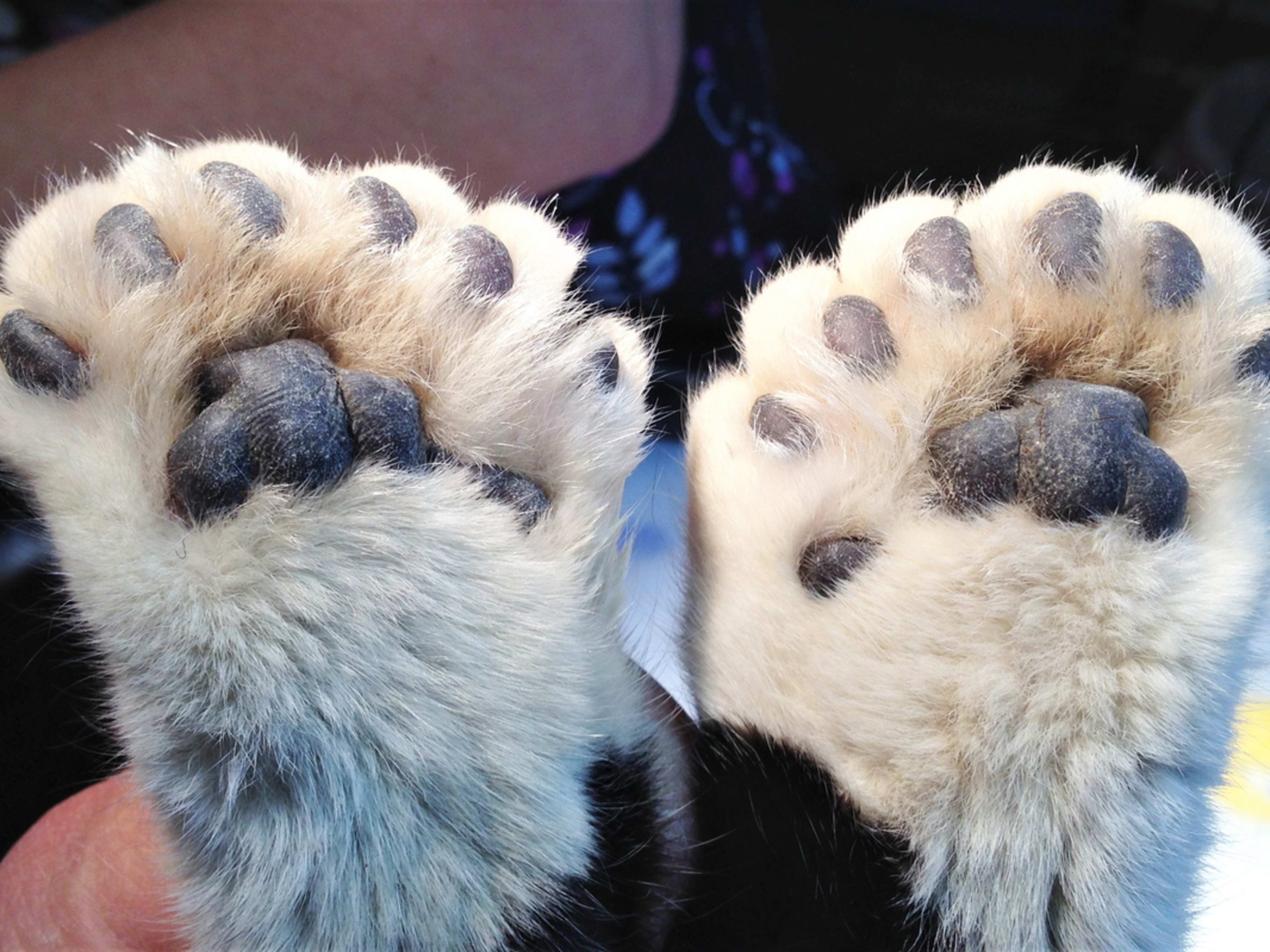
Have you ever noticed a cat with paws so fluffy, they look like little pillows? Those furry paws aren’t just adorable—they tell a story about the breed and its unique traits.
If you’re curious about which cat breeds have these soft, furry paws and why they matter, you’re in the right place. Keep reading, and you’ll discover the most charming cats with furry feet, plus tips on how these special paws can affect their care and personality.
Your next feline friend might just be one of them!
Traits Of Furry Paws
Furry paws are a charming trait found in several cat breeds. These paws have extra fur between and around the toes. This feature adds to the cat’s unique appearance and offers practical benefits. Understanding the traits of furry paws helps cat lovers appreciate these special felines more.
Why Some Cats Have Fluffy Paws
Furry paws develop mainly due to genetics. Cats from colder regions often have thicker fur on their paws. This helps protect them from snow and ice. The fur acts as insulation, keeping their feet warm. Breeds like Maine Coons and Norwegian Forest Cats often show this trait. It is an adaptation to their environment over time.
Benefits Of Furry Paws In Cats
Furry paws provide several key advantages to cats. The extra fur cushions their steps, making them quieter hunters. It also helps cats walk on rough or cold surfaces more comfortably. The fur can protect their paws from sharp objects and harsh weather. This natural padding improves their grip on slippery floors. Overall, furry paws support a cat’s survival and comfort.
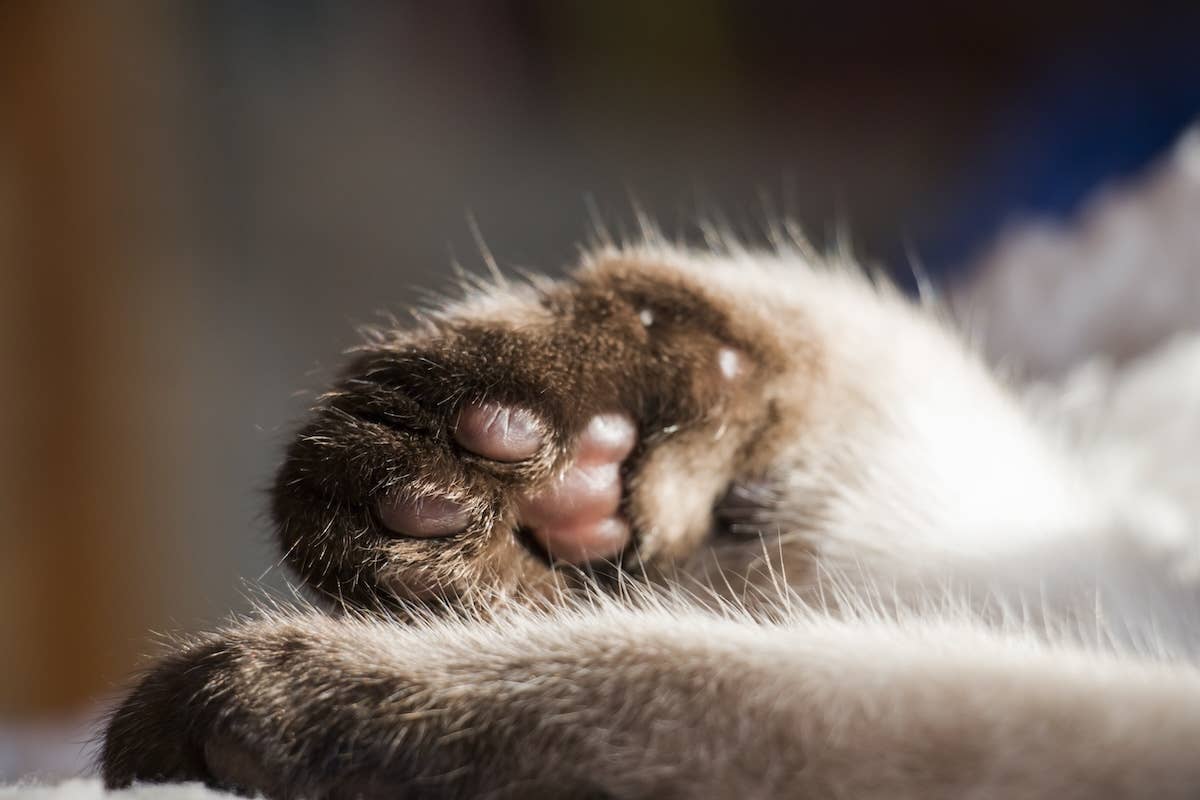
Credit: paradepets.com
Maine Coon
The Maine Coon is one of the largest domestic cat breeds. Known for its friendly nature and impressive size, it also has unique physical traits. One notable feature is its furry paws. These paws help the Maine Coon thrive in harsh environments.
Paw Features
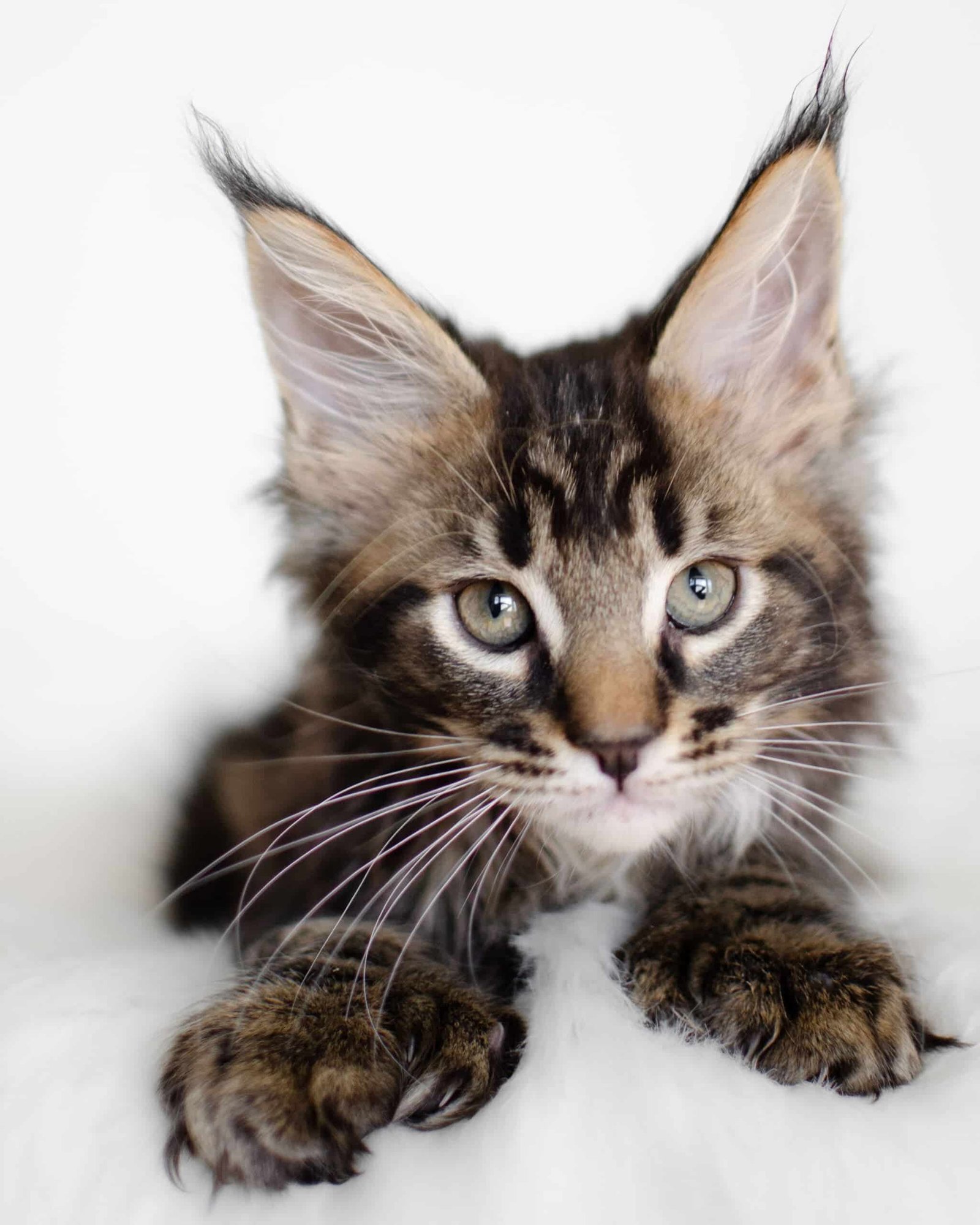
Maine Coons have large, round paws covered in thick fur. The fur grows between their toes, creating a natural cushion. This fur acts like snowshoes, distributing their weight over soft surfaces. Their paws have strong claws, perfect for climbing and hunting.
Adaptation To Cold Climates
These cats evolved in the cold northeastern United States. Their furry paws protect them from snow and cold ground. The dense fur keeps their feet warm and dry. This adaptation helps them move easily in icy conditions.
Norwegian Forest Cat
The Norwegian Forest Cat is a striking breed known for its lush, thick coat and impressive size. Originating from the cold climates of Scandinavia, this cat is built for survival in harsh weather. If you’ve ever noticed its paws, you’ll see they are just as remarkable as the rest of its body.
Paw Fur Characteristics
Norwegian Forest Cats have thick tufts of fur between their toes and around their paws. This dense fur acts like natural snowshoes, helping them walk on snow without sinking. The fur also protects their paws from ice and cold surfaces, keeping them warm and comfortable.
You might wonder if these furry paws require extra care. In reality, the fur can trap dirt or ice balls, so regular checks and gentle grooming are helpful. It’s a small effort that keeps your cat happy and active, especially in winter.
Natural Habitat Influence
The environment where Norwegian Forest Cats evolved shaped their paw fur perfectly. Living in forests with snowy winters, their paws needed protection from freezing temperatures and rough terrain. This natural adaptation isn’t just for looks—it’s a survival tool.
Think about your own pet’s environment. Does your cat face cold weather or rough surfaces? Understanding how their paws work can influence how you care for them. This breed’s paw fur reminds us how nature equips animals to thrive, even in tough conditions.

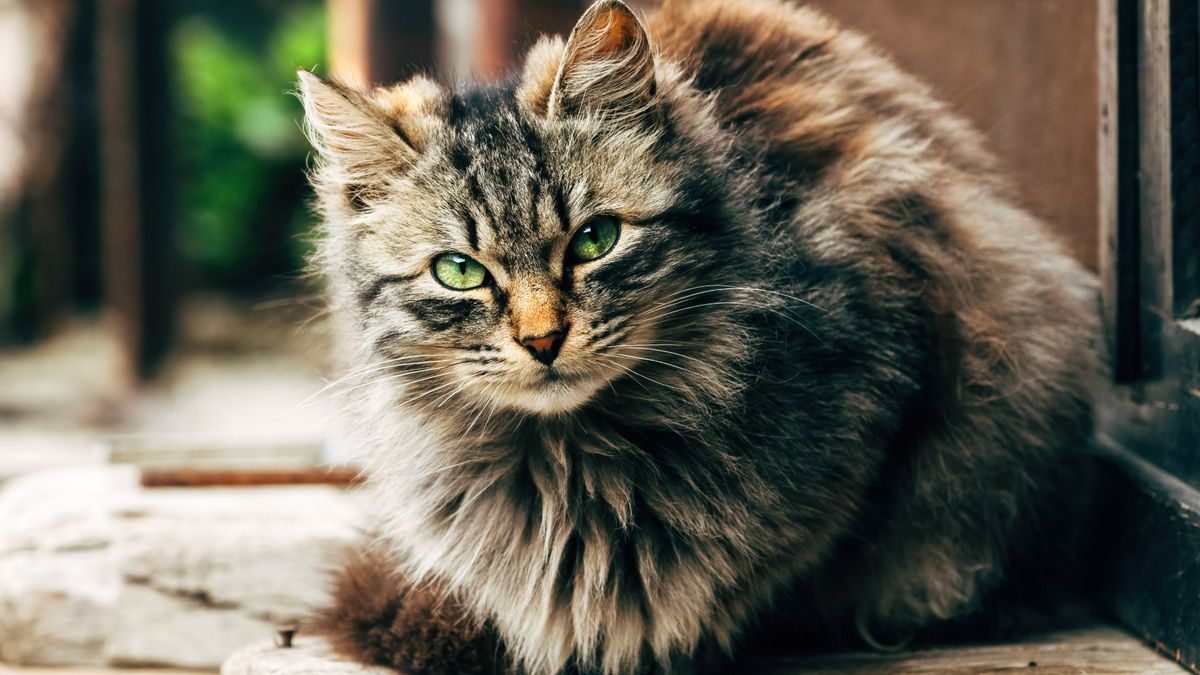
Credit: www.oakleighcentralvet.com.au
Siberian Cat
Siberian Cats have beautifully furry paws, perfect for cold climates. Their thick fur provides warmth and protection. These cats are not only known for their fluffy appearance but also for their playful and friendly nature.
The Siberian Cat is a majestic breed known for its luxurious coat and charming personality. Originating from Russia, these cats are not only stunning to look at but are also adored for their friendly and intelligent demeanor. If you’ve ever cuddled with a Siberian, you know they have a thick, plush fur that covers not just their bodies but also their paws.Dense Paw Fur
Siberian Cats have remarkably dense fur on their paws. This isn’t just for show; it serves a practical purpose. The furry paws help these cats navigate through snowy terrains by providing extra grip and protection. The fluffiness of their paw fur acts like a pair of natural snowshoes. This feature is particularly beneficial in cold climates, ensuring they don’t sink too deep into the snow. The dense fur can also keep their paws warm, preventing frostbite during harsh winters.Role In Insulation
Have you ever wondered how Siberian Cats remain so comfortable in cold weather? Their dense paw fur plays a critical role in insulation. This layer of fur traps heat, keeping their paws warm and cozy even when the temperature drops. This natural insulation is one reason why Siberians are well-adapted to colder regions. You might notice your Siberian cat curling up with their paws tucked under them. This behavior helps retain heat, making them more comfortable in cooler environments. It’s fascinating to see how these cats use their furry paws to their advantage. Next time you observe your Siberian cat lounging around, take a moment to appreciate how their unique features help them adapt to their surroundings. What other interesting traits have you noticed about your Siberian cat? Share your experiences with us!Ragdoll
The Ragdoll cat is famous for its gentle nature and striking looks. This breed has soft, plush fur that feels like velvet. They often go limp when held, which is why they are called “Ragdolls.” Their calm personality makes them perfect pets for families and individuals alike.
Soft Paw Fur Texture
Ragdolls have thick fur on their paws that feels very soft. This furry padding helps them walk quietly and keeps their feet warm. The fur grows between their toes, giving their paws a fluffy, cushioned look. The texture is smooth and silky to touch, making their paws very cute and unique.
Appearance And Maintenance
Ragdolls have large, strong bodies covered in long, silky fur. Their paws are medium to large with tufts of fur poking out. The fur color varies, often in patterns like colorpoint or mitted.
- Brush their fur twice a week to avoid mats.
- Check paw fur regularly for dirt and debris.
- Trim the fur between toes if it gets too long.
- Baths are rarely needed but help keep fur clean.
With proper care, their soft paw fur stays healthy and beautiful.
Persian Cat
The Persian cat is famous for its long, luxurious fur and calm personality. This breed has thick, soft hair covering its body, including its paws. Persian cats are often seen as elegant and gentle pets. Their furry paws add to their unique charm.
Fluffy Paws And Grooming Needs
Persian cats have fur that grows between their paw pads. This fur keeps their feet warm and soft. It also traps dirt and small debris easily. Owners must trim the hair on their paws regularly. Regular grooming prevents mats and tangles. Brushing the paws helps avoid infections and keeps the fur clean.
Bathing and combing are important for overall coat care. A Persian’s thick fur needs daily attention. Grooming also reduces hairballs caused by shedding. Use gentle tools designed for long-haired cats. Check paws carefully for any stuck dirt or irritations.
Impact On Mobility
Furry paws give Persian cats a soft step. Their thick paw hair can sometimes cause slipping on smooth floors. Trimming the fur helps improve traction. Long fur might hide nails that need clipping. Overgrown nails can affect walking and cause discomfort.
Persians are not very active cats. Their fluffy paws do not slow them down much. Still, proper paw care supports healthy movement. Clean, trimmed paws mean better grip and comfort. This care helps Persian cats stay happy and agile.
Other Breeds With Fluffy Paws
Many cat breeds are known for their furry paws, but beyond the popular ones, several other breeds also sport this charming feature. These cats don’t just have fluffy paw pads; their entire paw area is often covered with thick fur, which can give them a unique look and feel. You might be surprised by how these breeds’ paw fluff plays a role in their personality and care needs.
Turkish Van
The Turkish Van is famous for its love of water, but did you know its paws are covered with thick, fluffy fur? This feature helps protect their feet from cold surfaces and rough terrain, especially since they originated near lakes and rivers. If you own a Turkish Van, you’ll notice their paws look almost like little snow boots, which adds to their playful charm.
Birman
Birmans are often called “Sacred Cats of Burma,” and their fluffy paws are part of what makes them so special. Their white gloves—thick fur on their paws—are a breed hallmark. These fluffy paws not only look adorable but also keep their feet warm and comfortable, which is important if you live in cooler climates or have tiled floors at home.
Scottish Fold
Scottish Folds are best known for their unique folded ears, but their furry paws deserve attention too. Many Scottish Folds have dense fur covering their paw pads, which adds to their cuddly appearance. If you’ve ever noticed how soft their paws feel, it’s because of this extra fur, making them extra gentle when they walk or pounce.
Credit: www.petsradar.com
Care Tips For Cats With Furry Paws
Cats with furry paws need special care to keep their feet healthy and clean. Their thick fur can trap dirt and debris easily. This can cause discomfort or infections if not managed well. Regular care helps maintain hygiene and comfort for your furry friend.
Regular Grooming Practices
Brush your cat’s paws gently every few days. Use a soft brush or comb to remove loose fur and dirt. Check between the toes for any small stones or twigs. Trim the fur around the paws carefully to prevent overgrowth. Keep your cat’s nails trimmed to avoid scratches. Regular grooming keeps the paws neat and reduces shedding.
Preventing Matting And Dirt Build-up
Matting happens when fur tangles and clumps together. It can cause pain and skin problems. To prevent matting:
- Comb the paw fur daily to avoid knots.
- Keep paws dry and clean after outdoor time.
- Wipe paws with a damp cloth to remove dirt.
- Check paws for any signs of redness or irritation.
- Use detangling sprays made for cats if needed.
These steps help your cat stay comfortable and their paws stay healthy.
How To Identify Fluffy Paws In Cats
Fluffy paws in cats add to their charm and warmth. Identifying these soft, furry features helps cat lovers appreciate their pet’s unique traits. Not all cats have the same paw texture or look. Recognizing fluffy paws requires a close look and gentle touch. Understanding these signs can guide you to spot furry paws quickly.
Visual Signs
- Look for thick fur covering the paw pads and toes.
- Notice if the fur extends beyond the nails, creating a tufted look.
- Check for a fuller, rounder appearance of the paws.
- Observe the color and length of the hair on the paws.
- Spot any long, wispy hairs between the toes.
Touch And Texture
- Feel the paw for soft, dense fur that cushions the pads.
- Detect a silky or fluffy texture rather than smooth skin.
- Gently run your fingers between the toes to find extra hair.
- Notice if the fur feels thick enough to hide the paw shape.
- Compare the paw texture with other cats to see the difference.
Frequently Asked Questions
What Cat Breeds Are Known For Furry Paws?
Breeds like Maine Coon, Norwegian Forest, and Persian cats commonly have furry paws. Their thick paw fur helps protect against cold weather and rough terrain. These breeds often have long hair covering their toes, giving them a unique, fluffy appearance.
Why Do Some Cats Have Furry Paws?
Furry paws help cats stay warm and protected. This trait is common in breeds from colder climates. The extra fur acts as insulation and shields their paws from snow, ice, and sharp surfaces.
Do Furry Paws Affect Cat Grooming Needs?
Yes, cats with furry paws may need more grooming. Their paw fur can trap dirt and debris, requiring regular cleaning. Owners should trim excess fur to prevent matting and keep paws healthy.
Are Furry Paws Linked To Specific Cat Environments?
Yes, cats from cold or snowy regions often have furry paws. This adaptation helps them survive harsh climates by providing warmth and extra grip on slippery surfaces. It’s a natural evolutionary feature.
Conclusion
Cats with furry paws have a unique charm and beauty. These soft paws help them stay warm in cold weather. Breeds like the Maine Coon and Norwegian Forest Cat show this trait well. Their furry paws also protect them while walking on rough surfaces.
Knowing about these cats can help you choose the right pet. Each breed has its own special personality and care needs. Furry paws add to their cuteness and comfort. They remind us how nature designs animals for different environments. These cats make wonderful companions for many homes.

Leave a Reply