
Are you a cat lover who can’t resist a fluffy, soft ball of fur? If so, you’re not alone.
Floofy cats have a special charm that makes you want to cuddle them all day long. But which cat breeds are known for their luxurious coats and extra fluff? Knowing this can help you find the perfect furry friend that matches your love for all things soft and snuggly.
Keep reading, because you’re about to discover the top cat breeds that bring the floof factor to a whole new level!

Credit: worldanimalfoundation.org
Floof In Cats
Floof in cats refers to their thick, soft, and fluffy fur. It makes cats look extra cuddly and adorable. Many cat lovers adore floofy cats for their warm and plush coats. This type of fur can vary by breed, genetics, and environment. Understanding floof helps appreciate these charming feline traits.
What Makes A Cat Floofy
Floofy cats have a dense undercoat beneath their top layer of fur. This undercoat traps air and keeps the cat warm. Long guard hairs add to the fluffiness and shine. Genetics play a big role in a cat’s floofiness. Some breeds naturally grow longer, thicker fur. Seasonal changes can also affect the fur’s length and thickness.
Benefits Of Floofy Fur
- Provides insulation and keeps cats warm in cold weather.
- Protects skin from sun and minor injuries.
- Enhances a cat’s appearance, making it more attractive.
- Helps cats blend into snowy or forested environments.
- Offers a soft surface for petting and bonding with owners.
Top Floofy Cat Breeds
There’s something undeniably charming about cats with a fluffy coat. Their luscious fur invites you to reach out and indulge in a gentle pet. If you’re captivated by these floofy wonders, here’s a look at some of the top floofy cat breeds that might just steal your heart.
Persian Cats
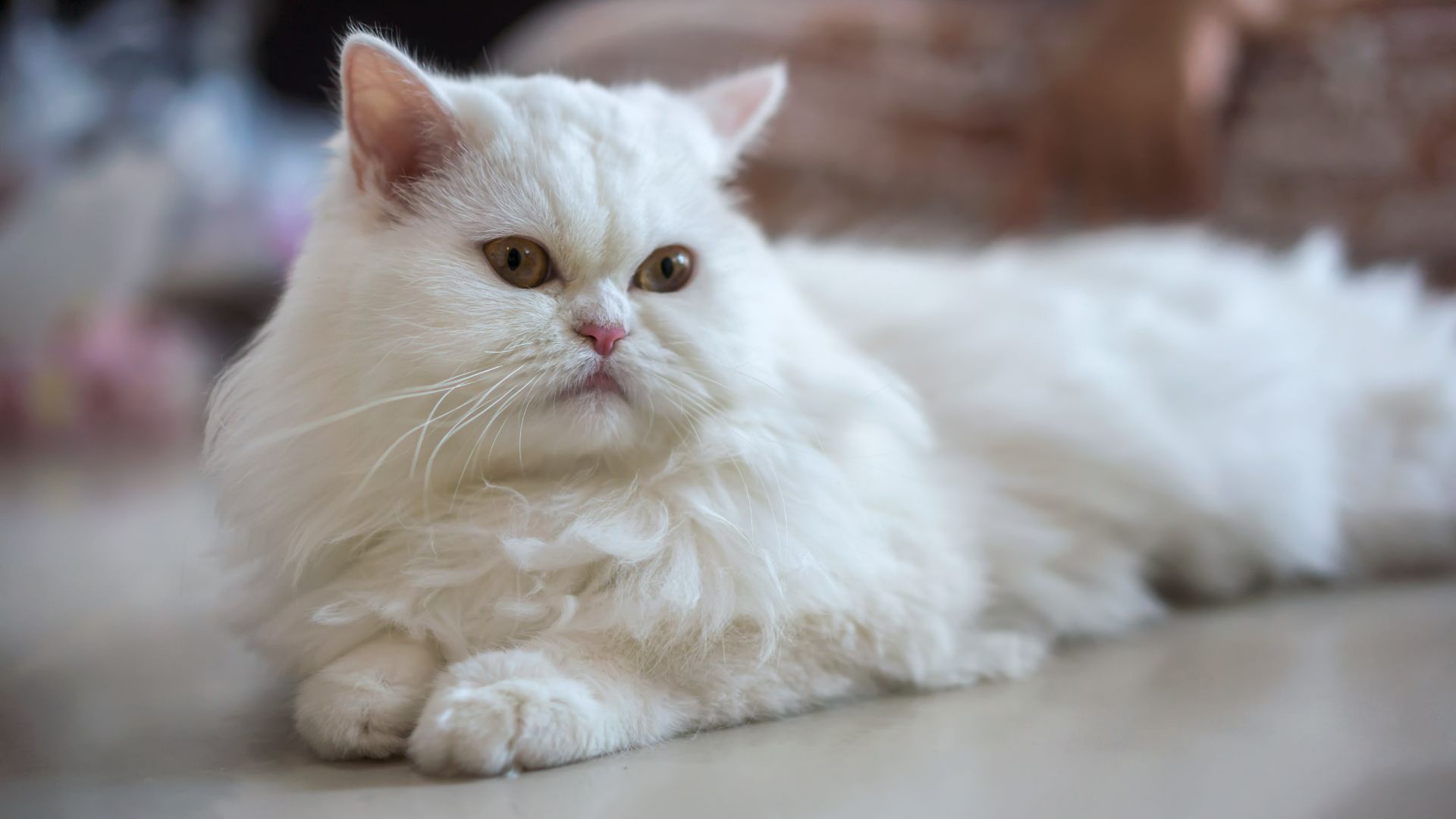
Persian cats are perhaps the royalty of floof. With their long, thick coats and sweet expressions, they are show-stoppers. Regular grooming is essential to keep their fur in top condition, but the effort is worth the reward of their magnificent appearance.
Maine Coon Cats
Maine Coons are known for their impressive size and tufted ears, but their floof is equally notable. Their bushy tails and soft undercoats make them look like majestic lions. These gentle giants are also known for their friendly nature, making them wonderful companions.
Ragdoll Cats
Ragdolls boast plush, semi-long coats that are irresistibly soft to the touch. They are famous for their laid-back personalities and love to be cradled like babies. Their beautiful blue eyes and silky fur make them a popular choice for families.
Norwegian Forest Cats
Originating from the cold climates of Norway, these cats have a thick double coat that keeps them warm. Their floofy tails are particularly striking. Despite their rugged appearance, they are gentle and enjoy being around people.
Siberian Cats
Siberians sport a dense triple coat that is both water-repellent and hypoallergenic. Their floof offers a unique balance of ruggedness and beauty. They are agile and playful, often surprising their owners with acrobatic feats.
Birman Cats
Birmans are known for their striking blue eyes and soft, silky coats. They have a distinct look with their white paws and color-point markings. Birmans are affectionate and social, often following their owners around the house.
Do you have a favorite floofy cat breed, or are you considering adding one to your family? Share your thoughts and experiences in the comments below!
Caring For Floofy Cats
Floofy cats are a joy to have around. Their thick, soft fur needs special care to stay healthy and beautiful. Caring for these cats means regular attention to grooming and health. This helps keep their coat shiny and skin comfortable. It also reduces hairballs and shedding problems. Here are some important tips to care for your floofy feline friend.
Grooming Tips
- Brush your cat’s fur daily to prevent mats and tangles.
- Use a wide-tooth comb for thick fur and a fine-tooth comb for delicate areas.
- Trim nails regularly to avoid scratches during grooming.
- Check ears and eyes for dirt or signs of infection.
- Bathing is rarely needed but use cat-friendly shampoo if necessary.
- Reward your cat with treats to make grooming a positive experience.
Managing Shedding
- Regular brushing removes loose fur and reduces shedding around the house.
- Use a vacuum designed to pick up pet hair efficiently.
- Feed a balanced diet rich in omega-3 and omega-6 fatty acids for healthy skin.
- Keep your home humidity at a comfortable level to avoid dry skin.
- Provide plenty of fresh water to keep the coat hydrated.
Health Considerations
- Watch for signs of skin irritation or bald patches.
- Floofy cats can develop hairballs; regular grooming helps reduce them.
- Visit the vet for routine check-ups and vaccinations.
- Keep an eye on your cat’s weight to prevent obesity.
- Ensure your cat has a stress-free environment to avoid over-grooming.
Floofy Cats And Personality
Floofy cats don’t just charm with their thick, plush coats—they often surprise owners with equally captivating personalities. Their soft fur might invite you to pet them more, but it’s their unique behavior and temperament that truly make them special companions. Understanding these traits can help you connect deeply with your floofy feline friend.
Temperament Traits
Many floofy cats, like the Maine Coon or Ragdoll, are known for their calm and gentle nature. They tend to be patient, making them great pets for families with children or other animals.
However, some floofy breeds, such as the Norwegian Forest Cat, can show bursts of playful energy and curiosity. This mix of laid-back and lively traits means you’ll rarely find them dull.
Have you noticed your floofy cat showing unexpected moods? These shifts often reflect their breed’s blend of independence and affection, making each interaction fresh and engaging.
Social Behavior
Floofy cats often enjoy social interaction but on their own terms. Breeds like the Persian may prefer quiet and calm environments, often bonding closely with just one or two family members.
On the other hand, Siberians and Birman cats are known to be more outgoing, happily greeting visitors and joining family activities. Their thick fur doesn’t stop them from being social butterflies.
Think about how your floofy cat responds to new people or pets. Understanding their social style helps you create a comfortable space where they feel safe and loved.
Choosing Your Floofy Friend
Choosing your floofy friend is more than just picking the fluffiest cat. It means thinking about how a cat’s personality and care needs fit into your daily life. This can help you enjoy a happy, lasting bond with your new furry companion.
Matching Lifestyle And Breed
Different floofy breeds bring different energy levels and grooming needs. For example, a Maine Coon is large and playful but needs regular brushing to keep its thick coat healthy. If you have limited time, a Ragdoll might suit you better since they are calm and require moderate grooming.
Ask yourself how much time you can spend grooming and playing. Do you live in a small apartment or a house with space to roam? Your living space and daily routine matter a lot when choosing a floofy cat breed.
Think about allergies too. Some long-haired cats shed more, which might affect sensitive noses. Have you considered how much shedding you’re ready to clean up?
Adoption And Rescue Options
Floofy cats aren’t only found through breeders. Shelters and rescue groups often have long-haired cats looking for homes. Adopting can give a deserving cat a second chance and save you money on initial costs.
Visiting a shelter lets you meet cats with various personalities and coats. You might find a Persian or a Siberian mix waiting for you. Have you checked local rescues for floofy cats recently?
When adopting, ask about the cat’s grooming history and temperament. Rescue groups usually know if a cat needs extra care or has special needs. This helps you prepare and decide if the match is right.
:quality(75))
Credit: manypets.com
Credit: www.petsradar.com
Frequently Asked Questions
What Cat Breeds Are Known For Their Floofy Coats?
Breeds like Maine Coon, Persian, Ragdoll, and Norwegian Forest cats are famous for their thick, floofy fur. These cats have long, soft hair that requires regular grooming to prevent mats and tangles. Their luxurious coats make them popular among cat lovers.
How Do Floofy Cat Breeds Differ In Grooming Needs?
Floofy breeds need frequent brushing to avoid tangles and reduce shedding. Persian cats require daily grooming, while Maine Coons may need brushing several times a week. Proper grooming keeps their coats healthy and comfortable, preventing hairballs and skin issues.
Are Floofy Cat Breeds Hypoallergenic?
Most floofy cat breeds are not hypoallergenic due to their dense fur and dander. People allergic to cats might react more to these breeds. However, individual reactions vary, so spending time with the cat before adoption is recommended.
What Personality Traits Do Floofy Cats Usually Have?
Floofy cats like Ragdolls and Maine Coons are often friendly, social, and affectionate. They tend to enjoy human interaction and can be playful or calm. Their gentle nature makes them great companions for families and individuals alike.
Conclusion
Floofy cats bring joy and warmth to any home. Many breeds have soft, thick fur that feels like a cloud. These cats need gentle care and regular grooming. Their fluffy coats make them extra cuddly and cute. Choosing a floofy cat means welcoming a loving companion.
Each breed has its own charm and personality. Enjoy the softness and beauty that floofy cats offer. They truly make life a little brighter every day.

Leave a Reply