
Are you tired of coming home to shredded furniture and scratched-up sofas? If you love cats but hate the damage they can cause, you’re not alone.
The good news is, some cat breeds are less likely to scratch your belongings. Knowing which cats are gentler on your furniture can save you time, money, and frustration. You’ll discover which cat breeds are kinder to your home and why they behave that way.
Keep reading to find the perfect furry friend who fits your lifestyle—and protects your furniture!

Credit: www.latimes.com
Why Cats Scratch
Cats scratching is a natural behavior. It helps them stay healthy and express themselves. Understanding why cats scratch can help you protect your furniture and care for your pet better.
Natural Instincts
Scratching is part of a cat’s nature. Wild cats use scratching to keep their muscles strong. It also helps them stretch their bodies. This instinct remains in domestic cats, even if they live indoors.
Marking Territory
Cats scratch to mark their space. Their paws have scent glands that leave a smell behind. This scent tells other cats that the area is taken. Scratching on furniture is a way to claim territory.
Claw Maintenance
Scratching helps cats keep their claws sharp and healthy. It removes old, dead layers from their claws. This keeps the claws strong and ready for climbing or hunting.
Credit: www.latimes.com
Traits Of Scratch-resistant Cats
Some cat breeds show natural traits that make them less likely to scratch furniture. These traits help owners maintain a scratch-free home. Understanding these traits can guide you in choosing a cat that fits your lifestyle and home environment.
Temperament And Behavior
Cats with calm and relaxed temperaments tend to scratch less. They show less aggression and frustration, which reduces destructive behavior. Cats that enjoy interactive play are less bored and less likely to scratch furniture out of boredom. Social and affectionate cats often seek attention in gentler ways, avoiding rough scratching.
Claw Retraction And Sharpness
Some breeds have softer, less sharp claws that cause minimal damage. Cats that retract their claws more often naturally reduce scratching marks. Breeds with slower claw growth need less frequent scratching to keep claws healthy. Regular claw maintenance, like trimming, also plays a role in reducing damage.
Activity Levels
Low to moderate activity cats often scratch less than highly energetic cats. Cats that exercise through play or outdoor time release energy in healthy ways. Less active cats are less likely to target furniture for scratching. However, even active cats can be trained to use scratching posts instead.
Top Scratch-proof Cat Breeds
Some cat breeds are less likely to scratch furniture. These cats have calm personalities or unique traits that reduce scratching behavior. Choosing a cat from these breeds helps protect your home’s furniture and keeps your cat happy.
Here are the top scratch-proof cat breeds to consider for a gentle companion who respects your belongings.
Sphynx
The Sphynx is known for its friendly and calm nature. This breed loves attention and often prefers cuddling over scratching. Their lack of fur means less damage to furniture from shedding or claws.
Scottish Fold
Scottish Folds have a quiet and gentle temperament. They enjoy being indoors and are less likely to scratch aggressively. Their unique folded ears add to their calm and affectionate personality.
Ragdoll
Ragdolls are famous for their relaxed and easygoing behavior. They often go limp when held, showing trust and calmness. Ragdolls usually avoid scratching furniture and prefer soft toys.
British Shorthair
British Shorthairs are calm and sturdy cats. They are not very active scratchers and enjoy lounging around. Their dense fur and solid build make them less likely to damage furniture.
Persian
Persians are quiet and gentle cats with low activity levels. They prefer resting and grooming over scratching. Their long fur requires care but helps keep them less destructive indoors.
Training Cats To Avoid Furniture
Training your cat to avoid scratching furniture takes patience and consistency. Cats naturally scratch to mark territory and keep their claws healthy, but you can guide this behavior away from your belongings. The key is to offer better options and gently discourage unwanted scratching while rewarding good habits.
Providing Alternatives
Cats need to scratch, so give them appealing alternatives like scratching posts or pads. Place these near your furniture or in spots where your cat likes to scratch. Use different materials such as sisal, carpet, or cardboard to find what your cat prefers.
Try placing catnip or treats on the scratching post to attract your cat. You can even hang toys nearby to make the post more exciting. Have you noticed how your cat reacts to certain textures? Use that to your advantage.
Using Deterrents
To keep cats away from furniture, use safe deterrents that discourage scratching without causing harm. Double-sided tape or aluminum foil on the edges of furniture can make surfaces unpleasant to scratch. You might also consider commercial sprays designed to repel cats.
Consistency is crucial—make sure to reapply deterrents regularly and monitor your cat’s behavior. Have you tried combining deterrents with alternative scratching options? This combo often works best.
Positive Reinforcement
Reward your cat immediately when it uses a scratching post instead of furniture. Use treats, praise, or petting to reinforce the behavior you want. Cats respond well to positive attention and will repeat actions that earn them rewards.
Timing matters—catch your cat in the act and redirect gently without scolding. Have you noticed how your cat’s behavior changes when you reward good scratching habits? It can be surprisingly quick with the right approach.
Maintaining Healthy Claws
Maintaining healthy claws for your cat is essential. It helps in reducing the chances of them scratching furniture. Cats need to groom their claws regularly. This keeps them in good shape and prevents damage to household items. By understanding how to care for your cat’s claws, you can create a more harmonious home environment.
Regular Trimming
Regular trimming of your cat’s claws is crucial. It helps keep them short and manageable. Use a cat-specific nail trimmer for best results. Trim the claws every few weeks. Ensure you only cut the sharp tips. Avoid the quick, the pink part of the nail, to prevent pain.
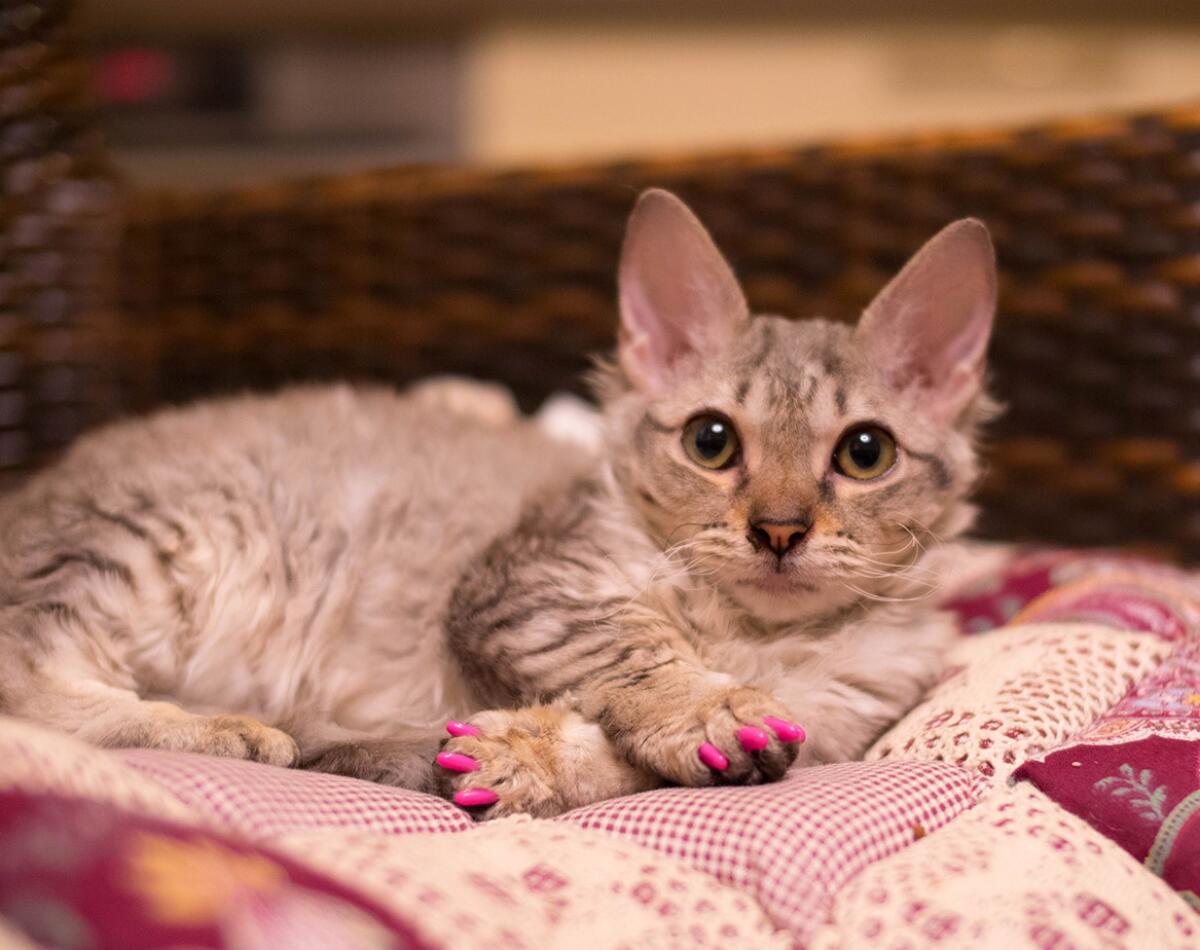
Using Nail Caps
Nail caps are small, soft covers placed over the cat’s claws. They prevent the claws from causing damage. They are safe and easy to apply. Most cats adjust to nail caps quickly. Replace them every four to six weeks. Choose the right size for your cat for comfort.
Scratching Posts And Pads
Scratching posts and pads are essential for cats. They provide a safe place to scratch. Place them in areas where your cat spends time. Encourage your cat to use them by sprinkling catnip. Ensure the posts are stable and tall enough for a full stretch. Different textures like sisal rope or cardboard can attract different cats.
Signs Of Excessive Scratching
Excessive scratching in cats can quickly become a frustrating problem for any pet owner. It’s important to recognize the signs early so you can protect your furniture and ensure your feline friend stays healthy and happy. Knowing what to look for helps you understand whether your cat’s scratching is normal or a sign of a deeper issue.
Behavioral Changes
Have you noticed your cat scratching more than usual or focusing on certain spots repeatedly? This could mean your cat is stressed or anxious. Cats may also become more restless or hide more often when they feel uneasy.
Changes in playfulness or social behavior can also be linked to scratching habits. If your cat suddenly starts scratching furniture aggressively or seems irritable, it’s a sign to observe their overall mood closely.
Possible Health Issues
Scratching isn’t always just about marking territory or sharpening claws. Sometimes, it’s a way for cats to relieve discomfort. Skin allergies, fleas, or infections can cause intense itching that leads to excessive scratching.
Look for redness, bald patches, or sores on your cat’s skin. These symptoms combined with scratching might indicate an underlying health problem that needs attention. Ignoring these signs can cause infections or worsen your cat’s condition.
When To Consult A Vet
Wondering when it’s time to get professional help? If scratching is persistent and comes with wounds or behavioral changes, don’t wait to consult your vet. They can diagnose issues like allergies, parasites, or other medical conditions.
Also, if your cat seems in pain or the scratching disrupts their daily routine, a vet visit is necessary. Early intervention can prevent serious problems and keep your cat comfortable.
Credit: paradepets.com
Frequently Asked Questions
Which Cat Breeds Rarely Scratch Furniture?
Cats like Ragdolls, Scottish Folds, and British Shorthairs tend to scratch furniture less. These breeds are generally calmer and less destructive, making them ideal for owners concerned about furniture damage.
Do Some Cats Naturally Avoid Scratching Furniture?
Yes, some cats have a lower urge to scratch. Indoor cats with proper scratching posts often don’t damage furniture. Training also plays a key role.
How To Prevent Cats From Scratching Furniture?
Provide scratching posts and regularly trim your cat’s nails. Use deterrents like sprays or furniture covers. Positive reinforcement encourages cats to use appropriate scratching areas.
Can Neutering Reduce Furniture Scratching In Cats?
Neutering can reduce aggressive and territorial behaviors, including excessive scratching. It helps calm cats, making them less likely to damage household items.
Conclusion
Choosing a cat breed that rarely scratches furniture can save you stress. Some cats naturally prefer less scratching or use other ways to mark. Training and providing scratching posts also help protect your home. Remember, patience and care make a big difference.
Enjoy the company of your cat without constant worry about damaged furniture. A peaceful home and a happy cat go hand in hand.




Leave a Reply