Are you thinking about adding a furry friend to your home but feel overwhelmed by all the cat breeds out there? You’re not alone.
Choosing the right cat breed can make a big difference in your daily life and happiness. What if you knew which cat breeds don’t just fit your lifestyle but truly thrive with you? You’ll discover the key cat breeds that might surprise you—and why some popular ones may not be the best match for your needs.
Keep reading to find the perfect feline companion that feels like it was made just for you.
Cats With Minimal Shedding
If you’re looking to enjoy the company of a cat without constantly battling fur on your clothes and furniture, cats with minimal shedding might be your best choice. These breeds often require less cleaning up and can be more suitable for people with mild allergies. Understanding the types of cats that shed less can help you find the perfect low-maintenance feline friend.
Hairless Cat Varieties
Hairless cats like the Sphynx are well-known for their minimal shedding. Since they lack a traditional fur coat, you won’t find tufts of hair scattered around your home. Instead, these cats need regular skin care to avoid oil buildup, which is an important part of their grooming routine.
Choosing a hairless breed means trading fur cleaning for skin maintenance. Have you considered how much time you’re willing to spend on grooming your cat?
Short-haired Breeds
Short-haired cats such as the American Shorthair and Burmese shed far less than their long-haired counterparts. Their sleek coats require less brushing and shed less visibly. These breeds offer a balance between having a furry companion and keeping your living space tidy.
Short-haired cats often adapt well to indoor living, which can further reduce shedding. Are you ready to enjoy a cat with a low-fuss coat but still plenty of personality?
Unique Coat Types
Certain breeds like the Cornish Rex or Devon Rex have curly or wavy coats that shed very little. Their unique fur structure holds hair tightly, so you won’t find much loose fur around. These cats also tend to be playful and affectionate, making them great companions.
Owning a cat with a unique coat type means less fur on your furniture but possibly more attention to their specific grooming needs. Could their quirky coats be the perfect match for your lifestyle?
Credit: pethelpful.com
Low-allergen Cat Breeds
Many people love cats but suffer from allergies. Low-allergen cat breeds offer a solution. These cats produce fewer allergens. They allow allergy sufferers to enjoy feline companionship. Understanding which breeds have hypoallergenic traits helps make better choices.
Hypoallergenic Traits
Hypoallergenic cats produce less of the Fel d 1 protein. This protein causes most cat allergies. Some cats shed less hair and dander. Less shedding means fewer allergens spread around the home. Certain breeds have a unique coat type that traps allergens. These traits reduce allergic reactions significantly.
Popular Low-allergen Cats
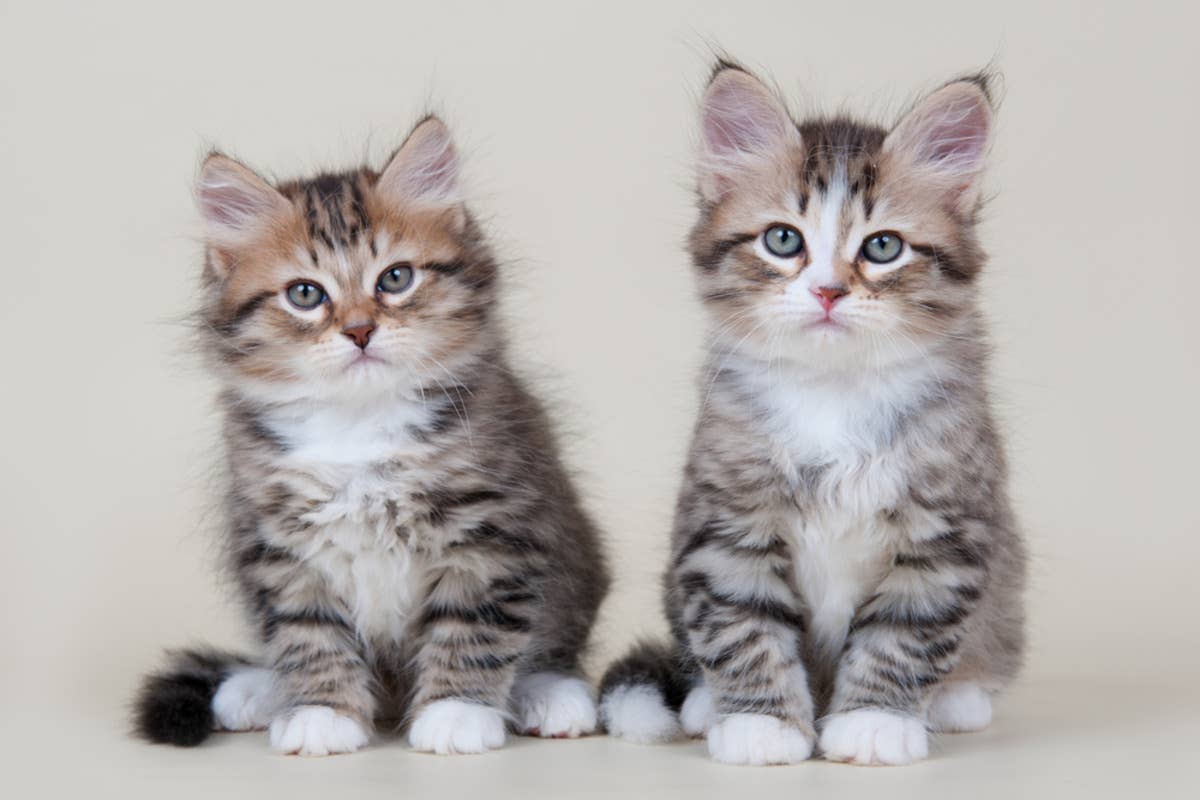
- Siberian: Known for lower Fel d 1 levels and thick fur.
- Balinese: Called the “long-haired Siamese” with less allergen production.
- Russian Blue: Produces fewer allergens and has dense, short fur.
- Devon Rex: Has short, curly hair that sheds little.
- Cornish Rex: Known for a soft, wavy coat with minimal shedding.
Allergen Levels Compared
| Cat Breed | Fel d 1 Protein Level | Shedding Amount | Allergen Risk |
|---|---|---|---|
| Siberian | Low | Moderate | Low |
| Balinese | Low | Low | Low |
| Russian Blue | Low | Low | Low |
| Devon Rex | Moderate | Low | Moderate |
| Cornish Rex | Moderate | Low | Moderate |
Care Tips For Low-shedding Cats
Low-shedding cats need special care to keep their coats healthy and reduce loose hair. Proper care helps maintain their skin and fur. It also keeps your home cleaner and your cat happier.
Grooming Techniques
Brush your cat regularly with the right brush. Soft-bristle brushes work well for sensitive skin. Brushing removes loose hair and prevents mats. It also spreads natural oils, making the coat shiny and soft. Bathing is rarely needed but can be done with gentle cat shampoo if necessary. Trim nails carefully to avoid scratches during grooming sessions.
Diet And Health
Feed a balanced diet rich in omega-3 and omega-6 fatty acids. These nutrients improve coat health and reduce shedding. Fresh water should always be available to keep skin hydrated. Regular vet check-ups catch skin problems early. Supplements like fish oil can support healthy fur. Avoid sudden diet changes to prevent stress and shedding.
Home Cleaning Tips
Use lint rollers or sticky tape to remove hair from clothes and furniture. Vacuum floors and carpets often with a pet-friendly vacuum cleaner. Wash cat bedding weekly to reduce dander. Air purifiers help reduce airborne hair and dust. Designate specific cat areas to limit hair spread. Clean litter boxes frequently to keep the home fresh.
Credit: cats.com
Choosing The Right Cat For Allergies
Choosing the right cat for allergies takes careful thought and understanding. Allergies to cats come from proteins in their saliva, skin, and fur. Not all cats cause the same allergic reactions. Some breeds may produce fewer allergens, but reactions vary per person. Finding the best cat means knowing your allergy limits and testing your response to different breeds.
Assessing Allergy Severity
Start by knowing how strong your allergy symptoms are. Mild reactions might include sneezing or itchy eyes. Severe allergies cause coughing, wheezing, or skin rashes. This knowledge guides which cats you can safely be around. It also helps plan your home environment and care routines.
Testing Cat Allergens
Try spending time with different cat breeds before adopting. Visit friends or shelters with cats you want to test. Observe your body’s reaction during and after contact. Allergy tests from doctors can identify specific cat allergens. This step reduces surprises and helps pick a suitable cat breed.
Living With Allergies And Cats
Managing allergies involves cleaning and pet care habits. Use air purifiers and vacuum often to reduce allergens. Groom cats regularly to lower loose fur and dander. Wash your hands and avoid touching your face after petting. These steps make living with cats easier for allergy sufferers.
Credit: pethelpful.com
Frequently Asked Questions
What Cat Breeds Don’t Shed Much?
Breeds like the Sphynx, Russian Blue, and Siamese shed very little. They suit allergy sufferers and clean-home lovers well.
Which Cat Breeds Don’t Require Much Grooming?
British Shorthairs and American Shorthairs need minimal grooming. Their short coats resist matting and dirt, making maintenance easy.
Are There Cat Breeds That Don’t Meow Often?
Scottish Folds and Russian Blues are known for being quieter. They communicate less vocally, ideal for calm households.
What Cat Breeds Don’t Tolerate Cold Weather Well?
Sphynx and Siamese cats dislike cold climates. Their thin coats offer little insulation, so they prefer warm environments.
Conclusion
Choosing the right cat breed depends on your lifestyle and preferences. Some cats need lots of attention, while others are more independent. Think about your home, family, and daily routine. Each breed has unique traits and care needs. This helps you find a cat that fits well.
Enjoy the process of learning about different breeds. The right cat can bring joy and comfort to your life. Take your time and choose wisely.



Leave a Reply