Have you ever wondered which cat breeds come from Japan? If you’re curious about unique cats with fascinating histories and charming personalities, you’re in the right place.
These Japanese cat breeds aren’t just beautiful—they have stories that might surprise you. By the end of this article, you’ll know exactly which cats have roots in Japan and why they might be the perfect addition to your home. Ready to discover these special feline friends?
Let’s dive in!
Credit: purebredkitties.com
Japanese Bobtail
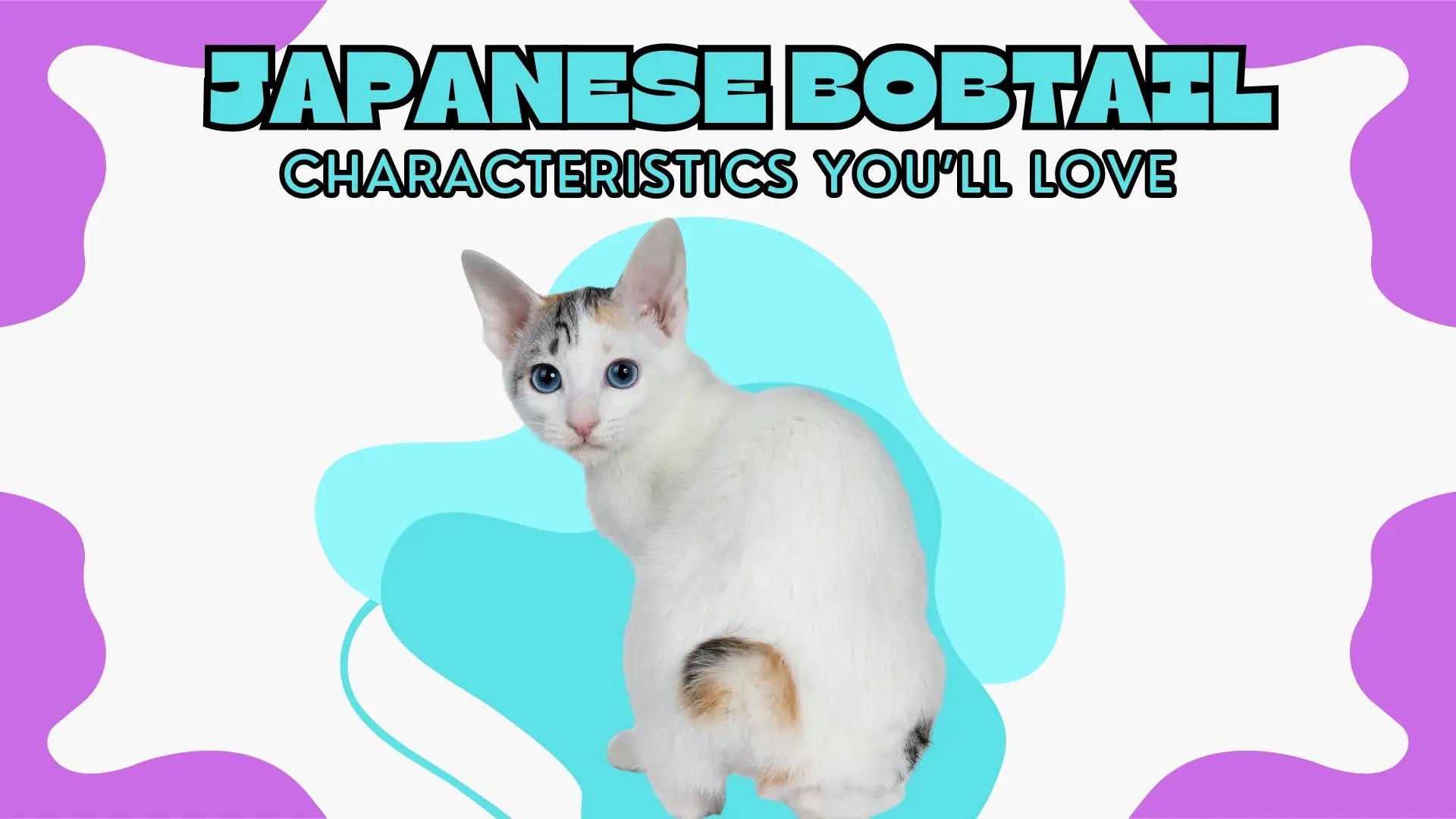
The Japanese Bobtail is a charming cat breed known for its unique look and lively nature. This breed is easily spotted by its short, pom-pom-like tail. It holds a special place in Japanese culture and folklore. The Japanese Bobtail is not just a pet; it is a symbol of good luck and happiness.
Distinctive Tail And Appearance
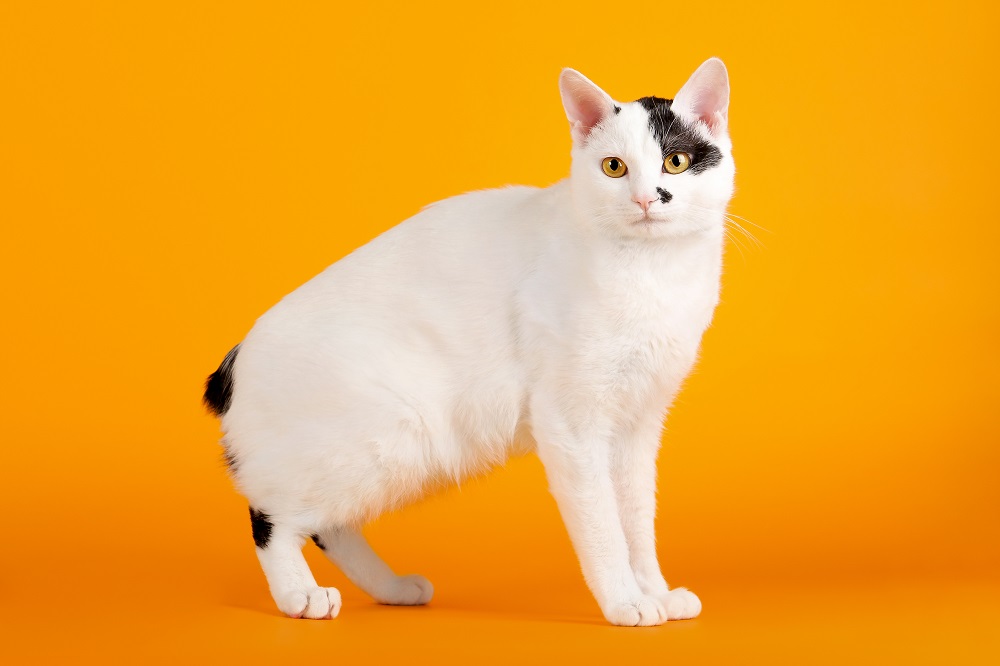
The most striking feature of the Japanese Bobtail is its tail. Unlike other cats, its tail is short and curled like a bunny’s tail. The tail can have many shapes but always looks like a fluffy pom-pom. This breed has a slender body and long legs, giving it an elegant look. Its fur is soft and comes in many colors and patterns, often with patches of white.
History And Cultural Significance
The Japanese Bobtail has existed in Japan for over a thousand years. It appears in old Japanese art, including paintings and pottery. The breed is often linked to the “Maneki-neko,” a famous beckoning cat statue believed to bring good fortune. Japanese people treasure this cat as a symbol of luck and prosperity. It is also thought to protect homes from evil spirits.
Personality Traits
Japanese Bobtails are known for being playful and curious. They enjoy exploring their surroundings and interacting with people. This breed is very social and loves attention from family members. They are intelligent and can learn tricks quickly. Japanese Bobtails also have a gentle nature, making them great companions for children and adults alike.

Credit: www.wikiwand.com
Kuri Cat
The Kuri Cat is a unique and captivating breed hailing from Japan. Known for its striking appearance and gentle nature, this cat remains relatively unknown outside its native country. If you’re curious about rare cat breeds or want to discover something truly special, the Kuri Cat deserves your attention.
Origins And Rarity
The Kuri Cat originated in Japan’s mountainous regions, where it adapted to colder climates. Its lineage is deeply rooted in local folklore and traditional farming communities. Due to limited breeding and its preference for natural habitats, the Kuri Cat is extremely rare today.
Have you ever wondered how isolation affects the development of animal breeds? The Kuri Cat’s rarity shows how geography can shape a species’ traits and survival.
Physical Characteristics
Kuri Cats have a dense, plush coat that helps them withstand chilly weather. Their fur is often a warm chestnut or reddish-brown, resembling the color of Japanese chestnuts, which is where they get their name. They typically have medium-sized bodies with sharp, expressive eyes that reflect intelligence.
- Thick double-layered fur for insulation
- Compact, muscular build
- Distinctive chestnut-colored coat
- Alert, almond-shaped eyes
If you appreciate cats with striking looks but also practical adaptations, the Kuri Cat is a fascinating example of form meeting function.
Temperament
Kuri Cats are known for their calm and affectionate nature. They tend to bond closely with their owners but remain somewhat independent, reflecting their wild origins. Their playful yet reserved demeanor makes them great companions for those who appreciate a balance between interaction and quiet moments.
Imagine a pet that enjoys your company without demanding constant attention. Does your ideal cat fit this description? The Kuri Cat might be the perfect match.
Japanese Bobtail In Folklore
The Japanese Bobtail is a cat breed rich in history. Known for its short, stubby tail, this breed has captured the hearts of many. In Japan, it holds a special place in cultural lore. Often seen in art and stories, the Japanese Bobtail symbolizes good fortune and happiness. Let’s explore how this breed features in folklore.
Maneki-neko Symbolism
The Maneki-neko, or “beckoning cat,” is a popular symbol. Many believe it brings good luck and prosperity. You will often find these figurines in shops and homes. The cat is usually a Japanese Bobtail with a raised paw. This gesture is thought to invite good fortune. Different colored cats have different meanings. A white cat stands for purity. A gold cat signifies wealth.
Legends And Myths
Legends surround the Japanese Bobtail. One popular story involves a poor temple priest. The priest cared for a stray cat despite his own poverty. One day, a wealthy traveler took shelter under a tree near the temple. The cat raised its paw to the traveler, who followed it into the temple. Just then, lightning struck the tree. Grateful, the traveler donated money to the temple. This story is a basis for the Maneki-neko legend.
Other myths speak of cats leading to treasure. Some tales say Japanese Bobtails have magical powers. People believed they could ward off evil spirits. This made them popular in ancient Japanese households.
Credit: felinefancy.co.uk
Care Tips For Japanese Cats
Japanese cat breeds have unique traits that need special care. Understanding these needs helps your cat stay happy and healthy. This section shares easy tips for grooming, diet, and health concerns.
Grooming Needs
Most Japanese cats have short to medium fur. Brush their coat once or twice a week. This removes loose hair and prevents mats. Bathing is rarely needed unless they get very dirty. Keep their nails trimmed every few weeks. Clean their ears regularly to avoid infections. Regular grooming also helps you check for skin problems.
Diet And Nutrition
Japanese cats need a balanced diet rich in protein. Choose high-quality cat food with fish or chicken. Avoid giving too many treats or human food. Fresh water should always be available. Some Japanese cats may prefer wet food for hydration. Feeding small meals throughout the day keeps their energy steady.
Health Concerns
Japanese cats can face common health issues like dental problems. Schedule regular vet check-ups to catch issues early. Watch for signs of allergies or skin irritation. Some breeds are prone to heart disease or kidney problems. Keep their living area clean to reduce risks. Vaccinations and parasite control are essential for long-term health.
Comparing Japanese Breeds To Others
Japanese cat breeds carry distinct qualities that set them apart from other popular breeds around the world. Comparing these breeds helps you understand what makes them special and whether they fit your lifestyle. The differences go beyond looks—they touch on personality and behavior, too.
Unique Traits
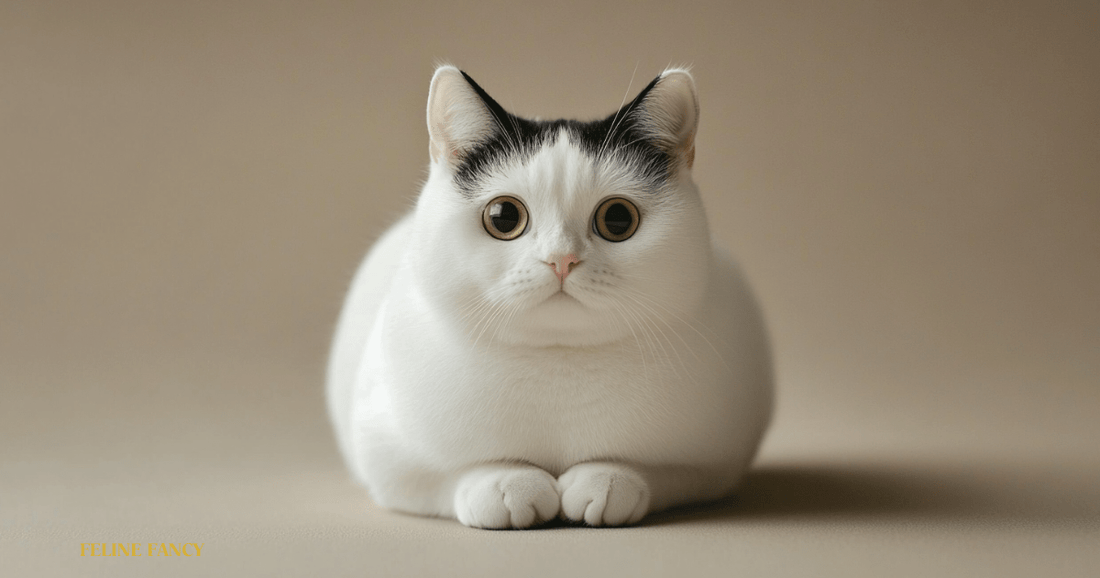
Japanese cats often showcase physical traits that are both elegant and unusual. Take the Japanese Bobtail, for example, which has a short, pom-pom tail instead of a long one like many other cats. This trait is not just cute but also a symbol of good luck in Japanese culture.
Another breed, the Kurilian Bobtail, stands out with its strong, muscular build and distinctive bobbed tail. These features make it look more like a wildcat compared to the sleek Siamese or the fluffy Persian.
Have you noticed how some Japanese breeds have a natural resistance to cold? The Kurilian Bobtail, for instance, has a thick double coat that helps it adapt to colder climates, unlike many other short-haired breeds.
Behavioral Differences
Japanese breeds often have unique personalities that influence how they interact with you and their environment. The Japanese Bobtail is known for being playful and social, often following their owners around like a dog. This behavior contrasts with some breeds that prefer more independence, such as the Russian Blue.
Kurilian Bobtails tend to be intelligent hunters with a strong prey drive. They enjoy interactive toys and games that challenge their minds, making them more active than many other breeds. If you want a cat that engages with you regularly, these breeds might be a better match.
Think about what you want in a cat’s personality. Would you prefer a lively companion that seeks constant interaction, or a calm pet that enjoys solitude? Japanese breeds offer a range of options that might surprise you.
Where To Find Japanese Cat Breeds
If you’re drawn to the unique charm of Japanese cat breeds, knowing where to find them is key. These breeds often carry stories and traits deeply connected to Japanese culture. Finding a healthy, well-cared-for cat means understanding the best sources, whether local or international.
Breeders And Adoption
Reputable breeders in Japan are your best bet for authentic Japanese cat breeds like the Japanese Bobtail and Kurilian Bobtail. These breeders focus on health, temperament, and breed standards, ensuring you get a genuine pet. Visiting breeders in person or checking verified online profiles can help you ask the right questions about the cat’s background and care.
If adopting is your preference, some animal shelters and rescue organizations in Japan occasionally have these breeds. Adoption lets you give a home to a cat that needs one, and you might find a rare Japanese breed waiting for you. However, availability varies, so staying in touch with local shelters can be a smart move.
International Availability
Japanese cat breeds have gained popularity worldwide, so you might find them through international breeders or breed-specific rescue groups. Countries like the US, UK, and Australia often have breeders specializing in Japanese breeds, making them more accessible outside Japan. However, be cautious—confirm the breeder’s reputation and health guarantees before committing.
Importing a cat from Japan involves paperwork, vaccinations, and quarantine rules. Are you prepared for the extra steps to bring a Japanese breed home? Research the regulations thoroughly to avoid surprises and keep your new pet safe and healthy during travel.
Frequently Asked Questions
What Are The Popular Cat Breeds From Japan?
Popular Japanese cat breeds include the Japanese Bobtail and Kurilian Bobtail. Both have unique physical traits and rich histories in Japan.
How Does The Japanese Bobtail Differ From Others?
The Japanese Bobtail has a distinctive short, curled tail. It symbolizes good luck and is featured in traditional Japanese art.
Are Japanese Cat Breeds Good For Families?
Yes, Japanese cat breeds are friendly and social. They adapt well to family environments and enjoy human interaction.
What Is The History Of The Japanese Bobtail Breed?
The Japanese Bobtail dates back centuries in Japan. It is often associated with folklore and believed to bring good fortune.
Conclusion
Japan has given the world some unique cat breeds. These cats show special traits and charm. They often have beautiful coats and playful natures. Many people enjoy their calm and friendly behavior. Knowing about these breeds helps us appreciate their history.
Each breed tells a story of Japan’s culture. Owning one can bring joy to any home. These cats fit well in families and apartments. They remind us how animals connect us to places. Exploring Japanese cat breeds opens a window to tradition and love for pets.


Leave a Reply