Choosing the perfect cat breed for your home can feel overwhelming. You want a furry friend that fits your lifestyle, personality, and space.
But with so many breeds out there, how do you know which ones are the best house cats? This guide will help you discover the breeds that are loving, low-maintenance, and great companions indoors. By the end, you’ll feel confident about bringing the right cat into your life—one that makes your house feel truly like home.
Keep reading to find your ideal feline match!

Credit: www.latimes.com
Traits Of Ideal House Cats
Choosing the right cat breed for your home means understanding key traits. Ideal house cats have qualities that fit indoor life well. These traits help cats live happily and safely inside.
Comfort, peace, and companionship matter most. Traits like gentle nature, flexibility, and balanced energy make cats great house pets. Let’s explore these traits in detail.
Temperament
House cats should have calm and friendly temperaments. They enjoy human company and show affection without being too needy. Cats with gentle behavior fit well into families and small spaces. They handle quiet environments and like gentle play. Avoid overly aggressive or shy cats. Friendly cats adapt better to indoor living and new people.
Adaptability
Good house cats adjust easily to change. They handle new routines, sounds, and spaces without stress. Adaptable cats accept being indoors and enjoy interaction with family. They tolerate being alone for short times. Cats that resist change may become anxious or destructive. Choosing breeds known for flexibility keeps your home peaceful.
Activity Levels
Ideal indoor cats have moderate energy levels. They like playtime but also enjoy resting calmly. High-energy cats need more space and stimulation. Low-energy cats may become lazy or overweight. Look for breeds that balance activity with relaxation. This balance helps maintain your cat’s health and happiness inside.
Top Friendly Cat Breeds
Friendly cat breeds make great companions for any home. They enjoy being around people and adapt well to family life. These cats often seek attention and love to cuddle. Their calm and gentle nature fits well with kids and other pets.
Here are some of the top friendly cat breeds known for their sweet and loving temperament.
Ragdoll
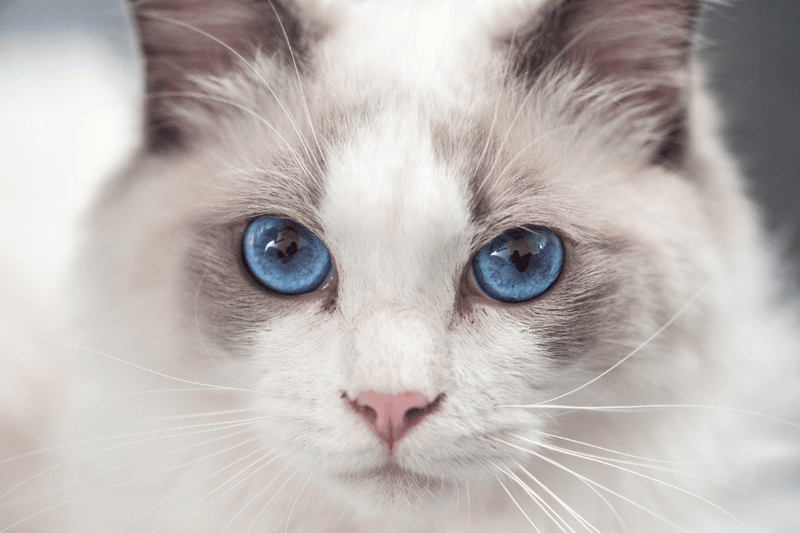
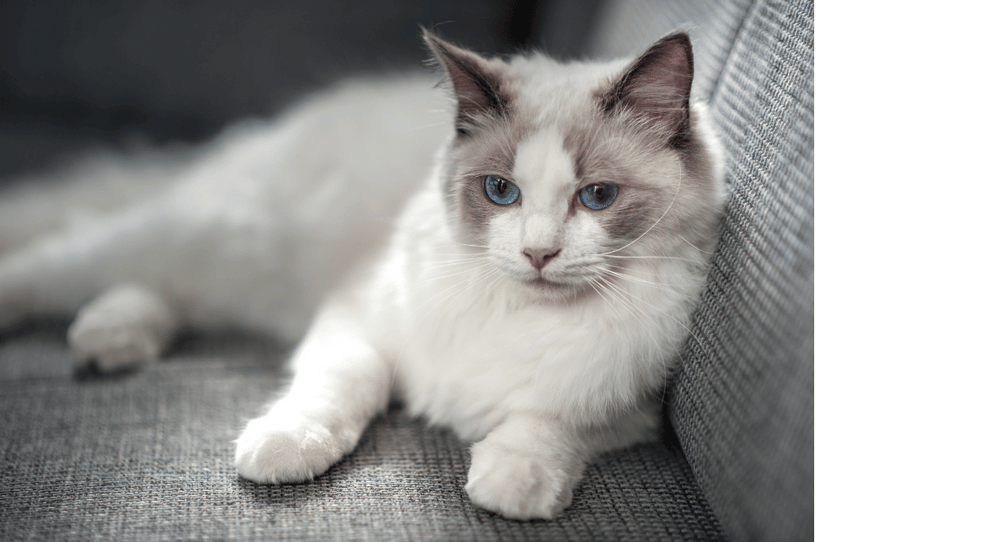
Ragdolls are famous for their relaxed and gentle personality. They often go limp when picked up, showing their trust. These cats enjoy being held and follow their owners around the house. Their soft, silky fur and striking blue eyes add to their charm.
Siamese
Siamese cats are talkative and social. They form strong bonds with their owners and enjoy interactive play. Their sleek bodies and almond-shaped blue eyes make them stand out. Siamese cats love being the center of attention and can be quite affectionate.
Maine Coon
Maine Coons are large, friendly cats with a playful spirit. They have thick fur and tufted ears that give them a wild look. These cats are gentle giants who enjoy being part of the family. They adapt well to children and other pets.
Scottish Fold
Scottish Folds have unique folded ears and a sweet nature. They are calm and enjoy sitting close to their humans. These cats are easygoing and get along well with others. Their soft, round faces make them look extra cute.
Burmese
Burmese cats are lively and affectionate. They love to be involved in daily activities and seek attention. Their short, shiny coats and expressive eyes are eye-catching. Burmese cats are known for their strong bonds with family members.
Low-maintenance Breeds For Homes
Choosing a low-maintenance cat breed can make your life easier, especially if you have a busy schedule or prefer a pet that doesn’t demand constant grooming and attention. These cats generally have calm temperaments, simple grooming needs, and adapt well to indoor living. Let’s look at some breeds that fit perfectly into a relaxed home environment.
British Shorthair
The British Shorthair is known for its easygoing nature and plush, dense coat that doesn’t mat easily. You won’t need to brush them daily; a weekly grooming session is usually enough to keep their fur healthy. These cats are independent and enjoy quiet companionship, making them great for people who work long hours but want a loving pet.
They are not overly demanding but appreciate some playtime and affection on your terms. Does your lifestyle allow for a pet that respects your space yet offers warmth when you need it?
Russian Blue
Russian Blues have a short, dense double coat that requires minimal grooming, perfect for a low-maintenance household. Their calm and shy personality often means they are content staying indoors and relaxing quietly. You won’t have to worry about constant attention or elaborate care routines.
This breed tends to bond closely with one person but isn’t overly clingy. How important is a cat that can entertain itself but also offers a gentle, steady presence?
American Shorthair
American Shorthairs are well-known for their robust health and minimal grooming needs, thanks to their short, thick coat. They adapt easily to different living situations and are generally friendly without being overly demanding. You can expect a playful yet independent companion that fits well into a busy household.
Their easygoing attitude means fewer behavioral issues and a pet that fits smoothly into your daily routine. Could this breed be the low-maintenance friend you’ve been looking for?
Credit: www.bestlife4pets.com
Cats Great With Kids And Pets
Finding the right cat breed for a family with kids and pets is essential. Cats that are gentle and patient can create a harmonious home. Some breeds are better suited for this environment due to their friendly nature.
Birman
The Birman is a charming and affectionate breed. These cats are known for their gentle temperament. They love being around people and are patient with children. Birmans are also good with other pets. Their calm nature makes them easy to train and handle.
Tonkinese
Tonkinese cats are playful and sociable. They thrive in a lively household. These cats enjoy interacting with kids and other pets. Tonkinese are known for their curiosity and intelligence. They adapt well to new environments and situations. Their loving nature makes them a great choice for families.
Devon Rex
The Devon Rex is a fun-loving and active breed. These cats have a mischievous personality. They enjoy playing and are great with children. Devon Rex cats are also known for their friendly behavior with other pets. Their unique appearance and lively nature make them a delightful addition to any home.
Choosing The Right Cat For Your Lifestyle
Choosing the right cat breed for your lifestyle is essential to creating a happy home for both you and your feline friend. Every cat has unique needs and personalities that can either fit perfectly into your daily routine or create unexpected challenges. Understanding what suits your living situation, health considerations, and available time can make all the difference in your experience as a cat owner.
Space Considerations
How much room do you have for a cat to roam? Some breeds, like the Maine Coon, enjoy plenty of space to explore and climb, making them better suited for larger homes. On the other hand, smaller or more sedentary breeds like the British Shorthair adapt well to apartments or cozy living spaces.
If you live in a compact space, consider cats that don’t demand much territory or intense physical activity. Cats such as the Scottish Fold or the Ragdoll can comfortably thrive without vast areas to roam. Think about vertical space too—cat trees and shelves can add playgrounds without needing extra floor space.
Allergy-friendly Options
Do allergies affect you or someone in your household? Some cat breeds produce fewer allergens, which might help reduce allergic reactions. Breeds like the Siberian or Balinese are often recommended for allergy sufferers due to their lower levels of Fel d 1 protein.
However, no cat is completely hypoallergenic, so spending time with a breed before adopting can reveal how your allergies react. Regular grooming and cleaning also play a big role in managing allergens around your home. Could choosing a breed with less shedding improve your everyday comfort?
Time Commitment
How much time can you dedicate to your cat each day? Some breeds require more interaction and mental stimulation than others. Siamese cats, for instance, are highly social and need plenty of attention, while Persians tend to be more independent and calm.
Think about your work schedule and lifestyle. If you’re often busy or travel frequently, a low-maintenance breed might be a better fit. Cats like the British Shorthair or Exotic Shorthair manage well alone for longer periods without stress.
Matching a cat’s social and activity needs with your availability helps prevent behavioral issues and builds a stronger bond. Are you ready to offer the time and energy your chosen breed truly needs?

Credit: www.realtor.com
Tips For Welcoming A Cat Home
Welcoming a cat into your home is an exciting time. It needs careful planning to make your new pet feel safe. The right approach helps build a strong bond. Start by creating a calm and cozy environment.
Preparing Your Space
Choose a quiet room for your cat’s first stay. Provide essentials like food, water, and a litter box. Place a soft bed in a warm spot. Add toys to keep your cat entertained. Keep the area free from loud noises and sudden movements.
Initial Introduction
Let your cat explore the new space slowly. Avoid forcing contact or picking up your cat immediately. Allow your pet to approach you when ready. Keep other pets away at first. Speak softly and move gently to avoid scaring your cat.
Building Trust
Spend quiet time near your cat without pressure. Offer treats and gentle petting to create positive moments. Respect your cat’s signals to stop or move away. Establish a daily routine for feeding and playtime. Trust grows with patience and consistency.
Frequently Asked Questions
What Cat Breeds Are Best For Indoor Living?
Some of the best indoor cat breeds include Ragdoll, British Shorthair, Scottish Fold, and Persian. These cats adapt well to home environments, require moderate activity, and enjoy human interaction, making them ideal for house living.
Which Cat Breeds Are Most Affectionate With Families?
Ragdolls, Siamese, and Maine Coons are known for their affectionate nature. They bond closely with family members, are gentle with children, and thrive on social interaction, making them perfect family pets.
Are Hypoallergenic Cat Breeds Good For Houses?
Yes, breeds like the Siberian, Balinese, and Sphynx produce fewer allergens. They are suitable for people with allergies and still enjoy indoor living comfortably.
What Cat Breeds Are Low Maintenance For House Pets?
British Shorthairs and Scottish Folds require minimal grooming and are generally calm. These breeds are easy to care for and adapt well to indoor environments, making them low-maintenance house pets.
Conclusion
Choosing the best cat breed for your home brings joy and comfort. Each breed has unique traits that suit different lifestyles. Some cats love to play, while others enjoy quiet time. Think about your space, time, and family needs. A happy cat makes a happy home.
Spend time with cats before deciding. This helps you find the perfect match. Enjoy the journey of bringing a new friend home. Your right choice will bring years of love and fun.



Leave a Reply