Are you thinking about bringing a new feline friend into your home? Before you choose a breed, it’s important to know that some cat breeds are actually banned in the United States.
You might be surprised to learn which ones are off-limits and why. Understanding these restrictions can save you time, money, and heartache. Keep reading to discover which cat breeds you need to avoid and what makes them controversial. This knowledge will help you make the best choice for your family and your future pet.

Credit: www.aol.com
Banned Cat Breeds In The United States
The United States has specific rules about which cat breeds you can own. Some breeds are banned due to concerns about safety, local wildlife, or the breed’s history. Knowing these restrictions helps you avoid legal trouble and ensures you choose a pet that fits your lifestyle.
Banned Cat Breeds Due To Aggressive Behavior
Some cat breeds are banned because they are seen as potentially aggressive. The most commonly banned breed in this category is the Savannah Cat. These cats are a hybrid between domestic cats and wild servals, which can make them unpredictable.
Local authorities worry about their strong hunting instincts and size. If you want a cat that’s easygoing and safe around children, the Savannah might not be the best choice. Have you ever met a cat that seemed too wild to handle?
Breeds Restricted For Wildlife Protection
Certain states ban cat breeds that could threaten native wildlife. For example, the Chausie—a cross between domestic cats and jungle cats—is banned in some areas. These cats are excellent hunters and could disrupt local ecosystems.
Protecting wildlife is a serious concern. If you care about your environment, it’s worth considering how your pet impacts local animals. Do you know how your cat’s hunting habits affect birds and small mammals around your home?
Legal Issues With Exotic And Hybrid Cats
Exotic cat breeds often face strict regulations or outright bans. Breeds like the Serengeti Catand Caracal hybridsfall into this category. These cats have wild ancestry, which raises legal and ethical questions.
Owning one can require special permits or be illegal in some states. It’s important to check local laws before bringing home an exotic breed. Have you checked if your dream cat is allowed where you live?
How To Check Breed Restrictions In Your State
- Visit your state’s official wildlife or animal control website.
- Look for lists of banned or restricted breeds.
- Contact local animal shelters or veterinary offices for advice.
Doing this research saves you headaches and helps you pick a cat that fits both your home and the law. What steps will you take to ensure your new pet is welcome in your community?
Reasons Behind Breed Restrictions
Breed restrictions on cats often arise from concerns that affect public safety and animal welfare. These rules aim to prevent problems that some breeds might cause due to their nature or health. Understanding the reasons helps clarify why certain breeds face bans.
Safety Concerns
Some cat breeds are banned because they pose risks to people. Large or strong cats can injure others accidentally or during fights. Authorities want to avoid potential harm in homes and public places. Safety concerns also include the cat’s ability to escape or cause damage.
Behavioral Issues
Certain breeds show aggressive or unpredictable behavior more often. This behavior can make them hard to handle or dangerous around children and other pets. Restrictions help limit problems like scratching, biting, or loud noises. Behavioral traits play a key role in breed bans.
Health Risks
Some breeds have genetic health problems that cause suffering. These cats may need special care or treatment, which can be costly. Health risks also affect the cat’s quality of life and lifespan. Breed restrictions can protect both the animals and their owners from these issues.
States With Breed-specific Laws
Several states in the U.S. have laws targeting specific cat breeds, often because of concerns about behavior or safety. These breed-specific laws can affect your choice if you’re considering adopting or traveling with certain cats. Understanding which states have these rules helps you avoid surprises and ensures your feline friend stays safe and welcome.
California
California is known for strict pet regulations, but it does not have breed-specific bans on cats like some states do for dogs. Instead, it focuses more on general animal welfare laws. If you live in California, you can usually adopt any cat breed without worrying about legal restrictions.
New York
New York has some local ordinances that can affect specific breeds, especially in cities like New York City. Certain exotic or hybrid cats may require permits or face restrictions due to their wild ancestry. If you’re eyeing a Bengal or Savannah cat, check local laws carefully before bringing one home.
Florida
Florida enforces breed-specific laws primarily targeting wild or hybrid cats, such as servals and caracals. Domestic breeds generally face no restrictions, but exotic hybrids can require special licenses or be banned outright. Before adopting an unusual breed, verify Florida’s current rules to avoid fines or confiscation.
Other States
Many states have patchwork laws that vary widely, especially regarding exotic or hybrid cats. Some states ban breeds with wild ancestry, while others have no restrictions on domestic cats at all. It’s a good idea to research your state’s animal control website or contact local shelters before choosing a breed.
- Have you checked if your state requires permits for hybrid cats?
- Could breed-specific laws affect your future travel plans with your pet?
- What steps can you take to ensure your cat stays legally protected?
Commonly Banned Cat Breeds
In some regions, certain cat breeds face restrictions due to various reasons. These restrictions often arise from concerns about their wild ancestry or potential behavior issues. Understanding which breeds are commonly banned can help cat lovers make informed decisions.
Savannah Cats
Savannah Cats are a hybrid between a domestic cat and a serval. They possess a striking appearance with large ears and a sleek coat. Their wild ancestry makes them active and curious. Some areas ban them due to potential challenges in managing their high energy levels.
Bengal Cats
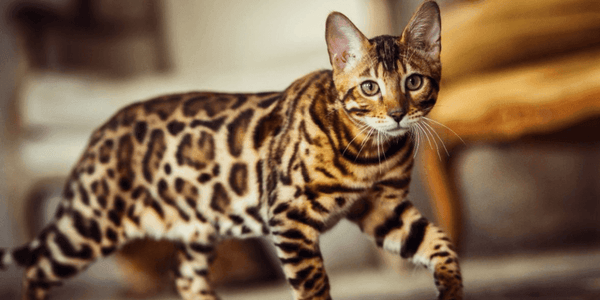
Bengal Cats are known for their beautiful, leopard-like spots. They descend from the Asian leopard cat, giving them a wild look. They are intelligent and playful, which can sometimes lead to mischievous behavior. This breed is banned in some regions due to their energetic nature and need for stimulation.
Chausie Cats
Chausie Cats originate from a mix of domestic cats and jungle cats. They are large, muscular, and have a keen hunting instinct. Their wild lineage contributes to their active and adventurous personality. Some regions ban them due to their size and potential for wild behaviors.
Impact On Cat Owners
The ban on certain cat breeds in the United States creates significant challenges for owners. This not only affects your ability to keep your pet but also comes with legal and emotional consequences. Understanding these impacts can help you prepare and make informed decisions about your furry friend’s future.
Legal Consequences
Owning a banned cat breed can lead to serious legal issues. You might face fines or be required to surrender your pet to authorities. Some states have strict enforcement, so staying informed about local laws is crucial.
Ignoring these rules can also result in court appearances or even criminal charges in extreme cases. Have you checked whether your cat’s breed is allowed in your area?
Relocation Challenges
Moving to a new state or city becomes complicated if your cat’s breed is banned there. You may have to leave your pet behind or find temporary care, which can be heartbreaking. It’s important to research regulations before relocating to avoid last-minute surprises.
Many owners share stories of stressful moves where finding pet-friendly housing was nearly impossible. What steps could you take to ensure your cat’s safety and your peace of mind during a move?
Alternatives For Ownership
If your cat’s breed is banned, you still have options to enjoy feline companionship. Consider adopting breeds that are legal and have similar characteristics. Shelters and rescues often have wonderful cats waiting for a loving home.
You might also explore breed mixes or look into breed-specific rescues that can help you find a compatible pet. Have you thought about the benefits of adopting a cat that fits within legal guidelines?
How To Verify Local Breed Restrictions
Verifying local breed restrictions is essential before bringing a new cat home. Restrictions can vary widely depending on where you live, and missing this step might lead to unexpected fines or having to rehome your pet. Understanding how to check these rules ensures you choose a cat breed that fits your community’s regulations and your lifestyle.
Checking State Regulations
State laws often set the baseline for breed restrictions. Visit your state’s official government website or department of agriculture page to find detailed information on which breeds might be banned or regulated.
Some states maintain clear lists of restricted breeds, while others require permits for certain cats. Knowing your state’s stance helps you avoid surprises after adoption.
Consulting Local Animal Control
Your local animal control office is a valuable resource for breed-specific rules in your city or county. These offices enforce animal laws and can give you up-to-date info on any local restrictions.
Calling or visiting them can also clarify whether any temporary restrictions exist, such as quarantine rules or new breed bans. This direct contact often provides the most reliable and current information.
Online Resources
Several websites compile breed restriction information by location, making research easier. Tools like municipal code libraries or pet advocacy sites can quickly show you banned breeds in your area.
However, always cross-check with official sources to confirm accuracy. Have you ever found conflicting info online? Verifying through official channels saves you from costly mistakes.
Future Of Cat Breed Legislation
The future of cat breed legislation is a topic that sparks strong opinions and ongoing debate. Laws that restrict certain breeds often aim to protect public safety, but they also raise questions about fairness and effectiveness. Understanding where these regulations might head next helps you stay informed and advocate for responsible pet ownership.
Potential Changes
Legislators are reviewing breed bans with more data on cat behavior and genetics. Some propose shifting from breed-specific rules to behavior-based assessments. This means your cat’s individual temperament could matter more than their breed.
Another change under discussion is the introduction of more clear and consistent guidelines across states. This would reduce confusion for pet owners moving between regions. Would you feel more secure if laws focused on how cats behave rather than what they look like?
Advocacy And Pet Owner Rights
Pet owners and advocacy groups are playing a bigger role in shaping breed legislation. They push for laws that protect both community safety and the rights of responsible cat owners. Sharing your story about your cat’s personality can influence lawmakers to rethink strict bans.
Joining local or national animal welfare organizations can amplify your voice. These groups often provide resources to help you understand your rights and how to advocate effectively. How much power do you think your personal experience with your cat holds in changing these laws?
Credit: pethelpful.com

Credit: www.yahoo.com
Frequently Asked Questions
Which Cat Breeds Are Banned In The United States?
Several exotic and wild cat breeds are banned in the U. S. , including Savannah cats and Bengal hybrids. These bans protect native wildlife and public safety. Regulations vary by state, so always check local laws before acquiring restricted breeds.
Why Are Some Cat Breeds Banned In The U.s.?
Certain cat breeds are banned due to their wild ancestry and potential danger. These cats may pose risks to people, pets, and the environment. Laws aim to prevent invasive species and protect native ecosystems from harm.
How To Check If A Cat Breed Is Banned In The U.s.?
To verify if a cat breed is banned, consult state wildlife agencies or local animal control websites. They provide updated lists of restricted breeds. You can also contact breeders or rescue groups for breed-specific legal information.
Are Exotic Cat Breeds Illegal To Own In All U.s. States?
No, exotic cat breed laws vary by state. Some states allow certain hybrids with permits, while others ban them outright. Always research specific state and local regulations before adopting or purchasing an exotic breed.
Conclusion
Certain cat breeds face bans due to safety and legal reasons. These rules protect people, other animals, and the environment. Knowing which cats are banned helps avoid legal trouble. Always check local laws before adopting a new pet. Choosing allowed breeds keeps your home safe and happy.
Understanding these restrictions shows care for your community and pets. Stay informed and make smart choices when adding cats to your family.

Leave a Reply