Have you ever wondered if your favorite cat or dog breed might have hidden health problems? Choosing a pet is exciting, but knowing about unhealthy traits in certain breeds can save you heartache and costly vet bills.
You’ll discover which breeds are more prone to health issues and why. Understanding these risks helps you make better decisions for your furry friend’s well-being. Keep reading to learn what signs to watch for and how to give your pet the healthiest life possible.
Credit: medium.com
Common Health Issues In Popular Dog Breeds
Popular dog breeds often come with specific health challenges that many owners may not anticipate. Understanding these common issues helps you prepare better care routines and spot problems early. Let’s take a closer look at some health concerns tied to well-loved dog breeds.
Breeds Prone To Respiratory Problems
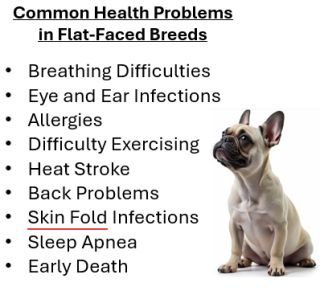
Some dog breeds have short noses and flat faces, making it hard for them to breathe properly. Bulldogs, Pugs, and Boston Terriers often struggle with what’s called brachycephalic airway syndrome. This can cause noisy breathing, snoring, and even difficulty exercising.
If you have one of these breeds, watch for signs like excessive panting or gagging. Avoid overheating them, especially in warm weather. Have you noticed your dog struggle after a short walk? That’s a warning sign worth a vet visit.
Genetic Disorders In Small Dogs
Small breeds like Dachshunds, Chihuahuas, and Maltese can carry inherited health problems that affect their daily lives. Dachshunds, for example, are prone to spinal disc issues due to their long backs. This can cause pain and mobility loss.
Regular vet checkups and careful handling are key to managing these risks. Ask your vet about any breed-specific genetic tests that might help catch problems early. Are you prepared to handle potential health challenges unique to your small dog?
Joint And Mobility Challenges
Large and active breeds such as German Shepherds, Labradors, and Golden Retrievers often face joint problems like hip dysplasia and arthritis. These issues can limit your dog’s movement and cause discomfort as they age.
Maintaining a healthy weight and providing joint supplements can make a big difference. Gentle exercise helps keep their joints flexible without causing strain. Have you noticed your dog hesitating before jumping or running? It might be time to check their joint health.

Credit: www.msn.com
Unhealthy Traits In Popular Cat Breeds
Popular cat breeds often carry specific health risks due to their genetics. These unhealthy traits can affect their quality of life and require careful attention from owners. Knowing about these risks helps in choosing the right breed and providing proper care.
Breeds With Heart Conditions
Some cat breeds are prone to heart problems like hypertrophic cardiomyopathy (HCM). Maine Coons and Ragdolls commonly face this issue. HCM causes thickening of the heart muscle. This condition can lead to heart failure or sudden death. Regular vet check-ups are crucial for early detection and management.
Respiratory Issues In Flat-faced Cats
Flat-faced breeds, such as Persians and Exotic Shorthairs, often have breathing difficulties. Their shortened noses cause airway blockage. This leads to noisy breathing, snoring, and poor oxygen flow. Respiratory problems can worsen in hot weather or during exercise. Owners should monitor their cats closely and avoid stress.
Genetic Eye And Kidney Disorders
Certain breeds carry genes linked to eye and kidney diseases. Siamese cats may develop progressive retinal atrophy, causing vision loss. Abyssinians are known for kidney problems like polycystic kidney disease (PKD). These conditions need regular screening. Early treatment can slow disease progression and improve life span.
Impact Of Selective Breeding On Pet Health
The impact of selective breeding on pet health is significant. Breeders often focus on specific traits, like appearance or behavior. This focus can lead to health issues in pets. These issues can affect their quality of life and longevity.
How Appearance Affects Longevity
Many breeders aim for specific looks. This often means extreme features. Flat faces in dogs and cats, for example. These features can cause breathing problems. Short legs in some breeds can lead to joint issues. These health problems can shorten a pet’s life.
Common Genetic Bottlenecks
Selective breeding reduces genetic diversity. This creates genetic bottlenecks. A small gene pool can increase hereditary diseases. Hip dysplasia in large dogs is common. Heart issues in some cat breeds are too. These diseases are passed to future generations.
Ethical Concerns In Breeding Practices
Breeding for appearance raises ethical questions. Is it right to prioritize looks over health? Many argue it is not. Some breeds suffer greatly due to their genetic makeup. This suffering questions the morality of current breeding practices. Responsible breeding should focus on health and well-being.

Credit: www.blackburnromey.com
Recognizing Signs Of Health Problems Early
Recognizing signs of health problems early in cats and dogs can make a huge difference in their quality of life. Some breeds carry specific risks, and catching issues before they escalate helps you take action faster. Being alert to subtle changes in your pet’s behavior or appearance can save them from discomfort and costly treatments.
Behavioral Indicators
Watch how your pet acts daily. Sudden changes like increased aggression, withdrawal, or excessive sleeping might point to pain or illness. For example, a usually playful dog that becomes lethargic might be signaling joint pain or heart problems.
Look out for restlessness or difficulty settling down. Dogs with breathing issues or cats with urinary problems often show signs through their behavior first. Do you notice your pet pacing or struggling to get comfortable? These clues should prompt a closer look.
Physical Symptoms To Watch
Physical changes often reveal underlying health problems. Notice if your pet has persistent coughing, sneezing, or nasal discharge—common signs in breeds prone to respiratory issues. Swelling, lumps, or unusual skin conditions should never be ignored, especially in breeds susceptible to tumors or allergies.
Pay attention to your pet’s eyes and ears too. Redness, discharge, or cloudiness might indicate infections or breed-specific conditions like cataracts or ear mites. Don’t overlook changes in appetite or weight; these are often the first visible signs of internal problems.
Importance Of Regular Vet Checkups
Regular veterinary visits are essential for early detection of breed-related health problems. Some conditions develop silently and only become obvious when they’re advanced. Your vet can spot signs you might miss and recommend screenings tailored to your pet’s breed.
Keep a record of any changes you observe and share them during checkups. This proactive approach helps your vet catch issues early and tailor treatments effectively. How often do you schedule your pet’s vet visits? More frequent checkups can be a crucial step toward a longer, healthier life for your furry friend.
Choosing Healthier Breeds And Alternatives
Choosing healthier breeds and alternatives is key to enjoying a long, happy life with your pet. Some breeds carry genetic health problems that can lead to expensive vet bills and heartbreak. But you don’t have to settle for that—you can pick pets that are naturally more resilient and better suited to your lifestyle.
Mixed Breeds With Fewer Health Risks
Mixed breed dogs and cats often benefit from greater genetic diversity, which can reduce the chance of inherited diseases. If you want a companion with fewer health issues, consider adopting a mixed breed from a shelter or rescue.
Many mixed breeds combine the best traits of their parents, leading to stronger immune systems and fewer chronic problems. Have you noticed how some mixed dogs seem to live longer and stay active well into their senior years?
Breeds Known For Longevity
Certain breeds are well-known for their longer lifespans and robust health. For dogs, breeds like the Australian Cattle Dog and Chihuahua tend to live 12-15 years or more with fewer serious health problems.
In cats, breeds such as the Siamese and Burmese often enjoy long, healthy lives. Choosing these breeds can increase your chances of having a loyal companion for many joyful years.
Adopting Responsibly
Adopting a pet is a big responsibility that goes beyond looks or popularity. Research the breed’s common health concerns and ask shelters or breeders detailed questions.
Look for animals with clear health histories and ask about any screenings or vaccinations. Your choice can make a difference in the quality and length of your pet’s life.
Frequently Asked Questions
What Dog Breeds Have Common Unhealthy Traits?
Certain dog breeds like Bulldogs and Dachshunds often face respiratory and spinal issues. These traits arise due to selective breeding for appearance over health.
Which Cat Breeds Are Prone To Genetic Diseases?
Persian and Siamese cats often suffer from hereditary problems like kidney disease and respiratory issues. These breed-specific traits require careful health monitoring.
Why Do Some Breeds Have More Health Problems?
Selective breeding for specific physical traits can lead to genetic weaknesses. This increases the risk of health complications in certain cat and dog breeds.
Can Unhealthy Traits Affect Pet Lifespan?
Yes, breeds with unhealthy traits often have shorter lifespans. Early medical care and responsible breeding can help improve their quality of life.
Conclusion
Choosing a pet means thinking about health risks too. Some dog and cat breeds carry traits that cause illness. Knowing these traits helps you care for pets better. It also guides you to pick a breed that fits your lifestyle.
Healthy pets live longer and feel happier. Always check breed information before adopting. This way, you give your pet a good life. Care and knowledge make a big difference for every animal. Keep learning and stay aware to protect your furry friends.



Leave a Reply