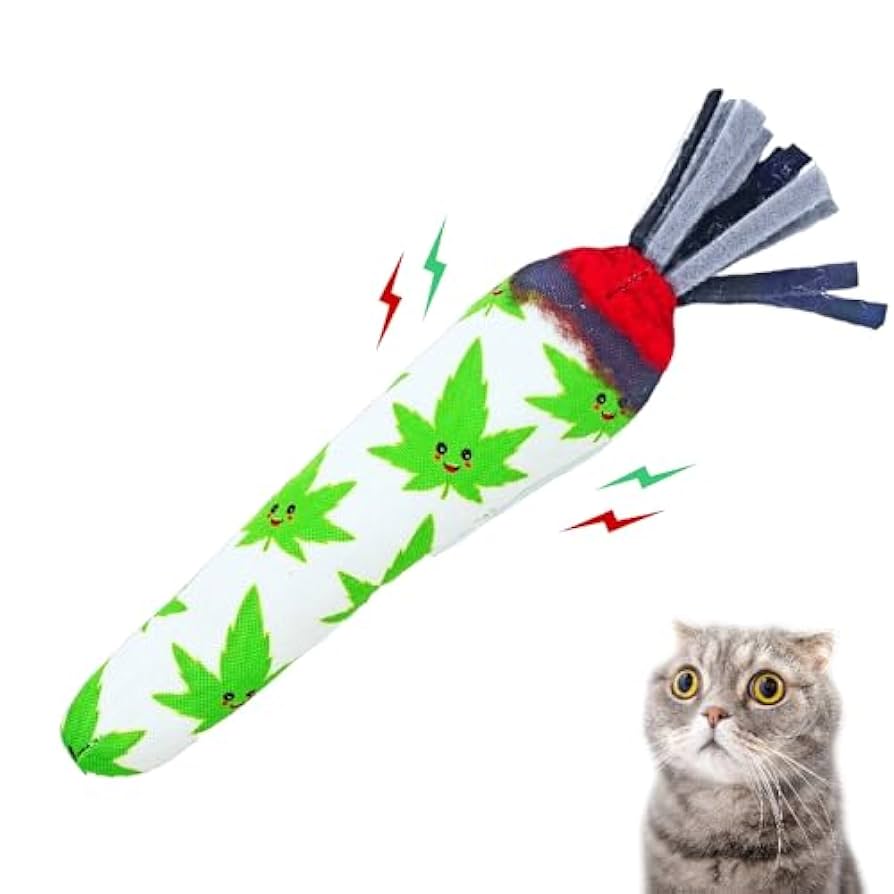
If you’re a cat owner, you’ve probably seen your furry friend go wild for a catnip toy. But you might be wondering—can cats have a catnip toy unsupervised?
You want your pet to enjoy their playtime safely, without you constantly watching over them. You’ll discover the surprising truth about catnip toys, how they affect your cat, and what you need to know to keep your feline happy and safe.
Keep reading to find out if letting your cat play alone with their favorite toy is a good idea.
Credit: lifeandcats.com
Catnip And Cat Behavior
Understanding how catnip influences your cat’s behavior is key to deciding if they can play with a catnip toy unsupervised. Catnip is more than just a fun treat; it triggers specific reactions that affect your cat’s mood and activity. Knowing what to expect helps you keep your furry friend safe and happy during playtime.
How Catnip Affects Cats
Catnip contains a compound called nepetalactone, which interacts with receptors in your cat’s nose. This interaction stimulates the brain and creates temporary feelings of euphoria or excitement. Not every cat reacts to catnip—about 30% of cats show little to no response due to genetics.
The effects usually last around 10 to 15 minutes, followed by a period where your cat won’t respond to catnip again for a while. Some cats become playful and energetic, while others might become calm or even a bit sleepy. Knowing your cat’s unique reaction helps you decide how often and how long they should have access to catnip toys.
Common Reactions To Catnip Toys
When your cat encounters a catnip toy, you might see a range of behaviors:
- Rolling around and rubbing their face on the toy
- Purring loudly or meowing more than usual
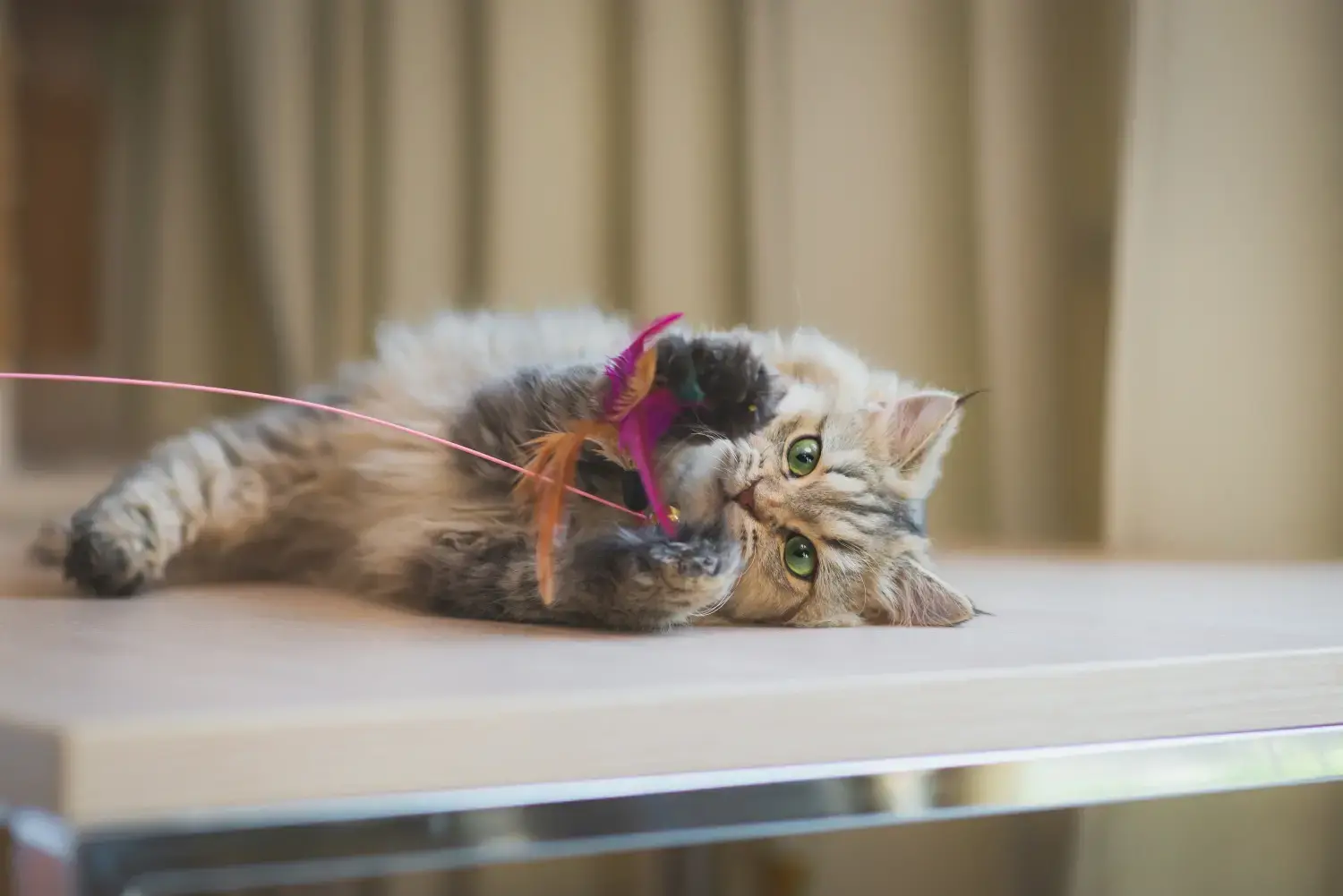
- Chasing, biting, or kicking the toy with their back legs
- Sudden bursts of energy and playful antics
- Occasionally, some cats may become more relaxed or even a little aggressive
These reactions are usually harmless, but if your cat tends to get overly aggressive or frantic, unsupervised play with catnip toys might not be safe. Have you noticed any intense behavior in your cat after using catnip? Watching closely during initial play sessions can reveal if unsupervised time is a good idea.
Credit: blog.homesalive.ca
Risks Of Unsupervised Play
Letting your cat play with a catnip toy unsupervised might seem harmless, but it carries certain risks you need to consider. Cats are curious creatures and can sometimes get themselves into trouble without your watchful eye. Understanding these risks helps you protect your furry friend and keep playtime safe and fun.
Choking Hazards
Catnip toys often contain small parts, like bells or loose stitching, that can come off during play. If your cat chews aggressively, these tiny pieces can become choking hazards. Have you ever seen your cat swallow something unexpected? It’s a scary moment that can happen faster than you think.
Always inspect toys regularly for damage. If you notice any loose bits, remove the toy immediately. Choosing well-made, durable toys can reduce this risk significantly.
Toxicity Concerns
Not all catnip toys are created equal. Some cheaply made toys might contain harmful chemicals or dyes that can be toxic if ingested. Even natural catnip, when consumed in large amounts, can upset your cat’s stomach.
Check labels carefully and buy from reputable brands. If your cat starts drooling excessively or shows signs of vomiting after playing, it might be time to rethink the toy choice. Would you want your cat exposed to unknown substances without supervision?
Overstimulation Issues
Catnip can cause your cat to become overly excited or aggressive during play. Without you around, this overstimulation can lead to destructive behavior or even accidental injury. Have you noticed your cat suddenly darting around wildly after a catnip session?
Limiting playtime and supervising can help manage this energy. Giving your cat breaks between play sessions prevents them from getting overwhelmed. Your presence can help calm your cat and ensure play stays safe and enjoyable.
Choosing Safe Catnip Toys
Cats enjoy catnip toys, but supervision is key to avoid choking or swallowing small parts. Choose toys made from safe, durable materials that won’t break easily. Always watch your cat play to keep them safe and happy.
Choosing Safe Catnip Toys When you’re choosing a catnip toy for your feline friend, ensuring the toy’s safety is paramount. A fun plaything can quickly turn hazardous without the right considerations. Let’s dive into what makes a catnip toy safe for unsupervised play.Material Safety
Always check the materials used in the toy. Opt for non-toxic, pet-safe fabrics like cotton or felt. Avoid toys with small parts that could be swallowed, such as beads or buttons. If you’re unsure about a material’s safety, stick to well-known brands that prioritize pet health. Your cat deserves a toy that’s both fun and safe.Durability And Construction
A toy’s durability is as important as its materials. Look for toys that are stitched well and can withstand your cat’s playful attacks. Flimsy toys may fall apart, posing a choking hazard. Cats are notorious for their sharp claws and teeth. Ensure the toy can handle their enthusiasm without tearing easily.Size And Shape Considerations
The toy’s size should match your cat’s size. A small toy can be a choking risk for larger cats. Conversely, a toy that’s too big may not engage a smaller cat. Think about the toy’s shape too. Avoid those with sharp edges or points that could harm your cat during play. Your cat deserves a toy that’s both fun and safe. By considering these factors, you ensure your pet’s playtime is joyful and risk-free. So, next time you’re shopping for a catnip toy, remember to choose wisely!Monitoring Catnip Toy Use
Keeping an eye on how your cat interacts with a catnip toy is key to making sure playtime stays fun and safe. While catnip toys can bring lots of joy, too much excitement or constant use might lead to problems. Watching your cat’s behavior closely helps you spot any signs that they might be overdoing it or feeling stressed.
Signs Of Overuse
Overuse of catnip toys can show up in different ways. Your cat might:
- Become overly hyperactive or restless after playtime.
- Start chewing or scratching the toy aggressively beyond normal play.
- Ignore other toys or usual activities, focusing only on the catnip toy.
- Show signs of irritability or agitation when the toy is taken away.
If you notice these signs, it’s a good idea to limit access to the toy and offer other forms of stimulation. Have you ever seen your cat get too fixated on a toy? That’s a clue that moderation is needed.
Behavioral Changes To Watch For
Catnip can affect each cat differently, so watching for changes in behavior is important. Look for shifts such as:
- Increased vocalization or unusual meowing after playing.
- Changes in appetite or sleeping patterns.
- Signs of anxiety or withdrawal when the toy is not available.
- Overgrooming or restlessness in general.
These changes might mean your cat is feeling overwhelmed. What would you do if your pet suddenly started acting out after playtime? Adjusting how often and how long your cat plays with a catnip toy can help keep their mood balanced and their play healthy.
Alternatives To Catnip Toys
Some cats do not respond to catnip or may have allergies. Others may become too excited or aggressive with catnip toys. Safe alternatives offer variety and keep cats engaged. These options provide fun without the risks linked to catnip.
Herbal Options
Many herbs stimulate cats in a gentle way. Valerian root is popular for its calming effects. Silvervine is another favorite that excites cats naturally. Tatarian honeysuckle wood can also attract feline interest. These herbs provide safe, natural scents. You can find toys filled with these herbs or use them fresh.
Interactive Toys
Interactive toys encourage movement and mental activity. Battery-operated toys mimic prey with movement and sounds. Puzzle feeders challenge cats to earn treats. Feather wands and laser pointers invite play and exercise. These toys keep cats busy and reduce boredom. They also help cats stay fit and sharp.
Tips For Safe Catnip Playtime
Catnip toys can be a delightful source of fun for your feline friend, but ensuring safe playtime is essential. Without proper precautions, what seems like harmless excitement can sometimes lead to overstimulation or accidents. Paying attention to how and when your cat interacts with their catnip toy can make all the difference in keeping playtime both enjoyable and safe.
Setting Time Limits
Too much of a good thing can overwhelm your cat. Limiting catnip play to about 10-15 minutes at a time helps prevent overstimulation and keeps your cat interested over the long run.
Watch for signs like frantic biting or excessive drooling—these may mean it’s time to pause the fun. You might notice your cat becomes calmer or even disinterested after a short session, which is your cue to let them take a break.
Have you ever noticed how your cat acts after a long play session? Use those observations to set personalized time limits that suit your cat’s unique personality.
Creating A Safe Play Environment
Your cat’s play area should be free from hazards like sharp edges, small objects they could swallow, or tangled cords that might cause injury. Make sure the space is quiet enough to let your cat focus and feel secure.
Placing the catnip toy on a soft surface, like a carpet or cat bed, can reduce the risk of slips or falls during energetic play. Also, keep an eye on the toy’s condition—discard it if it starts falling apart to avoid choking hazards.
Think about where your cat usually feels most relaxed—could that be the best spot for their catnip toy? Creating a safe and familiar environment encourages positive and stress-free play.

Credit: www.amazon.com
Frequently Asked Questions
Can Cats Safely Play With Catnip Toys Alone?
Yes, most cats can safely enjoy catnip toys unsupervised. However, monitor for any aggressive behavior or chewing hazards. Remove toys if damaged.
How Often Should Catnip Toys Be Given To Cats?
Limit catnip toy use to a few times a week. Overuse can lead to decreased sensitivity or overstimulation in cats.
What Are The Risks Of Unsupervised Catnip Toy Play?
Risks include choking on small parts, ingesting stuffing, or aggressive play. Choose durable toys and check regularly for damage.
Do All Cats React To Catnip Toys The Same?
No, about 50-70% of cats respond to catnip. Sensitivity depends on genetics, age, and individual preference.
Conclusion
Cats enjoy catnip toys, but safety matters most. Small, durable toys reduce choking risks. Watch your cat first to see how they react. Some cats can handle toys alone, others need supervision. Always choose quality toys made for cats. Keep playtime fun and safe.
This helps your cat stay happy and healthy. Let your cat enjoy, but stay alert to avoid problems. A little care goes a long way.

Leave a Reply