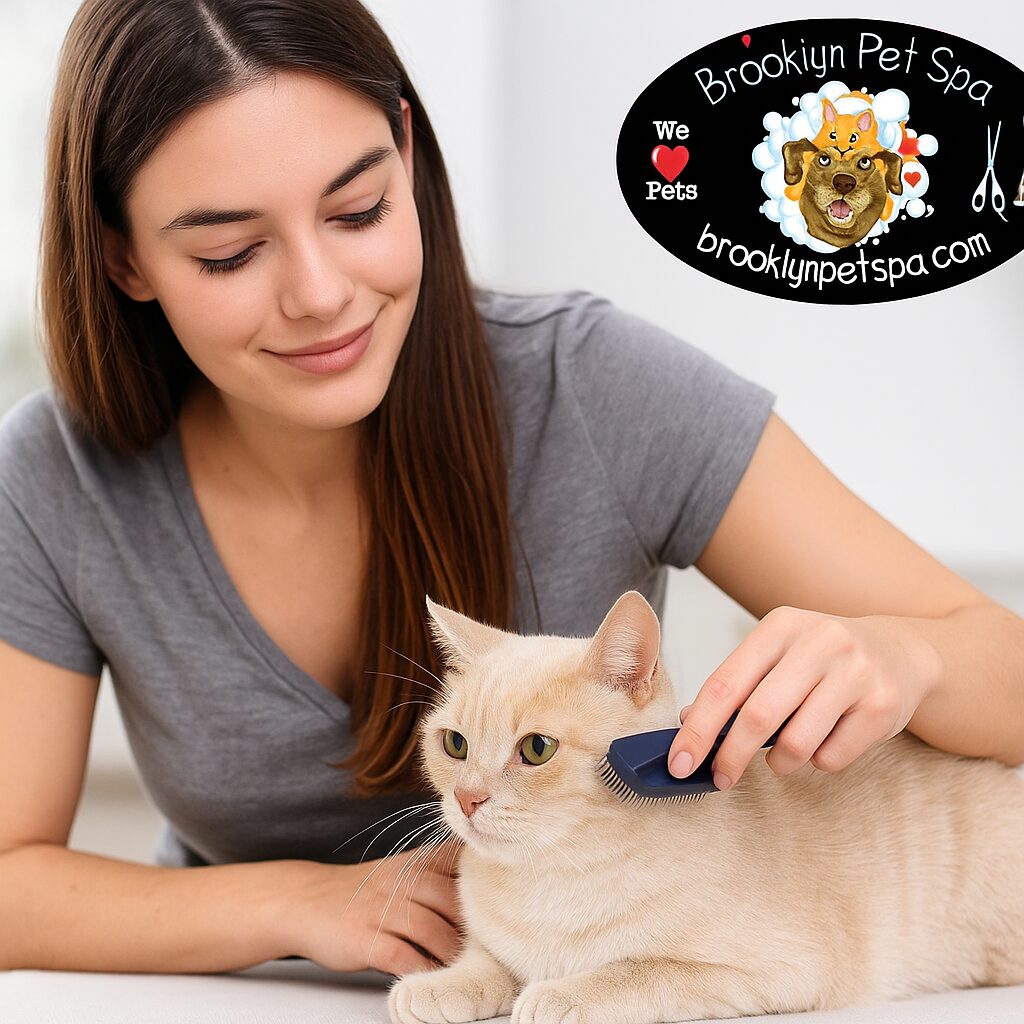
Are you wondering how to keep your cat looking and feeling their best? Grooming is a key part of your cat’s health and happiness, but it can be tricky to know what products or tools are safe and effective.
You want to give your furry friend the best care without causing stress or harm. You’ll discover simple, practical options you can use to groom your cat at home. By the end, you’ll feel confident about making grooming a positive experience for both you and your pet.
Keep reading to learn exactly what you can give your cat for grooming and how to do it right.

Credit: www.amazon.com
Cat Grooming Basics
Grooming is an essential part of caring for your cat. It keeps your cat clean and healthy. Grooming also helps to prevent hairballs and matting. It is a good way to check for skin problems or parasites. Cats enjoy gentle brushing and it can strengthen your bond.
Why Grooming Matters
Grooming removes loose fur and dirt from your cat’s coat. It helps spread natural oils, keeping fur shiny and soft. Regular grooming reduces shedding and hairballs. It also prevents painful mats and tangles. Grooming allows early detection of skin issues or parasites. Your cat will feel more comfortable and relaxed.
How Often To Groom Your Cat
The frequency of grooming depends on your cat’s coat type. Short-haired cats need less grooming, about once a week. Long-haired cats require daily brushing to avoid tangles. Older or less active cats may need more help grooming. Pay attention to your cat’s skin and fur condition. Adjust grooming sessions to keep your cat clean and happy.
Essential Grooming Tools
Grooming your cat is important for their health and happiness. Using the right tools makes grooming easier and safer. Essential grooming tools help remove loose fur, prevent mats, and keep your cat clean and comfortable.
Choosing proper tools also reduces stress for your cat. It creates a positive grooming experience. Every cat has different needs, so having a variety of tools is helpful.
Types Of Brushes And Combs
Brushes and combs remove dirt and loose fur. They help prevent hairballs and mats.
- Slicker brushes:Great for removing tangles and loose hair from medium to long fur.
- Bristle brushes:Ideal for short-haired cats to remove dirt and spread natural oils.
- Comb:Useful for checking mats and removing fleas or debris.
Nail Clippers And Trimmers
Clipping nails prevents scratches and overgrowth. It keeps your cat’s paws healthy.
- Scissor-style clippers:Easy to handle and good for small nails.
- Guillotine clippers:Cut nails quickly and cleanly with a simple squeeze.
- Nail grinders:Smooth rough edges after clipping and are quieter for sensitive cats.
Cat-friendly Shampoos
Use shampoos made for cats to avoid skin irritation. These shampoos are gentle and safe.
- Hypoallergenic shampoos:Best for cats with sensitive skin or allergies.
- Medicated shampoos:Help treat skin problems like fleas or infections.
- Oatmeal shampoos:Soothe dry and itchy skin while cleaning.
Safe Grooming Products
Choosing safe grooming products for your cat is crucial for their health and comfort. Using the wrong items can irritate their skin or cause allergic reactions. You want products that are gentle yet effective, ensuring your cat enjoys grooming time without any risk.
Choosing Non-toxic Options
Always look for grooming products labeled as non-toxic. These are made with ingredients that won’t harm your cat if ingested or absorbed through the skin. Cats often lick themselves after grooming, so safety is more than just skin deep.
Natural ingredients like aloe vera, chamomile, and oatmeal are good signs. Avoid products with artificial fragrances and dyes because they can cause allergic reactions. Have you ever noticed your cat scratching more after a bath? It might be due to harsh chemicals in the shampoo or conditioner.
Avoiding Harmful Ingredients
Be vigilant about what’s inside the grooming products you pick. Ingredients like parabens, sulfates, and phthalates can be toxic to cats. These chemicals may disrupt your cat’s skin barrier or cause long-term health issues.
Check labels carefully and avoid anything with alcohol or strong detergents that strip natural oils. Instead, choose formulas specifically made for cats. If your cat has sensitive skin, hypoallergenic products can reduce the chance of irritation.
Have you ever read the fine print on your cat’s grooming supplies? Taking a moment to understand the ingredients can save your furry friend from discomfort and keep grooming a positive experience.

Credit: www.latimes.com
Diy Grooming Tips
Natural brushes and gentle combs work well for cat grooming at home. Providing pet-safe shampoos and treats helps keep your cat calm and clean. Regular brushing reduces hairballs and keeps fur shiny and healthy.
Grooming your cat at home can be a rewarding experience for both you and your feline friend. By incorporating a few DIY grooming tips, you can maintain your cat’s health and keep its fur looking pristine. These simple yet effective techniques ensure that your cat remains comfortable and stress-free during the grooming process.Brushing Techniques
Regular brushing is key to preventing hairballs and keeping your cat’s coat shiny. Use a brush suited to your cat’s fur type; a soft bristle brush works well for short-haired cats, while a slicker brush is ideal for long-haired breeds. Start by gently brushing in the direction of hair growth to avoid discomfort, and reward your cat with treats to create a positive association.Bathing Your Cat Safely
Cats typically do not require frequent baths, but when necessary, ensure the experience is as stress-free as possible. Use lukewarm water and a cat-friendly shampoo. Ensure the bathroom is quiet and calm, then carefully lather and rinse your cat, taking care to avoid their eyes and ears.Handling Mats And Tangles
Mats and tangles can be uncomfortable for your cat, so it’s important to address them promptly. Use a detangling spray to make the process easier. Gently work through the mat with your fingers or a mat splitter, and consider seeking help from a professional groomer if the mat is too severe.Special Care For Different Cat Types
Every cat is unique, and their grooming needs vary widely depending on their type. Tailoring your grooming routine to fit your cat’s specific coat and age can make a big difference in their comfort and health. Let’s look at how you can give the best care to different types of cats.
Long-haired Cats
Long-haired cats need daily brushing to prevent mats and tangles. Using a wide-toothed comb followed by a soft brush helps remove loose fur and reduces shedding around your home.
Try to make grooming a calm, enjoyable experience. I once helped a friend with her Persian cat who hated brushes, so we used a grooming glove instead. The cat responded better, proving that adapting tools can make grooming easier for both of you.
- Use detangling sprays designed for cats if mats appear.
- Check ears and eyes frequently for debris since long hair can trap dirt.
- Trim hair around the rear to keep your cat clean after litter box visits.
Short-haired Cats
Short-haired cats generally require less grooming, but regular brushing still helps reduce shedding and hairballs. A rubber brush or grooming mitt works well to capture loose fur without irritating the skin.
Think about your cat’s activity level. If your short-haired cat spends a lot of time outdoors, check for ticks and dirt during grooming sessions. This keeps your cat healthy and your home cleaner.
- Brush two to three times a week to maintain a shiny coat.
- Wipe with a damp cloth occasionally to remove dust and allergens.
- Keep an eye on skin for dryness or irritation, especially in winter.
Senior Cats
Older cats often groom less effectively due to arthritis or dental issues. You might need to step in more frequently to help with brushing and cleaning.
Be gentle and patient. My elderly cat once showed resistance to grooming, so I shortened sessions and gave treats afterward. That small change helped build trust and made grooming less stressful.
- Use soft brushes to avoid hurting sensitive skin.
- Check for lumps, bumps, or unusual fur loss during grooming.
- Consider a vet check if grooming becomes difficult or your cat seems in pain.

Credit: www.amazon.com
When To Seek Professional Grooming
Knowing when to seek professional grooming for your cat is important. Some grooming tasks require special skills and tools to keep your cat healthy and comfortable.
Professional groomers can handle difficult mats, nail trimming, and bathing safely. They also spot skin problems or infections early.
Signs Your Cat Needs Expert Help
- Your cat has thick mats that won’t brush out.
- Claws are overgrown or curling into paw pads.
- Your cat shows signs of skin irritation or infection.
- Shedding is excessive and causes hairballs often.
- Your cat resists grooming and becomes stressed.
- Regular baths at home cause stress or injury risks.
Finding A Trusted Groomer
Choose a groomer who specializes in cats. Ask about their experience and grooming methods.
Look for clean facilities and gentle handling of animals. Check reviews from other cat owners.
Visit the groomer first to see how they treat cats. Make sure they use safe products and tools.
Discuss your cat’s specific needs before the appointment. Clear communication helps avoid stress for your cat.
Frequently Asked Questions
What Are The Best Grooming Tools For Cats?
The best grooming tools include a soft bristle brush, metal comb, and nail clippers. These help remove loose fur and prevent matting. Choose tools suitable for your cat’s fur type and sensitivity to ensure comfort during grooming sessions.
Can I Use Human Shampoo For Cat Grooming?
No, never use human shampoo on cats. Cats have sensitive skin and different pH levels. Always use shampoos specifically formulated for cats to avoid irritation and skin problems. Consult your vet for recommended grooming products.
How Often Should I Groom My Cat?
Groom your cat at least once a week. Long-haired cats may require daily grooming to prevent mats. Regular grooming reduces shedding, keeps the coat healthy, and strengthens your bond with your cat.
Are Grooming Wipes Safe For Cats?
Yes, grooming wipes made for cats are safe and convenient. They help clean fur and remove dirt between baths. Avoid wipes with harsh chemicals or fragrances, and always check ingredient labels before use.
Conclusion
Giving your cat the right grooming tools keeps them healthy and happy. Regular brushing removes loose fur and prevents mats. Use gentle shampoos made for cats to avoid skin problems. Nail clippers help keep claws safe and neat. Treat your cat with patience and care during grooming time.
Small steps make grooming easier for both of you. Your cat will feel comfortable and loved every day. Simple grooming routines improve your cat’s health and mood. Start today and enjoy a stronger bond with your pet.




Leave a Reply