Do you ever wonder if your furry friend could be carrying something that might affect your health? Cats are lovable companions, but they can sometimes pass on germs or parasites without you even realizing it.
Understanding what you can catch from your cat is important for keeping both you and your pet safe. You’ll discover the common health risks, how to spot warning signs, and simple steps to protect yourself. Keep reading—your health and your cat’s well-being depend on it.
Credit: www.diamondpet.com
Common Zoonotic Diseases
Cats are wonderful companions but can carry germs that affect humans. These germs cause zoonotic diseases. Understanding these diseases helps keep both you and your cat safe. This section covers common zoonotic diseases from cats.
Cat Scratch Disease
Cat scratch disease comes from bacteria in cat saliva. It spreads through scratches or bites. Symptoms include swollen lymph nodes, fever, and tiredness. The illness usually goes away with proper care. Avoid rough play to reduce risk.
Ringworm Infection
Ringworm is a fungal infection, not an actual worm. It causes red, itchy skin patches. Cats can pass it through direct contact or shared items. Clean your hands and cat’s bedding regularly. Treatment involves antifungal creams and vet visits.
Toxoplasmosis Risks
Toxoplasmosis is caused by a parasite found in cat feces. People get it by touching contaminated litter boxes or soil. It can cause flu-like symptoms or no symptoms at all. Pregnant women should be very careful to avoid infection.
Credit: www.carecredit.com
Parasites Transmitted By Cats
Cats are wonderful companions, but they can also carry parasites that may affect your health. These tiny invaders often go unnoticed but can cause serious issues if not addressed. Knowing which parasites cats can transmit helps you protect yourself and your loved ones effectively.
Fleas And Ticks
Fleas and ticks are common external parasites that latch onto cats and can bite you too. Fleas cause itching and can transmit diseases like cat scratch fever and tapeworms. Ticks may carry Lyme disease and other infections that affect both pets and humans.
Have you ever felt itchy after petting your cat? That might be fleas or ticks hitching a ride. Regularly check your cat’s fur, especially after outdoor time, and use vet-recommended treatments to keep these pests away.
Roundworms And Hookworms
Roundworms and hookworms live inside your cat’s intestines but their eggs or larvae can infect humans. You can catch these parasites through contact with your cat’s feces or contaminated soil. In humans, these worms may cause stomach pain, cough, or skin rashes.
One pet owner shared how their child developed a rash after playing in the garden where their cat often roamed. Testing revealed hookworm larvae in the soil, highlighting the importance of hygiene and regular deworming.
Preventive Measures
- Keep your cat on a vet-approved parasite prevention program.
- Wash your hands thoroughly after handling your cat or cleaning the litter box.
- Clean your cat’s bedding and living areas regularly.
- Pick up cat waste promptly to avoid soil contamination.
- Limit your cat’s exposure to wildlife and stray animals that may carry parasites.
Are you confident your pet care routine covers these parasite risks? Small habits can make a big difference in protecting your health and your cat’s well-being.
Allergic Reactions And Sensitivities
Living with a cat brings joy, but it can also come with challenges related to allergic reactions and sensitivities. Many people don’t realize how common cat allergies are or how they can affect your daily life. Understanding these reactions helps you manage your health while still enjoying your feline companion.
Cat Dander And Allergies
Cat dander is one of the main triggers for allergies. It consists of tiny, even invisible, flakes of skin that cats shed regularly. These flakes carry proteins that can cause allergic reactions in sensitive individuals.
Unlike fur, dander sticks to furniture, clothing, and bedding. This means allergens can linger in your home long after your cat has moved around. Even if your cat is clean and well-groomed, dander can still cause problems.
Have you noticed sneezing or itchy eyes after petting your cat? This could be your body reacting to dander. Reducing dander exposure by cleaning regularly and using air purifiers may help you breathe easier.
Symptoms To Watch For
Allergic reactions to cats vary from person to person but often show up as mild to moderate symptoms. Common signs include:
- Sneezing and nasal congestion
- Itchy, watery eyes
- Skin rashes or hives after touching your cat
- Coughing or wheezing in more sensitive individuals
These symptoms might seem like a common cold at first, so it’s easy to overlook them. But if they flare up whenever you’re around your cat, it’s worth paying attention.
Have you ever wondered why your symptoms get worse in certain rooms or times of the day? It might be related to where your cat spends most time or how often you clean those areas. Keeping a symptom diary can help you and your doctor pinpoint triggers more accurately.
Credit: www.pethealthclub.com
Bacterial And Viral Threats
Many people enjoy the companionship of their feline friends. Cats can be wonderful pets. Yet, they can sometimes carry certain health risks. Bacterial and viral infections are among these risks. Understanding these threats can help protect you and your family. Awareness is the first step in prevention.
Salmonella Exposure
Salmonella is a common bacteria found in cats. It can transfer to humans through direct contact. Handling a cat’s feces can lead to exposure. Symptoms in humans include diarrhea, fever, and stomach cramps. Regular handwashing can reduce risk.
Ringworm And Other Skin Infections
Ringworm is a fungal infection, not a worm. Cats can carry it on their skin or fur. It can cause itchy, red rings on human skin. Other skin infections may also spread from cats. Keeping your cat clean can help prevent these issues.
Safe Handling And Hygiene Tips
Handling your cat with care helps protect both your health and your pet’s. Simple hygiene habits reduce the chance of catching infections. Safe handling means knowing how to keep germs away and avoid risks. Follow these easy tips to stay safe and enjoy your cat’s company without worry.
Proper Cat Care Practices
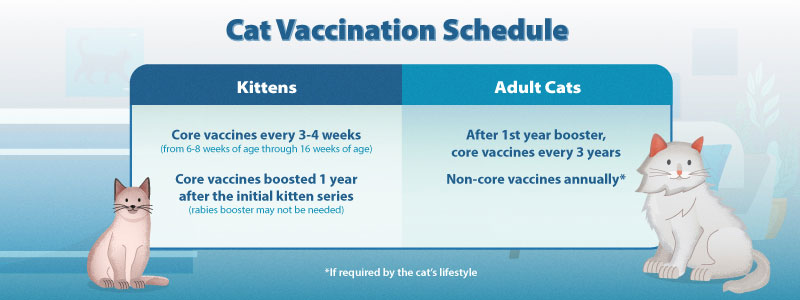
Wash your hands before and after touching your cat. Avoid letting your cat lick your face or open wounds. Keep your cat’s vaccinations and parasite treatments up to date. Groom your cat regularly to remove dirt and loose fur. Use gloves when cleaning the litter box or handling waste. Teach children to handle cats gently and wash hands afterwards.
Household Cleanliness
Clean your cat’s litter box daily with hot water and soap. Disinfect feeding bowls and water dishes regularly. Vacuum and mop floors often to remove pet hair and dander. Wash your cat’s bedding once a week in hot water. Avoid sharing bedding or towels with your cat. Keep your living space free of clutter where germs can hide.
When To See A Doctor
Visit a doctor if you notice unusual rashes or redness after contact. Seek medical advice for persistent cough, fever, or flu-like symptoms. Contact a healthcare provider if your cat bites or scratches deeply. Get tested if you develop swollen lymph nodes near bite or scratch areas. Early medical care prevents infections from becoming serious.
Frequently Asked Questions
What Diseases Can I Catch From My Cat?
You can catch diseases like ringworm, cat scratch fever, and toxoplasmosis from cats. These infections spread through bites, scratches, or contact with cat feces.
How To Prevent Infections From My Cat?
Practice good hygiene by washing hands after handling your cat. Avoid rough play and clean litter boxes regularly to reduce infection risk.
Are Cat Parasites Dangerous To Humans?
Yes, parasites like fleas and ticks can transmit diseases to humans. Regular flea and tick control on your cat reduces this risk significantly.
Can I Get Allergies From My Cat?
Yes, cat dander and saliva can trigger allergies. Regular cleaning and using air purifiers help minimize allergic reactions.
Conclusion
Cats bring joy and comfort to many homes. Yet, some illnesses can spread from cats to people. Knowing common diseases helps you stay safe and healthy. Simple hygiene like washing hands reduces risks greatly. Regular vet visits keep your pet healthy and protected.
Understanding these health facts creates a safer home for all. Stay aware, care for your cat, and protect yourself too. A little knowledge goes a long way in pet care.




Leave a Reply